
Introduction
À une époque de conscience environnementale accrue, les entreprises recherchent de plus en plus d’alternatives durables aux produits en plastique traditionnels. Les pailles biodégradables sont apparues comme une solution cruciale dans la quête du secteur de la restauration pour réduire les déchets plastiques et promouvoir la responsabilité écologique. Ce guide propose une analyse approfondie des matériaux en paille biodégradables, de leur impact environnemental et des stratégies permettant aux entreprises de prendre des décisions éclairées qui correspondent à leurs objectifs de développement durable.
En tant que consultant en développement durable avec plus d’une décennie d’expérience dans le secteur de la restauration, j’ai été témoin de l’impact transformateur des pailles biodégradables sur les entreprises et l’environnement. Ce guide s'appuie sur ma vaste expérience de terrain et les dernières recherches pour vous fournir des informations exploitables.
L'impératif des pailles biodégradables
L’urgence de passer à des pailles biodégradables est soulignée par la crise environnementale alarmante provoquée par les plastiques à usage unique. Un rapport historique de la Fondation Ellen MacArthur prévoit que d’ici 2050, il pourrait y avoir plus de plastique que de poissons dans les océans du monde si les tendances actuelles persistent. Source. Les pailles biodégradables offrent une solution viable et immédiate à ce problème urgent.
Principaux avantages environnementaux
Comprendre les avantages environnementaux des pailles biodégradables est crucial pour les consommateurs et les entreprises qui souhaitent faire des choix respectueux de l'environnement.
- Pollution plastique réduite: Les pailles biodégradables se décomposent naturellement, réduisant considérablement l'accumulation de déchets plastiques dans les décharges et les océans. Lors d’un récent nettoyage de plage auquel j’ai participé, nous avons collecté plus de 5 000 pailles en plastique en une seule journée – un rappel brutal de l’ampleur de ce problème.
- Empreinte carbone réduite: La production de pailles biodégradables nécessite souvent moins d'énergie et émet moins de gaz à effet de serre par rapport à la fabrication traditionnelle du plastique. Une étude de 2019 dans Nature a révélé que la production de paille biodégradable peut réduire les émissions de carbone jusqu'à 80 % Source.
- Conservation des ressources: De nombreuses pailles biodégradables sont fabriquées à partir de ressources renouvelables, favorisant une gestion durable des ressources. Ce changement réduit non seulement la dépendance aux combustibles fossiles, mais soutient également les économies agricoles.
Ces avantages soulignent l’importance de passer à des matériaux plus durables dans nos produits d’usage quotidien.
Analyse complète des matériaux de paille biodégradables
Pailles de canne à sucre (bagasse)
Les pailles de canne à sucre, fabriquées à partir du sous-produit fibreux de la transformation de la canne à sucre, offrent une alternative robuste et écologique aux pailles en plastique.
Avantages :
- Naturellement biodégradable et compostable
- Résistant à la chaleur jusqu'à 100°C (212°F)
- Convient aux boissons chaudes et froides
Considérations :
- Peut donner un léger goût aux boissons
- Durée de conservation limitée par rapport aux pailles en plastique
Une étude révolutionnaire menée par l'Université de Géorgie a révélé que les pailles de canne à sucre se décomposent complètement en 180 jours dans le sol et dans l'environnement marin. Source. Ce taux de décomposition rapide en fait un excellent choix pour les entreprises opérant dans les zones côtières ou auprès de clients soucieux de l’environnement.
Pailles écologiques : une plongée en profondeur dans le PLA
Comprendre les pailles PLA
Alors que le monde évolue vers des solutions plus durables, les pailles en PLA (acide polylactique) apparaissent comme une alternative prometteuse. Ces pailles sont fabriquées à partir de ressources renouvelables telles que l'amidon de maïs ou la canne à sucre, présentant une solution écologique qui ne sacrifie ni la qualité ni l'esthétique.
2. Paies PLA (acide polylactique)
Les pailles PLA, dérivées de ressources renouvelables telles que l'amidon de maïs ou la canne à sucre, offrent une alternative visuellement attrayante au plastique traditionnel.
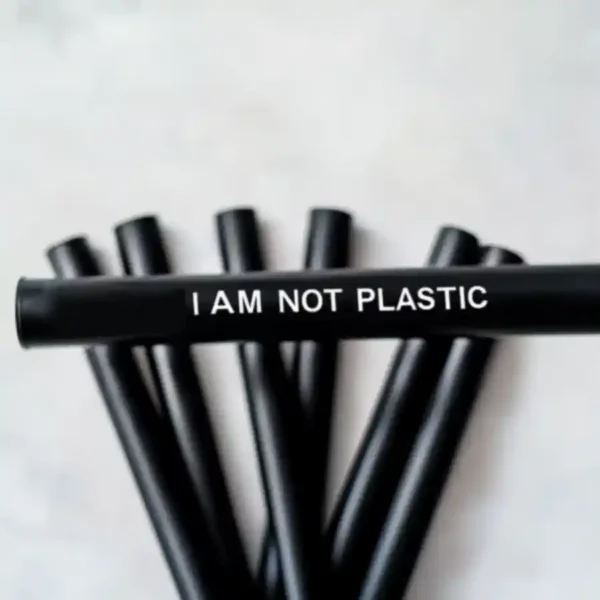
paille de canne à sucre pour smoothie enveloppée 8mm 210mm
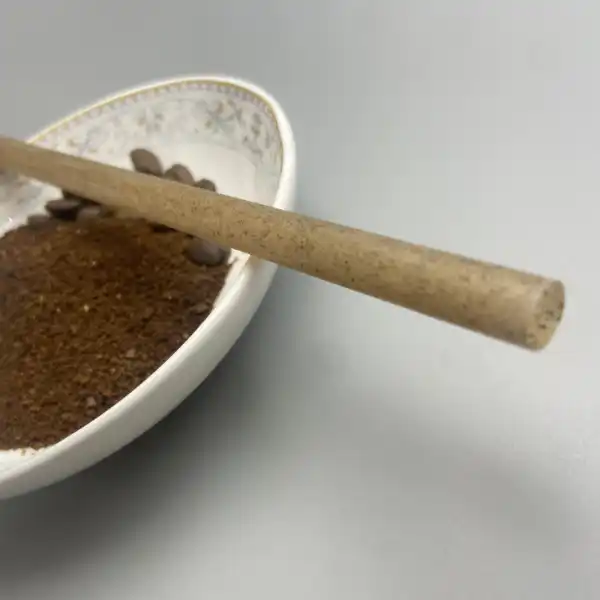
Paille de marc de café smoothie emballée individuellement 8mm 140mm
Principaux avantages des pailles PLA
Avantages :
- Entièrement compostable dans les installations industrielles
- Aspect clair similaire au plastique traditionnel
- Convient aux boissons froides
Considérations importantes concernant les pailles PLA
Considérations :
- Nécessite des conditions de compostage spécifiques
- Ne convient pas aux boissons chaudes en raison de leur faible résistance à la chaleur
À la lumière d'études récentes, il a été constaté que les pailles de PLA peuvent se décomposer en 3 à 6 mois dans les installations de compostage industriel, une amélioration significative par rapport aux siècles nécessaires à la décomposition du plastique traditionnel. Une étude publiée dans une revue scientifique renommée soutient cette affirmation, soulignant l'efficacité du PLA dans des installations appropriées. Source. Il est essentiel de comprendre qu’une biodégradation efficace des pailles PLA nécessite des conditions spécifiques qui peuvent ne pas être universellement disponibles.
3. Pailles de paille de blé
Avantages :
- Entièrement biodégradable et compostable
- Sans gluten et sans danger pour les personnes allergiques au blé
- Durable et adapté aux boissons épaisses
Considérations :
- Peut avoir un léger arôme de blé
- Disponibilité limitée par rapport aux autres options
Une évaluation du cycle de vie menée par l'Université de la Colombie-Britannique a révélé que les pailles de blé ont un impact environnemental 65 % inférieur à celui des pailles en plastique. Source. Cette réduction significative en fait une option intéressante pour les entreprises cherchant à avoir un impact environnemental substantiel.
4. Pailles en papier
Bien qu’elles ne soient pas strictement biodégradables, les pailles en papier sont souvent considérées comme une alternative écologique en raison de leur décomposition rapide.
Avantages :
- Largement disponible et rentable
- Se décomposer rapidement dans divers environnements
Considérations :
- Peut devenir détrempé rapidement
- Peut ne pas convenir à tous les types de boissons
Une étude publiée dans le Journal of Cleaner Production a révélé que les pailles en papier ont une empreinte carbone 50 % inférieure à celle des pailles en plastique au cours de leur cycle de vie. Source. Cependant, d'après mon expérience de travail dans les cafés et les restaurants, la satisfaction des clients à l'égard des pailles en papier peut être mitigée en raison de leur tendance à se détremper rapidement.
Étude de cas : l’approche innovante de NatureBioEco
Innovations clés :
- Pailles à café moulu: Utilisant du marc de café usé, NatureBioEco a développé des pailles qui non seulement réduisent les déchets, mais ajoutent également un subtil arôme de café aux boissons. Cette innovation a été particulièrement populaire parmi les cafés cherchant à améliorer leurs références en matière de durabilité.
- Matériaux hybrides: En combinant les fibres de canne à sucre avec le PLA, NatureBioEco a créé des pailles qui offrent la durabilité du plastique avec la biodégradabilité des matériaux naturels. Cette approche hybride répond à bon nombre des préoccupations des entreprises concernant les performances des pailles biodégradables.
- Solutions personnalisables: NatureBioEco travaille en étroite collaboration avec les entreprises pour développer des solutions de paille sur mesure qui répondent à des besoins spécifiques tout en préservant l'intégrité environnementale. Cette approche sur mesure a été particulièrement réussie dans le secteur hôtelier, où l'image de marque unique et l'expérience client sont primordiales.
Un récent partenariat avec une grande chaîne de café internationale a abouti à une réduction de 30 % des déchets plastiques au cours de la première année de mise en œuvre, démontrant l'impact tangible des produits NatureBioEco. Source. Cette réussite met en évidence le potentiel d’impact environnemental important lorsque les entreprises s’engagent dans des pratiques durables.
Conclusion
À mesure que le marché des pailles biodégradables continue d’évoluer, la recherche et le développement en cours donneront probablement lieu à des solutions encore plus avancées et respectueuses de l’environnement. Les entreprises qui adoptent dès maintenant ces alternatives durables seront bien placées pour prendre la tête d’un marché de plus en plus soucieux de l’environnement.
D’après mon expérience, les transitions les plus réussies vers les pailles biodégradables se produisent lorsque les entreprises considèrent ce changement non seulement comme une mesure de conformité, mais aussi comme une opportunité de valoriser leur marque et de dialoguer avec leurs clients sur les questions environnementales. En sensibilisant le personnel et les clients à l’importance de ce changement, les entreprises peuvent transformer une simple paille en une déclaration puissante de leur engagement environnemental.
Coordonnées
Pour plus d'informations sur la manière dont NatureBioEco peut aider votre entreprise à passer aux pailles biodégradables, veuillez contacter :
Max JiangCourriel : max@naturebioeco.com
Téléphone : +86 13524105790
Références :
-
Foire aux questions (FAQ) sur les pailles biodégradables
1. De quoi sont faites les pailles biodégradables ?
Les pailles biodégradables peuvent être fabriquées à partir de divers matériaux comme le plastique PLA issu du maïs, de la canne à sucre ou encore des graines d'avocat.
2. Combien de temps les pailles biodégradables mettent-elles à se décomposer ?
Selon le matériau, les pailles biodégradables peuvent se décomposer en 90 à 180 jours dans les installations de compostage commerciales.
3. Les pailles biodégradables sont-elles aussi durables que les pailles en plastique ?
Oui, les pailles biodégradables modernes sont conçues pour être aussi durables que les pailles en plastique traditionnelles.
4. Les pailles biodégradables peuvent-elles être utilisées dans les boissons chaudes ?
Oui, certains types de pailles biodégradables peuvent être utilisées dans des boissons chaudes sans perdre leur intégrité.
5. Quels avantages les entreprises tirent-elles du passage aux pailles biodégradables ?
Les entreprises peuvent améliorer leur image de marque et attirer des consommateurs soucieux de l’environnement en adoptant des pailles biodégradables.
6. Quelle est la comparaison des coûts entre les pailles en plastique et biodégradables ?
Au départ, les pailles biodégradables peuvent coûter plus cher que le plastique, mais les prix diminuent à mesure que la demande et la production augmentent.
7. Existe-t-il des incitations gouvernementales pour l'utilisation de pailles biodégradables ?
Certaines régions offrent des incitations ou des allégements fiscaux aux entreprises qui choisissent des produits respectueux de l'environnement comme les pailles biodégradables.
8. Comment les consommateurs peuvent-ils s’assurer qu’ils achètent des pailles biodégradables de haute qualité ?
Les consommateurs devraient rechercher des certifications et lire les avis sur les produits pour garantir la qualité et l'impact environnemental des pailles biodégradables qu'ils achètent.
Conclusion et aller de l'avant
Adopter des pailles biodégradables est plus qu’une tendance ; c’est une décision commerciale responsable qui reflète un engagement en faveur du développement durable. Alors que nous continuons d’être témoins d’innovations dans ce domaine, il devient de plus en plus important pour les entreprises de rester informées et réfléchies quant à leurs choix. L’avenir de notre planète dépend de décisions réfléchies qui contribuent à réduire l’impact environnemental.
Passez à l'action
Si vous êtes prêt à faire un changement, contactez NatureBioEco dès aujourd’hui et faites un pas vers un avenir plus durable. Vos clients et la planète vous remercieront !