Boostez la marque & Conformité aux pailles écologiques en gros
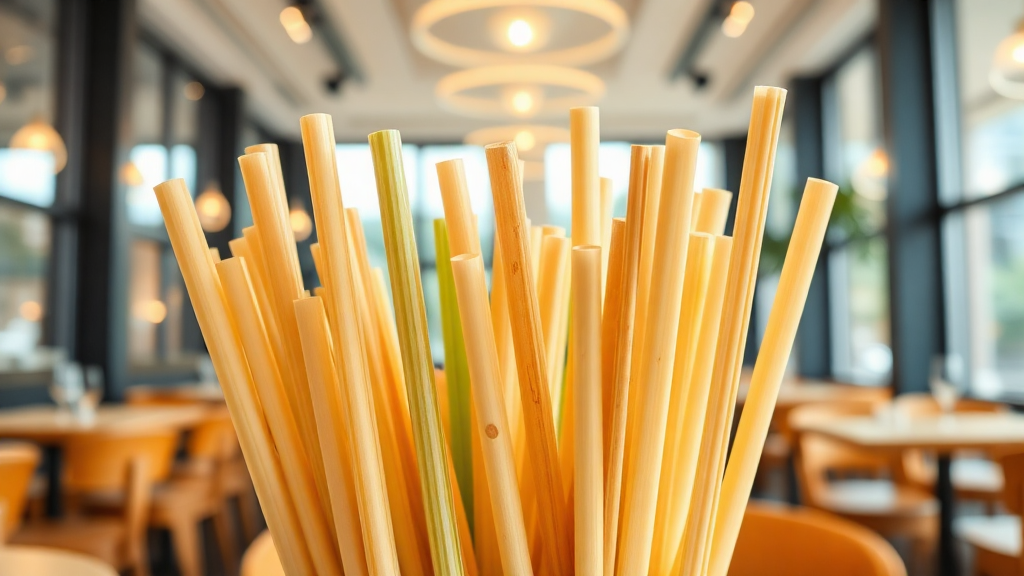
L’abandon mondial des plastiques à usage unique s’accélère. Les gouvernements du monde entier mettent en place des interdictions et des taxes, et les consommateurs exigent de plus en plus d’alternatives durables. Cela représente à la fois un défi et une opportunité significative pour les entreprises du secteur de l'alimentation et des boissons (F&B) industrie. Ne pas s’adapter pourrait entraîner de lourdes amendes et nuire à votre réputation, tandis qu’adopter des solutions respectueuses de l’environnement peut renforcer votre image de marque, attirer des clients soucieux de l’environnement et contribuer à une planète plus saine. Les pailles de canne à sucre offrent une solution convaincante, offrant une alternative entièrement biodégradable et compostable au plastique, sans compromettre la fonctionnalité ou l'esthétique. NatureBioEco propose en gros des pailles de canne à sucre de qualité supérieure qui répondent aux normes de qualité et de conformité les plus élevées, vous permettant ainsi une transition en douceur vers un avenir durable.
Conformité réglementaire : FDA & Certifications LFGB
The food and beverage industry operates under stringent regulations. Non-compliance can result in significant financial penalties – the average fine for food safety violations in the US can exceed $100,000. Our sugarcane straws are meticulously manufactured to meet both FDA (Food and Drug Administration) and LFGB (German Federal Ministry of Food and Agriculture) certifications, ensuring complete safety and regulatory compliance for your business, regardless of your global market. These certifications guarantee that our straws are free from harmful chemicals and are safe for contact with food and beverages.
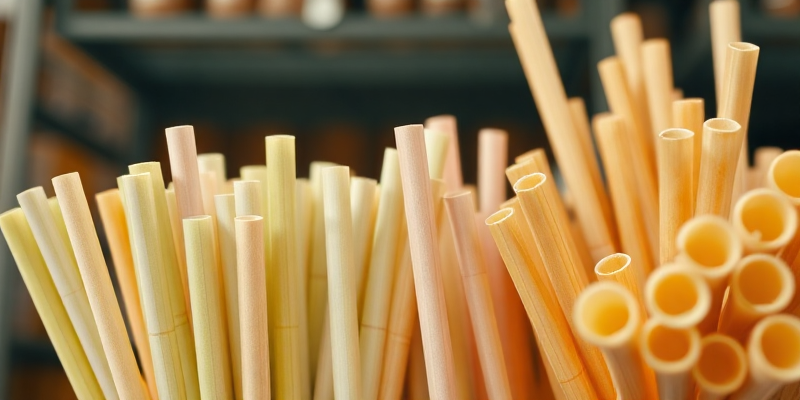
Learn more about our rigorous testing procedures on our product certifications page.
Pailles de canne à sucre et autres alternatives écologiques
While various eco-friendly straw options exist, sugarcane stands out for its superior properties. Paper straws often become soggy, impacting the consumer experience, while bamboo straws can be harder to clean and less aesthetically pleasing.

Our sugarcane straws offer a superior alternative: they are sturdy, maintain their shape in drinks, and are easily compostable at home.
| Fonctionnalité | Pailles de canne à sucre | Pailles en papier | Pailles en bambou |
|---|---|---|---|
| Force | Haut | Faible | Moyen |
| Durabilité | Haut | Faible | Moyen |
| Biodégradabilité | Excellent | Bon (avec des mises en garde) | Bon (avec des mises en garde) |
| Compostabilité | Compostable à la maison | Nécessite un compostage industriel | Nécessite un compostage industriel |
| Appel esthétique | Excellent | Bien | Bien |
| Coût | Compétitif | Compétitif | Plus cher |
Explore our wide range of sustainable product options.
Principaux avantages commerciaux des pailles de canne à sucre
Beyond compliance, sugarcane straws offer substantial business advantages. A recent study by Nielsen shows that 73% of consumers are willing to pay more for sustainable products. By switching to our sugarcane straws, you’re not only reducing your environmental impact but also enhancing your brand’s reputation and attracting a growing segment of environmentally conscious consumers.

Our customizable options allow you to imprint your logo, further reinforcing your brand identity and commitment to sustainability. Discover the full potential of options de marque personnalisées.
Impact environnemental des pailles de canne à sucre
Our sugarcane straws are made from bagasse, the fibrous residue left after sugarcane juice extraction. This by-product, which would otherwise be wasted, is transformed into a valuable resource, reducing landfill waste and minimizing the environmental impact of sugarcane cultivation. The UNEP reports that plastic pollution costs the global economy an estimated $3.5 billion annually. By choosing sugarcane straws, you actively reduce your carbon footprint. Learn more about the lifecycle of our sugarcane products. Read the UNEP report here: UNEP Report
Étude de cas : Succès en matière de durabilité
A leading restaurant chain in California switched to our sugarcane straws, resulting in a 25% reduction in their overall waste disposal costs within the first year. Their environmentally conscious approach attracted new customers, leading to a 15% increase in sales during the same period. Explore their success story and other case studies.
FAQ : Réponses aux pailles de canne à sucre
Q1: Are your sugarcane straws truly home compostable?
A1: Yes, our straws are certified home compostable under specific conditions (temperature, humidity, etc.). See our FAQ page for details. View FAQs
Q2: What is the minimum order quantity (MOQ)?
A2: Our MOQ varies depending on customization. Contact us for a quote tailored to your needs.
Q3: How long does it take to receive my order?
A3: Lead times depend on order volume and customization. Contact us for an estimated delivery time.
Q4: Do you offer different straw sizes?
A4: Yes, we offer a range of diameters and lengths.
Q5: What printing methods do you use for customization?
A5: We offer various printing options, including screen printing and digital printing.
Q6: Are your straws FDA compliant?
A6: Yes, our straws hold FDA certification for food contact.
Q7: What are the composting conditions?
A7: Our straws compost optimally in a warm, moist environment with proper aeration.
Conclusion
Switching to sustainable alternatives isn’t just an ethical choice; it’s a smart business decision. By choosing NatureBioEco’s wholesale sugarcane straws, you enhance brand reputation, improve regulatory compliance, and contribute to a greener future. Our straws are FDA and LFGB certified, home compostable, and customizable to your specifications. Don’t get left behind; join the growing number of businesses embracing sustainable practices. Ready to make the switch? Contact NatureBioEco today for a tailored B2B quote and learn more about our complete range of solutions d'emballage durables. The FDA provides comprehensive guidance on food safety regulations: FDA Guidance