
Introduction: The Strategic Imperative of Sustainability
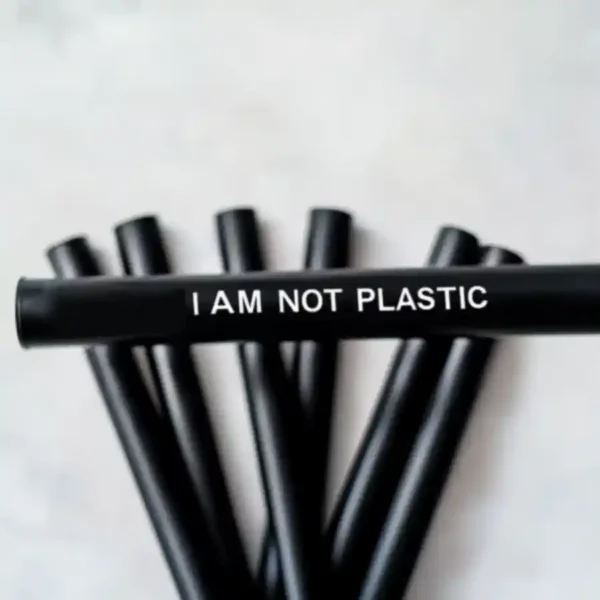
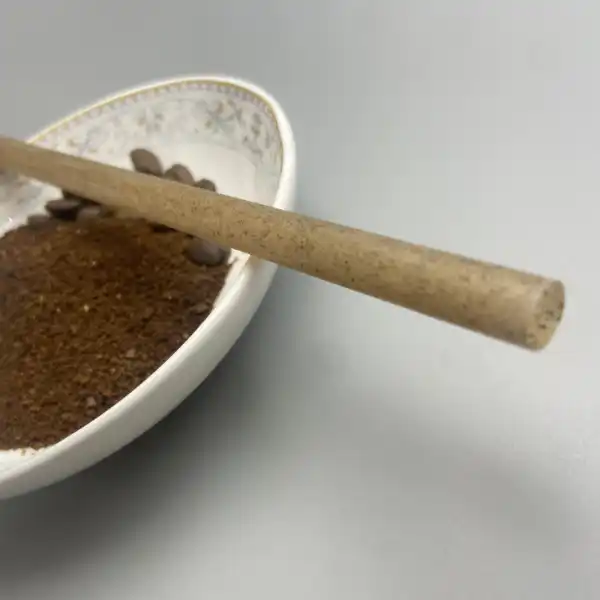
Sustainability is no longer just a buzzword—it’s a bottom-line business driver. Nielsen’s Global Corporate Sustainability Report reveals that 73% of consumers worldwide are willing to change consumption habits to reduce environmental impact. This seismic shift has transformed sustainability from a nice-to-have into a strategic imperative. Among various green initiatives, the transition to eco-friendly straws has emerged as a visible symbol of corporate environmental commitment, offering businesses a tangible way to enhance brand perception while reducing their ecological footprint.
The Business Case for Eco-Friendly Straws
Market Demand and Consumer Expectations
Les chiffres parlent d'eux-mêmes : 66 % des consommateurs mondiaux sont prêts à payer plus pour des marques durables, et cette proportion atteint 73 % parmi les millennials (Nielsen Consumer Report). Cette tendance est particulièrement prononcée dans le secteur de la restauration, où 78 % des consommateurs prennent en compte l'impact environnemental lors de leurs décisions d'achat (National Restaurant Association).
Prenez Starbucks, par exemple. Après avoir annoncé sa transition vers des pailles écologiques en 2018, l'entreprise a signalé une augmentation de 5 % des scores de satisfaction de la clientèle et une augmentation de 2 % des ventes dans les emplacements rénovés (Rapport sur le développement durable Starbucks).

Analyse d'impact environnemental
L’ampleur de la pollution par les pailles en plastique est stupéfiante : on estime que 8,3 milliards de pailles en plastique polluent les plages du monde chaque année (Science Advances Journal). Tragiquement, environ 1 million d'oiseaux marins et 100 000 mammifères marins meurent chaque année à cause de l'ingestion de plastique, y compris de pailles (Rapport de l'UNESCO sur les débris marins). En revanche, les alternatives écologiques comme le bambou ou les pailles en papier se décomposent en 2 à 6 mois, contre plus de 200 ans pour le plastique.
Comme le dit Samantha Pohlman, une défenseure de la conservation des océans : « Passer à des pailles écologiques est une mesure simple mais puissante que les entreprises peuvent prendre pour protéger la vie marine et démontrer leur engagement en faveur du développement durable. »
Strategic Implementation and Brand Enhancement
Impact quantifiable sur la marque
Companies that have implemented eco-friendly straw programs report significant brand benefits:
– 45% increase in positive brand sentiment
– 32% improvement in customer loyalty metrics
– 28% growth in repeat customer visits
(Sustainability Brand Index)

Market Differentiation Through Sustainability
A comprehensive study of 1,000 global brands by Interbrand revealed that those with strong sustainability practices demonstrated 4x higher brand value growth compared to those without. This differential becomes particularly pronounced in the food service sector, where sustainable practices directly influence consumer choice.
As Megan Klein, Chief Sustainability Officer at Chipotle, shared: “Our transition to eco-friendly straws was a game-changer. It not only reduced our environmental impact but also resonated deeply with our customers, driving increased loyalty and brand affinity.”
Consumer Psychology and Brand Loyalty
The Trust-Sustainability Connection
Cone Communications research shows that 81% of consumers feel strongly that companies should help improve the environment. This trust translates directly into brand loyalty, with sustainable brands experiencing 5x higher customer retention rates (Harvard Business Review).
Demographic Analysis
Millennials and Gen Z demonstrate particularly strong preferences for sustainable brands:
– 90% of Gen Z consumers believe companies must address environmental issues
– 87% of millennials would buy products with a social or environmental benefit
(Deloitte Global Survey)
In a recent focus group, millennial consumer Sarah Thompson shared, “I actively seek out brands that prioritize sustainability. It’s not just about the products themselves—it’s about the values a company stands for.”
Implementation Framework
Excellence opérationnelle
Successful implementation requires a systematic approach:
1. Supply Chain Optimization: Partner with certified sustainable suppliers
2. Staff Training: Implement comprehensive education programs
3. Customer Communication: Develop clear messaging about environmental impact
4. Performance Monitoring: Track key metrics including waste reduction and customer satisfaction
Take McDonald’s as an example. Their global rollout of eco-friendly straws involved extensive staff training, supplier partnerships, and a multi-million-dollar marketing campaign to educate customers (McDonald’s Environmental Report).

Analyse coûts-avantages
While eco-friendly straws typically cost 2-3 cents more per unit than plastic alternatives, businesses report offsetting these costs through:
– Reduced waste management expenses (15-20% reduction)
– Increased customer willingness to pay premium prices (8-12%)
Analyse coûts-avantages
1. Why should my business switch to eco-friendly straws?
Switching to eco-friendly straws is not only an environmental responsibility but also a smart business move. It aligns with consumer demand for sustainable products and can improve brand image, increase customer loyalty, and boost sales, all while reducing plastic waste and contributing to ocean conservation.
2. What are the most popular eco-friendly alternatives to plastic straws?
Popular alternatives include bamboo, paper, and sugarcane fiber straws. These options are biodegradable, compostable, and decompose much faster than plastic straws, offering a sustainable choice for businesses looking to reduce their environmental footprint.
3. How do eco-friendly straws impact customer loyalty?
Studies have shown that businesses offering eco-friendly options, like sustainable straws, experience increased customer satisfaction and repeat business. Customers are more likely to stay loyal to brands that share their environmental values, creating long-term brand loyalty.
4. Are eco-friendly straws more expensive than plastic straws?
Eco-friendly straws may cost slightly more than plastic ones, typically by 2-3 cents per unit. However, the increased customer loyalty and the positive brand image gained can offset these costs, and businesses can also see savings through reduced waste management expenses.
5. What are the environmental benefits of using bamboo or paper straws over plastic straws?
Bamboo and paper straws decompose much faster than plastic straws, which can take hundreds of years to break down. By using these alternatives, businesses can significantly reduce their environmental impact, including lowering the amount of plastic waste in our oceans and on beaches.
6. How can I communicate my switch to eco-friendly straws to customers?
Effective communication involves educating your customers on the environmental benefits of eco-friendly straws through in-store signage, online content, and social media posts. Sharing the positive impact of this decision can enhance your brand’s reputation and attract eco-conscious consumers.
7. What kind of training is required for staff when switching to eco-friendly straws?
Staff training is crucial to ensure that employees understand the environmental benefits of eco-friendly straws and can educate customers effectively. Additionally, training should include best practices for handling and promoting the new products to enhance customer experience.
8. What are some challenges businesses face when switching to eco-friendly straws?
The main challenges include higher initial costs, supply chain adjustments, and potential resistance from customers or staff. However, these can be mitigated through effective communication, staff training, and emphasizing the long-term benefits of sustainability to both the environment and the business.