La demande de produits biodégradables a augmenté ces dernières années, portée par une prise de conscience croissante des problèmes environnementaux et un effort collectif pour lutter contre la pollution plastique. Alors que le monde est confronté à des défis croissants en matière de déchets, les produits biodégradables offrent une solution viable pour réduire notre empreinte écologique. Cet article de blog explore ce que sont les produits biodégradables, les matériaux qui les rendent respectueux de l'environnement et les avantages de leur intégration dans la vie quotidienne.
Comprendre les produits biodégradables
Que sont les produits biodégradables ?
Les produits biodégradables sont des matériaux conçus pour se décomposer naturellement au fil du temps grâce à des processus biologiques, impliquant généralement des micro-organismes tels que des bactéries ou des champignons. Ces produits se décomposent en substances naturelles comme l’eau, le dioxyde de carbone et la matière organique, ne laissant aucun résidu nocif. Contrairement aux plastiques traditionnels, qui peuvent persister dans l’environnement pendant des centaines d’années, les produits biodégradables offrent une alternative plus sûre pour la planète.
Pourquoi biodégradable ?
The increasing prevalence of non-biodegradable plastics has resulted in significant environmental damage, particularly in oceans, landfills, and wildlife habitats. Biodegradable products help mitigate these issues by providing a more sustainable option. By choosing biodegradable alternatives, consumers can play a vital role in reducing plastic waste and supporting environmental sustainability.
Matériaux biodégradables courants et leurs avantages
Matériaux d'origine végétale
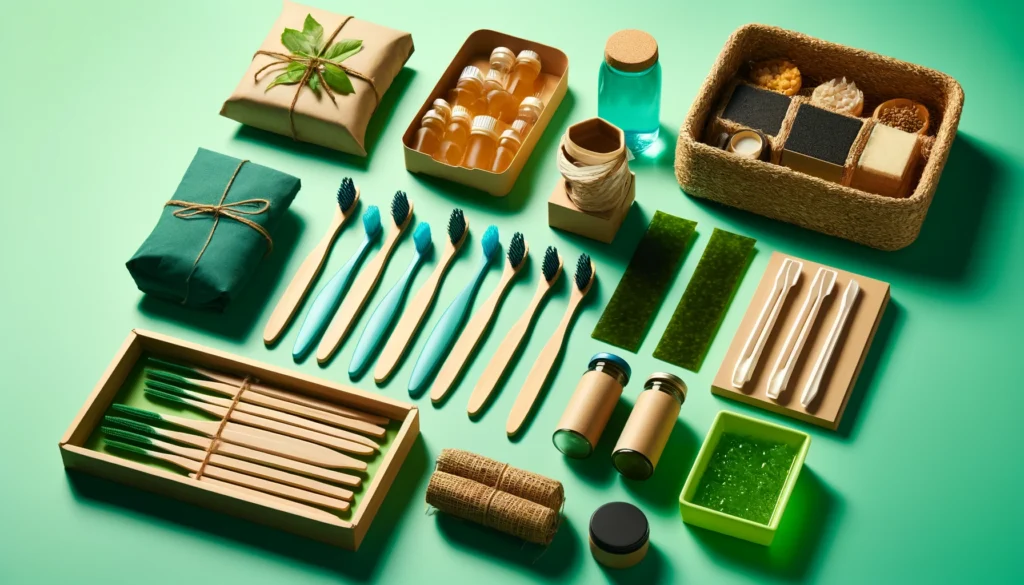
Biodegradable products are often made from plant-based materials such as bambou, cotton, et coconut. These materials are renewable, fast-growing, and require minimal resources to cultivate. For example, bamboo toothbrushes et cotton dishcloths are non-toxic, compostable, and provide a much-needed alternative to harmful plastic products.
Avantages:
- Durabilité: Derived from renewable sources.
- Déchets minimes: Ces matériaux se décomposent facilement dans l'environnement.
- Non toxique: Exempts de produits chimiques nocifs, ce qui les rend plus sûrs pour les personnes et la faune.

Bioplastiques
PLA (Acide Polylactique) et PHA (Polyhydroxyalcanoates) sont deux bioplastiques couramment utilisés. Le PLA est fabriqué à partir de maïzena, tandis que le PHA est produit par des micro-organismes. Ces bioplastiques sont souvent utilisés pour emballage alimentaire, couverts jetables, et contenants de boissons, offrant une alternative plus durable aux plastiques conventionnels à base de pétrole.
Avantages:
- Empreinte carbone réduite: Ces matériaux sont dérivés de ressources renouvelables, réduisant ainsi la dépendance aux combustibles fossiles.
- Compostabilité: Les produits PLA et PHA peuvent se décomposer dans des conditions de compostage industriel, ce qui en fait un bon choix pour les consommateurs soucieux de l'environnement.
Matériaux innovants
Des matériaux biodégradables innovants tels que mycélium (matériaux à base de champignons) et emballage à base d'algues are emerging as environmentally friendly alternatives to traditional packaging and construction materials.
Avantages:
- Versatilité: Mycelium can be used for packaging, insulation, and even construction materials.
- Biodégradable: These materials break down quickly and safely in the environment.
- Faible impact environnemental: Unlike plastic, these materials don’t contribute to long-term pollution.
Produits biodégradables dans la vie quotidienne
Cleaning Supplies
Biodegradable cleaning products, including surface cleaners, wipes, et coconut cleaning brushes, are gaining popularity. These products are made from plant-based ingredients and are designed to break down without releasing harmful chemicals into the environment.
Exemples:
- Puracy Everyday Surface Cleaner: Made with plant-powered ingredients and 100% biodegradable formula.
- Swedish Dishcloths: Composed of cotton, fast-drying, and a great alternative to paper towels.
Personal Care
From bamboo toothbrushes à biodegradable floss, personal care products made from biodegradable materials are growing in demand. These products are hypoallergenic and free of harmful chemicals, making them safer for both the user and the planet.
Kitchenware and Packaging
PLA containers et biodegradable cutlery are excellent alternatives to single-use plastics. In addition, sugarcane-based trays et compostable food packaging help reduce plastic waste in the foodservice industry.
Exemples:
- PLA Containers: Made from cornstarch, ideal for clear containers and biodegradable beverage packaging.
- Sugarcane Food Trays: Compostable and biodegradable, made from renewable resources.
Gestion des déchets
Biodegradable trash bags are more energy-efficient to produce compared to plastic bags, and they provide an environmentally friendly option for waste disposal. Additionally, products like couverts compostables et pailles biodégradables reduce plastic pollution in landfills and oceans.

Avantages du passage aux produits biodégradables
Impact environnemental
Biodegradable products significantly reduce the amount of plastic waste in oceans and landfills. By breaking down naturally, they contribute to lower pollution levels, conserve natural resources, et support biodiversity by minimizing harm to wildlife.
Santé et sécurité
Biodegradable products are typically made from non-toxic materials, making them a safer option for consumers. For example, bamboo toothbrushes et coconut cleaning brushes are naturally hypoallergenic and free of harmful chemicals often found in plastic alternatives.
Long-Term Cost Savings
While biodegradable products can be more expensive upfront, they can save money in the long run by reducing waste management costs and contributing to more efficient recycling and composting processes.

Surmonter les idées fausses courantes sur les produits biodégradables
Myths vs. Reality
Myth 1: “All biodegradable products break down quickly in landfills.”
- Réalité: Many biodegradable products require specific conditions (e.g., industrial composting) to degrade properly. Without these conditions, some biodegradable products may still take years to break down.
Myth 2: “Biodegradable products are always 100% eco-friendly.”
- Réalité: While biodegradable products decompose naturally, their environmental impact depends on factors such as production methods, raw materials, et disposal conditions. Some products still require significant resources to manufacture.

L'avenir des produits biodégradables
Innovations dans les matériaux biodégradables
L'avenir des produits biodégradables s'annonce prometteur avec le développement de emballage à base de mycélium, plastiques à base d'algues, et bioplastiques solubles dans l'eau. Ces innovations pourraient révolutionner les industries, en offrant des solutions plus durables et plus efficaces pour l’emballage et les biens de consommation.
Réglementations gouvernementales et initiatives mondiales
Les gouvernements du monde entier mettent de plus en plus en œuvre des réglementations pour réduire les déchets plastiques. De nombreux pays ont interdit ou limité l’utilisation de plastiques à usage unique, tout en encourageant l’adoption de produits biodégradables. Ce changement mondial présente à la fois des défis et des opportunités pour les entreprises qui souhaitent investir dans des alternatives durables.
Le rôle des consommateurs et des entreprises
Both consumers and businesses play a crucial role in transitioning to biodegradable products. By choosing eco-friendly options and supporting companies that prioritize sustainability, consumers can drive demand for alternatives biodégradables. Similarly, businesses can adopt green certifications, sustainable sourcing practices, et emballage compostable to meet the growing demand for environmentally friendly products.

Section FAQ
1. What are biodegradable products made from?
Biodegradable products are typically made from matériaux d'origine végétale such as bamboo, cotton, and cornstarch, or bioplastics like PLA and PHA.
2. How do biodegradable products break down?
Biodegradable products break down through biological processes involving microorganisms such as bacteria and fungi. The process depends on environmental conditions like temperature, moisture, et oxygen.
3. Are biodegradable products better than recyclable products?
Both biodegradable and recyclable products have environmental benefits, but biodegradable products tend to se décomposer naturellement, reducing waste in landfills. Recyclable products can be reused multiple times but require appropriate recycling facilities.
4. Do biodegradable products still cause pollution?
While biodegradable products decompose faster than plastics, they can still contribute to microplastic pollution if not disposed of properly. It’s important to follow disposal guidelines.
5. How long does it take for biodegradable products to break down?
The breakdown time varies depending on the material and environmental conditions. For example, PLA may take months, while bambou et mycélium decompose in semaines à mois dans les bonnes conditions.
6. Are biodegradable products more expensive?
Biodegradable products can be more expensive upfront, but they can provide long-term savings through reduced waste management costs et energy consumption.
7. Where can I dispose of biodegradable products?
Biodegradable products should be composé dans installations de compostage industriel ou home composting systems. They should not be thrown into regular landfills unless composting is not available.
8. What certifications should I look for when buying biodegradable products?
Recherchez des certifications comme BPI Certified, Compostable Certified, ou USDA Organic to ensure that the product meets environmental standards.
Citations
- Puracy – 10 Biodegradable Products for the Planet
- Meyers – Biodegradable Packaging Materials for Food and Beverages
- EcoFreek – Biodegradable Materials
- PMC – Biodegradable Products and Their Environmental Impact
- Spark Interiors – 8 Biodegradable Products Every Home Needs