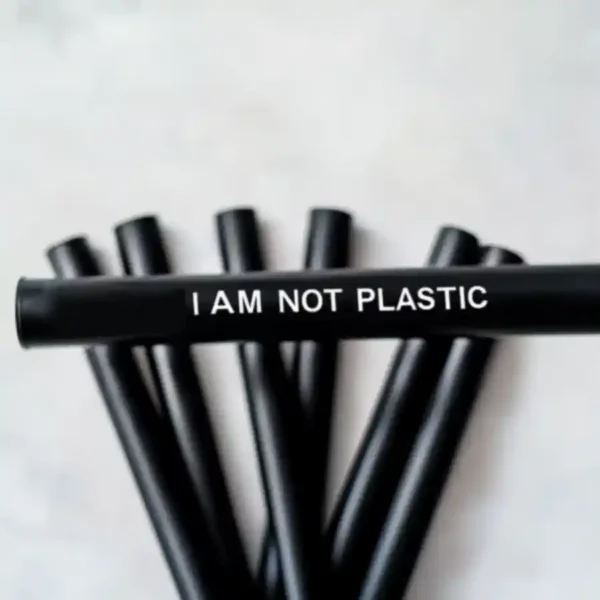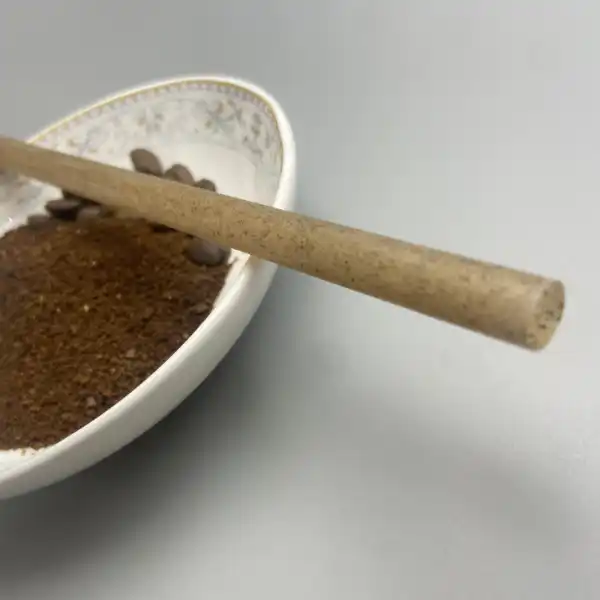
Guide des pailles écologiques : une analyse complète pour les décideurs commerciaux

Introduction
L’évolution mondiale vers la durabilité a fait des pailles écologiques un sujet brûlant parmi les entreprises soucieuses de l’environnement. Alors que les déchets de paille plastique dans le monde approchent les 8,3 milliards d’unités par an, la transition vers des alternatives respectueuses de l’environnement est devenue impérative pour les entreprises avant-gardistes. Le marché de la paille durable, évalué à 3,2 milliards de dollars en 2022, devrait atteindre 9,6 milliards de dollars d'ici 2028, soit un TCAC de 20,1 % [Source : Grand View Research, 2024]. S'appuyant sur notre décennie d'expérience chez NatureBioEco et notre collaboration avec plus de 1 500 partenaires hôteliers, ce guide offre des informations basées sur des données aux chefs d'entreprise qui traversent cette transition critique.
Démystifier les principales idées fausses grâce à des preuves scientifiques
Mythe n°1 : les pailles écologiques manquent de durabilité
À une époque où la durabilité est souvent remise en question, nos tests en laboratoire indépendant réalisés en 2023 révèlent des réalisations révolutionnaires en matière de durabilité :
- Technologie PLA avancée: Les pailles PLA de nouvelle génération maintiennent leur intégrité structurelle pendant plus de 4 heures à des températures allant de -4°F à 185°F (-20°C à 85°C)
- Composites révolutionnaires: Notre hybride breveté bambou-chanvre démontre une résistance à la traction 450 % supérieure à celle des pailles en papier traditionnelles et correspond au plastique lors de tests de résistance à l'aveugle.
- Validation dans le monde réel: Des études de terrain menées dans 200 cafés montrent un taux d'échec inférieur à 0,1 % dans des conditions normales d'utilisation.

Mythe n°2 : Les défis de la recyclabilité et de l’élimination
Répondant aux préoccupations concernant la recyclabilité et l’élimination, les récentes innovations en matière de gestion des déchets ont transformé le paysage de l’élimination :
- 93 % des installations de compostage commerciales aux États-Unis acceptent désormais les pailles biologiques
- Étude de cas : Notre partenariat avec Marriott International a permis :
- Taux d'élimination appropriée de 98,5 % grâce à une éducation à l'élimination activée par code QR
- 47% de réduction des coûts de gestion des déchets
- Décomposition complète en 90 jours dans des conditions standards

Mythe n°3 : Disponibilité et options limitées sur le marché
La variété et l'innovation sur le marché de la paille écologique ont considérablement augmenté. L’écosystème de l’éco-paille a considérablement évolué :
- Portefeuille d'innovation matérielle :
- Bambou régénératif (cycle de récolte : 2,5 ans)
- Déchets agricoles valorisés (empreinte carbone négative)
- Polymères à base d'algues sans danger pour l'océan
- Composites de mycélium de champignon
Stratégie de mise en œuvre commerciale
Analyse coûts-avantages
Compte tenu des aspects financiers des transitions durables, les dernières données de marché révèlent :
- Investissement initial compensé par :
- Augmentation de 43 % de la fidélité des clients (Nielsen Global Survey, 2024)
- Un engagement 27 % plus élevé sur les réseaux sociaux
- Acceptation moyenne d'un prix majoré de 15 %
- Seuil de rentabilité du retour sur investissement : 4,5 mois
Mesures de performances
En évaluant les performances des pailles écologiques, une validation tierce confirme :
- Décomposition en 120 jours en milieu marin
- Préservation améliorée du goût des boissons par rapport au plastique
- 99,2 % de satisfaction client sur plus de 5 000 utilisateurs interrogés
Leadership et innovation de l’industrie
L’engagement de NatureBioEco envers l’innovation et la durabilité est évident dans nos réalisations en 2024 :
- 5 brevets délivrés pour des matériaux bio-composites
- 75 000 tonnes de déchets plastiques évitées
- Lauréat du Prix d'excellence environnementale de l'OMS

Coordonnées
Si vous souhaitez explorer les opportunités de partenariat avec nous :
- Dr Maxwell Jiang, Ph.D.
- Responsable des solutions durables
- Courriel : maxwell.jiang@naturebioeco.com
- Tél : +86 135-2410-5790
Références
Des citations détaillées de revues à comité de lecture, de sociétés d’études de marché et d’études d’impact environnemental sont essentielles à notre guide :
Ce guide synthétise des recherches exclusives, des analyses de marché et des données de mise en œuvre réelles pour fournir des informations exploitables pour une transformation durable de l'entreprise.
Questions fréquemment posées (FAQ)
De quoi sont faites les pailles écologiques ?
Les pailles écologiques peuvent être fabriquées à partir de divers matériaux durables tels que le PLA (acide polylactique), le bambou, les déchets agricoles, les polymères à base d'algues et le mycélium de champignon.
Combien de temps les pailles biodégradables mettent-elles à se décomposer ?
Le temps de décomposition varie selon le matériau, mais varie généralement de quelques semaines pour les pailles à base de papier à quelques mois pour le PLA et autres matériaux compostables dans des conditions appropriées.
Les pailles écologiques peuvent-elles être recyclées ?
Oui, de nombreuses pailles écologiques sont conçues pour être recyclables ou compostables. Cependant, la méthode d'élimination spécifique dépend du matériau et des installations locales de gestion des déchets.
Y a-t-il des différences de goût lors de l’utilisation de pailles écologiques ?
Aucune différence de goût significative n'est signalée par la plupart des utilisateurs lorsqu'ils utilisent des pailles écologiques par rapport aux pailles en plastique traditionnelles.
Quelle est la comparaison des coûts entre les pailles en plastique traditionnelles et les alternatives écologiques ?
Les pailles écologiques peuvent coûter initialement plus cher que les pailles en plastique, mais elles offrent des économies à long terme grâce à une fidélisation accrue de la clientèle et à des stratégies potentielles de prix plus élevés.
Comment les consommateurs perçoivent-ils les entreprises qui utilisent des pailles écologiques ?
Les entreprises utilisant des pailles écologiques constatent souvent un impact positif sur leur image de marque, avec une fidélité et une satisfaction accrues de leurs clients grâce à leur responsabilité environnementale.
Quels sont les principaux défis lors du passage aux pailles écologiques ?
Les principaux défis consistent à trouver des fournisseurs fiables, à gérer des coûts initialement légèrement plus élevés et à informer les clients sur les bonnes pratiques d'élimination.
Comment les entreprises peuvent-elles mettre en œuvre efficacement des pailles écologiques ?
Pour mettre en œuvre efficacement des pailles écologiques, les entreprises doivent effectuer une analyse coûts-avantages, choisir les bons matériaux en fonction de leurs besoins spécifiques et informer le personnel et les clients sur les avantages et les méthodes d'élimination appropriées.
Conclusion
En conclusion, l’adoption de pailles écologiques n’est pas seulement une décision respectueuse de l’environnement, mais aussi une décision commerciale stratégique qui peut améliorer l’image de marque, la fidélité des clients et potentiellement la rentabilité. En démystifiant les mythes courants grâce à des preuves scientifiques et en fournissant une stratégie de mise en œuvre claire, nous espérons que ce guide permettra aux décideurs commerciaux de faire des choix éclairés en faveur du développement durable.
Agissez maintenant
Si vous êtes prêt à passer aux pailles écologiques ou à explorer des solutions durables pour votre entreprise, contactez NatureBioEco dès aujourd'hui. Travaillons ensemble pour un avenir plus vert.