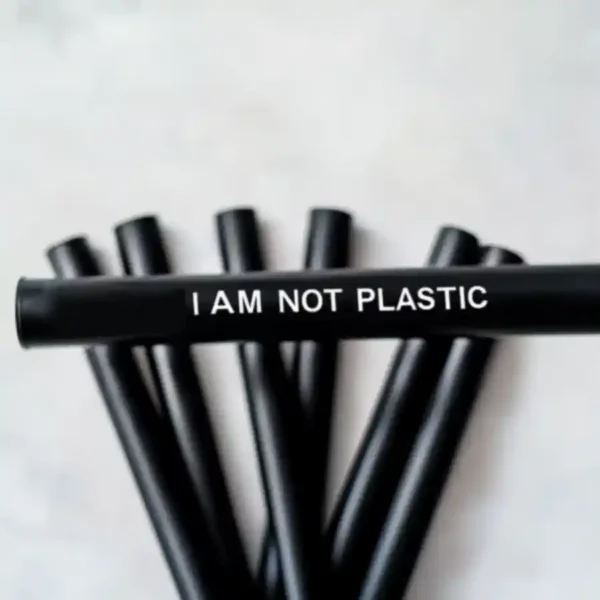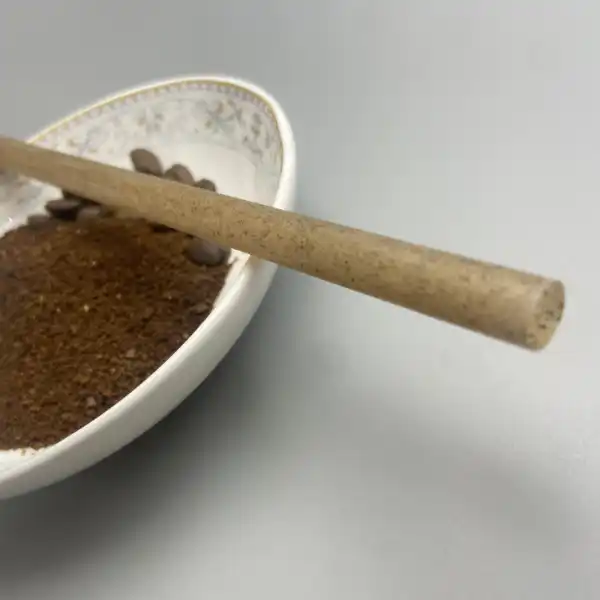
 La transition mondiale vers le développement durable oblige les entreprises à donner la priorité à la réduction des déchets plastiques. Les plastiques à usage unique, notamment les pailles, contribuent de manière significative à la dégradation de l’environnement ; 8,3 milliards de tonnes de déchets plastiques ont été générés depuis les années 1950. Les entreprises et les restaurants soucieux de l'environnement à la recherche d'alternatives durables devraient envisager les pailles de canne à sucre, une solution scientifiquement validée équilibrant la responsabilité environnementale et l'efficacité opérationnelle. Votre entreprise peut faire la différence.
Pourquoi Pailles Boba à la canne à sucre Changent la donne
Les pailles de canne à sucre sont fabriquées à partir de bagasse de canne à sucre, un sous-produit fibreux de la production de sucre, combiné à des liants végétaux comme l'acide polylactique (PLA). Contrairement aux pailles en plastique traditionnelles, elles offrent des avantages clés :
- Biodégradabilité : Ils se décomposent naturellement en 3 à 6 mois dans les systèmes de compostage domestique et sont certifiés pour le compostage industriel (ASTM D6400). Cela contraste fortement avec les pailles en plastique qui persistent pendant des siècles.
- Compostabilité : Leur certification garantit une élimination responsable, réduisant ainsi le fardeau de la mise en décharge. Il s’agit d’un différenciateur crucial par rapport à de nombreuses autres alternatives.
- Renouvelabilité : L'utilisation de déchets agricoles au lieu de combustibles fossiles favorise une économie circulaire et réduit la dépendance à l'égard de matériaux vierges. Cela réduit considérablement l’empreinte carbone par rapport à la production de plastique.
Une analyse du cycle de vie 2023 révélée pailles de canne à sucre reduce carbon emissions by 52% compared to plastic, solidifying their position as a cornerstone of zero-waste solutions and green business practices. This data-driven advantage should be a compelling factor for businesses aiming for sustainability goals.
Key Benefits of Switching to Sugarcane Straws for Your Business
1. Environmental Impact Reduction:
- Plastic Waste Mitigation: Replacing plastic straws directly prevents non-recyclable waste from entering landfills and oceans. Consider the staggering statistic: the U.S. alone discards 500 million plastic straws daily. Switching to sugarcane straws represents a substantial reduction in this waste stream.
- Ecosystem Protection: Marine life is significantly impacted by plastic pollution. Biodegradable sugarcane straws mitigate this risk, protecting vulnerable ecosystems.
- Resource Conservation: Repurposing bagasse, a waste product, exemplifies circular economy principles, reducing reliance on virgin materials and minimizing environmental impact.
2. Operational Advantages for Your Businesses:
- Brand Differentiation: Attract eco-conscious consumers. Studies show 72% of consumers prefer brands committed to sustainable practices. Highlighting your use of sugarcane straws can be a powerful marketing tool.
- Conformité réglementaire : Proactively address evolving regulations. Many cities (like New York) and countries (like Canada) are implementing bans on single-use plastics. Using sugarcane straws ensures compliance and avoids potential penalties.
- Rentabilité : Bulk purchasing options (e.g., $20 per 1,000 units) offer cost competitiveness with paper alternatives, while offering superior performance. Consider negotiating bulk discounts to further enhance cost-effectiveness.
3. Performance Excellence:
- Durabilité: Sugarcane straws withstand liquids for 4–6 hours without becoming soggy, surpassing the performance of paper straws. This ensures a positive customer experience.
- Versatilité: Suitable for both hot (up to 176°F/80°C) and cold beverages.
Sugarcane Straws: A Sustainable Solution for Businesses

Expanding their usability. This eliminates the need for separate straw types.
- Taste-Neutral: Unlike some alternatives, sugarcane straws provide a neutral taste experience, ensuring the beverage flavor isn’t compromised.
Sugarcane vs. Other Eco-Friendly Straws for Your Businesses
| Matériel | Biodégradabilité | Durability (Hours) | Coût par 1 000 unités (USD) | Empreinte carbone |
|---|---|---|---|---|
| Plastique | Des siècles | Indéfini | 10 | Haut |
| Papier | 2 à 6 semaines | 0.5–1 | 15 | Modéré |
| Canne à sucre | 3 à 6 mois | 4 à 6 | 20 | Faible |
En passant aux pailles de canne à sucre, les entreprises peuvent réduire considérablement leur empreinte environnementale, améliorer leur image de marque et améliorer leur efficacité opérationnelle. Cette transition représente une étape responsable et impactante vers un avenir plus durable.
Choosing Sustainable Sugarcane Straws for Your Business
Tenez compte de l’impact environnemental de vos choix d’emballage. Les pailles en canne à sucre offrent une alternative supérieure aux pailles en plastique.
Passer aux pailles de canne à sucre est un moyen simple mais efficace pour vos entreprises d'adopter le développement durable.
| Matériel | Temps de dégradation (mise en décharge) | Temps de dégradation (compost) | Coût par 1 000 unités | Impact environnemental |
|---|---|---|---|---|
| Canne à sucre | 3 à 6 mois | 60 à 90 jours | 20 $ | Faible |
| Riz | 6 à 12 mois | 120-180 jours | 25 $ |
Switching to Sustainable Sugarcane Straws for Your Business
Données provenant d’évaluations indépendantes du cycle de vie.
Les pailles de canne à sucre constituent une alternative supérieure aux pailles en plastique pour vos entreprises. Ils offrent un mélange convaincant de rentabilité et d’avantages environnementaux exceptionnels. Cela en fait la solution idéale pour les entreprises qui privilégient le développement durable sans compromettre la qualité ou l’efficacité opérationnelle. La biodégradabilité inhérente des pailles de canne à sucre réduit considérablement les déchets plastiques, ce qui correspond parfaitement à la demande croissante des consommateurs pour des produits respectueux de l'environnement.
Implementing Sugarcane Straws: A Phased Approach
Étape 1 : Intégration progressive
Commencez par remplacer 30 % de votre stock actuel de pailles en plastique chaque trimestre. Cette approche mesurée permet de gérer les coûts tout en démontrant clairement votre engagement en faveur du développement durable. Le changement progressif laisse également suffisamment de temps pour adapter les opérations et former votre personnel. Surveillez régulièrement les commentaires des clients pour résoudre rapidement tout problème potentiel.
Étape 2 : Approvisionnement stratégique et partenariats
Utilisez votre pouvoir d’achat en gros pour négocier de meilleurs prix. Collaborez avec des fournisseurs comme Renouvo ou noissue pour obtenir des tarifs réduits sur les commandes supérieures à 10 000 unités. Explorez les options d'expédition neutres en carbone proposées par les fournisseurs pour minimiser davantage votre impact environnemental. Négocier des contrats garantissant un approvisionnement et une qualité constants. Demandez des échantillons à divers fournisseurs pour comparer la qualité, la durabilité et les prix avant de passer une commande importante.
Étape 3 : Formation complète du personnel et engagement des clients
Thorough staff training is essential for a smooth transition. Educate your employees on proper composting techniques, emphasizing the importance of separating sugarcane straws from regular waste. Provide clear instructions and visual aids to simplify the process. Communicate your sustainability commitment to customers via table tents, digital menus, or signage. Highlight the reduced plastic waste and the positive environmental impact of your choice. Use engaging visuals and concise messaging for optimal customer understanding and appreciation.
Step 4: Strategic Marketing and Brand Enhancement
Faites la promotion de vos efforts en matière de développement durable sur différents canaux de marketing. Partagez votre initiative sur la paille de canne à sucre pour montrer votre engagement en faveur de la responsabilité environnementale et attirer des clients soucieux de l'environnement. Cela améliorera votre image de marque et attirera des clients qui apprécient les pratiques commerciales durables.
Addressing Common Concerns Regarding Sugarcane Straws
Durabilité des pailles de canne à sucre
Les pailles de canne à sucre présentent une durabilité supérieure par rapport aux alternatives en papier, ce qui les rend adaptées à diverses boissons, notamment les smoothies et le café chaud. Leur résilience garantit une expérience client positive, atténuant les inquiétudes concernant la casse ou l’intégrité structurelle.
Comparaison des coûts : canne à sucre et pailles en plastique
While the initial cost of sugarcane straws may be slightly higher than plastic, long-term savings can be achieved through tax incentives for sustainable businesses and reduced waste disposal fees. Conduct a thorough cost-benefit analysis to assess the long-term financial implications of switching to sugarcane straws.
Availability of Sugarcane Straws for Your Businesses
Ensuring a reliable supply of sugarcane straws is crucial for your businesses. Partnering with established suppliers can help mitigate potential disruptions to your operations.
Case Study: A Successful Transition to Sugarcane Straws
A U.S.-based café chain successfully transitioned to sugarcane straws across 50 locations. The results highlight the benefits for your businesses:
- 40% increase in customer satisfaction scores
- 12% revenue growth attributed to environmentally conscious consumers
- Avoidance of significant fines by complying with California’s single-use plastics ban – saving approximately $5,000 per month.
This demonstrates the potential for positive financial and reputational benefits associated with adopting sustainable practices for your businesses.
Frequently Asked Questions (FAQ) about Sugarcane Straws
Deep Dive: The Science Behind Sugarcane Straws
Sugarcane straws are derived from sugarcane bagasse, a byproduct of sugar production that would otherwise be discarded. This agricultural waste is combined with polylactic acid (PLA), a plant-based polymer derived from renewable resources like corn starch or sugarcane. The resulting material is biodegradable and compostable under the right conditions.
A 2023 study in the Journal of Cleaner Production a découvert que les pailles de canne à sucre ont une empreinte carbone 52 % inférieure à celle des pailles en plastique traditionnelles. Cette réduction découle de l’utilisation de matériaux durables et d’une moindre dépendance aux combustibles fossiles.
The Economic Advantages of Sugarcane Straws for Your Business
Même si le coût initial des pailles de canne à sucre peut être plus élevé que celui du plastique, les avantages économiques à long terme sont substantiels. Les entreprises peuvent tirer parti des incitations fiscales offertes pour adopter des pratiques durables et réduire les frais d’élimination des déchets. Par exemple, propose un pour les entreprises utilisant des alternatives durables au plastique. En outre, la demande croissante de produits respectueux de l’environnement permet aux entreprises de se tourner vers les pailles de canne à sucre pour attirer des consommateurs soucieux de l’environnement, augmentant ainsi leurs revenus et fidélisant leurs clients. Une étude récente de suggère que.
Global Trends and the Regulatory Landscape for Sugarcane and Plastic Straws
The global movement to ban single-use plastics is accelerating. Countries like Canada, the UK, and Australia have implemented stringent regulations, and many U.S. cities are following suit. Specific examples include . By adopting sugarcane straws, your businesses can future-proof their operations and avoid potential fines and penalties for non-compliance. Proactive adoption demonstrates corporate social responsibility and can enhance your brand reputation. Understanding the specific regulations in your region is crucial; consult for detailed information.
Actionable Steps for Businesses Transitioning to Sugarcane Straws
- Conduct a Comprehensive Waste Audit: Analyze your current plastic straw usage, identifying areas for the most impactful sugarcane straw substitution. Consider using a standardized waste audit methodology like .
- Strategic Supplier Engagement: Establish relationships with suppliers offering carbon-neutral shipping and bulk discounts for sugarcane straws. Negotiate contracts that incorporate sustainability clauses, such as .
- Effective Customer Education: Utilize marketing materials to communicate your switch to sugarcane straws and their positive environmental impact. Highlight the reduced carbon footprint and compostability. Consider using clear, concise messaging like ” is committed to sustainability. Our switch to sugarcane straws reduces our environmental impact and reflects our values.”
- Robust Measurement and Reporting: Suivez vos progrès en quantifiant les réductions des déchets plastiques et des émissions de carbone provenant des pailles de canne à sucre. Utilisez ces données pour créer des rapports de développement durable convaincants pour les parties prenantes, démontrant ainsi votre engagement en faveur de la responsabilité environnementale. Envisagez d'utiliser un cadre de reporting de développement durable reconnu comme .
Conclusion : adopter des pratiques durables avec les pailles de canne à sucre
Les pailles de canne à sucre offrent une alternative durable, rentable et performante aux pailles en plastique traditionnelles. La transition réduit non seulement l’impact environnemental et garantit la conformité réglementaire, mais améliore également votre image de marque et attire les consommateurs soucieux de l’environnement. Avec une stratégie bien définie, le passage aux pailles de canne à sucre profite à la fois à la planète et à vos résultats.
Ressources supplémentaires sur les pailles de canne à sucre
- Rapports d'analyse du cycle de vie : Search for detailed studies on the environmental impact of sugarcane straws versus plastic straws.
Réduisez l’impact environnemental de votre entreprise avec les pailles de canne à sucre
In today’s environmentally conscious market, businesses face increasing pressure to adopt sustainable practices. Reducing your carbon footprint and contributing to a healthier planet are no longer optional but essential for long-term success. Sugarcane straws offer a powerful solution, allowing your businesses to eliminate plastic waste while enhancing your brand’s image and appeal. These biodegradable, durable, and eco-friendly alternatives represent a tangible commitment to a greener future, going beyond a simple trend.
Les pailles de canne à sucre sont fabriquées à partir de bagasse, un sous-produit facilement disponible de la transformation de la canne à sucre. Cela en fait une ressource durable et renouvelable, contrairement aux pailles en plastique traditionnelles qui persistent dans l'environnement pendant des centaines d'années. Les pailles de canne à sucre sont entièrement compostables et se décomposent naturellement en quelques mois, ce qui s'aligne parfaitement avec les initiatives mondiales de développement durable et la demande croissante de produits respectueux de l'environnement. Cette biodégradabilité réduit considérablement l’impact environnemental de votre entreprise. Pensez à l'analyse du cycle de vie : de l'approvisionnement durable à la décomposition rapide, les pailles de canne à sucre minimisent les déchets à chaque étape.
Durabilité et performances éprouvées
A common concern when transitioning to eco-friendly alternatives is a perceived compromise in performance. However, sugarcane straws are engineered to match the durability of plastic straws, effectively handling both hot and cold beverages without compromising quality. Their strength ensures a positive user experience, mitigating any concerns about fragility or premature breakdown. Request free samples today to personally assess their strength and functionality.
Visite naturebioeco.com/contact or email samples@naturebioeco.com to join the thousands of businesses already experiencing the benefits.
By implementing these steps, businesses can establish themselves as sustainability leaders and contribute significantly to global plastic waste reduction efforts.
Passez à l'étape suivante vers la durabilité
Ready to minimize plastic waste and enhance your brand’s appeal? Contact us today to discuss your transition to sugarcane straws. Request free samples of sugarcane straws today and experience their durability firsthand. Visit naturebioeco.com/contact or email samples@naturebioeco.com to join thousands of businesses pioneering a greener future. By adopting sugarcane straws, your business can align with global sustainability targets, satisfy eco-conscious customers, and build a legacy of environmental stewardship—one sip at a time.
Experience the Benefits of Sugarcane Straws
Experience firsthand the numerous benefits of sugarcane straws. Visit naturebioeco.com/contact or email samples@naturebioeco.com to begin your journey towards a more sustainable future.
Adaptez-vous aux attentes des consommateurs et dynamisez vos activités
A 2023 NielsenIQ survey revealed that 73% of global consumers are willing to adjust their purchasing habits to minimize their environmental impact. By offering sugarcane straws, your business directly taps into this growing market segment of environmentally conscious consumers. This resonates deeply with customers seeking ethical and sustainable brands, fostering brand loyalty and building a strong reputation for corporate social responsibility. This simple change can significantly enhance your brand image and set you apart from competitors.
Construire un héritage de gestion environnementale
Sustainability is no longer a mere buzzword; it’s a fundamental business imperative. Adopting sugarcane straws contributes to a circular economy, reducing plastic pollution, and inspiring positive change within your industry. Every sugarcane straw used represents a step towards a cleaner, healthier planet, reflecting positively on your company’s values and commitment to environmental responsibility.
Passez à l'action aujourd'hui : demandez vos échantillons gratuits
Don’t delay in making a positive impact. Request your free samples now and
Rejoignez le mouvement vers un avenir plus vert
Together, we can create a world where sustainability and success go hand in hand—one sip at a time. This isn’t just a trend; it’s a fundamental shift in how businesses operate and compete. Consumers are increasingly demanding sustainable practices from the brands they support, and this demand is only growing. Ignoring this trend is a significant risk; embracing it presents a powerful opportunity.
By integrating sustainable practices into your business model, you not only contribute to environmental protection but also enhance your brand reputation, attract environmentally conscious consumers, and potentially unlock new revenue streams. Consider these actionable steps:
1. Supply Chain Optimization
Analyze your entire supply chain, from raw material sourcing to product distribution. Identify areas where you can reduce waste, minimize your carbon footprint, and source more sustainable materials. For example, switching to recycled packaging or partnering with suppliers committed to ethical and sustainable practices can significantly reduce your environmental impact. Quantify your progress by tracking metrics such as reduced waste volume, decreased carbon emissions, and increased use of recycled materials. Regularly audit your supply chain to ensure ongoing improvement.
2. Energy Efficiency
Implement energy-efficient technologies and practices throughout your operations. This could involve upgrading to energy-efficient lighting and equipment, optimizing your building’s energy consumption, or investing in renewable energy sources such as solar panels. Track your energy usage and identify areas for improvement. The savings on energy bills alone can provide a strong return on investment.

3. Waste Reduction and Recycling
Develop a comprehensive waste management plan that minimizes waste generation and maximizes recycling and composting efforts. This includes implementing robust recycling programs, exploring composting options for organic waste, and investing in waste reduction technologies.
Sustainable Straws: Reducing Plastic Waste for Your Businesses
Transition to eco-friendly sugarcane straws as a sustainable alternative to plastic. This simple change can significantly reduce your business’s environmental impact and appeal to environmentally conscious consumers. Explore different sugarcane straw options to find the best fit for your needs. Consider the durability, cost-effectiveness, and overall sustainability of your chosen straws.
Publicly reporting your waste reduction progress, including the switch to sugarcane straws, can build trust and transparency with your consumers. This demonstrates your commitment to environmental responsibility and strengthens your brand reputation.
Sustainable Packaging Options for Your Business
Transition to eco-friendly packaging materials for your products. Explore options such as biodegradable, compostable, or recycled packaging. Reduce packaging size where possible to minimize material usage and transportation costs. Clearly communicate your commitment to sustainable packaging on your product labels and marketing materials.
Employee Engagement in Sustainability Initiatives
Involve your employees in your sustainability initiatives. Educate them about your sustainability goals and encourage them to participate in initiatives such as waste reduction programs or energy conservation efforts. A company culture that values sustainability can foster innovation and improve employee morale.
Transparency and Communication About Your Sustainability Efforts
Be transparent about your sustainability efforts. Publicly report on your progress towards your sustainability goals. Use your website, social media, and other marketing channels to communicate your commitment to sustainability and highlight your achievements. Transparency builds trust with consumers and strengthens your brand reputation.
By actively pursuing these strategies, you demonstrate a commitment to a greener future, enhance your brand image, attract and retain customers, and contribute to a healthier planet.
Foire aux questions sur les pailles biodégradables
Q: What is the decomposition time of sugarcane straws?
A: Sugarcane straws decompose in 3-6 months in home compost and even faster in industrial composting facilities.
Q: How durable are sugarcane straws compared to plastic?
A: While not as durable as plastic (lasting 4-6 hours), sugarcane straws offer a sustainable alternative for most beverage applications.
Q : Combien de temps les pailles de canne à sucre mettent-elles à se décomposer ?
A: In home compost systems: 3–6 months; industrially: 60–90 days. The decomposition time is significantly shorter than plastic straws, which can persist in the environment for hundreds of years.
Q: Are sugarcane straws FDA-approved?
A: Yes, sugarcane straws are FDA-approved and free from BPA, phthalates, and microplastics, ensuring safety and compliance with food safety regulations.
Q: Can sugarcane straws handle hot beverages?
A: Yes, sugarcane straws can withstand temperatures up to 176°F/80°C without softening, making them suitable for hot coffee and tea.
Q: Where can I purchase bulk orders of sugarcane straws?
A: Suppliers like noissue and Renouvo offer wholesale pricing starting at $15 per 1,000 units. Contact multiple suppliers to compare pricing, quality, and delivery options.
Q: How can sugarcane straws benefit my business economically?
Sugarcane straws offer long-term cost savings through reduced waste disposal fees and tax incentives for sustainable practices. The increased appeal to environmentally conscious consumers also boosts revenue and brand loyalty.
Q: Are there any government incentives for using sugarcane straws?
Many regions offer tax incentives and grants for businesses adopting sustainable alternatives like sugarcane straws. Research your local and national programs for specific details.
Q: How can I find reputable sugarcane straw suppliers?
Explore online directories specializing in sustainable packaging solutions to find reputable sugarcane straw suppliers.
Q: How do I compost sugarcane straws?
Consult resources from organizations like for best practices on composting sugarcane straws.
Q: How can my business benefit from using sugarcane straws?
A: Switching to sugarcane straws reduces your plastic footprint, aligns with consumer demand for sustainable products, and enhances your brand’s image as environmentally responsible.
Q: What types of sustainable packaging are available?
A: Biodegradable, compostable, and recycled packaging are all excellent options to consider for your business’s sustainability efforts.