How Sugarcane Straws Support Sustainable Agriculture

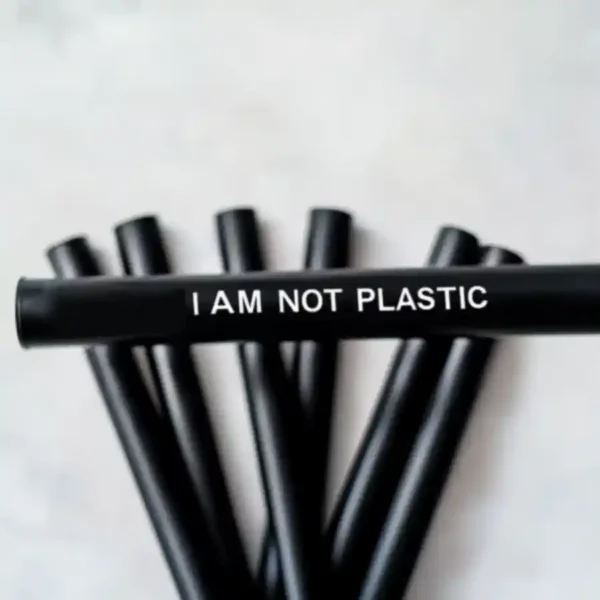
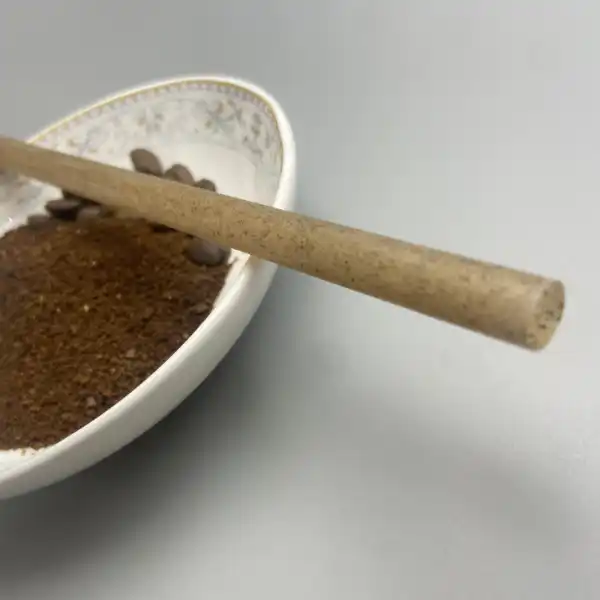
As businesses increasingly prioritize environmental responsibility, pailles de canne à sucre have emerged as a game-changing solution that bridges eco-conscious operations with agricultural innovation. Made from Bagasse de canne à sucre—a fibrous byproduct of sugar production—these straws reduce waste while creating new revenue streams for farming communities. This article explores how sugarcane straws support sustainable agriculture, benefiting ecosystems, economies, and businesses alike.
The Link Between Sugarcane Straws and Sustainable Farming
Transforming Agricultural Waste into Opportunity
Sugarcane processing generates 25-30% bagasse residue, historically burned or discarded. Today, this biomass is repurposed into pailles de canne à sucre compostables, preventing over 1,200 metric tons of CO₂ emissions annually from open-field burning. This shift not only reduces environmental harm but also boosts farmer incomes.
Étude de cas : A Brazilian cooperative increased farmer earnings by 18% by selling bagasse to straw manufacturers instead of incinerating it, showcasing the économie circulaire in action.

Promoting Soil Regeneration
Farmers in bagasse-recycling programs adopt regenerative agriculture practices, enhancing soil health:
- Returning nutrient-rich ash from controlled biomass processing to fields.
- Reducing synthetic fertilizer use via closed-loop systems.
- Implementing crop rotation to maintain soil biodiversity.
Source: Sustainable Packaging Institute
Conserving Water Resources
Sugarcane requires 30% less irrigation than wood pulp used for paper straws, easing pressure on freshwater resources in key growing regions like India and Southeast Asia, which produce 70% of global sugarcane.

Business Advantages of Sugarcane Straws
Rentabilité
| Straw Type | Cost per Unit (Bulk) | Temps de décomposition |
|---|---|---|
| Plastique | 0,01 $ | 450+ years |
| Papier | 0,03 $ | 2-6 semaines |
| PLA (à base de maïs) | $0.05 | 6-12 mois |
| Canne à sucre | $0.04 | 60-90 jours |
Data sourced from 2024 industry reports
Key Savings:
- Restaurants switching to sugarcane straws save 22% annually compared to paper due to lower replacement rates.
- Bulk orders (5,000+ units) reduce costs to $0.025-$0.03 per straw.
Durabilité et performances
Sugarcane straws outperform many alternatives:
- Withstand temperatures from -40°F to 248°F without sogginess.
- Maintain integrity for over 12 hours in liquids, compared to paper’s 45-minute limit.
- Boba-compatible 12mm versions handle thick smoothies and teas.

Implementation Strategies for Businesses
Partner with Certified Suppliers
Choose suppliers with:
- ISO 14001 Certification: Ensures ethical sourcing.
- Proven sustainability credentials.
Image de marque personnalisée
Laser-engrave logos or use food-safe dyes for branding (minimum order: 10,000 units), enhancing your eco-friendly image.
Bulk Discounts
Suppliers like NatureBioEco offer tiered pricing starting at 10,000 units, dropping costs significantly.
Éduquer les clients
“We display signage explaining how our straws support Filipino sugarcane farmers. Eco-menu item sales rose 37% post-implementation.” – Café Verde Owner, Madrid
Streamline Composting
Simplify waste management:
- Use bins labeled “Sugarcane Straws Only” for easy sorting.
- Partner with local compost facilities offering free pickup for organic waste.
Questions fréquemment posées
Are sugarcane straws stronger than paper?
Yes – internal testing shows they withstand 3x more pressure before tearing compared to premium paper straws.
How do costs compare long-term?
While pricier upfront than plastic, businesses save $580+ annually per location by avoiding single-use plastic bans and fines.
Can I get custom-sized straws for specialty drinks?
Yes – most suppliers offer 6mm (cocktails), 8mm (standard), and 12mm (boba) diameters.
Quelle est la durée de conservation des pailles de canne à sucre ?
18-24 months in sealed packaging, far exceeding paper’s 6-month limit.
Take Action Toward Zero-Waste Operations
Sugarcane straws deliver a triple win: enhancing brand reputation through sustainability, cutting long-term costs with durable design, and supporting farming communities globally.
Étape suivante : Request free samples from NatureBioEco to test their performance with your menu—no obligation required.
Contact our team today for bulk pricing and custom branding options.