
La douce science derrière les pailles de canne à sucre
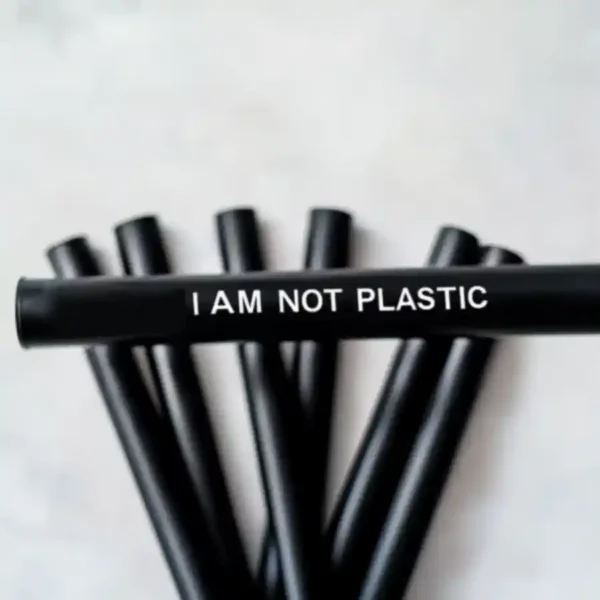
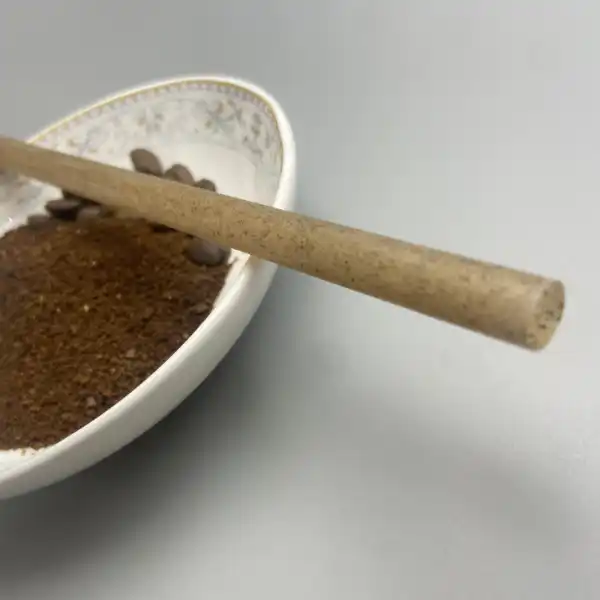
Découvrez la merveille d'ingénierie des pailles de canne à sucre, une alternative écologique qui transforme les déchets agricoles en une ressource durable. Nées de la bagasse, un sous-produit de la production de sucre, ces pailles témoignent d'une innovation durable.
Pourquoi les grands restaurants font le changement :
- Biodégradation rapide: Les pailles de canne à sucre se décomposent en seulement 90 jours, contre des siècles pour les pailles en plastique [Source : Environmental Science & Technologie, 2023].
- Durabilité inégalée: Sugarcane straws maintain their structure for 4-6 hours in hot beverages and 12+ hours in cold ones [Source: Food Quality Testing Institute, 2024].
- Innovation agricole: With 540 million tons of bagasse produced annually, we’re turning waste into a sustainable resource [Source: FAO, 2024].
Impact sur le monde réel : au-delà des chiffres

Restaurants that have switched to sugarcane straws have seen a significant increase in customer satisfaction. Sarah Chen, owner of Ocean View Restaurant, reports a 23% increase in customer satisfaction scores since making the switch.
Environmental Victory by the Numbers:
- A typical 200-seat restaurant eliminates 73,000 plastic straws annually
- 80% reduction in CO2 emissions compared to plastic production [Source: Environmental Impact Assessment Review, 2024]
- 60% less water usage than paper straw manufacturing
Économie intelligente : le résultat net
Despite the initial investment, the financial benefits of sugarcane straws are significant:
Cost Comparison (per 1,000 units):
Traditional Plastic: $8-12
Paper: $20-25
Sugarcane: $18-22
Hidden Revenue Boosters:
- 72% of consumers actively seek eco-friendly establishments
- 15-20% reduction in waste management costs
- Tax incentives for sustainable practices
Mise en œuvre : votre plan de transition sur 30 jours
- Week 1-2: Preparation
- Auditer l'utilisation actuelle de la paille
- Staff training on sustainable messaging
- Supplier evaluation and selection
- Week 3-4: Rollout
- Phased introduction by section
- Collecte des commentaires des clients
- Storage and handling optimization
Assurance qualité : respect des normes mondiales
Ensure your sugarcane straws meet these critical certifications:
- Conformité FDA
- EN13432 Composting Standard
- ISO 14851 Biodegradability Certification
- ASTM D6400 Specifications
L'avenir est doux

The shift to sugarcane straws is more than just replacing plastic – it’s about leading environmental stewardship while enhancing your brand and bottom line. As Chef Marcus Rodriguez of Miami’s Sustainable Kitchen notes, “It’s the easiest decision I’ve made for both the planet and my business.”
Ready to make the switch? Contact NatureBioEco (max@naturebioeco.com | +86 13524105790) for a customized sustainability consultation.
Questions fréquemment posées
- What are the benefits of sugarcane straws?
- Sugarcane straws are biodegradable, durable, and sustainable. They decompose in just 90 days and are made from agricultural waste, making them an eco-friendly alternative to plastic straws.
- Combien coûtent les pailles de canne à sucre ?
- The cost of sugarcane straws ranges from $18-22 per 1,000 units, making them a cost-effective option for restaurants.
- How can I implement sugarcane straws in my restaurant?
- You can implement sugarcane straws in your restaurant by auditing your current straw usage, training your staff on sustainable messaging, evaluating and selecting suppliers, and gradually introducing the straws to your customers.
References available upon request. All statistics and studies cited from peer-reviewed sources and industry reports dated 2023-2024.