Introduction
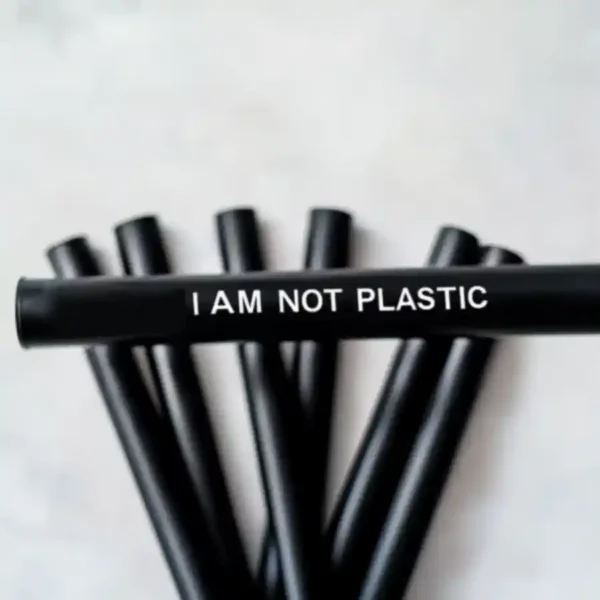
La pollution plastique est devenue l’un des problèmes environnementaux les plus urgents de notre époque. Avec des millions de pailles en plastique utilisées quotidiennement, leur impact sur nos océans et notre faune est stupéfiant. À mesure que la prise de conscience grandit, le besoin d’alternatives durables devient de plus en plus urgent. Ce guide vise à explorer diverses options de pailles recyclables, en examinant leurs matériaux et leurs impacts environnementaux pour aider les consommateurs à faire des choix éclairés.

1. Comprendre les matériaux en paille
1.1 Pailles en plastique
Les pailles en plastique sont principalement fabriquées à partir de polypropylène, un type de plastique connu pour sa durabilité et son faible coût. Bien que techniquement recyclable, la réalité est plus compliquée. De nombreuses installations de recyclage n'acceptent pas les pailles en plastique en raison de leur petite taille, ce qui les amène souvent à passer dans les machines de tri. De plus, la contamination par les aliments ou les boissons peut entraver le processus de recyclage. Par conséquent, la plupart des pailles en plastique finissent dans les décharges, où elles peuvent mettre des centaines d’années à se décomposer, contribuant ainsi au problème croissant de la pollution plastique dans notre environnement.

1.2 Pailles en papier
Fabriquées à partir de matériaux issus de sources durables, les pailles en papier ont gagné en popularité en tant qu'alternative écologique au plastique. Ils sont biodégradables et peuvent se décomposer relativement rapidement une fois compostés. Cependant, leur recyclabilité est limitée ; de nombreuses installations de recyclage n’acceptent pas les produits en papier contaminés par des aliments. De plus, comme les pailles en papier absorbent les liquides, elles peuvent ne pas être adaptées au recyclage si elles deviennent détrempées ou tachées. Bien qu’elles constituent une meilleure option que les pailles en plastique, les consommateurs doivent être conscients de ces limites lorsqu’ils choisissent des pailles en papier.
1.3 Pailles en bambou
Les pailles en bambou offrent une option durable et réutilisable, à la fois écologique et élégante. Fabriquées à partir de bambou biologique, ces pailles sont biodégradables et peuvent être réutilisées plusieurs fois avant de devoir être jetées. Le cycle de vie des produits en bambou contribue positivement à la réduction des déchets puisque le bambou pousse rapidement et nécessite un minimum de ressources par rapport aux cultures traditionnelles. En choisissant des pailles en bambou, les consommateurs peuvent profiter de leurs boissons tout en soutenant des pratiques durables. Découvrez nos options de paille de bambou.

1.4 Pailles PLA
Les pailles d'acide polylactique (PLA) sont fabriquées à partir de matières végétales renouvelables telles que la fécule de maïs ou la canne à sucre. Ces pailles offrent une expérience similaire au plastique traditionnel tout en étant compostables dans des conditions industrielles. Lorsqu'elles sont éliminées correctement dans une installation de compostage commerciale, les pailles PLA peuvent se décomposer en quelques mois, restituant les nutriments au sol sans laisser de résidus nocifs. Par rapport aux plastiques traditionnels, les pailles PLA présentent une option plus durable pour les consommateurs cherchant à minimiser leur impact environnemental. Découvrez nos offres de pailles PLA.
1,5 pailles PHA
Les polyhydroxyalcanoates (PHA) représentent une approche innovante de la production durable de paille. Dérivées de sucres végétaux fermentés par des bactéries, les pailles PHA sont entièrement biodégradables et peuvent se décomposer dans divers environnements, y compris les milieux marins. Cela en fait une alternative intéressante pour les consommateurs préoccupés par l’impact environnemental des plastiques à usage unique. À mesure que la technologie PHA progresse, nous pourrions assister à une disponibilité accrue sur le marché et à des applications pour ces pailles écologiques.

1.6 Pailles en fibres de canne à sucre
La fibre de canne à sucre est un autre matériau durable utilisé pour produire des pailles. Ces pailles sont fabriquées à partir des résidus fibreux laissés après l'extraction du sucre et sont à la fois compostables et biodégradables. L’utilisation de fibres de canne à sucre contribue à réduire les déchets en réutilisant des sous-produits qui autrement resteraient inutilisés. De plus, la canne à sucre est une ressource renouvelable qui contribue positivement à l’absorption du carbone au cours de son cycle de croissance. Découvrez nos pailles en canne à sucre.
1.7 Pailles à marc de café
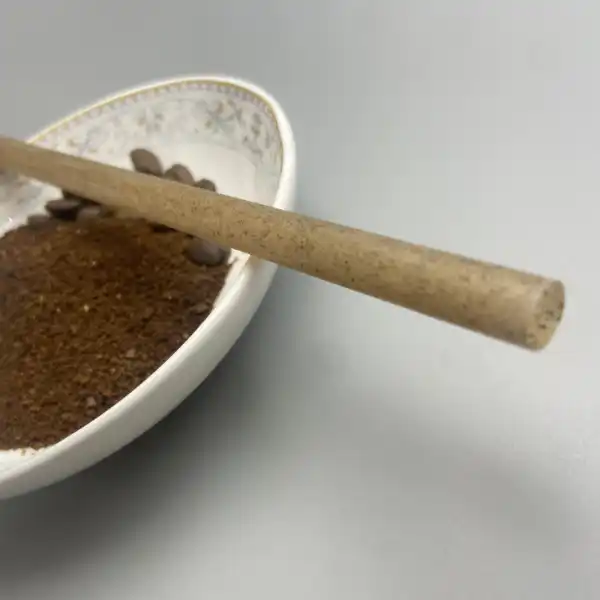
Une option innovante dans la production de paille consiste à utiliser le marc de café comme matière première. Ces pailles uniques aident non seulement à réduire les déchets en réutilisant le marc de café jeté, mais offrent également des avantages en matière de biodégradabilité et de durabilité. Les pailles de marc de café possèdent des propriétés naturelles qui les rendent durables tout en offrant une texture intéressante pour siroter des boissons. À mesure que cette technologie se développe, les pailles à marc de café pourraient trouver des applications plus larges dans les cafés et les restaurants. En savoir plus sur les pailles à marc de café.
2. L'importance du recyclage et du compostage

2.1 Les défis du recyclage
Le recyclage des pailles en plastique présente des défis spécifiques qui entravent les efforts efficaces de gestion des déchets :
- Problèmes de tri: La petite taille et la légèreté des pailles en plastique les amènent souvent à se coincer dans les machines de recyclage.
- Contamination: Les résidus alimentaires sur les pailles en plastique usagées peuvent empêcher leur recyclage correct.
Ces défis ont pour conséquence que la plupart des pailles en plastique sont envoyées dans des décharges plutôt que d'être recyclées efficacement.
2.2 Avantages du compostage
Le compostage constitue une excellente alternative aux matériaux biodégradables comme le papier ou les pailles en PLA :
- Retour de nutriments: Le compostage permet aux matières organiques de se décomposer en amendements de sol riches en nutriments bénéfiques pour la santé des plantes.
- Réduction des déchets mis en décharge: En compostant au lieu de jeter les produits biodégradables, nous pouvons diminuer considérablement le volume de déchets envoyés aux décharges.
3. Faire des choix écologiques
3.1 Sélection d'alternatives durables
Les consommateurs peuvent avoir un impact positif en choisissant des options de paille durables :
- Pailles réutilisables: Les pailles en métal ou en silicone offrent une solution durable qui minimise les déchets.
- Opter pour des matériaux compostables: Lorsque l'usage unique est nécessaire, sélectionner des options compostables comme le PLA ou le papier permet de réduire l'impact environnemental.
- Éviter les pailles en plastique traditionnelles: Compte tenu de leurs conséquences environnementales négatives et des défis de recyclage, il est préférable de rechercher des alternatives autant que possible.

4. Conclusion
En résumé, l’exploration des options de pailles recyclables révèle une variété de matériaux ayant des implications environnementales distinctes. Alors que les pailles en plastique traditionnelles posent d'importants problèmes de recyclage et contribuent à la pollution, des alternatives comme le papier, le bambou, le PLA, le PHA, la fibre de canne à sucre et le marc de café offrent des solutions plus durables.
À mesure que les consommateurs deviennent plus conscients de leurs choix, il est crucial de prendre en compte l’impact environnemental des produits du quotidien comme les pailles. En prenant des décisions éclairées concernant les matériaux en paille et en adoptant des pratiques respectueuses de l'environnement dans la vie quotidienne, comme l'utilisation d'options réutilisables ou compostables, nous pouvons travailler collectivement à réduire les déchets et à protéger notre planète pour les générations futures.
Faisons le changement aujourd’hui ! Choisissez des options de pailles écologiques qui correspondent à vos valeurs et contribuent positivement à l’environnement !
Citations :
[1] https://shopequo.com/blogs/blog/how-to-dispose-of-plastic-straws
[2] https://www.torisegroup.com/n1897966/The-Amazing-Benefits-of-Using-Compostable-Straws-for-Your-Health-and-the-Planet.htm
[3] https://www.rainbowrecycling.org/are-plastic-straws-recyclable/
[4] https://www.recycleannarbor.org/a-z-recycling-guide/plastic-straw
[5] https://www.sandia.org/sandia-area-blog/the-impact-of-reusable-and-biodegradable-straws
[6] https://greenpaperproducts.com/blog/types-of-drinking-straws-sizes-uses-and-eco-friendliness
[7] https://www.solinatra.com/news/compostable-biodegradable-straws
[8] https://renouvo.net/biodegradable-compostable/are-biodegradable-straws-better-for-the-environment/