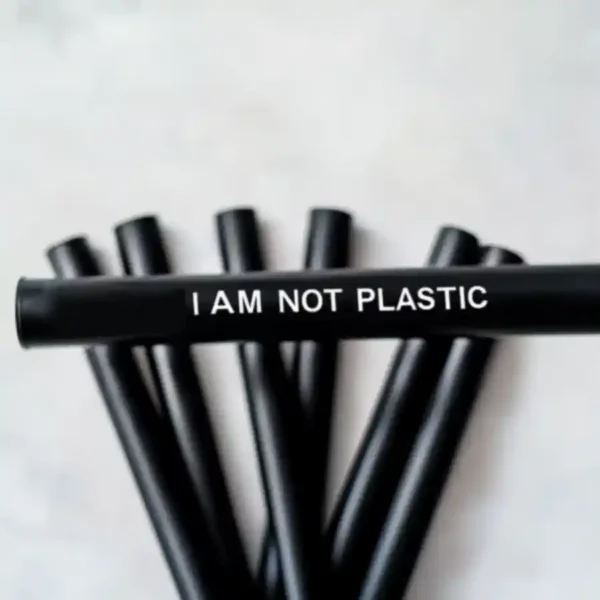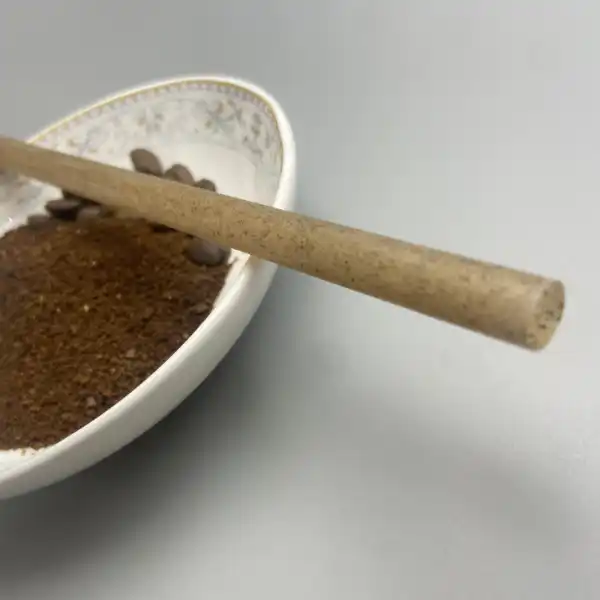
Plastic straws are drowning our planet. With over 360 million plastic straws used daily worldwide, these single-use items clog landfills, poison oceans, and fragment into microplastics that invade our food chain. But a quiet revolution is brewing—one powered by an unlikely hero: pailles de canne à sucre. Made from agricultural waste, these straws promise sustainability without sacrificing performance. Let’s explore why businesses and consumers are switching to sugarcane straws and how they’re reshaping the future of eco-friendly dining.

🔗 Read the Complete Sugarcane Drinking Straws Guide
1. The Plastic Straw Crisis: Why Change Is Urgent
- Shocking stats: Plastic straws account for 4% of ocean plastic pollution, harming over 1 million seabirds et 100,000 marine animals annually.
- Microplastic menace: A 2023 study found microplastics in 90% of bottled water et 83% of tap water samples globally.
- Policy pressure: Over 130 countries have enacted full or partial Interdictions de paille en plastique, including the UE, Canada et Australie.
🔗 Comparing Sugarcane Straws vs. Paper & Paies en plastique
2. What Are Sugarcane Straws? From Waste to Wonder
Sugarcane straws are crafted from bagasse—the fibrous residue left after extracting juice from sugarcane. Traditionally burned as waste, bagasse is now repurposed through a low-energy process:
- Récolte: Residual fibers collected from sugar mills.
- Cleaning & Sterilization: High-pressure steam removes impurities.
- Moulage: Fibers pressed into straw shapes at 150°C, requiring no adhesives.
- Polishing: Natural wax coating for a smooth texture.
🔗 What Are Sugarcane Straws? Learn More

3. Top 10 Benefits of Sugarcane Straws
🔗 Explore More About the Benefits of Sugarcane Straws
① 100% Biodegradable & Compostable
- Breakdown timeline:
- Industrial composting: 45 jours (vs. 200+ years for plastic).
- Home composting: 3–6 months (chop straws to speed decomposition).
- Certifications: Meets EN13432 (EU compostability) and ASTM D6400 (US standards).
🔗 Comment sont fabriquées les pailles de canne à sucre
② Durable Performance
- Lab-tested endurance:
- 4+ heures in liquids (vs. 30 minutes for paper straws).
- Withstands temperatures from -20°C to 120°C (ideal for hot coffee or frozen smoothies).
🔗 Que sont les pailles de canne à sucre ?
③ Plastic Waste Reduction
- Impact math: A café using 500 daily straws can prevent 182,500 plastic straws/year from entering landfills.
🔗 Comparing Sugarcane Straws vs. Paper & Paies en plastique
④ Non-Toxic & Food-Safe
- Free from: BPA, phthalates, PFAS, and chemical coatings.
- Certifications: FDA-compliant, EU Regulation 10/2011.
🔗 FAQ : Tout sur les pailles de canne à sucre
⑤ Cost-Effective for Businesses
Pricing comparison (10,000 units):
| Matériel | Coût | Durabilité | Reorder Frequency |
|---|---|---|---|
| Plastique | 8 $ | Haut | Monthly |
| Papier | 10 $ | Faible | Weekly |
| Canne à sucre | 12 $ | Haut | Bi-monthly |
💡 Savings tip: Bulk orders reduce costs by up to 30%.
🔗 Order Sugarcane Straws in Bulk

⑥ Branding Power
Customization options:
- Laser-engraved logos (min. order: 50 000 unités).
- Plant-based dyes (Pantone color matching).
- Success story: Bubble tea chain Gong Cha saw a 22% social media engagement boost after switching to branded sugarcane straws.
🔗 How Businesses Can Use Sugarcane Straws for Branding
⑦ Supports Circular Economy
- Waste-to-value model: Uses 8 million tons/year of discarded bagasse.
- Farm impact: Sugarcane crops absorb 20 tons of CO₂ per hectare annually.
🔗 Sustainability of Sugarcane Straws
⑧ Zero-Waste Compatibility
Disposal guide:
✔️ Bac à compost domestique (cut into pieces).
✔️ Industrial compost facility.
✔️ Organic waste collection.
❌ Recycling bins (not required).
🔗 How to Properly Dispose of Sugarcane Straws
⑨ Ethical Sourcing
- Fair Trade Certified™: Ensures farmers earn 15–20% higher income.
- Blockchain tracing: Brands like GreenPrint allow consumers to scan QR codes for farm-to-straw journey details.
🔗 Transparency in Sugarcane Sourcing
⑩ Future-Proof Compliance
- Bans coming in 2024: Mexico, Thailand, and New Zealand.
- Corporate ESG benefits: Companies using sugarcane straws score 35% higher on sustainability indices like CDP.
🔗 Plastic Ban Compliance: Sugarcane Straws as a Solution
4. Sugarcane vs. Alternatives: A Data-Driven Comparison
| Critères | Canne à sucre | Papier | Bambou | Métal |
|---|---|---|---|---|
| Temps de décomposition | 45 jours | 60 days | 1+ year | Never |
| Coût pour 1 000 | 12 $ | 10 $ | $150 | $1,200 |
| Réutilisabilité | Single-use | Single-use | 50+ uses | 1,000+ uses |
| Taste Transfer | None | Cardboard | Earthy | Metallic |
| Empreinte carbone | 0.5 kg CO₂ | 0.7 kg CO₂ | 2.1 kg CO₂ | 8.4 kg CO₂ |
5. Overcoming Challenges: Practical Solutions
Challenge 1: Limited Composting Infrastructure
✅ Solution: Partner with services like Terracycle ou CompostNow for collection.
Challenge 2: Consumer Misconceptions
✅ Mythe: “Biodegradable = Littering is OK.”
✅ Fix: In-store campaigns like “Compost Me!” to educate customers.
🔗 How to Educate Consumers on Sugarcane Straw Disposal
6. Where to Buy Sugarcane Straws: A Curated Guide
Supplier Checklist
✅ Certifications: FSC, B Corp, ISO 14001.
✅ MOQ: ≤10,000 units for small businesses.
✅ Lead time: <4 weeks.
🔗 Find Trusted Suppliers for Sugarcane Straws

7. The Future Is Sweet: Innovations Ahead
- 3D-printed sugarcane cutlery: MIT researchers developed spoons that decompose in 60 days.
- Edible straws: Infused with flavors like mint or chocolate (pilot by Loliware).
- Carbon-negative production: New methods capture 2x more CO₂ than emitted.
🔗 The Future of Sugarcane-Based Products
8. Conclusion: Sip Sustainably, Lead the Change
Sugarcane straws aren’t just a trend—they’re a tangible solution to plastic pollution. They help businesses reduce waste, build customer loyalty, and comply with plastic bans.
🌱 Prêt à faire le changement ?
🔗 🚀 Commandez des pailles de canne à sucre maintenant
9. Frequently Asked Questions (FAQ)
1️⃣ How long do sugarcane straws take to decompose?
✅ In industrial composting: 45 jours. In home composting: 3-6 mois.
2️⃣ Can sugarcane straws be reused?
✅ Yes! Sugarcane straws are sturdy enough for 2-3 uses before composting.
3️⃣ Are sugarcane straws safe for hot drinks?
✅ Absolutely! Sugarcane straws withstand temperatures up to 120°C.
4️⃣ Do sugarcane straws alter the taste of beverages?
✅ No, they are tasteless and odor-free.
🔗 FAQ : Tout sur les pailles de canne à sucre
10. Conclusion: Sip Sustainably, Lead the Change
Sugarcane straws aren’t just a trend—they’re a tangible solution to plastic pollution. They help businesses reduce waste, build customer loyalty, and comply with plastic bans.
🌱 Prêt à faire le changement ?
🔗 🚀 Commandez des pailles de canne à sucre maintenant