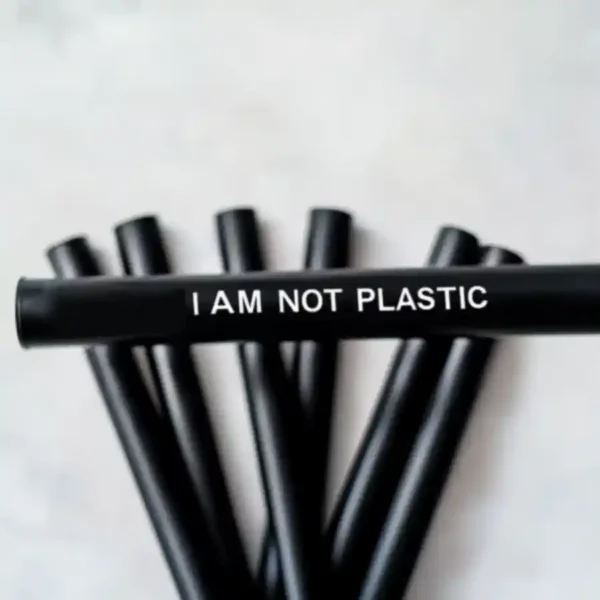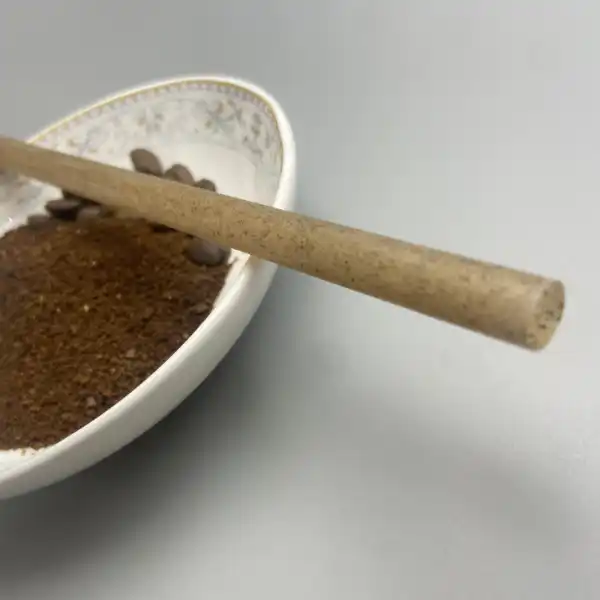
Pailles à café écologiques : solutions B2B pour des entreprises durables

Interdiction du plastique et pailles de café durables pour les entreprises soucieuses de l'environnement

Imaginez ceci : c’est un lundi matin chargé à votre hôtel ou café. La file de clients s’étend devant la porte, attendant tous leur café du matin. Une femme d'affaires s'approche du comptoir, commande son café au lait habituel, puis s'arrête pour demander : « Utilisez-vous des pailles en plastique ? Lorsque votre barista lui tend une alternative écologique, son visage s'illumine d'approbation avant de rejoindre les autres clients satisfaits.
Ce scénario se produit de plus en plus fréquemment dans le monde entier, à mesure que la sensibilisation des consommateurs aux plastiques à usage unique continue de croître. La modeste paille en plastique, autrefois considérée après coup dans les opérations de restauration, est devenue un symbole puissant dans le mouvement de développement durable. Selon le Programme des Nations Unies pour l'environnement, plus de 500 millions de pailles en plastique sont jetées chaque jour rien qu'aux États-Unis ; la plupart sont utilisées pendant moins de 20 minutes mais persistent dans notre environnement pendant des siècles.
Pour les entreprises avant-gardistes, l’abandon des pailles en plastique ne consiste pas seulement à se conformer aux réglementations émergentes : il s’agit également de répondre aux attentes changeantes des clients et de positionner votre marque comme étant respectueuse de l’environnement.
Découvrez des pailles à café durables pour les entreprises soucieuses de l'environnement qui peuvent vous aider à traverser cette transition en douceur tout en améliorant vos références en matière de développement durable. Ces produits innovants offrent les fonctionnalités attendues par vos clients tout en s’alignant sur vos valeurs environnementales.
Ce qui rend les pailles à café durables particulièrement attrayantes pour les entreprises, c'est leur polyvalence. Que vous dirigiez une chaîne d'hôtels-boutiques, un réseau de cafés animé ou un service de restauration d'entreprise, ces alternatives respectueuses de l'environnement peuvent être intégrées de manière transparente à vos opérations sans compromettre l'expérience client. Ils maintiennent l’intégrité structurelle nécessaire aux boissons chaudes tout en offrant la tranquillité d’esprit de savoir que votre entreprise réduit son empreinte environnementale.
La vague croissante d’interdictions de pailles en plastique sur les principaux marchés – de la Californie à l’Union européenne – signifie que trouver une alternative fiable et conforme n’est pas seulement une question d’éthique ; ce sont de bonnes affaires. En adoptant de manière proactive des solutions durables avant que les réglementations ne vous imposent la main, vous positionnez votre entreprise en avance sur la courbe et évitez la ruée qui accompagne les efforts de conformité de dernière minute.
Conformité réglementaire : certifications pour les pailles de café durables

Dans le paysage réglementaire complexe d’aujourd’hui, il ne suffit pas de prétendre que vos produits sont « respectueux de l’environnement », en particulier pour les entreprises opérant dans plusieurs juridictions. Comprendre le paysage de la certification des pailles de café durables peut éviter à votre entreprise des problèmes de conformité et des sanctions potentielles.
Le FDA La certification est peut-être la référence la plus importante pour tout produit entrant en contact avec des aliments sur le marché américain. Les pailles à café compostables certifiées par la FDA doivent subir des tests rigoureux pour garantir qu'elles ne contiennent aucun produit chimique nocif susceptible de migrer dans les boissons, ce qui les rend sans danger pour l'usage des consommateurs. Saviez-vous que les articles de restauration non conformes peuvent entraîner des amendes allant jusqu'à 100 000 $ par infraction dans certaines juridictions ? Cela fait d’une certification appropriée non seulement un choix environnemental mais aussi une stratégie importante de gestion des risques.
Au-delà de la FDA, les entreprises internationales doivent connaître la certification LFGB (Code allemand des denrées alimentaires, des matières premières et des aliments pour animaux), qui est souvent considérée comme encore plus stricte que les exigences de la FDA. Les produits certifiés LFGB démontrent leur conformité aux normes européennes, ouvrant ainsi les portes au marché lucratif de l’UE.
La certification de compostabilité domestique représente un autre niveau de crédibilité environnementale. Contrairement à la compostabilité industrielle (qui nécessite des installations commerciales à haute température), les pailles compostables domestiques se décomposent dans les conditions de compostage de la cour en 180 jours, ne laissant aucun résidu toxique.
Apprenez-en davantage sur les pailles à café écologiques pour les entreprises vertes qui répondent à ces normes de certification rigoureuses, garantissant que votre entreprise reste conforme sur différents marchés.
Pour les chaînes hôtelières et les franchises réparties dans plusieurs régions, s’adapter à ces différentes normes peut s’avérer particulièrement difficile. Travailler avec un fournisseur qui comprend le paysage réglementaire mondial et peut fournir des produits certifiés de manière appropriée pour chaque marché permet d'économiser des efforts administratifs considérables et d'éventuels problèmes de conformité.
Comment les pailles de café durables se comparent aux autres alternatives écologiques

Alors que le marché est inondé d'alternatives « vertes », comment les pailles de café durables se comparent-elles à la concurrence ? Décomposons les considérations pratiques pour les décideurs commerciaux :
| Alternative | Durabilité | Expérience client | Rentabilité | Gestion de fin de vie |
|---|---|---|---|---|
| ————- | ———— | ——————— | ——————- | ———————— |
| Pailles en papier | Faible-Moyen (détrempé en 30 à 60 minutes) | Souvent décevant, affecte le goût de la boisson | Faible coût initial, taux de remplacement élevé | Recyclable, compostable |
| Paies PLA | Moyen-élevé | Similaire au plastique | Moyen | Compostable industriellement uniquement |
| Pailles de canne à sucre | Haut | Goût neutre, maintient l'intégrité | Moyen-élevé | Compostable à la maison |
| Pailles en bambou | Très élevé | Texture distinctive, réutilisable | Investissement initial élevé | Réutilisable, biodégradable |
| Pailles métalliques | Extrêmement élevé | Conducteur de température, nécessite un nettoyage | Coût initial le plus élevé | Réutilisable indéfiniment, les défis du recyclage |
Votre guide B2B ultime sur les pailles de canne à sucre propose des solutions durables qui fournissent des comparaisons détaillées pour vous aider à prendre une décision éclairée pour votre entreprise.
Une statistique intéressante : une enquête sectorielle de 2021 a révélé que 78 % des entreprises de restauration qui sont passées des pailles en papier aux pailles à base de plantes ont signalé moins de plaintes de clients concernant les performances de la paille.
Pour les cafés spécialisés, où l'expérience sensorielle est primordiale, le profil gustatif neutre des pailles durables de haute qualité présente un avantage significatif par rapport aux alternatives en papier, qui peuvent conférer un goût de papier et modifier les profils aromatiques soigneusement élaborés des boissons haut de gamme.
Les chaînes hôtelières proposant un service au bord de la piscine sont confrontées à des défis supplémentaires, car les pailles doivent résister à une utilisation prolongée dans les boissons froides par temps ensoleillé. L’intégrité structurelle des options durables telles que les pailles de canne à sucre les rend particulièrement adaptées à ces environnements exigeants, où les alternatives au papier se détériorent rapidement.
Les entreprises doivent également tenir compte des exigences de stockage. Contrairement à certaines alternatives qui nécessitent des conditions de stockage spéciales pour maintenir leur intégrité, les pailles durables de qualité ont généralement une stabilité de conservation comparable à celle des produits en plastique conventionnels, minimisant ainsi les ajustements opérationnels.
Principaux avantages commerciaux du passage aux pailles à café durables

Au-delà des considérations environnementales, il existe des raisons commerciales impérieuses de passer aux pailles à café écologiques. Explorons les avantages tangibles auxquels votre entreprise peut s’attendre :
**Perception améliorée de la marque** : selon une enquête mondiale Nielsen de 2022, 73 % des consommateurs modifieraient certainement ou probablement leurs habitudes de consommation pour réduire l'impact environnemental. En s'engageant visiblement dans des pratiques durables grâce à des pailles respectueuses de l'environnement, votre entreprise signale ses valeurs à une base de consommateurs de plus en plus conscients.
**Fidélisation et acquisition de clients** : les entreprises qui font preuve de responsabilité environnementale attirent et fidélisent des clients qui partagent ces valeurs. Les pailles à café écologiques offrent des solutions durables pour les cafés cela peut aider à différencier votre établissement sur un marché concurrentiel.
**Opportunités de marketing** : vos choix durables créent des opportunités de narration authentiques sur tous les canaux de marketing. Des tentes de table mettant en valeur vos pailles compostables aux campagnes sur les réseaux sociaux présentant vos initiatives environnementales, ces produits offrent une preuve tangible de votre engagement en faveur du développement durable.
**Préparation à la réglementation** : avec l'expansion de l'interdiction de la paille en plastique à l'échelle mondiale, une adoption précoce protège vos entreprises des transitions forcées perturbatrices. Être proactif plutôt que réactif permet une mise en œuvre réfléchie et une formation du personnel.
**Gestion des coûts** : Bien que les pailles durables entraînent généralement un coût unitaire plus élevé que le plastique conventionnel, une analyse globale des coûts révèle des considérations supplémentaires. De nombreuses entreprises signalent une réduction de leur consommation de paille après avoir opté pour des alternatives durables : les clients qui pourraient automatiquement prendre une paille en plastique choisissent souvent consciemment s'ils ont besoin d'une version écologique. Ce changement de comportement peut réduire l’utilisation globale de 20 à 30 %, compensant en partie le coût unitaire plus élevé.
**Résilience de la chaîne d'approvisionnement** : alors que les plastiques à base de pétrole sont confrontés à une pression réglementaire croissante, leurs chaînes d'approvisionnement pourraient être perturbées. L'établissement de relations avec des fournisseurs de produits durables renforce désormais votre résilience opérationnelle face aux futurs défis d'approvisionnement.
Pour les entreprises multisites, la mise en œuvre de programmes de paille durable crée également une cohérence opérationnelle au sein de votre marque, garantissant que les clients bénéficient de la même expérience respectueuse de l'environnement, quel que soit l'emplacement qu'ils visitent.
Impact environnemental : pourquoi les pailles de café durables gagnent

Les avantages environnementaux de la transition vers des pailles de café durables vont bien au-delà de la simple suppression du plastique de vos opérations. Examinons en détail les avantages écologiques :
**Empreinte carbone réduite** : selon une étude d'évaluation du cycle de vie réalisée en 2023, les pailles végétales de haute qualité peuvent réduire les émissions de carbone jusqu'à 80 % par rapport aux alternatives plastiques à base de pétrole. Cette réduction significative s’explique à la fois par le caractère renouvelable de leurs matières premières et par leur processus de décomposition en fin de vie, qui libère moins de gaz à effet de serre que la production et l’élimination des plastiques conventionnels.
** Biodégradabilité dans des conditions réelles ** : alors que de nombreux produits prétendent être biodégradables, les pailles de café véritablement durables se décomposent complètement dans des conditions de compostage domestique – aucune installation industrielle n'est nécessaire. Les pailles à cocktail écologiques pour boissons offrent des solutions en vrac B2B qui se décomposent naturellement en 90 à 180 jours et retournent dans le sol sans laisser de résidus microplastiques.
**Upcycling agricole** : De nombreuses pailles durables utilisent des sous-produits agricoles qui autrement seraient brûlés ou jetés. Cette approche évite non seulement le gaspillage, mais crée également des flux de revenus supplémentaires pour les communautés agricoles, soutenant ainsi les économies rurales tout en résolvant les défis environnementaux.
**Protection du système d'eau** : Contrairement aux pailles en plastique, qui peuvent se frayer un chemin dans les cours d'eau et nuire à la vie marine, les pailles compostables se décomposent naturellement si elles pénètrent accidentellement dans ces écosystèmes. Cette propriété est particulièrement importante pour les entreprises riveraines où même des pratiques prudentes de gestion des déchets ne peuvent pas empêcher complètement les déchets occasionnels emportés par le vent.
L'impact visuel est tout aussi puissant. Lorsque les clients voient votre entreprise utiliser des alternatives visiblement durables, cela crée une impression environnementale immédiate qui s'étend au-delà de la paille elle-même, les encourageant à considérer leurs propres choix de consommation dans d'autres aspects de leur vie.
Étude de cas : Les pailles de café durables réussissent en action

Coastal Hotels Group, une chaîne de taille moyenne comptant 15 propriétés dans des destinations de villégiature, fournit un exemple convaincant de mise en œuvre réussie de pailles de café durables dans une opération complexe.
**Défi** : le groupe a été confronté à des plaintes croissantes de clients concernant les pailles en plastique sur ses plages, ainsi qu'à l'émergence de réglementations locales interdisant les plastiques à usage unique dans trois de ses sites. Leur passage initial aux pailles en papier a suscité des commentaires négatifs de la part des clients, en particulier concernant le service au bord de la piscine, où les pailles se détérioraient avant la fin des boissons.
**Solution** : Coastal Hotels s'est associé à un fournisseur de pailles durables pour mettre en œuvre un programme personnalisé comprenant des pailles végétales hautes performances pour les boissons froides et des pailles à café de plus petit format pour les boissons chaudes. Les pailles de canne à sucre écologiques offrent un choix durable aux entreprises cherche à faire cette transition.
**Mise en œuvre** : plutôt qu'un changement soudain, ils ont procédé à un déploiement progressif sur trois mois, en commençant par leurs propriétés phares. Cette approche a permis la formation du personnel et les ajustements opérationnels avant de s'étendre à tous les sites.
**Résultats** : Après 12 mois, Coastal Hotels a rapporté :
- Réduction de 94 % des déchets de paille plastique dans toutes les propriétés
- Réduction globale de 22 % de l'utilisation de la paille grâce à des pratiques de distribution plus conscientes
- 87 % d’avis clients positifs concernant l’initiative
- 28 000 $ en amendes de conformité évitées dans les municipalités réglementées
- Présenté dans deux magazines de voyage comme un choix d'hôtel respectueux de l'environnement
La métrique la plus impressionnante ? Bien que les pailles durables coûtent 2,8 fois plus cher par unité que leurs précédentes options en plastique, leurs coûts d'approvisionnement ajustés n'ont augmenté que de 14 % en raison de modes d'utilisation plus efficaces et d'une réduction des dépenses de gestion des déchets.
Ce cas démontre comment la mise en œuvre réfléchie de pailles de café durables peut apporter à la fois des avantages environnementaux et des avantages commerciaux lorsqu'elle est correctement exécutée en prêtant attention aux détails opérationnels et à l'expérience client.
Questions fréquemment posées
- Qu’est-ce qui rend les pailles à café « durables » par rapport aux pailles en plastique ordinaires ?
- Les pailles de café durables sont généralement fabriquées à partir de matériaux végétaux renouvelables comme la fibre de canne à sucre, le bambou ou d'autres sous-produits agricoles plutôt que de plastiques à base de pétrole. Ils sont conçus pour se biodégrader naturellement à la fin de leur cycle de vie, souvent dans des conditions de compostage domestique, et retourner dans le sol sans laisser de résidus de microplastiques. Contrairement aux pailles en plastique classiques qui persistent pendant des siècles, les alternatives durables terminent leur cycle de vie en quelques mois.
- Les pailles à café durables sont-elles plus chères que celles en plastique ?
- Sur une base unitaire, oui : les pailles durables coûtent généralement 2 à 3 fois plus cher que les pailles en plastique classiques. Cependant, de nombreuses entreprises constatent que les coûts totaux du programme augmentent de façon moins spectaculaire (souvent de 10 à 15 %) seulement, car le changement conduit fréquemment à des pratiques de distribution plus attentives et à une utilisation globale réduite. La prime est également compensée par la valeur marketing, la bonne volonté des clients et les coûts de conformité évités sur les marchés réglementés.
- Comment puis-je savoir si les pailles durables fonctionneront avec mon menu de boissons spécifique ?
- Les pailles de canne à sucre écologiques constituent un choix durable pour diverses entreprises avec différentes offres de boissons. Pour la plupart des applications de café chaud, les pailles durables fonctionnent parfaitement car elles sont conçues pour maintenir leur intégrité structurelle à haute température. Pour les boissons froides, recherchez des options spécialement conçues pour une utilisation froide prolongée (2 heures et plus). Si votre menu comprend des boissons épaisses comme des smoothies ou du bubble tea, discutez de ces exigences spécifiques avec votre fournisseur pour garantir les options de diamètre et de résistance appropriées.
- Puis-je obtenir une marque personnalisée sur des pailles à café durables ?
- Absolument! La plupart des fournisseurs de qualité proposent des options de personnalisation, notamment des logos imprimés, des couleurs personnalisées et même des emballages personnalisés. Les quantités minimales de commande pour les produits personnalisés commencent généralement autour de 25 000 à 50 000 unités, ce qui rend cette option pratique pour les opérations ou les groupes d'achats de moyenne à grande taille. Le processus de marquage utilise des encres de qualité alimentaire et respectueuses de l’environnement qui ne compromettent pas la compostabilité du produit.
- Comment les clients doivent-ils se débarrasser des pailles durables ?
- Les pailles compostables à domicile peuvent être jetées dans des installations de compostage commerciales, des bacs de compostage domestique ou même avec des déchets ordinaires où elles se biodégraderont beaucoup plus rapidement que les alternatives en plastique. Pour un bénéfice environnemental maximal, encouragez vos clients à composter lorsque cela est possible, mais soyez assuré que même dans des conditions de mise en décharge, les pailles durables correctement certifiées se décomposeront beaucoup plus facilement que les alternatives en plastique.
- Quelle certification dois-je rechercher pour choisir des pailles durables ?
- Recherchez la certification FDA pour la conformité en matière de sécurité alimentaire sur le marché américain et la certification LFGB si vous desservez les marchés européens. En ce qui concerne les références environnementales, la certification de compostabilité domestique est la référence, garantissant que le produit se décomposera dans des conditions naturelles. Ces certifications doivent être clairement indiquées dans la documentation du produit et vérifiées par des organismes de test reconnus.
- Les pailles durables résisteront-elles au café chaud sans devenir détrempées ?
- Les pailles à café durables de qualité sont spécialement conçues pour conserver leur structure dans les boissons chaudes. Contrairement aux pailles en papier de base qui se détériorent rapidement, les options à base de plantes haut de gamme comme celles fabriquées à partir de fibres de canne à sucre peuvent conserver leur intégrité dans les boissons chaudes pendant plus de 2 heures, ce qui est plus que suffisant pour les applications typiques de service de café. Vérifiez toujours les évaluations des boissons chaudes lorsque vous sélectionnez des produits pour vos besoins de service spécifiques.