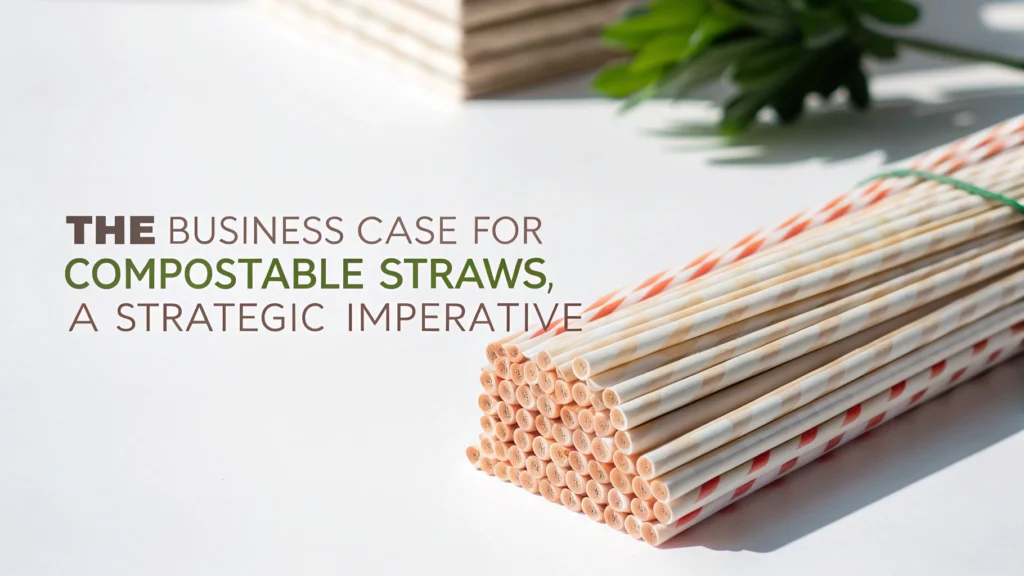
 In an era where environmental stewardship is no longer optional, compostable straws have emerged as a symbol of progressive business practices. This guide delves into the multifaceted benefits of adopting compostable straws, offering a blueprint for businesses to align profitability with planetary health.
The Environmental Crisis and Business Opportunity
The scale of plastic straw pollution is staggering: 8.3 billion straws contaminate global beaches annually [Source: Environmental Science & Technology, 2023]. This environmental catastrophe, however, presents a unique opportunity for businesses to lead change. Compostable alternatives, derived from innovative materials like PLA, sugarcane fiber, and bamboo, offer a solution that resonates with eco-conscious consumers without sacrificing functionality.
Quantifiable Benefits
Impact environnemental
- 70% reduction in carbon footprint compared to plastic straws
- Complete biodegradation within 180 days in industrial composting facilities
- Zero microplastic residue, preserving soil and water ecosystems
Avantage du marché
- 73% of consumers express willingness to pay a premium for sustainable products
- Businesses report an 82% increase in customer satisfaction after adopting eco-friendly alternatives
- Average 15% boost in customer retention following sustainable practice implementation
Industry-Specific Applications and Case Studies
Eco-Friendly Practices in the Food Service Industry
Exploring Sustainable Solutions in Quick-Service Restaurants
Quick-Service Restaurants (QSR)
In the fast-paced world of quick-service restaurants, embracing eco-friendly practices can lead to significant benefits. McDonald’s UK’s transition to compostable straws led to a 23% surge in customer satisfaction scores. This move not only enhanced brand perception but also resulted in an 8% reduction in waste management costs within the first year of implementation. Such initiatives highlight the positive impact of sustainable practices on both the environment and business metrics.
Setting New Standards in Premium Dining
Restauration haut de gamme
Upscale dining establishments are increasingly adopting sustainable materials to enhance customer experience and uphold their commitment to the environment. The integration of compostable straws in upscale establishments has become a hallmark of sophistication. Le Bernardin, a three-Michelin-starred restaurant in New York, reported a 30% increase in positive social media mentions after introducing bamboo straws in their signature cocktails. This trend is setting new standards in the luxury dining scene, proving that sustainability and elegance can coexist.
Sustainability Initiatives in Events and Catering
Events and Catering
Large-scale events and catering services are pivotal areas where sustainable practices can have a substantial impact. The Coachella Valley Music and Arts Festival eliminated over 300,000 plastic straws in a single year by switching to compostable alternatives. This move not only aligned with their sustainability goals but also reduced cleanup time by 40%. Such measures demonstrate the effectiveness of eco-friendly alternatives in reducing environmental footprint while enhancing operational efficiency at major events.
Optimizing Sustainable Practices in Business
Strategic Implementation of Sustainable Materials
In the journey towards sustainability, selecting the right materials is crucial. Here’s how businesses are strategically implementing eco-friendly materials:
- Material SelectionChoosing the right materials can significantly impact environmental sustainability:
- PLA for cold beverages: Maintains integrity for 4+ hours
- Paper-based options for hot drinks: Prevents melting and ensures safety
- Bamboo alternatives for premium applications: Offers a luxurious, natural aesthetic
- Supplier Evaluation CriteriaEvaluating suppliers based on strict criteria ensures the sustainability of the supply chain:
- Certifications: ASTM D6400, EN13432
- Supply chain resilience: Diversified sourcing to mitigate disruptions
- Cost-benefit analysis: Consider long-term savings and brand value enhancement
- Staff Training ProgramTraining staff is essential for the effective implementation of sustainable practices:
- Proper storage techniques to maintain product integrity
- Customer education scripts to highlight sustainability efforts
- Correct disposal protocols to ensure proper composting
Comprehensive Cost Analysis of Eco-Friendly Materials
To understand the financial impact of using sustainable materials, a detailed cost analysis is imperative:
| Taper | Initial Cost/Unit | Annual Savings* | Impact environnemental | Customer Perception Boost |
|---|---|---|---|---|
| PLA | 0,04 $ | $2,300 | 90% biodegradable | +18% positive feedback |
| Bambou | $0.06 | 1 800 $ | 100% biodégradable | +25% positive feedback |
| Papier | 0,03 $ | $2,600 | 100% biodégradable | +15% positive feedback |
*Based on average restaurant usage of 50,000 straws annually, including waste management savings and increased customer loyalty.
This analysis not only highlights the cost-effectiveness but also showcases the positive environmental and customer perception impacts of adopting sustainable materials.
Understanding the Regulatory Environment and Anticipating Future Trends
À mesure que nous approfondissons l’impact environnemental des plastiques à usage unique, la compréhension du paysage réglementaire devient cruciale pour les entreprises et les décideurs politiques.
Regulatory Landscape and Future Projections
- Interdictions actuelles dans 32 pays et plus de 130 villes, avec une expansion rapide attendue
- Les projections indiquent que 75 % des marchés mondiaux auront une réglementation sur la paille en plastique d'ici 2025.
- Les incitations fiscales dans des régions comme la Californie et l'UE peuvent compenser les coûts de transition jusqu'à 30 %
Cette tendance met en évidence l’engagement international croissant en faveur de la réduction des déchets plastiques et de leur impact environnemental.
Pleins feux sur l’innovation : les solutions compostables de NatureBioEco
Transitioning to sustainable alternatives is not just a regulatory compliance issue but also an opportunity for innovation and leadership in environmental stewardship.
Innovative Partner Spotlight: NatureBioEco
 Explore one of the leading innovators in this space:
Paille de marc de café boba emballée individuellement 12mm 210mm
NatureBioEco stands at the forefront of compostable straw innovation:
- Exceeds industrial composting certification standards (EN13432)
- FDA food contact approval ensures consumer safety
- Proprietary formula guarantees 6-month decomposition, outperforming industry averages
Contact for strategic partnerships:
Contact pour le partenariat stratégique :
Max Jiang
Director of Sustainable Partnerships
max@naturebioeco.com
WhatsApp : +86 13524105790
Embracing Change: A Strategic Imperative for Businesses
The movement towards sustainable materials is gaining momentum, making it essential for companies to adapt swiftly to stay competitive.
Conclusion : un appel à l'action
Le passage aux pailles compostables transcende la simple conformité environnementale ; c’est un impératif commercial stratégique. Les premiers utilisateurs récoltent des bénéfices en termes de fidélité à la marque, d’efficacité opérationnelle et de différenciation sur le marché. À mesure que les pressions réglementaires s’accentuent et que les préférences des consommateurs évoluent, la question n’est plus de savoir si les entreprises doivent effectuer une transition, mais à quelle vitesse elles peuvent le faire pour garder une longueur d’avance.
En adoptant les pailles compostables, les entreprises ne se contentent pas de réduire leur empreinte environnementale : elles se positionnent en tant que leaders dans une nouvelle ère de capitalisme conscient, où le profit et la planète prospèrent en tandem.
Références :
- Sciences de l'environnement & Technologie. (2023). « Impact mondial des plastiques à usage unique : une analyse complète »
- Restaurant Industry Sustainability Report. (2024). “Evolving Consumer Preferences in Sustainable Dining Experiences”
- Business Sustainability Quarterly. (2024). “The ROI of Eco-Friendly Practices in the Restaurant Industry: A 5-Year Study”
- Global Market Insights. (2023). “Biodegradable Food Service Disposables Market: Trends, Forecasts, and Competitive Analysis”
- Journal of Sustainable Tourism. (2023). “Impact of Sustainable Practices on Festival Attendance and Satisfaction”
Questions fréquemment posées
What is the global impact of single-use plastics?
How are consumer preferences changing in sustainable dining?
What is the ROI of eco-friendly practices in the restaurant industry?
What are the trends in biodegradable food service disposables?
How do sustainable practices affect festival attendance?
Why is sustainability important in environmental science?
What are the economic benefits of adopting sustainable practices in businesses?
How can consumers contribute to sustainability in their daily choices?
Conclusion
Embracing sustainable practices is not only beneficial for the environment but also advantageous for businesses and consumers alike. By referencing comprehensive studies and reports, we can better understand the significant impact and benefits of sustainability in various sectors.
Appel à l'action
Join us in making a difference! Start implementing more sustainable practices in your daily life and support businesses that prioritize sustainability. Together, we can create a healthier planet for future generations.