Introduction: Understanding the Importance of Eco-Friendly Straws
Exploring the Environmental Impact of Single-Use Plastic Straws
Single-use plastic straws have become a significant environmental problem. They are often used for a few minutes but take hundreds of years to decompose. As a result, they contribute to the growing issue of plastic pollution, harming wildlife and marine ecosystems. Understanding this impact is crucial for motivating individuals and businesses to switch to eco-friendly alternatives.
The Rise of Plastic Pollution and its Consequences
Plastic straws are among the top items found during beach cleanups, indicating their prevalence in our waste streams. They break down into microplastics, which can be ingested by marine animals, leading to injury or death. This pollution also affects human health as microplastics enter the food chain.
Public Awareness and Shifting Consumer Behavior Towards Sustainability
Increasing awareness of plastic pollution has led to a shift in consumer behavior. More people are seeking sustainable alternatives, and businesses are responding by offering eco-friendly products. This growing demand is driving innovation and the development of various sustainable straw options.

Embracing Eco-Friendly Alternatives: The Role of Sustainable Straws
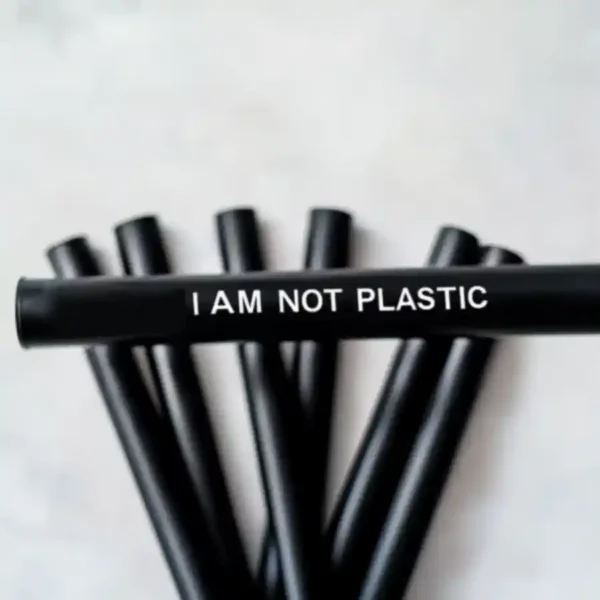
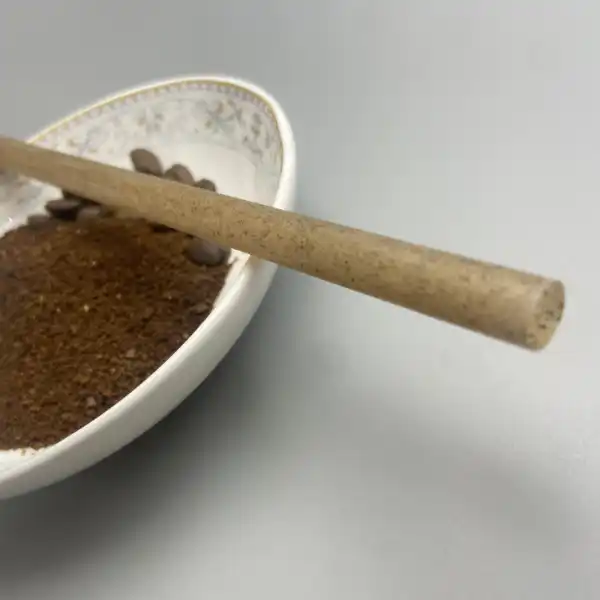
Eco-friendly straws play a vital role in reducing plastic waste. By choosing sustainable materials, individuals and businesses can significantly lower their environmental footprint. These straws are designed to be biodegradable, reusable, or even edible, providing multiple options for different needs and preferences.
Benefits of Adopting Eco-Friendly Straw Options
Switching to eco-friendly straws helps reduce plastic waste, protect marine life, and promote a culture of sustainability. It also supports the market for green products, encouraging further innovation and availability.
Trends in Eco-Conscious Consumer Choices
Consumers are increasingly prioritizing products that align with their values. This trend is evident in the growing market for eco-friendly products, including sustainable straws. Businesses that adopt and promote these products can attract and retain environmentally conscious customers.

Pourquoi choisir des pailles écologiques : avantages et options
Avantages environnementaux des pailles écologiques
Les pailles écologiques offrent plusieurs avantages environnementaux par rapport aux pailles en plastique traditionnelles. Ils contribuent à réduire la quantité de déchets plastiques qui finissent dans les océans et les décharges, minimisant ainsi les dommages causés à la vie marine et aux écosystèmes. En optant pour des matériaux durables comme le bambou, l'acier inoxydable, le verre, le silicone ou le papier, les individus peuvent contribuer à la préservation de l'environnement tout en dégustant leurs boissons préférées sans culpabilité.
Types de matériaux de paille écologiques
- Pailles en bambou: Fabriquées à partir de fibres naturelles de bambou, ces pailles sont biodégradables, renouvelables et durables. Ils offrent un charme rustique et sont idéaux pour les boissons chaudes et froides.
- Pailles en acier inoxydable: Connues pour leur durabilité et leur réutilisabilité, les pailles en acier inoxydable sont parfaites pour une utilisation à long terme. Ils sont faciles à nettoyer, vont au lave-vaisselle et sont disponibles en différentes longueurs et diamètres pour s'adapter à différents types de boissons.
- Pailles en verre: Élégantes et stylées, les pailles en verre offrent une alternative sophistiquée au plastique. Ils sont non toxiques, faciles à nettoyer et résistants aux taches ou aux odeurs. De plus, ils conviennent sans danger aux boissons chaudes comme le café ou le thé.
- Pailles en silicone: Souples et douces au toucher, les pailles en silicone sont idéales pour les personnes ayant les dents sensibles ou les enfants. Ils vont au lave-vaisselle, résistent à la chaleur et peuvent être pliés ou pliés pour un rangement et un transport pratiques.
- Pailles en papier: Compostables et jetables, les pailles en papier offrent une solution durable pour les applications à usage unique. Ils sont disponibles dans une variété de couleurs et de designs, ce qui les rend adaptés aux fêtes, aux événements et aux lieux d'accueil.
- Pailles comestibles: Fabriquées à partir de matériaux comestibles comme le riz, le blé ou les pâtes, les pailles comestibles offrent une façon amusante et innovante de déguster des boissons sans générer de déchets. Ils sont généralement croquants et biodégradables, offrant une expérience de consommation unique.

FAQ : Répondre aux préoccupations courantes concernant les pailles écologiques
- Quels sont les meilleurs matériaux pour des pailles écologiques ?
- Les meilleurs matériaux dépendent des préférences et des besoins individuels. Le bambou, l’acier inoxydable, le verre et le silicone sont des choix populaires en raison de leur durabilité et de leur réutilisation.
- Comment nettoyer et entretenir des pailles écologiques ?
- La plupart des pailles écologiques vont au lave-vaisselle ou peuvent être facilement nettoyées avec une brosse et de l'eau savonneuse. Il est essentiel de bien les sécher après le lavage pour éviter la croissance de moisissures ou de bactéries.
- Y a-t-il des problèmes de santé associés aux matériaux en paille respectueux de l'environnement ?
- Les matériaux de paille écologiques sont généralement sans danger à utiliser. Cependant, les personnes souffrant d’allergies spécifiques doivent être prudentes, notamment lorsqu’elles utilisent des pailles à base de bambou ou de blé.
- Où puis-je acheter des pailles écologiques en gros ?
- Les pailles écologiques sont disponibles en ligne auprès de divers détaillants spécialisés dans les produits durables. De plus, les magasins écologiques locaux ou les magasins zéro déchet peuvent les proposer en gros.
- Quelles sont les différences de coût entre les pailles écologiques et les pailles en plastique ?
- Même si les pailles écologiques peuvent avoir un coût initial plus élevé, leur durabilité et leur réutilisation à long terme en font souvent un choix plus économique que les pailles en plastique à usage unique.
- Comment les entreprises peuvent-elles passer à l’utilisation de pailles écologiques ?
- Les entreprises peuvent passer aux pailles écologiques en recherchant des alternatives durables, en informant les clients sur les avantages et en offrant des incitations à l'utilisation d'options réutilisables.
- Existe-t-il des réglementations ou des certifications pour les produits en paille écologiques ?
- Certains fabricants de pailles écologiques peuvent détenir des certifications ou se conformer à des réglementations spécifiques liées à la durabilité et à l'impact environnemental. Les consommateurs peuvent rechercher des étiquettes telles que « compostable », « biodégradable » ou « approuvé par la FDA » lorsqu'ils achètent des pailles écologiques.

Benefits of Using Eco-Friendly Straws in Various Settings
Eco-Friendly Straws for Individuals
Enhancing Personal Sustainability Practices
Using eco-friendly straws is a simple yet effective way for individuals to enhance their personal sustainability practices. By incorporating these straws into daily routines, people can significantly reduce their plastic waste and contribute to a cleaner environment.
Making Conscious Choices for a Greener Lifestyle
Adopting eco-friendly straws encourages individuals to make more conscious choices in other areas of their lives. This small change can lead to broader environmental awareness and a greater commitment to sustainability.
Eco-Friendly Straws for Businesses
Meeting Corporate Social Responsibility Goals
Businesses can use eco-friendly straws to meet their corporate social responsibility (CSR) goals. By offering sustainable alternatives, companies demonstrate their commitment to environmental stewardship, which can enhance their reputation and customer loyalty.
Appealing to Environmentally-Conscious Customers
Offering eco-friendly straws can attract environmentally-conscious customers. These consumers are more likely to support businesses that align with their values, leading to increased customer satisfaction and loyalty.
Eco-Friendly Straws for Events and Hospitality
Reducing Environmental Footprint at Parties and Gatherings
Eco-friendly straws are perfect for events and hospitality settings, where single-use plastic straws are commonly used. By switching to sustainable alternatives, event organizers can significantly reduce their environmental footprint and promote a green message.
Providing Sustainable Options for Guests and Clients
Offering eco-friendly straws in hospitality settings, such as hotels and restaurants, provides guests with sustainable options and enhances the establishment’s eco-friendly image. This practice can also educate clients about the importance of sustainability.

Making the Switch: Practical Tips for Choosing Eco-Friendly Straws
Assessing Personal Preferences and Needs
Identifying Key Factors: Durability, Reusability, and Aesthetics
When choosing eco-friendly straws, it’s important to consider factors such as durability, reusability, and aesthetics. Different materials offer various benefits, so selecting the right type depends on personal preferences and intended use.
Considering Practicality: On-the-Go Use and Cleaning Requirements
For those who are always on the go, portable and easy-to-clean options like stainless steel or silicone straws might be the best choice. These materials are convenient for travel and daily use.
Exploring Product Options and Availability
Researching Brands and Suppliers
Researching brands and suppliers is crucial to finding high-quality eco-friendly straws. Look for companies that prioritize sustainability and transparency in their production processes.
Reading Reviews and Comparing Features
Reading reviews and comparing features can help in making an informed decision. Customer feedback provides insights into the practicality, durability, and overall satisfaction with different types of straws.
Implementing Eco-Friendly Practices in Daily Life
Incorporating Eco-Friendly Straws into Daily Routines
Incorporating eco-friendly straws into daily routines is a simple step towards a more sustainable lifestyle. Keep a set of reusable straws at home, in the car, or in your bag to ensure you always have an eco-friendly option on hand.
Spreading Awareness and Encouraging Others to Make the Switch
Educating friends, family, and colleagues about the benefits of eco-friendly straws can help spread awareness and encourage others to make the switch. Sharing personal experiences and recommendations can be particularly effective.

Environmental Impact and Sustainability: Beyond Eco-Friendly Straws
Understanding the Lifecycle of Eco-Friendly Products
Manufacturing Processes and Resource Consumption
Understanding the lifecycle of eco-friendly products involves considering their manufacturing processes and resource consumption. Sustainable products should minimize environmental impact throughout their lifecycle, from production to disposal.
End-of-Life Disposal and Decomposition
The end-of-life disposal and decomposition of eco-friendly straws are crucial factors in their sustainability. Compostable and biodegradable materials are preferred as they break down naturally and do not contribute to long-term pollution.
Advocating for Sustainable Practices Beyond Straw Usage
Supporting Legislation and Policy Changes
Advocating for sustainable practices involves supporting legislation and policy changes that promote environmental protection. This can include regulations on single-use plastics and incentives for using eco-friendly products.
Participating in Community Clean-Up Efforts and Conservation Initiatives
Participating in community clean-up efforts and conservation initiatives can make a significant difference in protecting the environment. These activities raise awareness, reduce pollution, and foster a sense of community responsibility.