Top FAQ sur les pailles de canne à sucre et leurs avantages
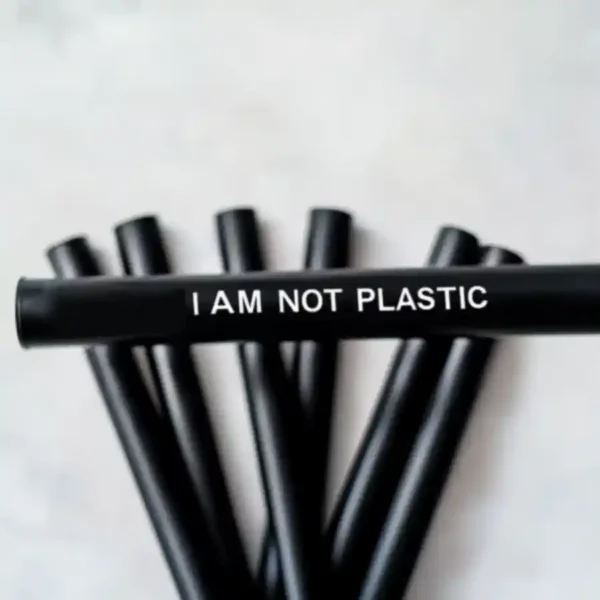
As sustainability becomes a priority, pailles de canne à sucre are leading the shift away from plastic and paper. Made from bagasse—a sugarcane byproduct—these biodegradable straws reduce waste and enhance brand appeal. This guide answers top FAQs about sugarcane straws, showcasing their benefits for businesses and eco-conscious consumers.

Que sont les pailles de canne à sucre ?
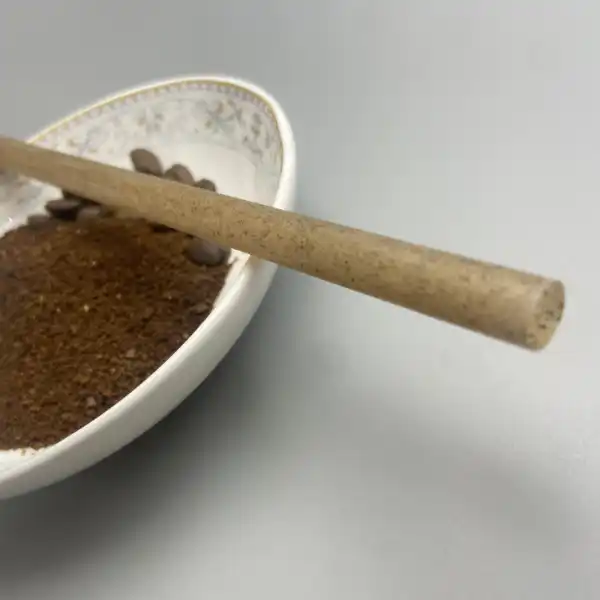
Sugarcane straws are crafted from bagasse, the fibrous residue left after sugarcane juice extraction. Processed through cleaning and heat-press molding, these plant-based straws offer a sustainable alternative to plastic. They’re BPA-free, biodegradable, and compostable, making them ideal for zero-waste initiatives.
Caractéristiques clés
- Renewable: Uses sugarcane waste, reducing reliance on virgin materials.
- Safe: Free from plastics, bleach, and dyes.
- Durable: Holds up in hot (up to 90°C) and cold drinks.
- Certified: BPI and OK Compost HOME certified for easy disposal.
Why Choose Sugarcane Straws Over Plastic or Paper?
Sugarcane straws outperform traditional options in sustainability and functionality:
| Fonctionnalité | Paies en plastique | Pailles en papier | Pailles de canne à sucre |
|---|---|---|---|
| Matériel | Petroleum | Trees | Sugarcane waste |
| Décomposition | 200+ ans | 6 months | 12 semaines |
| Compostable | Non | Limité | Yes (home/industrial) |
| Résistance à la chaleur | Melts | Soggy | Functional up to 90°C |
Unlike plastic’s 200-year decomposition or paper’s sogginess, sugarcane straws compost in 12 weeks and stay sturdy for 24+ hours in drinks.

Top Benefits of Sugarcane Straws
1. Renewable & Zero-Waste
Repurposing bagasse aligns with circular economy principles, reducing waste and virgin resource use.
2. Compostable & Biodégradable
Certified for home and industrial composting, they break down into nutrient-rich compost in weeks.
3. Cost-Effective
Bulk orders lower costs (e.g., $0.03/unit for 10,000+), competitive with premium paper straws.
4. Durable & Polyvalent
Perfect for smoothies, cocktails, and hot drinks, offering taste-neutral durability.
5. Supports Agriculture
Local sourcing reduces emissions and boosts regional economies.

How to Transition to Sugarcane Straws
Businesses can adopt sugarcane straws with these tips:
- Educate Customers: Use signage like “Our sugarcane straws compost in 12 weeks!”
- Offer Samples: Showcase durability with free trials.
- Partner with Suppliers: Choose certified vendors like Sumkoka.
- Optimize Waste: Provide compost bins for easy disposal.
- Market Sustainability: Highlight your eco-friendly switch.
Étude de cas : Green Café cut plastic waste by 90% and boosted customer satisfaction by 15% after switching (2023 Green Business Report).

À propos de l'auteur
Max Jiang, expert en développement durable chez NatureBioEco, a plus de 10 ans d'expérience dans les solutions respectueuses de l'environnement.
Questions fréquemment posées
What are sugarcane straws made of?
They’re made from bagasse, a sugarcane byproduct, making them renewable and compostable.
Combien de temps les pailles de canne à sucre durent-elles dans les boissons ?
They maintain integrity for 24+ hours in cold drinks and up to 90°C in hot drinks.
Are sugarcane straws more expensive than plastic?
Slightly higher upfront, but bulk buys (e.g., $0.03/unit) and waste savings make them cost-effective.
Where can businesses buy sugarcane straws?
Suppliers like Sumkoka and EQUO offer bulk options with customizable branding.
Are sugarcane straws compostable at home?
Yes, certified options compost in 12 weeks at home or industrially.