Le guide ultime de l'emballage durable : stratégies, matériaux et meilleures pratiques
With a 71% increase in online searches for sustainable goods over the last five years, it’s clear that we’re all becoming more conscious of our environmental impact. This includes the packaging that comes with our favorite products. This guide will help you understand what sustainable packaging is, and how you can make a difference, whether you’re a business owner or an eco-conscious shopper.
Comprendre l'emballage durable
Qu’est-ce que l’emballage durable ?
Sustainable packaging is about creating earth-friendly packaging solutions that don’t contribute to the depletion of our planet’s natural resources. It’s not just about the materials, but also about the whole lifecycle of the packaging, from where it comes from to how it’s disposed of.
Les trois principales catégories d’emballages durables
Sustainable packaging generally falls into three main categories: Recyclable Packaging, Reusable Packaging, and Compostable Packaging.
Critères clés pour un emballage durable
The Sustainable Packaging Coalition (SPC) has a list of criteria that sustainable packaging should meet. These include being beneficial, safe, and healthy for individuals and communities throughout its lifecycle, meeting market criteria for performance and cost, and being sourced, manufactured, transported, and recycled using renewable energy.
Les avantages de l'emballage durable
Sustainable packaging offers numerous environmental and business advantages, including reducing landfill waste and pollution, conserving natural resources, increasing customer loyalty, and reducing shipping and storage costs.
Stratégies d'emballage durable : un guide pratique
There are several strategies you can use to make your packaging more sustainable, such as designing your packaging intelligently, choosing more sustainable materials, maximizing transit and storage efficiency, and engaging and empowering customers.
Explorer les matériaux d'emballage durables
There are many sustainable packaging materials to choose from, including Paper and Cardboard, Bioplastics, Compostable Materials, Recycled Materials, and Innovative Materials.
Mettre en œuvre un emballage durable : une approche étape par étape
Implementing sustainable packaging involves assessing your current packaging, setting realistic goals, ordering product samples, partnering with sustainable suppliers, educating your team and customers, adjusting your pricing, and measuring and tracking your progress.
Études de cas et exemples
Several brands are leading the way in sustainable packaging, including The Tshirt Mill, Ritual, Maison Tess, FoodCraft, Mrs. Meyer’s Clean Day, Le Labo, Bobbi Brown, Aveda, Bumble and bumble, Origins, and M·A·C.
Relever les défis et les limites
While sustainable packaging offers many benefits, it also presents some challenges, such as varying recycling regulations, higher costs, limited composting infrastructure, and the need to balance sustainability with product protection and brand experience.
L’avenir de l’emballage durable
The future of sustainable packaging is promising, with increasing innovation in materials and technology. It’s crucial that we continue to work towards a circular economy, where we eliminate waste and keep materials in use.
Conclusion
Sustainable packaging is vital to our environmental health and the success of businesses. While making a shift towards more sustainable practices can seem daunting, we can all take steps to make a difference. Let’s all strive to choose more sustainable packaging options whenever we can.
Questions fréquemment posées
Coming soon…
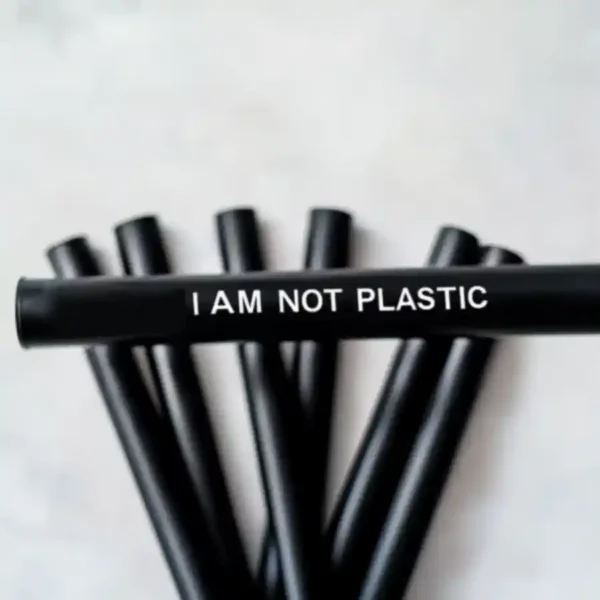
sugarcane straws wrapped regular 6mm 210mm
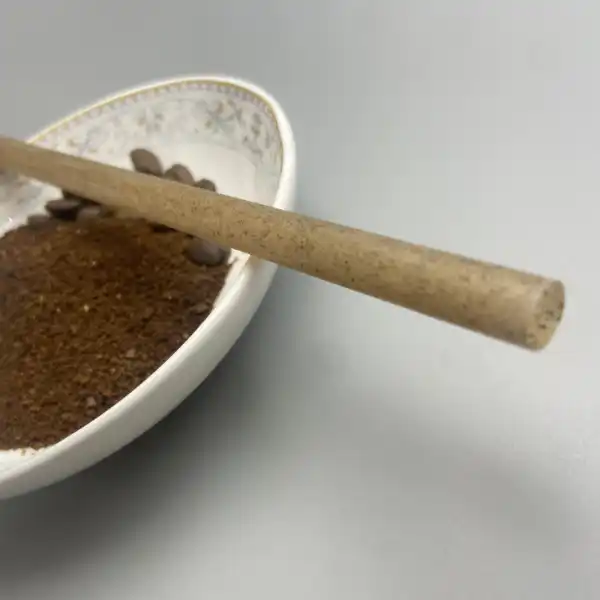
sugarcane straws smoothie 8mm 210mm