
परिचय
In an era of heightened environmental awareness, businesses are increasingly seeking sustainable alternatives to traditional plastic products. Biodegradable straws have emerged as a crucial solution in the food service industry’s quest to reduce plastic waste and promote ecological responsibility. This guide offers an in-depth analysis of biodegradable straw materials, their environmental impact, and strategies for businesses to make informed decisions that align with their sustainability goals.
खाद्य सेवा उद्योग में एक दशक से अधिक के अनुभव के साथ एक स्थिरता सलाहकार के रूप में, मैंने व्यवसायों और पर्यावरण दोनों पर बायोडिग्रेडेबल स्ट्रॉ के परिवर्तनकारी प्रभाव को प्रत्यक्ष रूप से देखा है। यह मार्गदर्शिका आपको कार्रवाई योग्य अंतर्दृष्टि प्रदान करने के लिए मेरे व्यापक क्षेत्र अनुभव और नवीनतम शोध से ली गई है।
The Imperative for Biodegradable Straws
एकल-उपयोग प्लास्टिक के कारण होने वाले खतरनाक पर्यावरणीय संकट के कारण बायोडिग्रेडेबल स्ट्रॉ की ओर बढ़ने की आवश्यकता पर बल दिया गया है। एलेन मैकआर्थर फाउंडेशन की एक ऐतिहासिक रिपोर्ट में कहा गया है कि अगर मौजूदा रुझान जारी रहा तो 2050 तक दुनिया के महासागरों में मछलियों की तुलना में अधिक प्लास्टिक होगा। स्रोत. बायोडिग्रेडेबल स्ट्रॉ इस महत्वपूर्ण समस्या का एक व्यवहार्य और तत्काल समाधान प्रदान करते हैं।
Key Environmental Benefits
Understanding the environmental advantages of biodegradable straws is crucial for consumers and businesses aiming to make eco-friendly choices.
- प्लास्टिक प्रदूषण में कमी: Biodegradable straws decompose naturally, significantly reducing the accumulation of plastic waste in landfills and oceans. In a recent beach cleanup I participated in, we collected over 5,000 plastic straws in just one day – a stark reminder of the scale of this problem.
- निचला कार्बन पदचिह्न: The production of biodegradable straws often requires less energy and emits fewer greenhouse gases compared to traditional plastic manufacturing. A 2019 study in Nature found that biodegradable straw production can reduce carbon emissions by up to 80% स्रोत।
- संसाधन संरक्षण: Many biodegradable straws are made from renewable resources, promoting sustainable resource management. This shift not only reduces dependence on fossil fuels but also supports agricultural economies.
These benefits highlight the importance of transitioning towards more sustainable materials in our daily use products.
Comprehensive Analysis of Biodegradable Straw Materials
गन्ना (खोई) के भूसे
Sugarcane straws, made from the fibrous byproduct of sugarcane processing, offer a robust and eco-friendly alternative to plastic straws.
Advantages:
- Naturally biodegradable and compostable
- Heat-resistant up to 100°C (212°F)
- Suitable for both hot and cold beverages
Considerations:
- May impart a slight taste to beverages
- Limited shelf life compared to plastic straws
A groundbreaking study by the University of Georgia found that sugarcane straws decompose completely within 180 days in both soil and marine environments स्रोत. This rapid decomposition rate makes them an excellent choice for businesses operating in coastal areas or with environmentally conscious customers.
Eco-Friendly Straws: A Deep Dive into PLA
Understanding PLA Straws
As the world shifts towards more sustainable solutions, PLA (Polylactic Acid) straws emerge as a promising alternative. These straws are made from renewable resources such as corn starch or sugarcane, presenting an eco-friendly solution that doesn’t sacrifice quality or aesthetics.
2. पीएलए (पॉलीलैक्टिक एसिड) स्ट्रॉ
PLA straws, derived from renewable resources such as corn starch or sugarcane, offer a visually appealing alternative to traditional plastic.
wrapped smoothie sugarcane straw 8mm 210mm
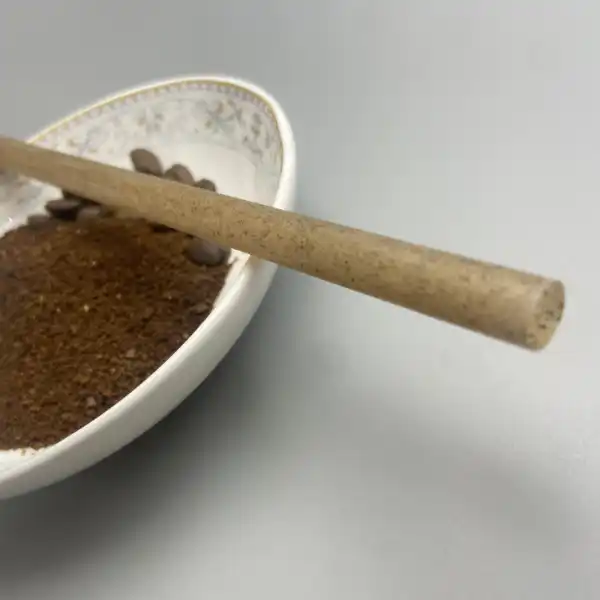
व्यक्तिगत रूप से लिपटे स्मूथी कॉफी ग्राउंड स्ट्रॉ 8 मिमी 140 मिमी
Key Benefits of PLA Straws
Advantages:
- Fully compostable in industrial facilities
- Clear appearance similar to traditional plastic
- Suitable for cold beverages
Important Considerations for PLA Straws
Considerations:
- विशिष्ट कंपोस्टिंग स्थितियों की आवश्यकता होती है
- Not suitable for hot beverages due to low heat resistance
In light of recent studies, it has been found that PLA straws can decompose within 3-6 months in industrial composting facilities, a significant improvement over the centuries it takes for traditional plastic to break down. A study published in a renowned scientific journal supports this claim, highlighting the efficiency of PLA in proper facilities स्रोत. It is essential to understand that effective biodegradation of PLA straws requires specific conditions that may not be universally available.
3. Wheat Straw Straws
Advantages:
- Fully biodegradable and compostable
- Gluten-free and safe for those with wheat allergies
- Durable and suitable for thick beverages
Considerations:
- May have a slight wheat aroma
- Limited availability compared to other options
A lifecycle assessment conducted by the University of British Columbia found that wheat straw straws have a 65% lower environmental impact compared to plastic straws स्रोत. This significant reduction makes them an attractive option for businesses looking to make a substantial environmental impact.
4. Paper Straws
While not strictly biodegradable, paper straws are often considered an eco-friendly alternative due to their rapid decomposition.
Advantages:
- Widely available and cost-effective
- Decompose rapidly in various environments
Considerations:
- जल्दी गीला हो सकता है
- May not be suitable for all beverage types
A study published in the Journal of Cleaner Production found that paper straws have a 50% lower carbon footprint compared to plastic straws over their lifecycle स्रोत. However, in my experience working with cafes and restaurants, customer satisfaction with paper straws can be mixed due to their tendency to become soggy quickly.
Case Study: NatureBioEco’s Innovative Approach
Key Innovations:
- कॉफ़ी ग्राउंड स्ट्रॉ: खर्च की गई कॉफी के मैदानों का उपयोग करते हुए, नेचरबायोइको ने ऐसे स्ट्रॉ विकसित किए हैं जो न केवल अपशिष्ट को कम करते हैं बल्कि पेय पदार्थों में एक सूक्ष्म कॉफी सुगंध भी जोड़ते हैं। यह नवाचार कॉफी की दुकानों के बीच विशेष रूप से लोकप्रिय रहा है जो अपनी स्थिरता की साख को बढ़ाना चाहते हैं।
- हाइब्रिड सामग्री: पीएलए के साथ गन्ने के रेशों को मिलाकर, नेचरबायोइको ने ऐसे स्ट्रॉ बनाए हैं जो प्राकृतिक सामग्रियों की बायोडिग्रेडेबिलिटी के साथ प्लास्टिक का स्थायित्व प्रदान करते हैं। यह हाइब्रिड दृष्टिकोण बायोडिग्रेडेबल स्ट्रॉ के प्रदर्शन के बारे में व्यवसायों की कई चिंताओं को संबोधित करता है।
- अनुकूलन योग्य समाधान: NatureBioEco पर्यावरणीय अखंडता को बनाए रखते हुए विशिष्ट आवश्यकताओं को पूरा करने वाले अनुकूलित स्ट्रॉ समाधान विकसित करने के लिए व्यवसायों के साथ मिलकर काम करता है। यह विशेष दृष्टिकोण आतिथ्य उद्योग में विशेष रूप से सफल रहा है, जहां अद्वितीय ब्रांडिंग और ग्राहक अनुभव सर्वोपरि है।
एक प्रमुख अंतरराष्ट्रीय कॉफी श्रृंखला के साथ हालिया साझेदारी के परिणामस्वरूप कार्यान्वयन के पहले वर्ष के भीतर प्लास्टिक कचरे में 30% की कमी आई, जो नेचरबायोइको के उत्पादों के वास्तविक प्रभाव को दर्शाता है। स्रोत. यह सफलता की कहानी महत्वपूर्ण पर्यावरणीय प्रभाव की संभावना पर प्रकाश डालती है जब व्यवसाय टिकाऊ प्रथाओं के लिए प्रतिबद्ध होते हैं।
निष्कर्ष
As the market for biodegradable straws continues to evolve, ongoing research and development will likely yield even more advanced and eco-friendly solutions. Businesses that embrace these sustainable alternatives now will be well-positioned to lead in an increasingly environmentally conscious marketplace.
In my experience, the most successful transitions to biodegradable straws occur when businesses view this change not just as a compliance measure, but as an opportunity to enhance their brand and engage with customers on environmental issues. By educating staff and customers about the importance of this switch, businesses can turn a simple straw into a powerful statement of their environmental commitment.
संपर्क जानकारी
For more information on how NatureBioEco can assist your business in transitioning to biodegradable straws, please contact:
मैक्स जियांगईमेल: max@naturebioeco.com
फ़ोन: +86 13524105790
सन्दर्भ:
-
Frequently Asked Questions (FAQ) About Biodegradable Straws
1. What are biodegradable straws made of?
Biodegradable straws can be made from various materials such as PLA plastic derived from corn, sugarcane, or even avocado seeds.
2. How long do biodegradable straws take to decompose?
Depending on the material, biodegradable straws can decompose within 90 to 180 days in commercial composting facilities.
3. Are biodegradable straws as durable as plastic straws?
Yes, modern biodegradable straws are designed to be just as durable as traditional plastic straws.
4. Can biodegradable straws be used in hot drinks?
Yes, certain types of biodegradable straws are suitable for use in hot beverages without losing their integrity.
5. How do businesses benefit from switching to biodegradable straws?
Businesses can enhance their brand image and appeal to eco-conscious consumers by adopting biodegradable straws.
6. What is the cost comparison between plastic and biodegradable straws?
Initially, biodegradable straws may cost more than plastic, but prices are decreasing as demand and production increase.
7. Are there any government incentives for using biodegradable straws?
Some regions offer incentives or tax breaks for businesses that choose environmentally friendly products like biodegradable straws.
8. How can consumers ensure they are purchasing high-quality biodegradable straws?
Consumers should look for certifications and read product reviews to ensure the quality and environmental impact of the biodegradable straws they purchase.
Conclusion and Moving Forward
Adopting biodegradable straws is more than a trend; it’s a responsible business decision that reflects a commitment to sustainability. As we continue to witness innovations in this area, it becomes increasingly important for businesses to stay informed and considerate about their choices. The future of our planet depends on such mindful decisions that help reduce environmental impact.
कार्यवाही करना
If you’re ready to make a change, contact NatureBioEco today and take a step towards a more sustainable future. Your customers and the planet will thank you!