परिचय
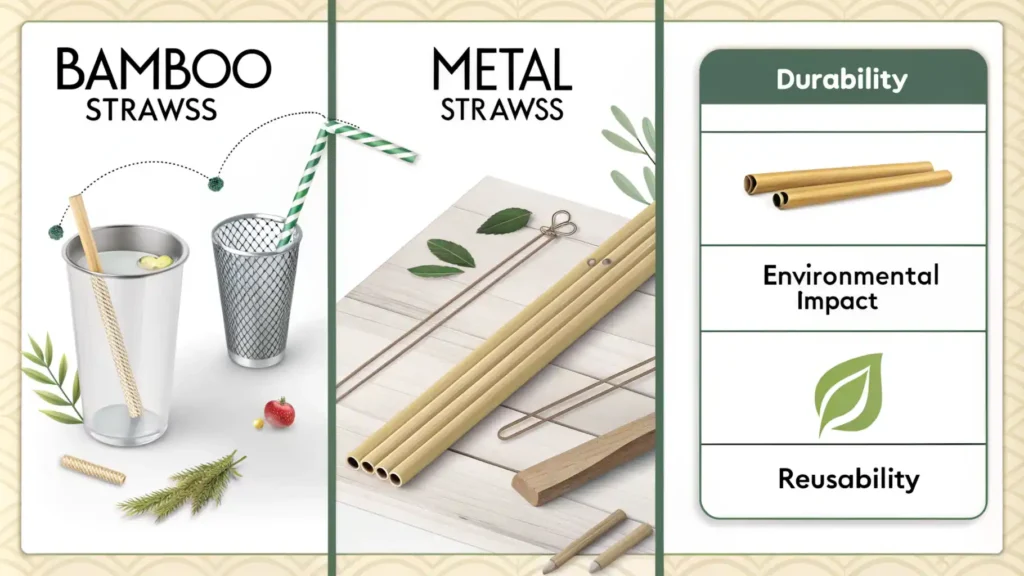
एकल-उपयोग प्लास्टिक स्ट्रॉ के पर्यावरण-अनुकूल विकल्प की खोज में, बांस और धातु स्ट्रॉ लोकप्रिय विकल्प के रूप में उभरे हैं। यह लेख एक व्यापक अवलोकन प्रदान करने के लिए बांस और धातु के तिनकों की उत्पादन प्रक्रियाओं, लागत तुलनाओं, गुणवत्ता मानकों और पर्यावरणीय प्रभावों पर प्रकाश डालता है।
बांस और धातु के तिनके की उत्पादन प्रक्रिया
कैसे हैं बांस के तिनके बनाया?
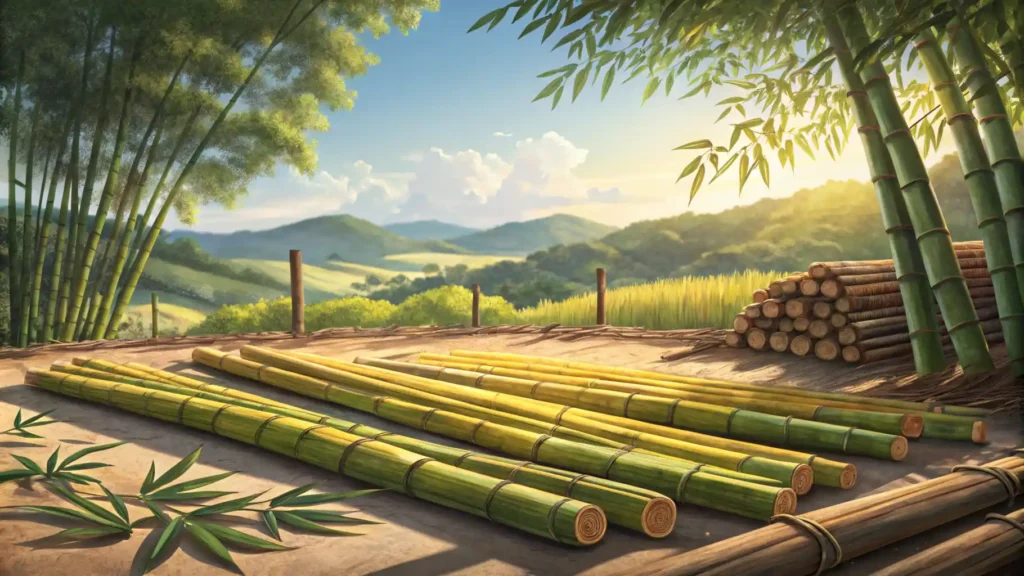
बांस के तिनके प्राकृतिक बांस का उपयोग करके तैयार किए जाते हैं, जो एक अत्यधिक टिकाऊ और बायोडिग्रेडेबल सामग्री है। इस प्रक्रिया में कई चरण शामिल हैं:
- सोर्सिंग और कटाई:
परिपक्व बांस के डंठल, आमतौर पर मोसो बांस की प्रजातियों से, काटे जाते हैं।

- सफ़ाई और स्ट्रिपिंग:
काटे गए बांस को किसी भी गंदगी, मलबे या बाहरी परतों को हटाने के लिए साफ किया जाता है, जिससे यह सुनिश्चित होता है कि कच्चा माल स्वच्छ और अशुद्धियों से मुक्त है। - सूखना और बुढ़ापा:
साफ किए गए बांस को प्राकृतिक रूप से सूखने के लिए छोड़ दिया जाता है, जिससे इसकी लचीलापन बढ़ जाती है और प्रसंस्करण के दौरान टूटने या विकृत होने का खतरा कम हो जाता है।

- उपचार और स्वच्छता:
फफूंद, कवक और कीड़ों के संक्रमण को रोकने के लिए, बांस को गैर विषैले घोल से उपचारित किया जाता है। यह उपचार पुआल के स्थायित्व को भी बढ़ाता है, जिससे यह पुन: प्रयोज्य और लंबे समय तक चलने वाला बन जाता है। - चिकना करना और पॉलिश करना:
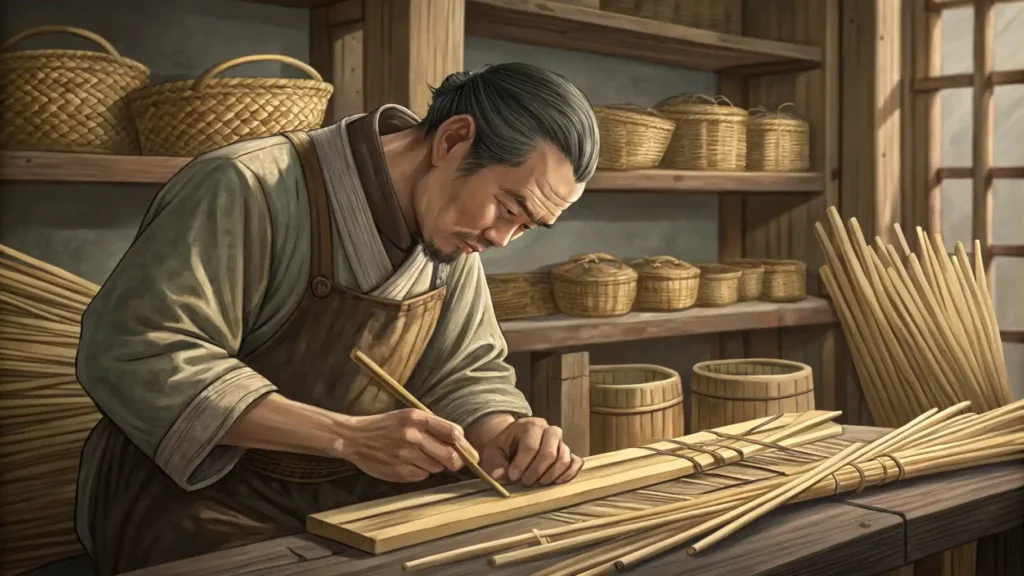
पीने के लिए एक चिकनी सतह बनाने के लिए बांस को रेत और पॉलिश किया जाता है, जिससे किसी भी खुरदुरे किनारे या खामियां दूर हो जाती हैं। - नक्काशी और खोखलापन:
Artisans use traditional techniques to carve and hollow the bamboo, maintaining the structural integrity of the straw. This intricate process requires precision and expertise.
How are Metal Straws Made?
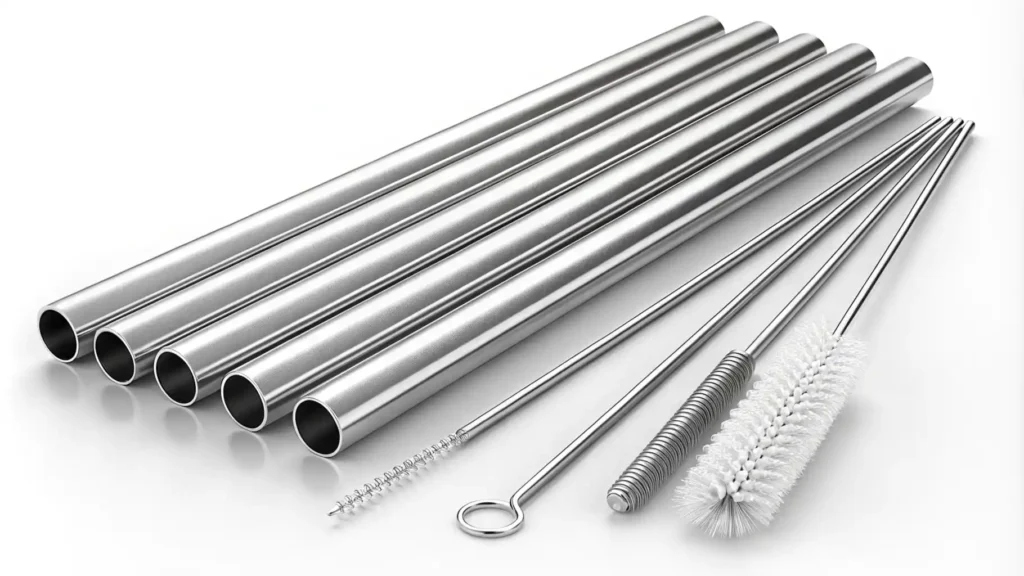
Metal straws, primarily made from stainless steel, undergo a different manufacturing process:
- Sourcing Materials:
Stainless steel is sourced for its durability and recyclability. - काटना और आकार देना:
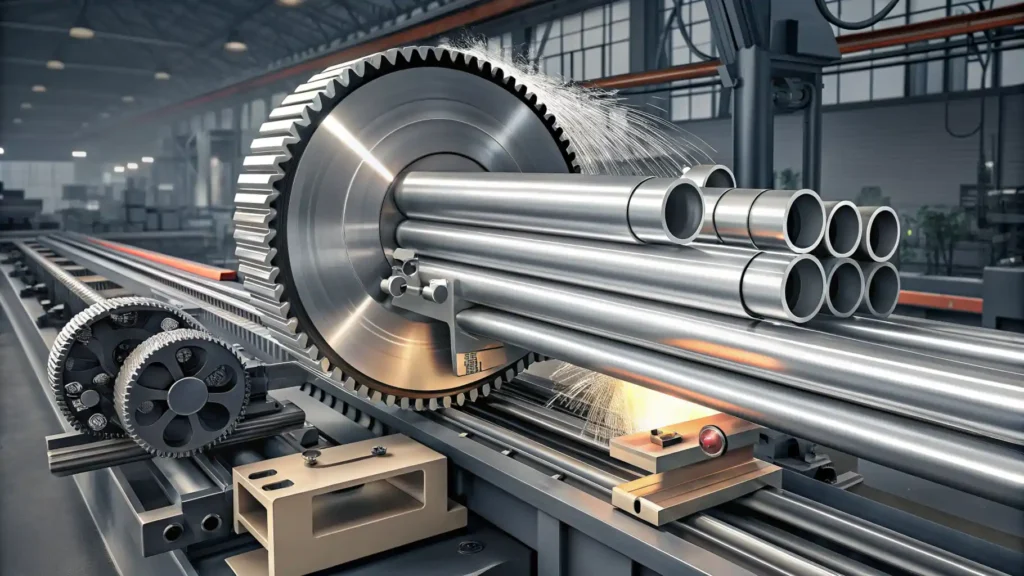
The raw steel is cut into the desired shape and size for the straw.
- Polishing and Finishing:
The metal is polished to give it a smooth finish, ensuring it is safe for use with hot beverages and easy to clean. - Assembly (if necessary):
Some metal straws may require additional components like handles or cleaning brushes.
लागत तुलना: बांस बनाम धातु के तिनके
Initial Costs
| कारक | बांस के तिनके | धातु के तिनके |
|---|---|---|
| Raw Material Costs | $0.10 to $0.20 per unit | $0.50 to $1.50 per unit |
| Manufacturing Costs | Takes 2 to 5 minutes per straw | Higher due to machinery, but cheaper in bulk |
Long-term Costs
- बांस के तिनके: While durable, bamboo straws have a shorter lifespan compared to metal straws. They typically last for several months with proper care, requiring occasional replacement.
- धातु के तिनके: Metal straws are known for their durability and longevity, potentially lasting a lifetime with proper care and maintenance.
Hidden Costs
- बांस के तिनके:
- Transportation costs can vary depending on the distance between bamboo farms and manufacturing facilities.
- Tariffs on imported bamboo might apply, increasing overall costs.
- Maintenance: Bamboo straws require careful cleaning to prevent mold, adding to maintenance costs.
- धातु के तिनके:
- Higher energy consumption during manufacturing may indirectly add to production costs.
- Shipping metal straws is typically more efficient, as they are lighter and less bulky than bamboo.
पर्यावरणीय प्रभाव
बांस के तिनके
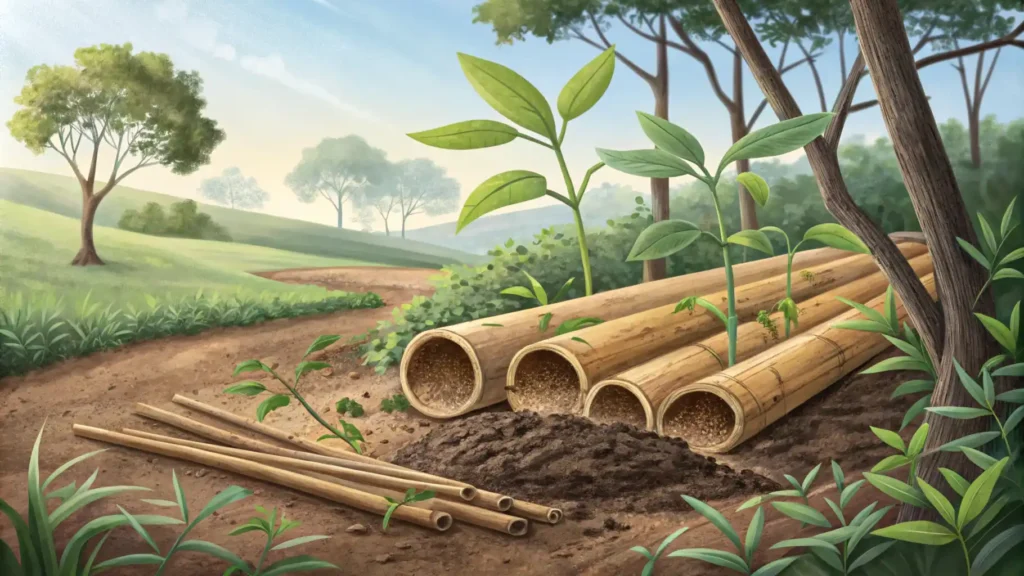
- वहनीयता: Bamboo is a renewable and biodegradable resource, making it an eco-friendly option.
- कार्बन पदचिह्न: Bamboo production has a relatively low carbon footprint compared to industrial metal manufacturing.
- सड़न: At the end of its life cycle, bamboo straws decompose naturally, leaving no toxic residue.
धातु के तिनके
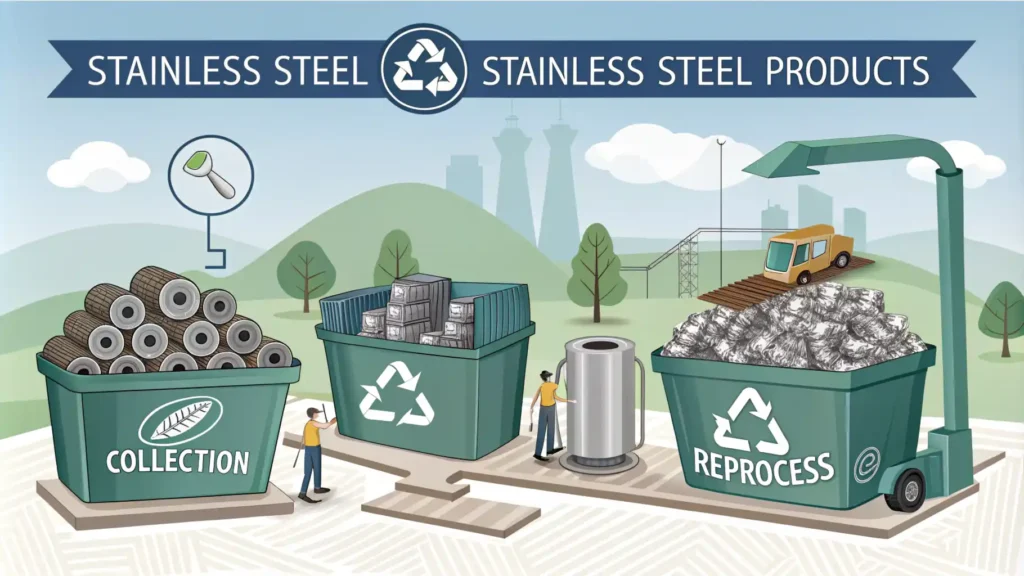
- वहनीयता: Stainless steel is highly durable and can be recycled indefinitely without loss of quality.
- Energy Use: The manufacturing process of metal straws consumes more energy than bamboo production.
- Longevity: Due to their long lifespan, metal straws can offset their higher carbon footprint over time.
निष्कर्ष
बांस और धातु के तिनके दोनों अपनी ताकत और सीमाओं के साथ एकल-उपयोग प्लास्टिक के लिए व्यवहार्य पर्यावरण-अनुकूल विकल्प प्रदान करते हैं। बांस के तिनके स्थिरता और बायोडिग्रेडेबिलिटी में उत्कृष्ट हैं, जबकि धातु के तिनके लंबी अवधि में अधिक टिकाऊ और लागत प्रभावी होते हैं। अंततः, दोनों के बीच चुनाव उपयोगकर्ता की प्राथमिकताओं, पर्यावरणीय लक्ष्यों और बजट की कमी पर निर्भर करता है।