प्रति- और पॉलीफ्लोरोएल्काइल पदार्थ, जिन्हें आमतौर पर पीएफएएस के रूप में जाना जाता है, सिंथेटिक रसायनों का एक समूह है जो हमारी आधुनिक दुनिया में सर्वव्यापी हो गए हैं। इन "हमेशा के लिए रसायनों" ने पर्यावरण में अपनी दृढ़ता और संभावित स्वास्थ्य जोखिमों के कारण कुख्याति प्राप्त की है। यह पोस्ट पता लगाएगी कि पीएफएएस क्या हैं, वे कहां पाए जाते हैं, संबंधित स्वास्थ्य और पर्यावरण संबंधी चिंताएं, और जोखिम को कम करने के लिए क्या कार्रवाई की जा सकती है।
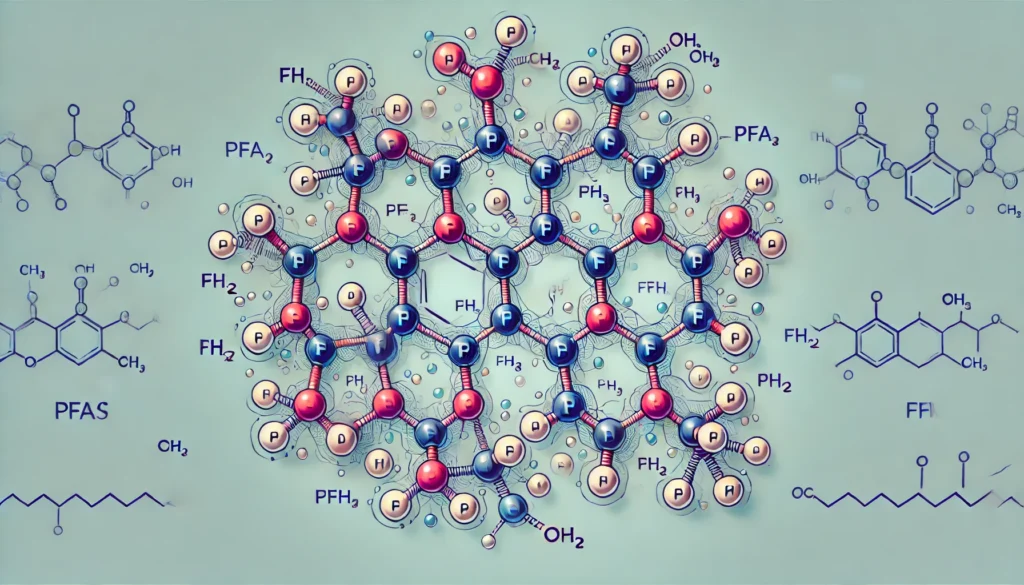
पीएफएएस क्या हैं?
पीएफएएस 7 मिलियन से अधिक सिंथेटिक ऑर्गेनोफ्लोरीन यौगिकों का एक परिवार है, जिनमें से प्रत्येक में एक एल्काइल श्रृंखला से जुड़े कई फ्लोरीन परमाणु होते हैं। इन रसायनों को पहली बार 1930 के दशक में विकसित किया गया था और 1950 के दशक में उनके अद्वितीय गुणों के कारण व्यापक उपयोग प्राप्त हुआ, जिसमें शामिल हैं:
- पानी प्रतिरोध
- गर्मी प्रतिरोध
- दाग प्रतिरोध
- कम घर्षण
इन गुणों ने पीएफएएस को उपभोक्ता और औद्योगिक उत्पादों की एक विस्तृत श्रृंखला में उपयोग के लिए आदर्श बना दिया। नॉन-स्टिक कुकवेयर, अग्निशमन फोम, पानी प्रतिरोधी कपड़े और खाद्य पैकेजिंग ऐसे उत्पादों के कुछ उदाहरण हैं जो पीएफएएस द्वारा दी जाने वाली स्थिरता और प्रतिरोध पर निर्भर करते हैं। इन रसायनों ने विनिर्माण क्षेत्र में प्रगति को सक्षम बनाया है, लेकिन मानव स्वास्थ्य और पर्यावरणीय स्थिरता के लिए महत्वपूर्ण चुनौतियां भी पेश की हैं।
पीएफएएस की उत्पत्ति
पीएफएएस की खोज शुरुआत में 1930 के दशक में की गई थी, और उसके तुरंत बाद उनका औद्योगिक अनुप्रयोग शुरू हुआ। गर्मी, पानी और तेल के प्रति उनके प्रतिरोध ने उन्हें कई अनुप्रयोगों में अपरिहार्य बना दिया, जिससे 1950 के दशक से विभिन्न उद्योगों में उनका व्यापक उपयोग शुरू हो गया।
प्रमुख विशेषताएँ
- पानी प्रतिरोध: पीएफएएस रसायन पानी को विकर्षित करते हैं, जो उन्हें जलरोधी कपड़े, खाद्य पैकेजिंग और आउटडोर गियर जैसे उत्पादों में मूल्यवान बनाता है।
- गर्मी प्रतिरोध: वे अत्यधिक गर्मी प्रतिरोधी होते हैं, यही कारण है कि उनका उपयोग नॉन-स्टिक कुकवेयर और अग्निशमन फोम में किया जाता है।
- दाग प्रतिरोध: पीएफएएस का उपयोग कपड़ों, कालीनों और असबाब में दाग-धब्बों से बचाव के लिए किया जाता है, जिसने उन्हें उपभोक्ता वस्तुओं में लोकप्रिय बना दिया है।
- कम घर्षण: पीएफएएस रसायन कम घर्षण वाली सतह बनाते हैं, जो उन्हें औद्योगिक अनुप्रयोगों के लिए कोटिंग्स के साथ-साथ जलरोधी जूते जैसे उपभोक्ता उत्पादों में उपयोगी बनाते हैं।
पीएफएएस युक्त सामान्य उत्पाद
- नॉन-स्टिक कुकवेयर (जैसे टेफ्लॉन)
- जलरोधक कपड़े और कालीन
- अग्निशमन फोम
- प्रसाधन सामग्री और व्यक्तिगत देखभाल उत्पाद
- खाद्य पैकेजिंग सामग्री

पीएफएएस कहाँ पाए जाते हैं?
पीएफएएस कई रोजमर्रा की वस्तुओं में मौजूद हैं, जिनमें से कई का आमतौर पर उपयोग किया जाता है और उनसे बचना मुश्किल है। पीएफएएस के व्यापक उपयोग के कारण हवा, पानी, मिट्टी और यहां तक कि वर्षा जल भी प्रदूषित हो गया है।
उपभोक्ता उत्पाद
पीएफएएस कई उपभोक्ता उत्पादों में पाया जा सकता है, जिनमें शामिल हैं:
- नॉन-स्टिक कुकवेयर: आमतौर पर खाना पकाने के लिए उपयोग किए जाने वाले, टेफ्लॉन-लेपित पैन जैसे उत्पादों में पीएफएएस होता है।
- जल प्रतिरोधी कपड़े: कई आउटडोर जैकेट, टेंट और कालीन जल प्रतिरोध प्रदान करने के लिए पीएफएएस का उपयोग करते हैं।
- खाद्य पैकेजिंग: फास्ट-फूड रैपर, माइक्रोवेव पॉपकॉर्न बैग और पिज्जा बॉक्स को अक्सर पीएफएएस से उपचारित किया जाता है ताकि उन्हें ग्रीस और दाग के प्रति प्रतिरोधी बनाया जा सके।
- प्रसाधन सामग्री: फाउंडेशन और मस्कारा सहित कुछ सौंदर्य प्रसाधनों में लंबे समय तक चलने वाली कवरेज प्रदान करने की क्षमता के कारण पीएफएएस हो सकता है।
पर्यावरण प्रदूषण
पीएफएएस संदूषण उन उत्पादों तक ही सीमित नहीं है जिनमें वे पाए जाते हैं। ये रसायन दूषित हैं:
- पेय जल: पीएफएएस अक्सर औद्योगिक स्थलों, सैन्य अड्डों या हवाई अड्डों के पास जल स्रोतों में पाए जाते हैं जहां अग्निशमन फोम का उपयोग किया गया है।
- हवा और मिट्टी: अपनी दृढ़ता के कारण, पीएफएएस रसायन हवा और पानी की धाराओं के माध्यम से विश्व स्तर पर फैल सकते हैं, मिट्टी में जमा हो सकते हैं और खाद्य श्रृंखलाओं में प्रवेश कर सकते हैं।
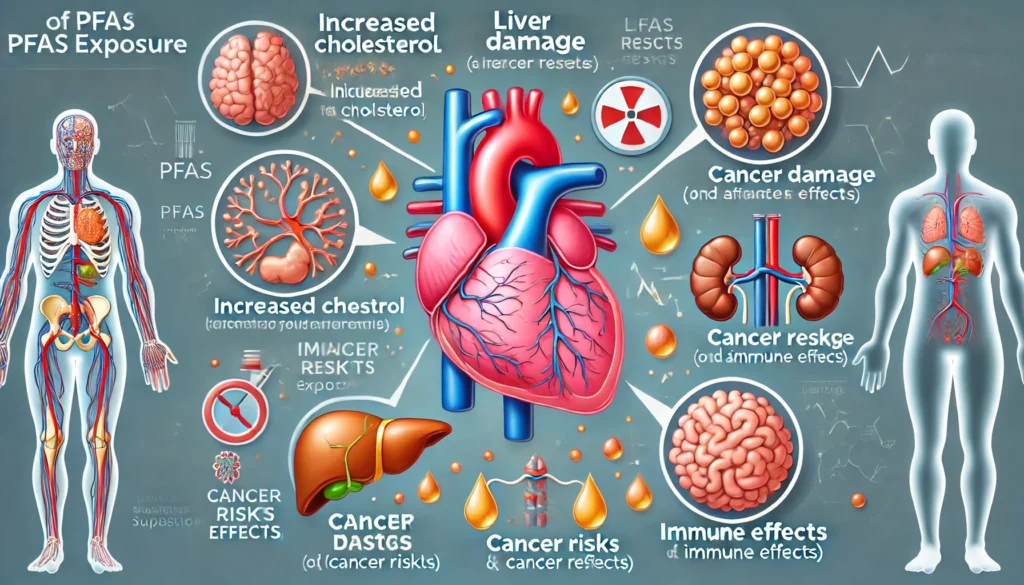
पीएफएएस एक्सपोजर से जुड़ी स्वास्थ्य संबंधी चिंताएँ
जबकि पीएफएएस के गुण उन्हें उत्पादों में उपयोगी बनाते हैं, पर्यावरण और मानव शरीर में उनकी दृढ़ता उन्हें एक महत्वपूर्ण स्वास्थ्य चिंता का विषय बनाती है। अनुसंधान ने पीएफएएस जोखिम को कई स्वास्थ्य समस्याओं से जोड़ा है।
स्वास्थ्य के मुद्दों
पीएफएएस जोखिम को निम्नलिखित स्वास्थ्य समस्याओं से जोड़ा गया है:
- कोलेस्ट्रॉल का स्तर बढ़ना
- बच्चों में टीके की प्रतिक्रिया कम होना
- जिगर की क्षति और लीवर एंजाइम में परिवर्तन
- कुछ कैंसरों का खतरा बढ़ जाता है, जिसमें किडनी और वृषण कैंसर भी शामिल है
- प्रजनन एवं विकासात्मक प्रभाव बच्चों और भ्रूणों पर
- प्रतिरक्षा प्रणाली पर प्रभाव, जिससे व्यक्ति संक्रमण के प्रति अधिक संवेदनशील हो जाते हैं
कुछ आबादी, जैसे बच्चे, गर्भवती महिलाएं और दूषित स्थलों के पास रहने वाले व्यक्ति, विशेष रूप से इन स्वास्थ्य प्रभावों के प्रति संवेदनशील हैं।

पीएफएएस का पर्यावरणीय प्रभाव
पीएफएएस को "हमेशा के लिए रसायन" के रूप में जाना जाता है क्योंकि वे पर्यावरण में बहुत धीरे-धीरे टूटते हैं। यह दृढ़ता उन्हें इसकी अनुमति देती है:
- खाद्य श्रृंखला में संचय करें: पीएफएएस खाद्य श्रृंखला में आगे बढ़ सकता है, जिससे वन्यजीवन और अंततः, इन जानवरों का उपभोग करने वाले मनुष्य प्रदूषित हो सकते हैं।
- पेयजल स्रोतों को दूषित करना: भूजल और सतही जल में पीएफएएस पाया गया है, जो सार्वजनिक स्वास्थ्य के लिए खतरा पैदा करता है।
- विश्व स्तर पर फैल गया: वायु और जल धाराओं के माध्यम से, पीएफएएस अपने मूल स्रोत से बहुत दूर तक यात्रा कर सकता है, और दूर के पारिस्थितिक तंत्र और मानव आबादी को दूषित कर सकता है।
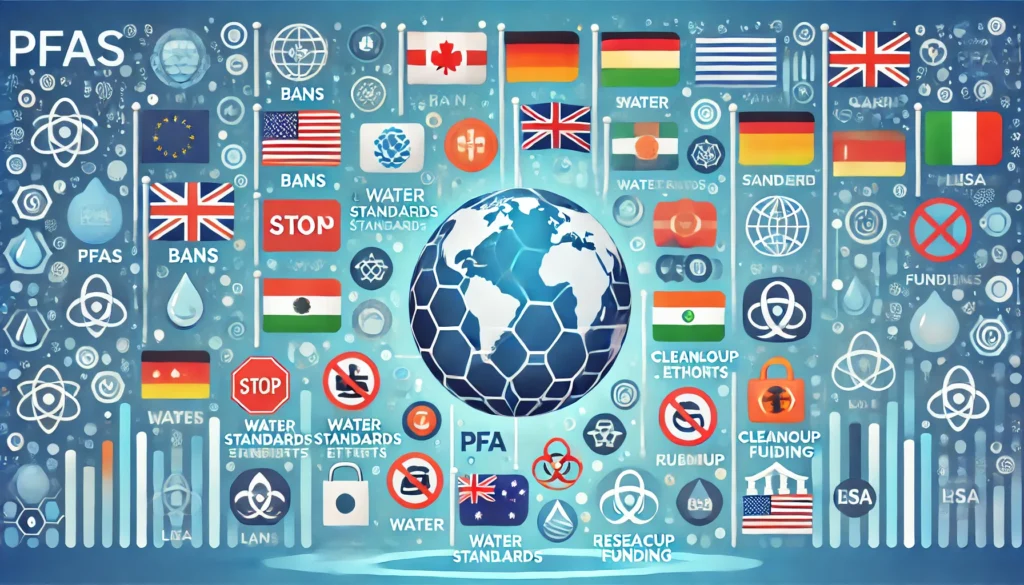
पीएफएएस पर विनियामक रुझान और कार्रवाइयां
जैसे-जैसे पीएफएएस रसायनों के जोखिम अधिक व्यापक रूप से पहचाने जाते हैं, दुनिया भर की सरकारों ने उनके उपयोग को विनियमित करने और उनके प्रभाव को कम करने के लिए कार्रवाई करना शुरू कर दिया है।
विनियम और मानक
- उपभोक्ता उत्पादों में उपयोग को प्रतिबंधित करना: कई देश कुछ उपभोक्ता उत्पादों, जैसे खाद्य पैकेजिंग और वस्त्रों में पीएफएएस के उपयोग पर प्रतिबंध या प्रतिबंध लगाना शुरू कर रहे हैं।
- पेयजल मानक निर्धारित करना: अमेरिकी पर्यावरण संरक्षण एजेंसी (ईपीए) जैसे नियामक निकायों ने पीने के पानी में स्वीकार्य पीएफएएस स्तरों के लिए दिशानिर्देश स्थापित किए हैं।
- अनुसंधान और सफाई प्रयासों को वित्तपोषित करना: सरकारें पीएफएएस को बेहतर ढंग से समझने और दूषित वातावरण के निवारण और सफाई के लिए प्रौद्योगिकियों को विकसित करने के लिए अनुसंधान में निवेश कर रही हैं।
वैश्विक प्रयास
स्वीडन, कनाडा और यूरोपीय संघ जैसे देश पीएफएएस को विनियमित करने, उनके उपयोग पर सख्त नियंत्रण स्थापित करने और पीने के पानी में कम स्वीकार्य स्तर निर्धारित करने में सबसे आगे रहे हैं।
आप क्या कर सकते हैं?
हालांकि पीएफएएस से पूरी तरह बचना मुश्किल हो सकता है, जोखिम को कम करने के लिए आप कई कदम उठा सकते हैं।
उपभोक्ताओं के लिए:
- पीएफएएस-मुक्त कुकवेयर का उपयोग करें: नॉन-स्टिक कुकवेयर के विकल्प चुनें, जैसे स्टेनलेस स्टील या कास्ट-आयरन पैन।
- दाग प्रतिरोधी उपचार से बचें: प्राकृतिक कपड़ों का चयन करें और दाग प्रतिरोधी कोटिंग वाले फर्नीचर या कालीन से बचें।
- लेबल जांचें: सौंदर्य प्रसाधन और व्यक्तिगत देखभाल वस्तुओं जैसे उत्पादों से सावधान रहें जिनमें पीएफएएस हो सकता है। पीएफएएस-मुक्त लेबल वाले उत्पादों की तलाश करें।
- अपने पीने के पानी को छान लें: यदि आप ऐसे क्षेत्र में रहते हैं जहां पीएफएएस संदूषण पाया गया है, तो एक जल निस्पंदन प्रणाली स्थापित करने पर विचार करें जो इन रसायनों को हटा सके।

व्यवसायों के लिए:
- अपनी आपूर्ति श्रृंखला का ऑडिट करें: सुनिश्चित करें कि आपके परिचालन में उपयोग किए जाने वाले उत्पाद, जैसे पैकेजिंग या कपड़ा, में पीएफएएस शामिल नहीं है।
- विकल्पों में निवेश करें: जहां संभव हो, अपने उत्पादों और सेवाओं में पीएफएएस-मुक्त सामग्री चुनें।
- कर्मचारियों को शिक्षित करें: पीएफएएस के संभावित जोखिमों के बारे में कर्मचारियों के बीच जागरूकता बढ़ाना और सुरक्षित विकल्पों को प्रोत्साहित करना।
सामान्य प्रश्न
- पीएफएएस रसायन क्या हैं? पीएफएएस सिंथेटिक रसायनों का एक बड़ा समूह है जिनका उपयोग उत्पादों में उनके पानी, गर्मी और दाग प्रतिरोधी गुणों के लिए किया जाता है।
- पीएफएएस को "हमेशा के लिए रसायन" क्यों कहा जाता है? पीएफएएस को "हमेशा के लिए रसायन" कहा जाता है क्योंकि वे पर्यावरण में आसानी से नहीं टूटते हैं और समय के साथ पारिस्थितिकी तंत्र और मानव शरीर दोनों में जमा हो जाते हैं।
- रोजमर्रा के उत्पादों में पीएफएएस आमतौर पर कहाँ पाए जाते हैं? पीएफएएस नॉन-स्टिक कुकवेयर, वॉटरप्रूफ कपड़े, खाद्य पैकेजिंग, अग्निशमन फोम और कुछ सौंदर्य प्रसाधनों में पाए जाते हैं।
- पीएफएएस एक्सपोज़र से कौन से स्वास्थ्य मुद्दे जुड़े हुए हैं? पीएफएएस के संपर्क में आने से विशेषकर बच्चों में कोलेस्ट्रॉल बढ़ने, लीवर की क्षति, कैंसर के खतरे और विकासात्मक समस्याओं से जुड़ा हुआ है।
- पीएफएएस पर्यावरण को कैसे प्रभावित करता है? पीएफएएस पर्यावरण में लगातार बने हुए हैं, जल स्रोतों, मिट्टी और खाद्य श्रृंखला को प्रदूषित कर रहे हैं, जिससे वन्यजीव और मानव आबादी प्रभावित हो रही है।
- पीएफएएस को विनियमित करने के लिए सरकारें क्या कार्रवाई कर रही हैं? सरकारें उपभोक्ता उत्पादों में पीएफएएस के उपयोग को प्रतिबंधित कर रही हैं, पीने के पानी के लिए मानक निर्धारित कर रही हैं, और अनुसंधान और सफाई प्रयासों को वित्तपोषित कर रही हैं।
- क्या मैं अपने दैनिक जीवन में पीएफएएस से बच सकता हूँ? हां, पीएफएएस-मुक्त कुकवेयर का उपयोग करके, दाग प्रतिरोधी कपड़ों से परहेज करके, व्यक्तिगत देखभाल उत्पादों के लिए लेबल की जांच करके और पीने के पानी को फ़िल्टर करके।
- पीएफएएस युक्त उत्पादों के विकल्प क्या हैं? पीएफएएस-मुक्त विकल्पों में स्टेनलेस स्टील या कच्चा लोहा कुकवेयर, असबाब के लिए प्राकृतिक कपड़े और बायोडिग्रेडेबल खाद्य पैकेजिंग शामिल हैं।
निष्कर्ष
पीएफएएस रसायन आधुनिक जीवन का एक अभिन्न अंग बन गए हैं, लेकिन उनकी दृढ़ता और संभावित स्वास्थ्य जोखिम बढ़ती चिंता का कारण बन रहे हैं। जैसे-जैसे अनुसंधान जारी है और नियम विकसित हो रहे हैं, पीएफएएस के बारे में सूचित रहना अपने और पर्यावरण के लिए सुरक्षित विकल्प चुनने के लिए महत्वपूर्ण है।