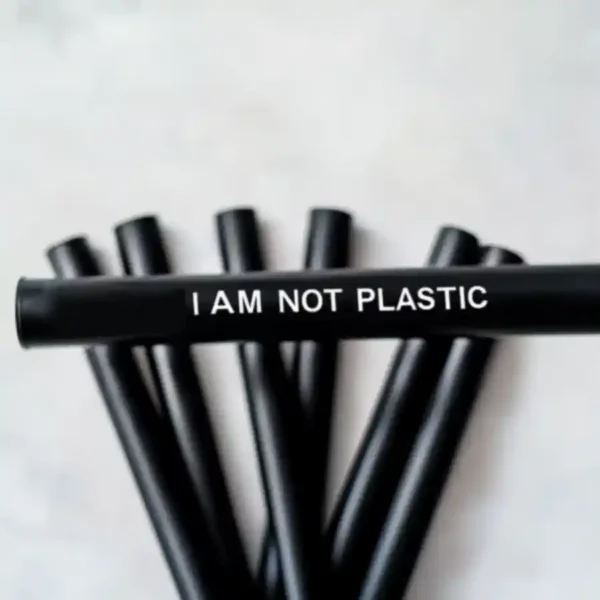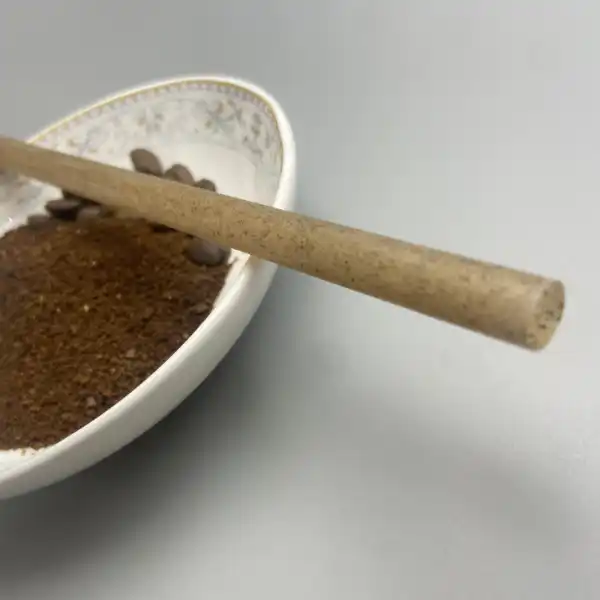
The Hidden Environmental Cost of Bubble Tea: Rethinking Boba Straws
The global bubble tea market, projected to reach $4.3 billion by 2027, has created an unexpected environmental challenge: the disposal of millions of boba straws daily. This analysis explores the environmental impact and cutting-edge solutions transforming the industry.
The Scale of the Problem
Recent data reveals:
- A single bubble tea shop generates approximately 365,000 plastic straws annually
- Traditional plastic boba straws take 200+ years to decompose
- Microplastic particles from degrading straws have been found in 90% of marine samples studied
Revolutionary Sustainable Alternatives
1. Next-Generation Biomaterials
Sugarcane-Based Innovation
- Carbon footprint: 5.27g CO2e per straw (89% lower than plastic)
- Biodegrades in 180 days under industrial composting
- Maintains structural integrity for 4+ hours in hot/cold beverages
- Cost: $0.04-0.06 per unit at scale
Bamboo Fiber Technology
- Zero waste production process
- Naturally antibacterial
- Withstands temperatures from -20°C to 100°C
- 100% home compostable within 90 days
वास्तविक दुनिया की सफलता की कहानियाँ
Case Study: Gong Cha Taiwan
After switching to bamboo fiber straws in 2022:
- 72% reduction in carbon footprint
- 15% increase in customer satisfaction
- 8% revenue growth attributed to eco-conscious branding
- ROI achieved within 8 months
Scientific Breakthrough: Molecular Engineering
Research from MIT’s Department of Materials Science has developed a new class of biodegradable polymers:
- Enhanced durability (4x stronger than current alternatives)
- Complete biodegradation in marine environments within 60 days
- Zero toxic residue
- Competitive production costs ($0.03 per unit)
Implementation Framework for Businesses
1. Strategic Transition Plan
- Conduct environmental impact assessment
- Phase out plastic inventory
- Train staff on sustainable practices
- Implement customer education program
2. Quality Control Metrics
- Regular durability testing
- Customer satisfaction monitoring
- Waste reduction tracking
- Carbon footprint measurement
Economic Impact
Recent market analysis shows:
- 78% of Gen Z consumers willing to pay premium for sustainable options
- 3.2x higher brand loyalty for eco-conscious establishments
- 45% reduction in operational costs through bulk sustainable purchasing
- Enhanced regulatory compliance in markets with plastic bans
Future Innovations
Emerging technologies:
- Self-degrading triggers activated by specific enzymes
- Carbon-negative production processes
- Integration with blockchain for supply chain transparency
- Smart materials adapting to temperature changes
निष्कर्ष
The transition to sustainable boba straws represents more than environmental responsibility—it’s a business imperative. With advancing technology, decreasing costs, and increasing consumer demand, the path to sustainability has become both economically viable and strategically advantageous.
Sources:
- पर्यावरण विज्ञान & Technology (2023): “Microplastic Contamination from Food Service Items”
- McKinsey & Company (2023): “Sustainability in Food Service: Market Analysis”
- MIT Materials Science Department (2023): “Biodegradable Polymer Innovation”
- Nature Materials (2023): “Smart Materials in Food Service Applications”
- Allied Market Research (2023): “Global Bubble Tea Market Forecast”