Dampak plastik sekali pakai terhadap lingkungan semakin memprihatinkan, dan sedotan merupakan salah satu penyebab utama permasalahan ini. Sedotan plastik menyumbang sekitar 4% dari hampir delapan juta ton sampah plastik yang dihasilkan setiap tahunnya. Benda-benda yang tampaknya kecil ini menimbulkan ancaman besar bagi planet kita, berakhir di tempat pembuangan sampah dan lautan, sehingga membahayakan satwa liar dan mencemari ekosistem. Panduan ini memberikan gambaran komprehensif mengenai pilihan jerami yang berkelanjutan, membantu Anda membuat keputusan yang selaras dengan nilai-nilai Anda dan berkontribusi terhadap planet yang lebih sehat.

Mengapa Memilih Sedotan Ramah Lingkungan?
Masalah Sedotan Plastik
Sedotan plastik tradisional menghadirkan beberapa tantangan lingkungan. Bahan-bahan tersebut sulit didaur ulang karena ukuran dan bentuknya yang kecil, sehingga sering menyumbat mesin penyortiran. Akibatnya, sampah-sampah tersebut berakhir di tempat pembuangan sampah atau sebagai sampah laut, yang membutuhkan waktu ratusan tahun untuk terurai. Selain itu, sedotan plastik terbuat dari minyak bumi, sumber daya tak terbarukan, dan produksinya berkontribusi terhadap emisi gas rumah kaca. Akumulasi sampah plastik di saluran air dan tempat pembuangan sampah menimbulkan ancaman langsung terhadap satwa liar, karena hewan dapat menelan atau terjerat dalam sampah tersebut.
Manfaat Sedotan Biodegradable dan Kompos
Sebaliknya, sedotan biodegradable dan kompos menawarkan alternatif yang lebih ramah lingkungan. Sedotan ini terurai secara alami, sehingga mengurangi sampah di tempat pembuangan sampah dan lautan. Seringkali bahan bakar tersebut dibuat dari sumber daya terbarukan, sehingga mengurangi ketergantungan pada bahan bakar fosil yang jumlahnya terbatas. Banyak sedotan biodegradable yang terbuat dari bahan nabati, menjadikannya pilihan yang lebih aman dibandingkan sedotan plastik yang mungkin mengandung bahan tambahan berbahaya. Selain itu, bahan-bahan tersebut tidak membentuk mikroplastik berbahaya selama proses dekomposisi, sehingga mengurangi dampak jangka panjang terhadap ekosistem dan kesehatan manusia. Dengan memilih sedotan yang ramah lingkungan, kita dapat mengurangi emisi gas rumah kaca dan mendorong pendekatan yang lebih ramah lingkungan.
Jenis Sedotan Ramah Lingkungan: Perbandingan Mendetail
Pasar menawarkan beragam pilihan jerami ramah lingkungan, yang masing-masing memiliki sifat uniknya. Bagian ini memberikan perbandingan mendalam untuk membantu Anda memilih alternatif terbaik untuk kebutuhan spesifik Anda.
Opsi Berbasis Tanaman
- Sedotan PHA (Polihidroksialkanoat).: PHA adalah zat berbasis bio yang berasal dari sumber daya terbarukan seperti tepung maizena, tebu, dan minyak kanola. Sedotan ini dapat terurai secara hayati di berbagai lingkungan, termasuk pengomposan rumah tangga dan industri, serta lingkungan laut. Sedotan PHA terlihat dan berfungsi serupa dengan sedotan plastik tradisional dan disetujui FDA untuk layanan makanan. Meskipun serbaguna dan tahan lama, harganya cenderung lebih mahal dengan persediaan terbatas.
- Sedotan PLA (Asam Polylactic): PLA adalah bioplastik yang terbuat dari sumber nabati seperti tepung maizena atau tebu. Sedotan PLA dapat terurai secara hayati tetapi memerlukan fasilitas pengomposan industri agar dapat terurai secara efisien. Meskipun merupakan pilihan yang tahan lama dan berkelanjutan, bahan ini tidak akan rusak di tempat pembuangan sampah, dan mungkin kehilangan integritas strukturalnya dalam cairan panas.
- Sedotan Agave: Sedotan agave terbuat dari serat limbah tanaman agave, produk sampingan dari produksi tequila dan mezcal. Sedotan ini tahan lama, mirip dengan sedotan plastik, dan cepat rusak di tempat pembuangan sampah. Bahan-bahan tersebut tidak beracun dan dapat terurai secara hayati, sehingga menawarkan alternatif berkelanjutan terhadap bioplastik. Namun persediaan sedotan agave saat ini terbatas dan pilihan warna dan modelnya tidak banyak.
- Sedotan bambu: Bambu adalah sumber daya terbarukan yang tumbuh cepat dan digunakan untuk membuat sedotan yang tahan lama dan ringan. Sedotan bambu dapat terurai secara hayati dan dapat dibuat kompos, serta tidak menghantarkan panas atau dingin. Produk ini merupakan pilihan yang hemat biaya, namun mungkin memiliki rasa atau bau seperti tumbuhan, menyerap cairan, dan warnanya mungkin tidak beragam.
- Sedotan Rumput: Sedotan rumput terbuat dari berbagai jenis rumput alami, seperti rumput gandum atau jerami. Bahan-bahan tersebut dapat terbiodegradasi dan dapat dibuat kompos, serta hanya mengalami sedikit proses pengolahan. Jerami rumput merupakan pilihan yang hemat biaya, namun ketersediaannya terbatas, umur simpannya lebih pendek, dan kurang tahan lama.
- Sedotan Tebu: Sedotan tebu terbuat dari ampas tebu, produk sampingan dari pengolahan tebu. Sedotan ini kuat, tahan lama, tahan air, dan dapat dibuat kompos di rumah. Cocok untuk minuman dingin tetapi ketersediaannya terbatas dan tidak cocok untuk minuman panas.
- Sedotan Gandum dan Alang-alang: Sedotan gandum dan alang-alang terbuat dari batang gandum dan alang-alang yang dapat diperbarui. Sedotan ini bekerja dengan baik baik pada minuman panas maupun dingin dan tidak mengubah rasa minuman. Mereka mungkin pecah jika terjepit, dan diameternya mungkin tidak konsisten dari satu batch ke batch lainnya.
Sedotan Kertas
Sedotan kertas terbuat dari bubur kayu yang dapat menyebabkan deforestasi. Beberapa sedotan kertas mengandung PFAS (zat per dan polifluoroalkil), bahan kimia yang menimbulkan risiko kesehatan dan tidak terurai di lingkungan atau tubuh. Meskipun sedotan kertas lebih cepat terurai dibandingkan sedotan plastik dan harganya relatif murah, sedotan ini cenderung basah dan tidak dapat didaur ulang jika terkontaminasi dengan makanan.
Bahan Lainnya
- Sedotan Sulapac: Sedotan sulapac terbuat dari kombinasi kayu dan biopolimer yang dapat terurai secara hayati. Bahan-bahan tersebut tidak basah, dapat dibuat kompos secara industri, berbahan dasar bio, dan tidak menghasilkan mikroplastik.
- Sedotan AirCarbon: Sedotan AirCarbon terbuat dari polimer biodegradable yang dihasilkan oleh bakteri dari gas rumah kaca. Produk yang dihasilkan bersifat karbon negatif.
- Selulosa Asetat: Selulosa asetat adalah zat kuat dan mudah terbiodegradasi yang terbuat dari serat tumbuhan yang dapat terurai di fasilitas pengomposan industri.
Ringkasan Tabel
| Jenis Jerami | Daya tahan | Komposabilitas | Biaya | Dampak lingkungan |
|---|---|---|---|---|
| PHA | Tinggi | Rumah, Industri, Kelautan | Tinggi | Rendah |
| PLA | Tinggi | Industri | Sedang | Sedang |
| Agave | Tinggi | TPA | Sedang | Rendah |
| Bambu | Sedang | Rumah | Rendah | Rendah |
| Rumput | Rendah | Rumah | Rendah | Rendah |
| Tebu | Tinggi | Rumah | Sedang | Rendah |
| Gandum/Alang-alang | Sedang | Rumah | Sedang | Rendah |
| Kertas | Rendah | Rumah (jika tidak dilapisi) | Rendah | Sedang |
| sulapac | Tinggi | Industri | Tinggi | Rendah |
| Karbon Udara | Tinggi | Industri, Lingkungan Alam | Tinggi | Sangat Rendah |
| Selulosa Asetat | Tinggi | Industri | Sedang | Rendah |
Memahami Metode Pembuangan
Penting untuk memahami perbedaan antara bahan yang dapat terbiodegradasi, dapat dibuat kompos, dan dapat terurai di laut untuk memastikan pembuangan yang benar.
Dapat terurai secara hayati vs. Dapat dibuat kompos vs. Dapat terurai di laut
- Dapat terurai secara hayati sedotan terurai secara alami menjadi senyawa yang lebih sederhana seiring waktu ketika terkena kondisi lingkungan.
- Dapat dibuat kompos sedotan dirancang untuk terurai di fasilitas pengomposan dalam kondisi terkendali.
- Dapat terurai di laut sedotan dapat terurai di lingkungan laut, terurai menjadi zat yang tidak berbahaya tanpa membahayakan kehidupan laut.
Kompos Rumah vs. Kompos Industri
- Dapat dibuat kompos untuk rumah sedotan dapat terurai dalam sistem pengomposan rumah dalam kondisi normal.
- Dapat dibuat kompos untuk industri sedotan memerlukan suhu yang lebih tinggi dan aktivitas mikroba di fasilitas pengomposan industri agar dapat terurai sepenuhnya dalam jangka waktu yang lebih singkat.
Saran Praktis untuk Pembuangan
Buanglah sedotan sesuai dengan bahannya. Kertas dan sedotan agave umumnya dapat terurai secara hayati di tempat pembuangan sampah, sedangkan bioplastik seperti PHA dan PLA memerlukan pengomposan industri. Beberapa sedotan, seperti Nodax PHA, dapat terurai secara hayati di laut. Memahami perbedaan-perbedaan ini dapat membantu Anda membuat keputusan pembuangan yang tepat.
Memilih Sedotan yang Tepat Sesuai Kebutuhan Anda
Memilih jerami ramah lingkungan yang tepat melibatkan mempertimbangkan berbagai faktor, termasuk kebutuhan spesifik Anda.
Untuk bisnis
- Restoran dan Kafe: Prioritaskan sedotan tahan lama yang memenuhi preferensi pelanggan. Pertimbangkan sedotan PHA atau Sulapac karena sifatnya yang kuat dan daya tarik pelanggan.
- Batangan: Fokus pada sedotan yang terlihat bagus untuk koktail, seperti sedotan nabati atau bambu.
- Santai Cepat dan Bawa Pulang: Pilih opsi yang menyeimbangkan kenyamanan dengan pembuangan yang tepat. Sedotan PHA atau selulosa asetat menawarkan keseimbangan yang baik antara keberlanjutan dan kinerja.
Untuk konsumen
- Penggunaan Sehari-hari: Pilihlah bahan yang dapat digunakan kembali, seperti logam atau silikon, atau bahan sekali pakai yang ramah lingkungan seperti PHA atau sedotan agave.
- Kebutuhan Khusus: Pilih sedotan yang dapat ditekuk dan cocok untuk penyandang disabilitas, seperti sedotan yang terbuat dari PHA.
Faktor yang Perlu Dipertimbangkan
Saat memilih sedotan, pertimbangkan:
- Efektivitas biaya: Beberapa opsi lebih mahal, namun penghematan jangka panjang mungkin dilakukan.
- Daya tahan: Pilihlah sedotan yang tahan terhadap penggunaan yang dimaksudkan.
- Estetika: Pilih sedotan yang sesuai dengan merek atau preferensi pribadi Anda.
- Akhir kehidupan: Pastikan pembuangan yang benar dapat dilakukan, sesuai dengan kemampuan kompos jerami.
- Tersedianya: Pertimbangkan pasokan dan skalabilitas material yang dipilih.
- Sertifikasi: Carilah sertifikasi dari organisasi seperti BPI, CMA, atau TUV Austria untuk memastikan produk memenuhi standar industri dalam hal komposabilitas.
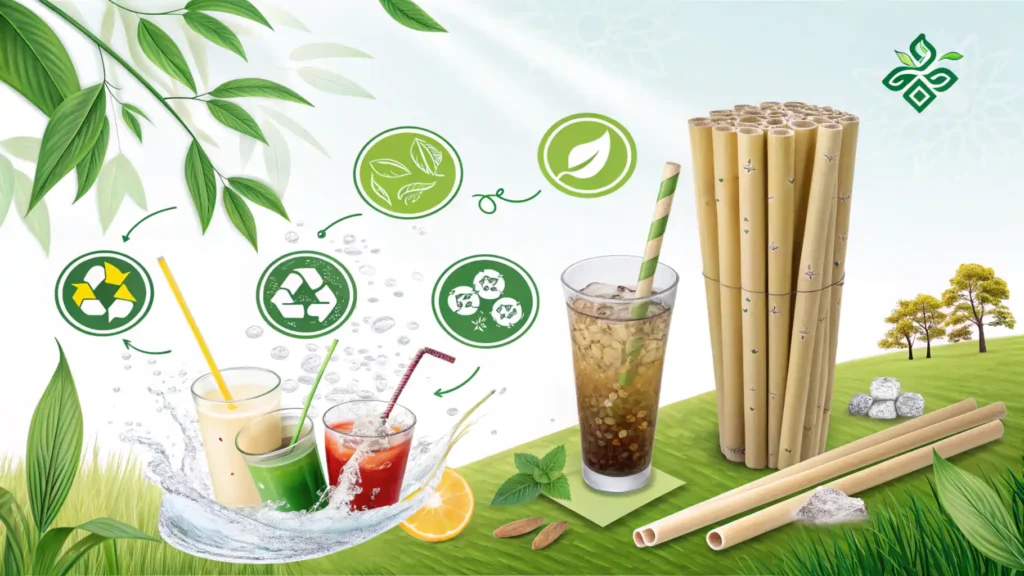
Mengatasi Kekhawatiran Umum
Beberapa kekhawatiran sering muncul ketika beralih ke sedotan yang ramah lingkungan.
- Kekecewaan: Sedotan kertas diketahui cepat basah. PHA, Sulapac, agave, dan sedotan bambu lebih tahan terhadap kelembapan.
- Biaya: Alternatif yang ramah lingkungan pada awalnya mungkin lebih mahal dibandingkan sedotan plastik, namun harganya menjadi lebih kompetitif.
- Rasa/Bau: Beberapa sedotan nabati mungkin memiliki rasa atau bau yang mirip dengan tumbuhan.
- Ketersediaan dan Skalabilitas: Beberapa pilihan jerami memiliki pemasok yang terbatas atau sulit untuk ditingkatkan skalanya untuk produksi massal.
Beyond Straws: Mengurangi Sampah Secara Holistik
Selain memilih sedotan yang ramah lingkungan, pertimbangkan cara lain untuk mengurangi limbah:
- Mendorong Opsi “Tanpa Jerami”: Promosikan minum langsung dari cangkir dan gunakan tutup yang dirancang untuk minum tanpa sedotan.
- Berikan Insentif pada Sedotan yang Dapat Digunakan Kembali: Tawarkan diskon kepada pelanggan yang membawa sedotan sendiri.
- Fokus pada Barang Sekali Pakai lainnya: Gunakan cangkir, wadah, dan peralatan makan yang dapat dibuat kompos.
- Promosikan Konsumsi yang Bertanggung Jawab: Kurangi penggunaan sedotan yang tidak perlu dengan menanyakan preferensi tamu dan hanya menggunakan sedotan bila diperlukan.
Masa Depan Sedotan Berkelanjutan
Inovasi teknologi akan terus menghadirkan material dan proses manufaktur baru ke pasar. Larangan dan kebijakan penggunaan plastik sekali pakai juga mempengaruhi industri ini, mendorong dunia usaha dan individu untuk beralih ke pilihan yang berkelanjutan.
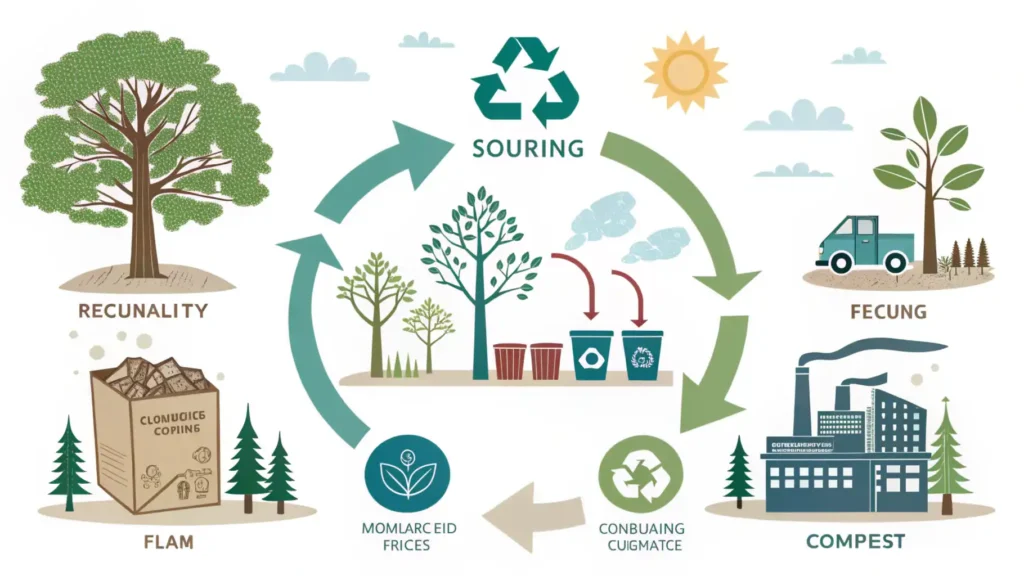
Pertanyaan yang Sering Diajukan (FAQ)
● WApa jenis utama sedotan biodegradable?
○Jenis utama meliputi sedotan PHA, PLA, kertas, agave, bambu, rumput, tebu, nabati, dan selulosa asetat2.
●Apa perbedaan sedotan biodegradable dengan sedotan kompos?
○Dapat terurai secara hayati sedotan terurai secara alami tetapi dengan kecepatan dan kondisi yang berbeda dapat dibuat kompos sedotan memerlukan fasilitas pengomposan khusus untuk terurai4.
●Apakah sedotan PHA di laut dapat terurai?
○Ya, sedotan PHA sering kali dapat terurai di laut, artinya sedotan ini dapat terurai di lingkungan laut tanpa membahayakan satwa liar24.
●Apakah sedotan PLA terurai di tempat sampah kompos rumah?
○Tidak, sedotan PLA memerlukan fasilitas pengomposan industri agar dapat terurai secara efektif2.
●Apakah sedotan kertas merupakan pilihan yang ramah lingkungan?
○Sedotan kertas memang hemat biaya, namun sering kali menjadi basah, kurang tahan lama, dan mungkin mengandung bahan kimia PFAS2 yang berbahaya.
●Di mana saya bisa menemukan sedotan agave?
○Sedotan agave dapat ditemukan di Cetak Hijau2.
●Apa manfaat menggunakan sedotan tebu?
○Sedotan tebu tahan air dan dapat dibuat kompos di rumah, namun tidak cocok untuk minuman panas2.
●Bagaimana cara mengetahui apakah sedotan dapat dijadikan kompos secara industri?
○Carilah sertifikasi yang menunjukkan kemampuan kompos industri. Biasanya, kemasan atau informasi produk akan menentukan hal ini3.
●Apa saja merek yang membuat sedotan ramah lingkungan?
○Phade adalah merek populer PHA Sedotan, Dan sulapac menawarkan bahan unik untuk sedotan23.
●Mengapa sedotan plastik buruk bagi lingkungan?
○Sedotan plastik sulit didaur ulang, berkontribusi terhadap polusi, membahayakan satwa liar, dan terbuat dari minyak bumi yang tidak ramah lingkungan1.
Kesimpulan
Memilih sedotan yang ramah lingkungan merupakan langkah penting dalam mengurangi sampah plastik dan meningkatkan kepedulian terhadap lingkungan. Dengan memahami berbagai bahan yang tersedia, mempertimbangkan kebutuhan spesifik dunia usaha dan konsumen, serta memastikan praktik pembuangan yang benar, kita dapat menciptakan masa depan yang lebih berkelanjutan. Baik konsumen maupun dunia usaha dapat membuat pilihan berdasarkan informasi dan mengadvokasi kebijakan yang mendukung bumi yang lebih sehat.