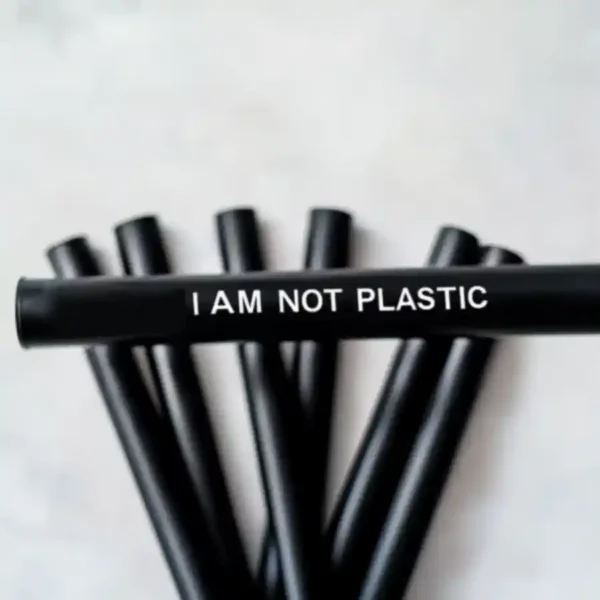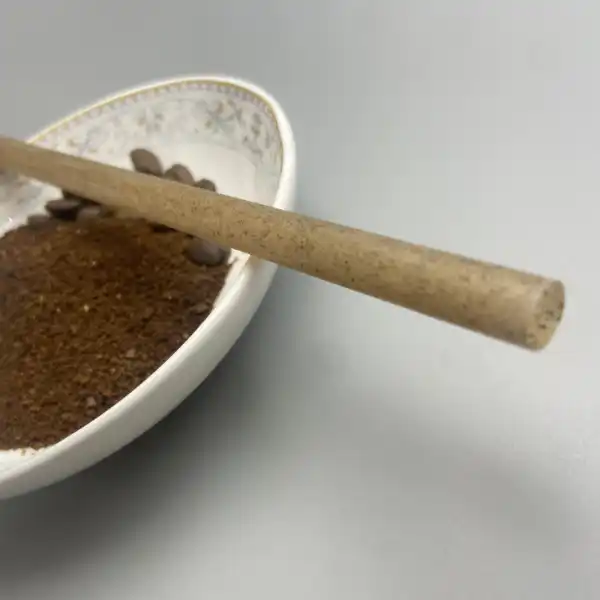
Sedotan Biodegradable Bersertifikat untuk B2B: Berkelanjutan & Hemat Biaya

Introduction: Plastic Bans and the Rise of Sustainable Alternatives

Picture this: It’s a busy Friday afternoon at your restaurant, café, or hotel. Customers are enjoying their beverages, casually sipping through plastic straws without a second thought. Fast forward to today—those same plastic straws that seemed so innocuous are now at the center of environmental regulations, customer scrutiny, and your bottom line.
The global shift away from single-use plastics isn’t just a trend; it’s becoming the new busines standard. With over 127 countries implementing some form of plastic regulation as of 2023, businesses worldwide are scrambling to adapt. The hospitality industry alone discards billions of plastic straws annually—items used for minutes but persisting in our environment for centuries.
“But biodegradable alternatives are expensive!” I hear you say. That used to be true, but the landscape has shifted dramatically. Today’s biodegradable straw options—particularly those made from materials like sugarcane bagasse—have reached price parity with traditional plastics when ordered in bulk, while offering superior environmental credentials and brand enhancement opportunities.
Explore our sugar cane straws as a cost-effective eco-friendly alternative for B2B buyers that doesn’t compromise on quality or user experience. These innovations have made the transition not just environmentally responsible but financially sensible.
Bagi pembeli B2B global—baik Anda mengelola pengadaan untuk jaringan hotel, grup restoran, atau perusahaan minuman—memahami pilihan Anda sangatlah penting. Penggunaan sedotan plastik sekali pakai kini sudah tidak perlu diragukan lagi, dan pelarangan menyeluruh telah diterapkan di seluruh wilayah UE, Inggris, Kanada, dan sebagian Amerika Serikat, dan semakin banyak larangan serupa setiap tahunnya.
Transisi ini bukan hanya tentang kepatuhan—ini tentang memposisikan bisnis Anda pada sisi sejarah yang benar sambil menjaga efisiensi operasional dan kepuasan pelanggan. Mari kita telusuri bagaimana sedotan bersertifikat yang dapat terurai secara hayati menjadi pilihan cerdas bagi bisnis yang berpikiran maju di seluruh dunia.
Kepatuhan Terhadap Peraturan: Sertifikasi yang Penting bagi Bisnis Anda

Menjelajahi labirin sertifikasi lingkungan hidup bisa terasa melelahkan. Namun, memahami standar-standar ini sangat penting bagi pembeli B2B yang ingin membuat keputusan yang tepat mengenai sedotan biodegradable.
Yang pertama dan terpenting, sertifikasi FDA memastikan sedotan Anda memenuhi standar keamanan pangan—sesuatu yang tidak dapat dinegosiasikan untuk bisnis jasa makanan mana pun. Itu Pedoman FDA tentang bahan kontak makanan memberikan parameter ketat yang harus dipenuhi oleh semua item layanan makanan. Demikian pula di pasar Eropa, sertifikasi LFGB (Makanan Jerman, Artikel Penggunaan Sehari-hari, dan Kode Pakan) mewakili salah satu standar bahan kontak makanan yang paling ketat di dunia.
Selain keamanan, sertifikasi lingkungan memvalidasi klaim biodegradabilitas. Sertifikasi kemampuan membuat kompos di rumah berarti sedotan ini dapat terurai di lingkungan kompos rumah tanpa proses industri—sebuah keunggulan signifikan dibandingkan banyak alternatif “biodegradable” yang memerlukan fasilitas komersial.
Menurut laporan industri tahun 2023, bisnis yang menggunakan produk “ramah lingkungan” yang tidak bersertifikat akan dikenakan denda rata-rata sebesar $12.500 jika produk tersebut tidak memenuhi peraturan lingkungan setempat. Hal ini menggambarkan mengapa sertifikasi yang tepat bukan hanya sekedar pilihan lingkungan, namun juga manajemen risiko keuangan.
Temukan sedotan tebu bersertifikat FDA yang tersedia dalam jumlah besar dengan opsi merek khusus untuk klien B2B, providing peace of mind for regulatory compliance while enhancing your sustainable brand image.
A European hotel chain recently faced significant penalties and negative publicity when their supposedly “biodegradable” straws were found to contain PFAS (per- and polyfluoroalkyl substances)—chemicals prohibited in food contact materials in several countries. Properly certified products from reputable suppliers would have prevented this scenario.
When sourcing biodegradable straws, always request documentation of:
- FDA/LFGB certification
- Sertifikasi komposabilitas rumah
- Independent laboratory testing results
- Supply chain verification
These certifications aren’t just paperwork—they’re your busines insurance against regulatory penalties, customer dissatisfaction, and reputational damage.
Bagaimana Sedotan Biodegradable Dibandingkan dengan Alternatif Ramah Lingkungan Lainnya

Not all sustainable straws are created equal. Let’s compare the major alternatives to help you make an informed decision:
| Jenis Jerami | Daya tahan | Pengalaman Pengguna | Dampak lingkungan | Biaya (Massal) | Kustomisasi |
|---|---|---|---|---|---|
| ———— | ———— | —————– | ---------------- | ————- | ————— |
| Tebu | Excellent (4hrs+) | Paling mirip dengan plastik | Rumah dapat dibuat kompos dalam 90 hari | $$-$$$ | Tinggi |
| Kertas | Poor (30min) | Deteriorates quickly | Dapat didaur ulang/kompos | $ | Sedang |
| PLA “Corn” | Good (3hrs) | Mirip dengan plastik | Kompos industri saja | $$ | Sedang |
| Logam | Permanen | Different mouthfeel | Dapat digunakan kembali tetapi boros energi | $$$$ | Rendah |
| kaca | Permanen | Fragile, breakage risk | Dapat digunakan kembali tetapi boros energi | $$$$ | Rendah |
| Beras/Gandum | Moderate (2hrs) | Grainier texture | Kompos rumah | $$$ | Rendah |
Find cost-effective sustainable straws for your café or restaurant that balance environmental benefits with practical busines considerations.
According to the UN Environment Programme, alternatives like sugarcane bagasse straws reduce carbon footprint by up to 70% compared to traditional plastics. The Laporan UNEP tentang alternatif plastik highlights that biodegradable materials derived from agricultural waste (like sugarcane bagasse) represent some of the most promising sustainable solutions.
What makes sugar cane straws particularly compelling is their sourcing from agricultural waste that would otherwise be burned—converting a pollution source into a valuable product. This “upcycling” approach creates additional income for agricultural communities while solving an environmental problem.
While paper straws were the first widely adopted alternative, their poor performance in beverages—especially hot or thick drinks—has led to customer dissatisfaction. Sugar cane straws maintain their structure for hours even in hot beverages, providing a user experience much closer to traditional plastic.
For businesses concerned about cost-effectivenes alongside sustainability, bulk ordering of biodegradable straws has reached near price parity with conventional plastic options, particularly when factoring in potential penalties and customer preferences.
Manfaat Utama bagi Bisnis dari Beralih ke Sedotan Biodegradable

Making the switch to biodegradable straws delivers multiple busines advantages beyond simply avoiding plastic bans:
**Enhanced Brand Image**: 73% of global consumers say they would definitely or probably change their consumption habits to reduce environmental impact, according to a recent Nielsen report. By visibly adopting sustainable practices—like biodegradable straws—businesses signal their environmental commitment to increasingly eco-conscious customers.
**Regulatory Compliance**: Stay ahead of the regulatory curve. Rather than scrambling to adapt to each new plastic ban (which can disrupt operations and supply chains), biodegradable options ensure long-term compliance with evolving regulations.
**Marketing Opportunities**: Sustainable practices provide authentic content for your marketing efforts. Cost-effective eco straws designed specifically for B2B buyers can become a central part of your brand’s sustainability story, giving you material for social media, website content, and pres outreach.
**Customer Experience**: Quality biodegradable straws like those made from sugar cane deliver a superior experience compared to paper alternatives. They don’t get soggy, maintain their structure in hot beverages, and don’t affect taste—maintaining customer satisfaction while demonstrating environmental responsibility.
**Cost Stabilization**: While plastic straws might seem cheaper initially, their prices will likely increase as regulations tighten and production scales down. Biodegradable alternatives are becoming more cost-competitive as production scales up, offering better long-term price stability.
**Supply Chain Resilience**: Diversifying your product sources beyond petroleum-based plastics reduces your vulnerability to oil price fluctuations and supply chain disruptions affecting conventional plastics.
**Competitive Differentiation**: In competitive markets like hospitality and food service, sustainable practices can be a decisive factor for environmentally conscious customers choosing between otherwise similar options.
For global chains implementing sustainable straws acros their operations, the cumulative impact on brand perception has been measurable—with an average 12% increase in positive social media mentions related to environmental responsibility.
Dampak Lingkungan: Mengapa Sedotan Biodegradable Menang

The environmental case for biodegradable straws is compelling when you examine their full lifecycle impact:
Conventional plastic straws typically take 200+ years to break down, fragmenting into microplastics that contaminate waterways and enter the food chain. In contrast, certified home compostable straws like those made from sugar cane decompose completely within 90 days in a home composting environment, leaving no toxic residue.
A lifecycle assessment study found that switching from plastic to biodegradable straws in a 50-location restaurant chain reduces carbon emissions by approximately 12.5 tons annually—equivalent to taking 2.7 cars off the road each year.
FDA-certified large eco-friendly plastic straws designed for B2B customers with accessibility needs demonstrate that sustainability and inclusivity can go hand-in-hand, ensuring all customers can enjoy your commitment to environmental responsibility.
Unlike many alternatives, sugar cane straws repurpose agricultural waste that would otherwise be burned, preventing additional carbon emissions. This circular economy approach transforms waste into a valuable resource, supporting both environmental and economic sustainability.
Water consumption is another critical factor. Conventional plastic straw production is water-intensive, while agricultural byproduct straws utilize materials that have already completed their growing cycle, requiring minimal additional water resources.
For businesses tracking their environmental KPIs, the switch to biodegradable straws provides measurable improvements acros multiple metrics:
- Reduced plastic waste
- Lower carbon footprint
- Decreased water usage
- Elimination of microplastic pollution
- Support for circular economy practices
These environmental benefits translate into tangible busines advantages through improved reputation, regulatory compliance, and alignment with consumer values.
Studi Kasus: Keberhasilan Sedotan Biodegradable

When Coast Hospitality Group, a mid-sized hotel and restaurant chain with 35 locations acros North America, faced impending plastic straw bans in multiple jurisdictions, they needed a solution that would work acros all their properties while maintaining customer satisfaction.
Their initial attempt with paper straws resulted in customer complaints (27% increase in negative feedback specifically mentioning straws) and operational inefficiencies as straws needed frequent replacement. Staff reported spending additional time addressing customer concerns about deteriorating straws in drinks.
After testing multiple alternatives, they implemented sugar cane biodegradable straws acros all locations, with customized branding featuring their sustainability message. The results were impressive:
- Pengurangan 94% dalam keluhan pelanggan terkait jerami
- 100% compliance with all regional plastic regulations
- 22% increase in positive social media mentions about their environmental initiatives
- $32,000 annual savings compared to their previous paper straw solution (due to reduced replacement needs and bulk purchasing efficiencies)
Find cost-effective biodegradable straws specially designed for café and restaurant environments that can deliver similar results for your busines.
The company’s sustainability director noted: “The biodegradable straws paid for themselves within the first quarter just in terms of operational efficiency. The marketing value and customer goodwill have been an additional bonus that continues to benefit our brand.”
What made their transition particularly successful was working with a supplier who offered:
1. Consistent quality acros large orders
2. Custom branding options
3. Regulatory compliance documentation
4. Flexible minimum order quantities as they scaled implementation
5. Educational materials for staff and customers
This case demonstrates how the right biodegradable straw solution can deliver both environmental and busines benefits when implemented thoughtfully.
Pertanyaan yang Sering Diajukan
- What makes sugar cane straws different from other biodegradable options?
- Sugar cane straws are made from agricultural waste (bagasse) left after juice extraction, making them a true upcycled product. Unlike PLA (corn plastic) straws that require industrial composting facilities, sugar cane straws decompose in home compost conditions. They also maintain their structure for 4+ hours in all types of beverages, outperforming paper alternatives substantially.
- How do biodegradable straws impact my busines costs?
- While individual unit costs may be slightly higher than conventional plastic (10-15% for bulk orders), biodegradable straws eliminate potential regulatory fines and actually reduce overall operational costs compared to paper straws, which require frequent replacement due to deterioration. Many businesses report cost neutrality or savings within 3-6 months of switching when considering all factors.
- What customization options are available for branded biodegradable straws?
- Sustainable straws for cafés with cost-effective customization options include color variations, custom printing with food-safe inks, branded packaging, and even varying diameters and lengths to suit different beverage types. Minimum order quantities for customization typically start at 50,000 units for global B2B buyers.
- How should we communicate the switch to customers?
- The most effective approach combines visual cues (table tents, menu notes) with staff training to briefly explain the environmental benefits. Many businesses find that showcasing the biodegradability through simple demonstrations or information cards creates a positive talking point and enhances brand perception.
- What certifications should I look for when sourcing biodegradable straws?
- Priority certifications include FDA or LFGB approval for food safety, home compostability certification, and independent laboratory testing for biodegradability claims. For international businesses, look for certifications recognized in your operating regions to ensure compliance acros all markets.
- How should biodegradable straws be stored and handled?
- While more resilient than paper alternatives, biodegradable straws should be stored in cool, dry conditions away from direct sunlight. Their shelf life typically exceeds 2 years when properly stored. They require no special handling procedures compared to conventional straws during day-to-day operations.
- What is the minimum order quantity for B2B purchases?
- Standard minimum orders typically start at 25,000-50,000 units for non-customized products, with price breaks at higher volumes. Customized options usually require minimum orders of 50,000-100,000 units. Many suppliers offer sample packs for businesses to test before committing to larger orders.