I. PENDAHULUAN
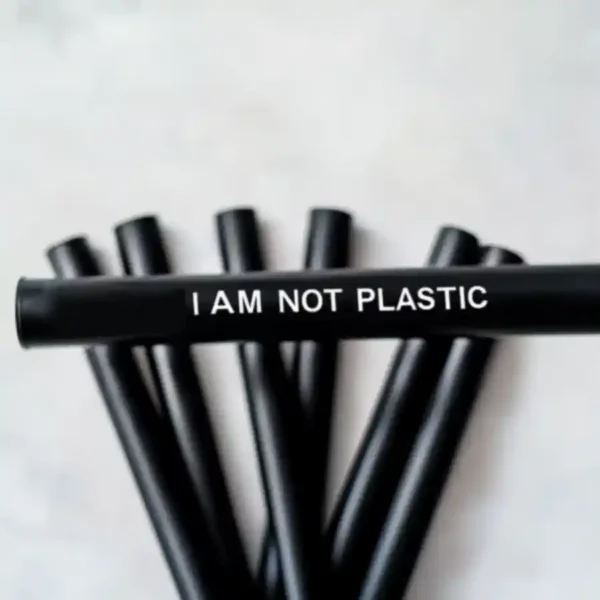
The imperative to reduce our reliance on single-use plastics, particularly items like plastic straws, has become increasingly evident in recent years due to their detrimental impact on the environment. As a result, the demand for sustainable alternatives has grown, with Sedotan biodegradable emerging as a viable option for businesses seeking to minimize their ecological footprint. This guide aims to provide businesses with a practical framework for making informed decisions when selecting biodegradable straws, ensuring that your choices align with both environmental responsibility and business needs.
II. Understanding the Problem: Why Switch to Biodegradable Straws?
Traditional plastic straws present significant environmental challenges. These single-use items contribute substantially to the proliferation of microplastics, which contaminate ecosystems and enter the food chain. Furthermore, they are major contributors to polusi laut, often ending up in oceans where they harm wildlife through ingestion and entanglement. Plastic straws also persist in landfills for hundreds of years, exacerbating waste management issues. It is therefore crucial that businesses acknowledge these impacts and adopt sustainable solutions. For a deeper understanding of the environmental impact of different straw materials, refer to Comparing Biodegradable Straws Materials.

III. What Are Biodegradable Straws Made Of?
Biodegradable straws are manufactured from a variety of renewable, plant-based materials, each with unique properties. Common options include:
- Sedotan kertas: Typically made from FDA-approved paper, often without plastic coatings, these straws are a popular choice, though they can become soggy if used for long periods.
- Bamboo straws: Dibuat dari bambu yang dapat diperbarui dengan cepat, sedotan ini tahan lama dan dapat digunakan kembali.
- Sedotan rumput: Terbuat dari 100% rumput alang-alang, sedotan ini dapat terurai secara hayati dan fleksibel.
- Sedotan padi: Terdiri dari beras dan tepung tapioka, sedotan ini dapat dibuat kompos dan bahkan dapat dikonsumsi setelah digunakan.
- Sedotan gandum: Berasal dari batang tanaman gandum, sedotan ini bebas gluten dan ramah terhadap alergen.
- Sedotan tebu: Dibuat dari serat tebu, sedotan ini tahan lama dan tahan digunakan dalam waktu lama tanpa menjadi basah. Mengeksplorasi Sedotan tebu yang dapat disesuaikan agar sesuai dengan estetika merek Anda.
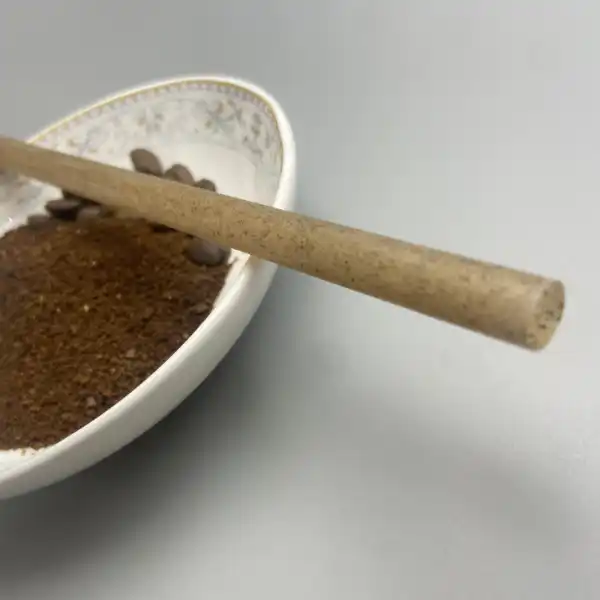
- Sedotan kopi: Terbuat dari ampas kopi, sedotan ini menawarkan aroma unik dan dapat terurai secara hayati. Lihat kami Sedotan kopi yang dapat disesuaikan untuk sentuhan yang khas.
- Sedotan PHA: Sedotan ini terbuat dari polihidroksialkanoat nabati dan dirancang untuk terurai di lingkungan laut.

Setiap bahan menawarkan berbagai manfaat. Ada yang dirancang agar cepat terurai, ada pula yang dimaksudkan agar tahan lama, dan ada pula yang bahkan menawarkan sifat unik seperti rasa atau aroma.
IV. Key Considerations When Choosing Biodegradable Straws
Memilih sedotan biodegradable yang sesuai untuk bisnis Anda memerlukan pertimbangan cermat terhadap beberapa faktor:
- Daya hancur secara biologis dan Komposabilitas: Penting untuk membedakan antara biodegradabilitas dan kompos. Dapat terurai secara hayati bahan akan terurai secara alami seiring waktu, sementara dapat dibuat kompos bahan terurai menjadi tanah yang kaya nutrisi. Selain itu, beberapa sedotan dirancang khusus untuk itu biodegradable laut, artinya mereka akan terurai di lingkungan laut. Pastikan untuk memastikan apakah sedotan dapat dibuat kompos di rumah atau memerlukan fasilitas pengomposan industri.
- Daya Tahan dan Fungsionalitas: Sedotan yang dipilih harus dapat mempertahankan integritas strukturalnya saat digunakan dengan minuman panas dan dingin, agar tidak basah atau rusak. Pertimbangkan ukuran dan diameter yang sesuai untuk menampung berbagai minuman, seperti sedotan yang lebih lebar untuk teh boba.
- Keselamatan dan Kesehatan: Sedotan biodegradable umumnya merupakan alternatif yang lebih aman dibandingkan plastik, karena tidak mengandung bahan kimia berbahaya yang ditemukan dalam plastik. Pastikan sedotan yang dipilih terbuat dari bahan food grade dan memenuhi standar FDA.
- Biaya dan Anggaran: While the initial cost of biodegradable straws may be higher than that of plastic straws, it’s essential to view this as an investment in your brand and the environment. By sourcing in bulk and considering long-term benefits such as reduced waste management costs and enhanced customer loyalty, the financial impact can be mitigated.
For more insights on different types of drinking straws and their eco-friendliness, visit Types of Drinking Straws: Sizes, Uses, and Eco-Friendliness.

V. Practical Steps for Implementation
Implementing biodegradable straws effectively requires several key steps:
- Assessing Business Needs: Begin by evaluating your current straw usage and gather customer feedback on their preferences for sustainable options. Align your choice of straw with your business’s overall brand image.
- Finding Reliable Suppliers: Look for suppliers that offer sustainability certifications and adhere to ethical sourcing practices. Build strong relationships with your suppliers to ensure a consistent and high-quality supply of straws.
- Pelatihan Staf: Provide comprehensive training for your staff on the benefits of the new straws, and how to use them correctly. Engage your team in promoting these sustainable practices.
- Customer Education and Communication: Use clear signage to communicate the switch to biodegradable straws. Share information through social media, workshops, and other educational avenues. Highlight your business’s commitment to sustainability and its broader environmental benefits.
VI. Marketing and Branding Opportunities
Adopting biodegradable straws presents significant marketing and branding advantages. Emphasize your commitment to sustainability to attract eco-conscious consumers. Consider using custom printing on straw wrappers to promote your brand further. Promote your eco-friendly practices on social media and through collaborations with influencers to amplify your message.
VII. Addressing Common Concerns
Be prepared to address potential concerns:
- Kualitas Produk: Maintain a high standard for your biodegradable straws by conducting regular quality checks and establishing clear specifications with your suppliers.
- Supply Chain Disruptions: Anticipate and plan for potential supply chain disruptions by establishing relationships with multiple suppliers and closely monitoring market trends.
- Biaya: While the initial cost may be higher, communicate the long-term environmental and financial benefits of using biodegradable straws.

Viii Kesimpulan
The transition to biodegradable straws is a crucial step for businesses aiming to reduce their environmental impact. By making informed choices, implementing effective strategies, and actively engaging with customers and staff, businesses can create a positive impact on the planet. The adoption of biodegradable straws presents a win-win scenario, benefitting both the environment and your business’s brand.
IX. Call to Action
Businesses are encouraged to explore sustainable alternatives to single-use plastic straws. Contact reputable suppliers for detailed information and to initiate a purchase of biodegradable straws for your business, and take a proactive role in fostering a more sustainable future.
This comprehensive guide provides a structured approach to choosing and implementing biodegradable straws in your business. By taking these steps, you are not only making a responsible decision but also contributing to a healthier planet.
Tautan Internal:
- Sedotan tebu yang dapat disesuaikan
- Sedotan Bubuk Kopi yang Dapat Disesuaikan
- Individually Wrapped Regular Coffee Grounds Straw
Tautan Eksternal: