Dalam perjalanan kita bersama menuju gaya hidup yang lebih berkelanjutan, jerami telah muncul sebagai medan pertempuran yang sangat signifikan. Untungnya, era sedotan plastik sekali pakai, yang dapat bertahan selama berabad-abad di tempat pembuangan sampah dan lautan, akan segera berakhir. Namun dalam upaya mencari alternatif ramah lingkungan yang sempurna, kita dihadapkan pada banyak pilihan: kertas, bambu, logam, kaca, dan yang semakin populer… jerami tebu.
Nah, jika Anda seperti saya, pertanyaan pertama yang muncul di benak Anda saat mempertimbangkan sedotan non-plastik, terutama yang terbuat dari bahan nabati, adalah: “Apakah akan menjadi basah?”
Ini adalah kekhawatiran yang sah. Kita semua pernah mengalami kekecewaan karena sedotan kertas larut menjadi bubur di tengah-tengah es latte atau koktail favorit kita. Jadi, mari kita langsung saja dan mengatasi permasalahan dalam ruang (berkelanjutan): Apakah sedotan tebu menjadi basah?
Jawaban singkatnya, dan kebenaran jujur yang menyegarkan, adalah: Tidak seperti yang Anda harapkan, dan tentu saja tidak seperti alternatif kertas yang ditakuti tersebut.
Izinkan saya menjelaskan lebih lanjut, berbagi pengalaman saya dan mengapa saya sangat percaya pada kekuatan dan kepraktisan sedotan tebu.
Mengungkap Keajaiban: Apa Sebenarnya Sedotan Tebu Itu?
Sebelum kita mempelajari lebih dalam mengenai faktor rasa basah, mari kita hargai kecerdikan di balik solusi minum minuman beralkohol yang berkelanjutan ini. Sedotan tebu bukan sekadar batang tebu yang dilubangi. Sebaliknya, mereka dibuat dari Bestasse, produk sampingan berserat yang tersisa setelah batang tebu dihancurkan untuk diambil sari manisnya.
Di sinilah letak keajaiban sebenarnya. Alih-alih sumber daya berharga ini terbuang sia-sia, sumber daya tersebut diubah menjadi bahan yang kokoh dan tahan air secara alami. Ampas tebu biasanya dicuci, dipotong, dan terkadang mengalami proses minimal untuk menghasilkan sedotan yang halus, higienis, dan sangat tahan lama.
Berbeda dengan plastik, yang berasal dari bahan bakar fosil dan bertahan di lingkungan tanpa batas waktu, ampas tebu adalah a sumber daya terbarukan. Tebu adalah tanaman yang tumbuh cepat, dan pemanfaatan produk sampingannya untuk dijadikan jerami berkontribusi terhadap a ekonomi sirkular, mengurangi limbah dan ketergantungan kita pada plastik berbahaya. Apalagi sedotan tebu secara alami dapat terbiodegradasi dan dapat dibuat kompos, artinya mereka akan terurai dengan aman dan kembali ke bumi, tidak meninggalkan residu beracun.
Perjalanan Pribadi Saya: Dari Skeptis Menjadi Penggemar Tebu
Seperti kebanyakan orang, awalnya saya mendekati ide sedotan non-plastik dengan sikap skeptis yang sehat. Pengalaman awal saya dengan sedotan kertas tipis meninggalkan kesan mendalam berupa kekecewaan yang basah. Jadi, ketika sedotan tebu mulai populer, pikiran pertama saya adalah, “Ini dia lagi…”
Namun, rasa penasaran saya, ditambah dengan komitmen yang semakin besar untuk mengurangi jejak plastik, akhirnya mendorong saya untuk mencobanya. Pertemuan pertama saya adalah di kafe lokal yang menyajikan es teh dengan sedotan berwarna coklat muda yang agak bertekstur. Saya bersiap menghadapi pelunakan yang tak terelakkan, namun yang mengejutkan saya, hal itu tidak pernah benar-benar terjadi.
Saya merawat es teh itu selama setengah jam, terlibat dalam percakapan, dan sedotannya tetap kokoh. Tidak bengkok, tidak lembek, dan tentunya tidak hancur. Pengalaman tunggal itu memicu minat saya, dan saya mulai aktif mencari minuman yang disajikan dengan sedotan tebu.
Dari limun yang menyegarkan di hari musim panas hingga koktail yang dinikmati dengan santai di malam hari, pengalaman saya sangat positif. Saya bahkan telah mengujinya dengan minuman yang lebih kental seperti smoothie, dan hasilnya bertahan dengan baik.
Kebenaran yang Basah: Ini Masalah Derajat dan Waktu
Sekarang, mari kembali ke pertanyaan inti: Bisa sedotan tebu pernah menjadi basah?
Jawaban jujurnya adalah ya, pada akhirnya. Jika Anda membiarkan sedotan tebu terendam dalam cairan dalam waktu yang sangat lama – kira-kira beberapa jam – Anda mungkin akan melihat sedikit pelunakan di bagian tepinya. Hal ini karena, sebagai bahan nabati alami, pada akhirnya akan mulai menyerap kelembapan.
Namun, perbedaan utama antara sedotan tebu dan sedotan kertas terletak pada jangka waktu dan itu derajat dari rasa basah.
Sedotan kertas sering kali mulai kehilangan kekakuannya dalam beberapa menit setelah terendam. Mereka bisa menjadi tipis, mulai terkelupas, dan akhirnya berubah menjadi bubur tipis yang tidak enak dan sangat mengganggu pengalaman minum Anda.
Sedotan tebu, di sisi lain, memiliki tingkat yang jauh lebih tinggi ketahanan air alami. Strukturnya yang berserat dan proses minimal yang dilakukan berkontribusi pada daya tahannya. Bahan-bahan tersebut dapat bertahan dengan nyaman di dalam minuman Anda selama durasi konsumsi normal – baik 20 menit, 45 menit, atau bahkan satu jam atau lebih – tanpa menjadi sangat basah atau tidak dapat digunakan.
Menurut pengalaman saya, bahkan setelah terpapar dalam waktu lama (dalam beberapa kasus kita berbicara lebih dari satu jam), jerami tebu mungkin terasa sedikit lebih lembut saat disentuh, namun tetap mempertahankan integritas struktural dan fungsinya. Sedotan ini tidak akan roboh atau hancur seperti halnya sedotan kertas.
Mengapa Sedotan Tebu Berkuasa di Gudang Senjata Ramah Lingkungan Saya
Pengalaman positif saya dengan sedotan tebu telah mengukuhkan posisinya sebagai alternatif pilihan saya yang ramah lingkungan dibandingkan plastik. Inilah alasan saya menjadi penggemarnya:
- Daya Tahan Unggul: Seperti yang telah kita diskusikan, penolakan mereka terhadap rasa basah merupakan sebuah terobosan. Saya benar-benar dapat menikmati minuman saya tanpa sedotan menjadi gangguan.
- Rasa dan Bau Netral: Tidak seperti beberapa alternatif lainnya, sedotan tebu tidak memberikan rasa atau bau apa pun pada minuman Anda, sehingga memastikan pengalaman minum yang murni.
- Tekstur yang Menyenangkan: Teksturnya halus dan alami, jauh lebih menarik dibandingkan tekstur pilihan lainnya yang sering kali kasar atau tipis.
- Kredensial Lingkungan yang Lebih Kuat: Terbuat dari sumber daya terbarukan (ampas tebu), memanfaatkan limbah pertanian, dan sepenuhnya dapat terurai secara hayati serta dapat dijadikan kompos, sedotan tebu memenuhi kriteria keberlanjutan.
- Fleksibilitas: Cocok untuk berbagai macam minuman panas dan dingin.
Mengatasi Persaingan: Tebu vs. Alternatif Lain
Meskipun sedotan tebu telah membuat saya terpesona, ada baiknya saya mempertimbangkan secara singkat bagaimana sedotan tersebut dibandingkan dengan pilihan ramah lingkungan populer lainnya:
- Sedotan kertas: Seperti disebutkan, faktor kekenyalan adalah kelemahan utama. Meskipun ada sedotan kertas yang lebih tebal dan dilapisi, sering kali sedotan tersebut mempunyai masalah lingkungan terkait bahan pelapisnya.
- Sedotan bambu: Ini tahan lama dan dapat digunakan kembali, tetapi perlu dibersihkan dan terkadang dapat mempertahankan rasa. Produksinya juga dapat menimbulkan dampak lingkungan tergantung pada sumber dan pengolahannya.
- Sedotan Logam: Sangat tahan lama dan dapat digunakan kembali, tetapi dapat terasa dingin atau seperti logam, dan juga memerlukan pembersihan menyeluruh. Energi yang terkandung dalam manufaktur juga dapat menjadi pertimbangan.
- Sedotan Kaca: Elegan dan dapat digunakan kembali, namun rapuh dan tidak ideal untuk digunakan saat bepergian. Pembersihan juga penting.
Menurut pendapat saya, sedotan tebu memberikan keseimbangan yang luar biasa antara daya tahan, keberlanjutan, dan pengalaman pengguna, terutama untuk skenario sekali pakai di mana penggunaan kembali mungkin tidak praktis atau higienis.
Masa Depan adalah Minuman Berkelanjutan: Bergabunglah dengan Revolusi Tebu!
Perjalanan saya dengan sedotan tebu merupakan perjalanan yang menyegarkan. Mereka telah terbukti menjadi alternatif plastik yang andal, menyenangkan, dan benar-benar sadar lingkungan. Ketakutan akan rasa basah yang melanda pengalaman saya sebelumnya dengan sedotan kertas telah digantikan oleh kepuasan akan minuman yang bebas rasa bersalah dan fungsional.
Jika Anda mencari opsi sedotan ramah lingkungan yang benar-benar memenuhi janjinya, saya dengan sepenuh hati merekomendasikan untuk mencoba sedotan tebu. Itu adalah perubahan kecil yang dapat memberikan dampak positif yang signifikan terhadap planet kita, tanpa mengurangi kenikmatan minuman favorit Anda.
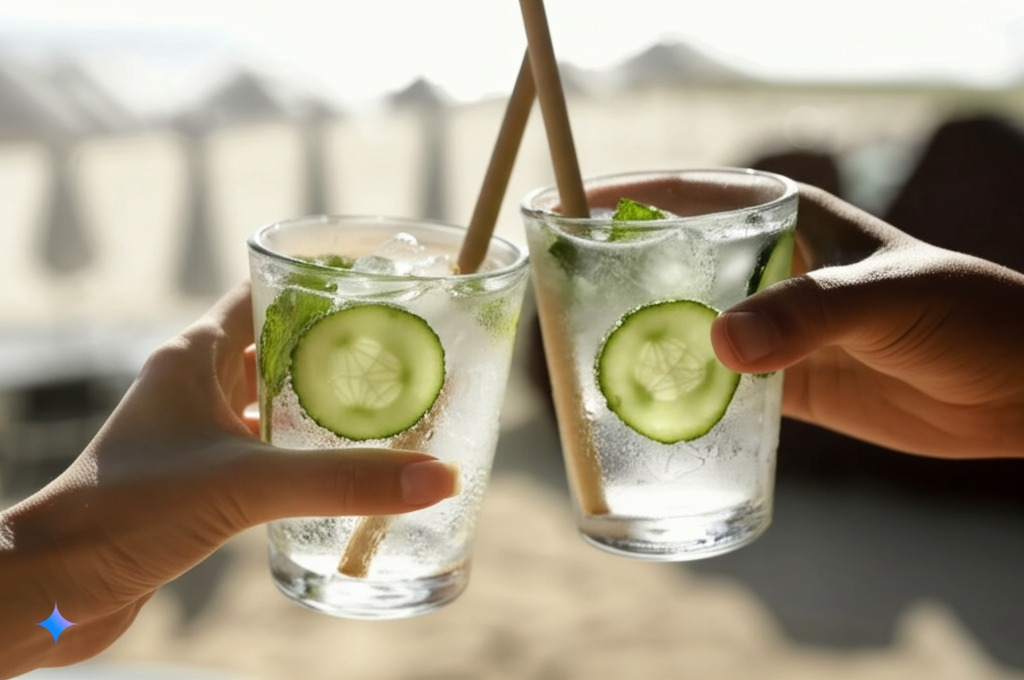
Mari kita angkat gelas (tentu saja dengan sedotan tebu!) menuju masa depan yang lebih berkelanjutan, dengan sekali teguk.
Apa pengalaman Anda dengan sedotan tebu atau alternatif ramah lingkungan lainnya? Bagikan pemikiran dan pertanyaan Anda di komentar di bawah! Saya ingin mendengar pendapat Anda.