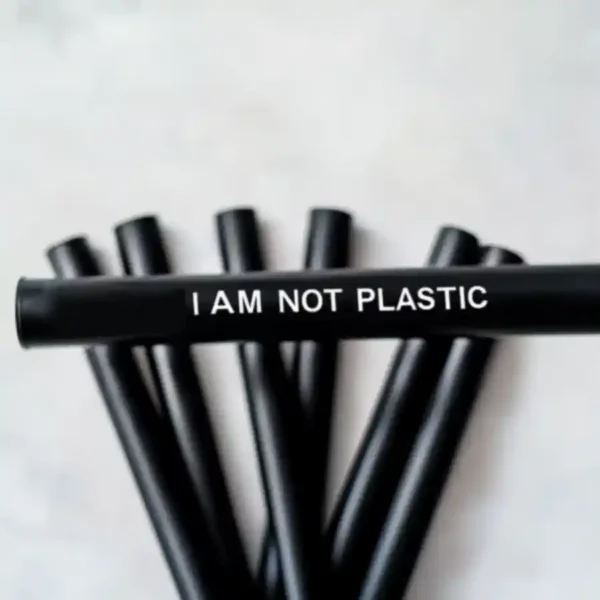

Di era di mana kesadaran lingkungan telah melampaui kebutuhan, industri perhotelan berada di persimpangan jalan yang kritis. Hotel-hotel mewah di seluruh dunia sedang menata ulang strategi keberlanjutan mereka, menyadari bahwa para tamu semakin mengharapkan praktik ramah lingkungan di samping pengalaman premium. Meskipun sedotan kompos mungkin tampak seperti detail kecil dalam lanskap operasional hotel yang luas, namun sedotan mewakili perpaduan yang kuat antara pengalaman tamu, nilai merek, dan kepedulian terhadap lingkungan.
Sedotan plastik tradisional—yang dahulu merupakan bahan pokok di bar dan restoran hotel—kini melambangkan tantangan keberlanjutan yang lebih besar dalam industri perhotelan. Tim pengadaan yang berpikiran maju menemukan bahwa solusi jerami kompos yang tepat bukan hanya sekedar mengganti plastik; ini tentang merangkul inovasi yang selaras dengan realitas operasional dan aspirasi lingkungan. Hotel-hotel yang paling sukses telah beralih dari sekedar kepatuhan dasar untuk memanfaatkan alternatif berkelanjutan sebagai keunggulan kompetitif.
Hal yang sering diabaikan dalam transisi ini adalah bagaimana teknologi jerami kompos yang canggih dapat secara bersamaan mencapai berbagai tujuan bisnis: meningkatkan persepsi tamu, menyederhanakan operasi, dan memberikan hasil keberlanjutan yang terukur. Di sinilah pendekatan inovatif midposi.com mengubah cara hotel mewah menerapkan solusi jerami ramah lingkungan—menciptakan peluang untuk diferensiasi yang berarti di pasar yang semakin sadar lingkungan.
Mengapa Sedotan Kompos Penting untuk Hotel Modern

Dampak Lingkungan dari Plastik Sekali Pakai di Perhotelan
Jejak plastik yang dihasilkan industri perhotelan melampaui apa yang terlihat. Sebuah hotel mewah dengan 200 kamar dapat menghasilkan lebih dari 300.000 sedotan plastik setiap tahunnya—barang yang akan bertahan di lingkungan selama berabad-abad. Berbeda dengan inisiatif keberlanjutan lainnya yang memerlukan perubahan infrastruktur secara signifikan, peralihan ke sedotan yang dapat dibuat kompos merupakan langkah yang dapat segera ditindaklanjuti dengan manfaat lingkungan yang terukur.
Hal yang membedakan hotel-hotel terkemuka di bidang ini adalah pemahaman mereka bahwa sedotan kompos tidak hanya bertujuan menghilangkan sampah plastik, namun juga menutup lingkaran sumber daya. Jika dikomposkan dengan benar, sedotan ini akan kembali ke bumi sebagai tanah yang kaya nutrisi dan bukannya menjadi kontaminan lingkungan, sehingga menciptakan solusi yang benar-benar melingkar.
Bagaimana Sedotan Kompos Selaras dengan Tujuan Keberlanjutan Global
Tujuan Pembangunan Berkelanjutan (SDGs) PBB telah menjadi kerangka kerja bagi banyak jaringan hotel mewah untuk mengevaluasi inisiatif lingkungan mereka. Sedotan kompos secara langsung mendukung SDG 12 (Konsumsi dan Produksi Bertanggung Jawab), SDG 14 (Kehidupan di Bawah Air), dan SDG 15 (Kehidupan di Darat). Hotel-hotel yang menerapkan program jerami kompos yang komprehensif mendapatkan kredibilitas dalam pelaporan keberlanjutan dan proses sertifikasi yang semakin memengaruhi keputusan pemesanan baik bagi wisatawan individu maupun klien korporat.
Peran Tim Pengadaan dalam Mendorong Inisiatif Ramah Lingkungan
Tim pengadaan hotel telah berevolusi dari departemen pembelian yang berpusat pada biaya menjadi mitra keberlanjutan yang strategis. Tim yang paling efektif kini mengevaluasi sedotan kompos melalui lensa canggih yang mempertimbangkan analisis siklus hidup, ketahanan rantai pasokan, dan penyelarasan dengan tujuan keberlanjutan yang lebih luas. Dengan memilih mitra sedotan kompos yang tepat, para profesional pengadaan dapat memberikan solusi yang memenuhi persyaratan operasional dan tujuan lingkungan.
Teknologi Inovatif di Balik Sedotan Kompos midposi.com

Bahan Terobosan: Melampaui Sedotan PLA Tradisional
Meskipun sedotan kompos generasi pertama sering mengecewakan pengguna karena kecenderungannya cepat melunak atau mengubah rasa minuman, midposi.com telah memelopori formulasi canggih yang mengatasi keterbatasan ini. Milik mereka sedotan berbahan dasar tebu memanfaatkan produk sampingan pertanian yang seharusnya dibuang, sehingga menciptakan manfaat ganda bagi lingkungan.
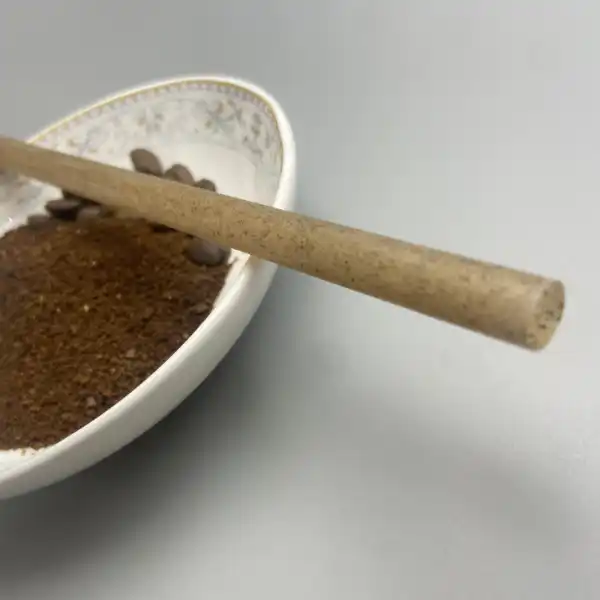
Perusahaan Sedotan kopi mewakili terobosan lain—menggabungkan ampas kopi bekas dari tempat mereka menyajikan kopi menjadi sedotan yang fungsional dan estetis. Pendekatan tertutup ini sangat disukai oleh para tamu yang senang melihat contoh nyata penerapan prinsip-prinsip ekonomi sirkular.
Proses Produksi yang Skalabel untuk Jaringan Hotel Besar
Inovasi manufaktur Midposi tidak hanya mencakup material, tetapi juga proses produksi terukur yang dapat mengakomodasi kebutuhan volume jaringan hotel global tanpa mengurangi kualitas atau konsistensi. Fasilitas produksi mereka menggunakan energi terbarukan dan sistem reklamasi air, memastikan bahwa manfaat lingkungan dari produk mereka tidak dirusak oleh manufaktur yang menggunakan banyak sumber daya.
Untuk grup hotel internasional, midposi.com menawarkan kemampuan produksi regional yang mengurangi emisi transportasi sekaligus menjaga konsistensi spesifikasi produk di seluruh properti—pertimbangan penting bagi merek yang mengharuskan pengalaman tamu tetap seragam di mana pun lokasinya.
Efektivitas Biaya Tanpa Mengorbankan Kualitas
Persepsi bahwa keberlanjutan akan meningkatkan biaya telah ditentang oleh pendekatan midposi.com terhadap sedotan yang dapat dibuat kompos. Milik mereka pilihan kemasan massal mengurangi biaya per unit sekaligus meminimalkan limbah kemasan sekunder. Selain itu, daya tahan sedotan mereka yang unggul berarti lebih sedikit penggantian dan lebih sedikit limbah, sehingga menciptakan efisiensi operasional yang mengimbangi harga awal yang lebih mahal dibandingkan dengan alternatif plastik konvensional.
Sudut Unik: Sedotan Kompos sebagai Peluang Branding

Bagaimana Sedotan Ramah Lingkungan Meningkatkan Pengalaman dan Loyalitas Tamu
Hotel-hotel paling canggih menyadari bahwa sedotan kompos menawarkan lebih dari sekadar manfaat lingkungan—sedotan memberikan titik kontak nyata yang mengomunikasikan nilai-nilai merek. Para tamu yang menemukan sedotan kompos yang dirancang dengan cermat menganggap hotel ini memperhatikan detail dan berkomitmen terhadap keberlanjutan lebih dari sekadar tindakan dangkal. Persepsi ini meluas ke media sosial, di mana elemen ramah lingkungan sering kali muncul dalam konten buatan tamu.
milik Midposi Sedotan tebu yang dapat disesuaikan memungkinkan hotel untuk memasukkan warna atau logo merek, mengubah item bermanfaat menjadi elemen merek yang mudah diingat. Pengalaman menggunakan sedotan ini—sangat berbeda dari plastik namun lebih unggul secara fungsional—menciptakan momen perbincangan yang memperkuat narasi keberlanjutan hotel.
Pertanyaan yang Sering Diajukan
Apa perbedaan utama antara MDR dan IVDR?
MDR (Peraturan Alat Kesehatan) dan IVDR (Peraturan Diagnostik In Vitro) adalah peraturan UE yang diperbarui pada tahun 2025 untuk meningkatkan keselamatan dan kinerja. MDR berfokus pada perangkat medis umum dengan persyaratan bukti klinis yang lebih ketat, sedangkan IVDR menargetkan diagnostik in vitro dengan cakupan dan klasifikasi risiko yang diperluas. Gaun ruang bersih inovatif Midposi memenuhi keduanya, memastikan skalabilitas dan efektivitas biaya.
Bagaimana produsen dapat menyederhanakan proses sertifikasi?
Produsen dapat menyederhanakan sertifikasi dengan memanfaatkan teknologi, seperti alat kepatuhan otomatis Midposi, yang mengurangi waktu dokumentasi sebesar 30% (berdasarkan studi internal). Keterlibatan awal dengan badan-badan yang diberi tahu dan penggunaan solusi ruang bersih yang terukur juga mempercepat persetujuan, selaras dengan jadwal MDR/IVDR.
Apa peran teknologi dalam sertifikasi?
Teknologi sangat penting, memungkinkan pemantauan kondisi ruang bersih secara real-time dan audit otomatis. Midposi mengintegrasikan sensor IoT ke dalam gaun, memastikan kepatuhan terhadap standar MDR/IVDR. Inovasi ini meminimalkan kesalahan manusia dan mendukung proses sertifikasi yang hemat biaya dan terukur.