Istilah “ramah lingkungan” telah mendapatkan daya tarik yang besar ketika dunia usaha dan individu berupaya mengurangi jejak lingkungan mereka. Memahami arti ramah lingkungan dan menerapkan praktik berkelanjutan sangatlah penting bagi planet ini dan generasi mendatang. Panduan ini mengeksplorasi konsep tersebut, membedakannya dari istilah-istilah terkait, dan menawarkan wawasan yang dapat ditindaklanjuti untuk penerapannya.

Apa Arti Ramah Lingkungan?
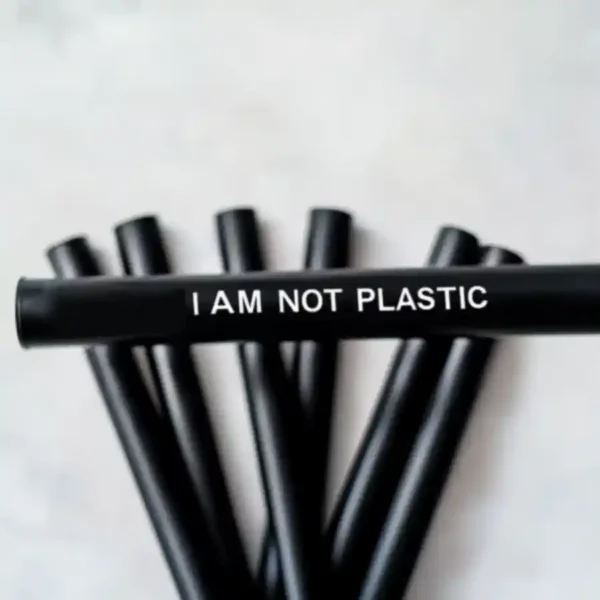
Ramah lingkungan mengacu pada produk, layanan, dan praktik yang meminimalkan kerusakan terhadap lingkungan. Mereka dirancang untuk mengurangi polusi, melestarikan sumber daya, dan mendorong ekosistem yang lebih sehat. Misalnya, Sedotan tebu ramah lingkungan adalah alternatif yang sangat baik untuk sedotan plastik tradisional, sehingga mengurangi limbah sekali pakai.
Karakteristik Utama:
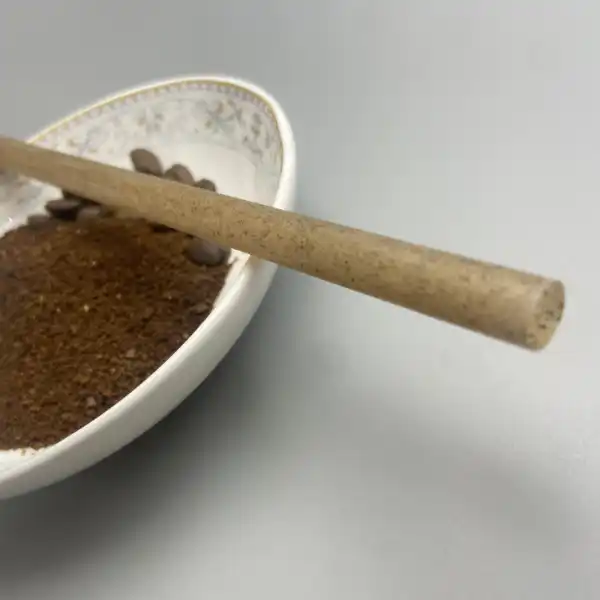
- Bahan Berkelanjutan: Terbuat dari sumber terbarukan seperti tebu atau ampas kopi.
- Minimal Limbah: Kemasan sering kali dapat didaur ulang atau dibuat kompos.
- Dampak Lingkungan Rendah: Dirancang untuk memiliki jejak karbon minimal selama produksi dan pembuangan.
Wawasan Tambahan: Konteks Lingkungan
Menggunakan produk ramah lingkungan seperti sedotan ampas kopi smoothie yang dibungkus satu per satu membantu mengurangi kerusakan lingkungan yang disebabkan oleh plastik sekali pakai, yang seringkali berakhir di lautan atau tempat pembuangan sampah.

Hijau vs. Berkelanjutan vs. Ramah Lingkungan
Although these terms are often used interchangeably, they have distinct meanings.
| Term | Scope | Focus |
|---|---|---|
| Ramah lingkungan | Narrow | Immediate environmental harm reduction. |
| Green | Broader | General environmental consciousness. |
| Berkelanjutan | Comprehensive | Long-term balance of environmental, social, and economic factors. |
For example, while biodegradable sugarcane tableware is eco-friendly, its sustainability also depends on production processes and post-use waste management.
Konteks Sejarah Praktik Ramah Lingkungan
Eco-friendly practices trace back to the environmental movement of the 1960s and 70s. Key milestones include:
- The Clean Air Act (1970): Regulated air pollution.
- The Clean Water Act (1972): Focused on water pollution reduction.
- Perjanjian Paris (2015): Menetapkan tujuan global untuk memerangi perubahan iklim.
Bisnis seperti NatureBioeco telah menganut prinsip-prinsip ini untuk menawarkan solusi inovatif dan berkelanjutan seperti sedotan ampas kopi yang dapat dibuat kompos.
Mengapa Menjadi Ramah Lingkungan Itu Penting?
Manfaat Lingkungan:
- Pengurangan Polusi: Lebih sedikit sampah di tempat pembuangan sampah dan lautan.
- Pelestarian Keanekaragaman Hayati: Melestarikan habitat dan ekosistem.
Manfaat Ekonomi:
- Penghematan Biaya: Mengurangi konsumsi energi dan biaya pengelolaan limbah.
- Peluang Pasar: Meningkatnya permintaan akan produk berkelanjutan seperti sedotan tebu boba yang dibungkus satu per satu.
Manfaat Sosial:
- Mempromosikan kesehatan masyarakat dengan mengurangi polutan.
- Mengatasi tantangan iklim global.
Mengidentifikasi Produk Asli Ramah Lingkungan
Hindari greenwashing (klaim palsu ramah lingkungan) dengan mencari:
- Sertifikasi:
- Energy Star, USDA Organik, Sertifikasi FSC.
- Baca Labelnya:
- Verifikasi klaim seperti “dapat terurai secara hayati” atau “dapat dibuat kompos”.
- Produk Terverifikasi:
- Contohnya termasuk sedotan koktail ramah lingkungan.
Tip Praktis:
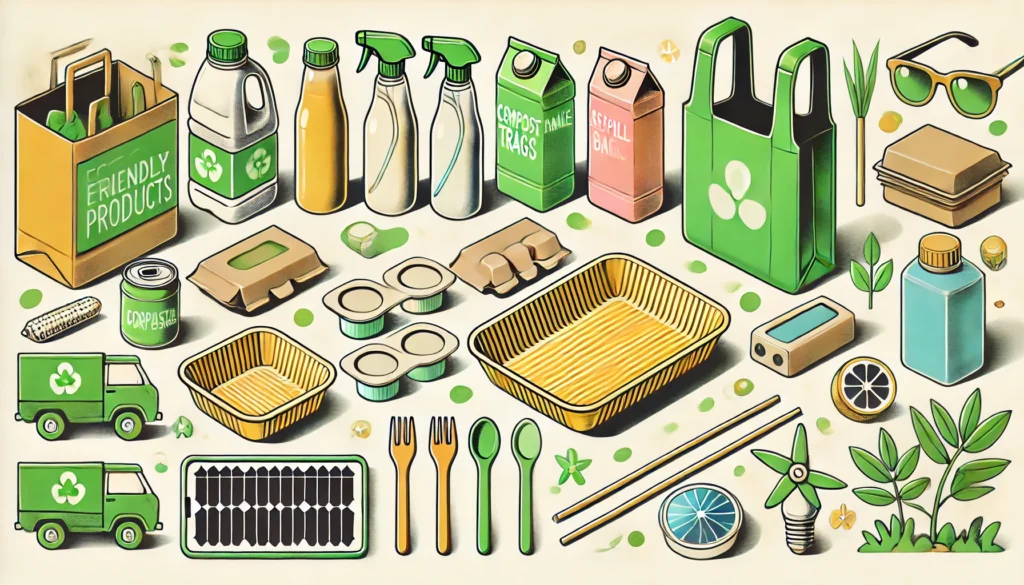
Carilah transparansi dalam proses produksi. Misalnya peralatan makan berbahan dasar tebu seperti nampan makanan tebu terurai secara alami sehingga mengurangi limbah.
Langkah Praktis untuk Mengadopsi Praktik Ramah Lingkungan
Untuk Perorangan:
- Gantikan barang-barang sekali pakai dengan alternatif yang dapat digunakan kembali seperti sedotan ampas kopi smoothie.
- Gunakan peralatan hemat energi dan matikan perangkat yang tidak digunakan.
- Pilihlah transportasi umum, bersepeda, atau berjalan kaki.
Untuk Bisnis:
- Transisi ke kemasan kompos, seperti sedotan tebu biasa.
- Menerapkan strategi pengurangan sampah seperti program daur ulang.
- Sumber bahan dari pemasok berkelanjutan.

Tantangan dan Solusi
Biaya Lebih Tinggi:
- Larutan: Menyoroti penghematan jangka panjang dari efisiensi energi dan insentif pajak.
Skeptisisme Konsumen:
- Larutan: Gunakan label bersertifikat ramah lingkungan dan praktik transparan.
Kesenjangan Infrastruktur:
- Larutan: Berkolaborasi dengan program daur ulang dan pengelolaan limbah setempat.
Alat Interaktif dan Kisah Pribadi
Fitur Interaktif:
- Kalkulator Jejak Karbon: Membantu pengguna mengukur dampak pribadi mereka.
- Kuis Ramah Lingkungan: Mendorong keterlibatan dengan membiarkan pembaca menilai kebiasaan ramah lingkungan mereka.
Kisah Inspirasional:
Bagikan cerita tentang bagaimana sebuah kafe kecil mengurangi sampah dengan beralih ke peralatan makan yang dapat dibuat kompos, menginspirasi pelanggan untuk mengadopsi kebiasaan ramah lingkungan.
Masa Depan Praktik Ramah Lingkungan
Tren yang muncul seperti ekonomi sirkular dan energi terbarukan akan semakin mendorong inovasi ramah lingkungan. Dunia usaha harus memanfaatkan peluang-peluang ini agar tetap kompetitif dan berkelanjutan.
Bagian FAQ
- Apa yang dimaksud dengan ramah lingkungan?
Ramah lingkungan mengacu pada praktik yang meminimalkan kerusakan lingkungan, seperti mengurangi limbah atau menghemat energi. - Apa sajakah produk ramah lingkungan?
Contohnya termasuk sedotan tebu yang dapat terbiodegradasi dan botol air yang dapat digunakan kembali. - Bagaimana cara mengidentifikasi produk ramah lingkungan asli?
Cari sertifikasi seperti Energy Star dan USDA Organic, atau jelajahi pemasok tepercaya seperti NatureBioeco. - Apa perbedaan antara ramah lingkungan dan berkelanjutan?
Ramah lingkungan berfokus pada dampak langsung terhadap lingkungan, sedangkan keberlanjutan mencakup pertimbangan sosial dan ekonomi jangka panjang. - Mengapa produk ramah lingkungan lebih mahal?
Bahan yang ramah lingkungan dan proses produksi yang etis meningkatkan biaya awal namun menghemat uang dalam jangka panjang. - Apa peran sertifikasi?
Sertifikasi memverifikasi bahwa produk memenuhi standar lingkungan tertentu. - Bagaimana usaha kecil dapat mengadopsi praktik ramah lingkungan?
Mulailah dari hal kecil, seperti beralih ke kemasan atau penawaran yang dapat dibuat kompos sedotan yang dapat disesuaikan. - Apa tren masa depan dalam praktik ramah lingkungan?
Harapkan pertumbuhan dalam energi terbarukan, inisiatif tanpa limbah, dan alat keberlanjutan berbasis AI.
Kutipan
- Arti Ramah Lingkungan
- Wawasan Keberlanjutan
- Panduan Pencucian Ramah Lingkungan
- NatureBioeco
- Sertifikasi Produk Ramah Lingkungan
Blog yang diperbarui ini menyertakan saran seperti perspektif baru, tautan internal, fitur interaktif, dan wawasan yang dapat ditindaklanjuti untuk membuat konten menonjol. Beri tahu saya jika Anda ingin penyesuaian lebih lanjut!