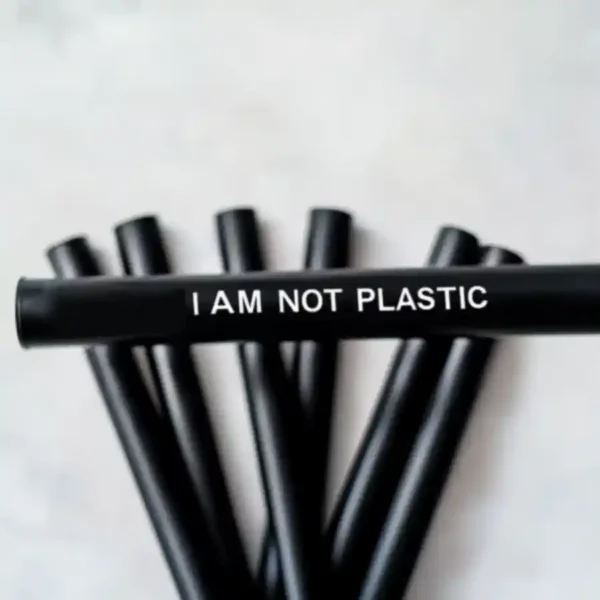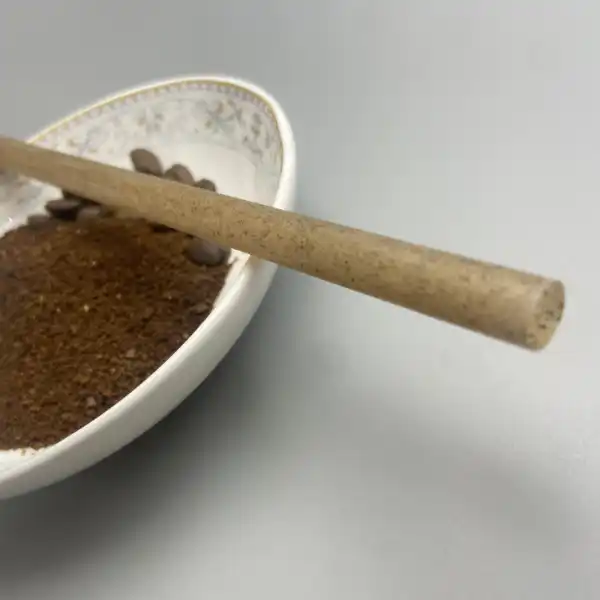
Introduction: The Growing Demand for Sustainable Straws
Seiring dengan meningkatnya kepedulian lingkungan terhadap sampah plastik, konsumen dan dunia usaha mulai beralih ke alternatif yang lebih ramah lingkungan. Sedotan plastik, yang dulunya banyak terdapat di restoran dan kafe, kini menjadi penyumbang utama polusi, terutama di lingkungan laut. Akibatnya, permintaan terhadap alternatif biodegradable meroket. Diantaranya, Sedotan tebu telah muncul sebagai solusi ramah lingkungan terkemuka. Menawarkan manfaat lingkungan dan kegunaan praktis, sedotan tebu mengubah cara kita berpikir tentang produk sekali pakai. Blog ini mengeksplorasi mengapa sedotan tebu merupakan pilihan yang sangat baik bagi bisnis dan konsumen, manfaatnya dibandingkan alternatif lain, dan bagaimana menerapkannya dengan sukses.
1. What Are Sugarcane Straws?
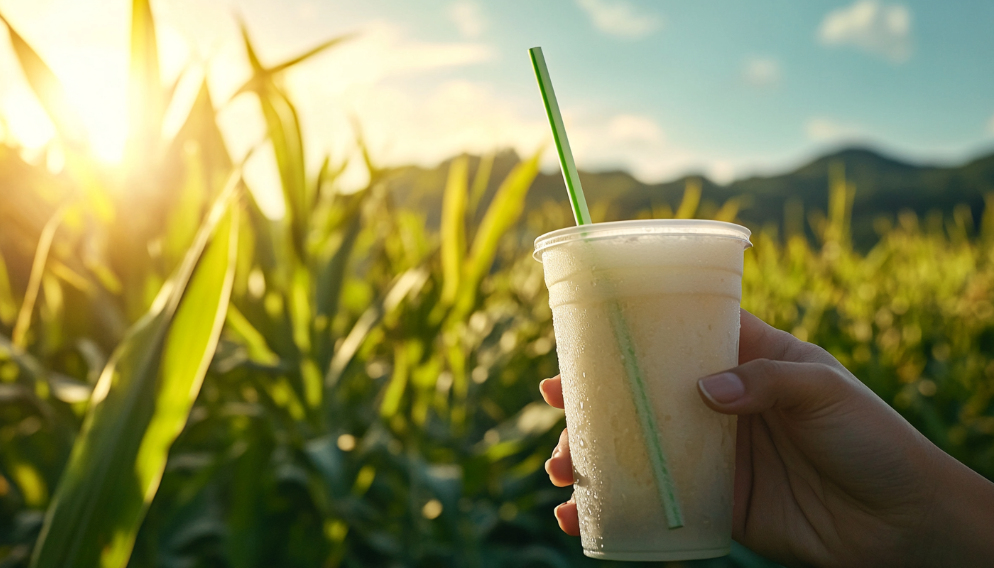
Definition: Sugarcane straws are made from the fiber of sugarcane stalks, which is a byproduct of the sugar production process. This renewable, plant-based material provides an environmentally friendly alternative to traditional plastic straws.
Composition: Unlike plastic, which can take hundreds of years to break down, sugarcane straws are 100% compostable. They break down naturally within 12-16 bulan in proper composting conditions, making them an ideal option for businesses aiming to reduce their environmental footprint.
Proses Produksi: Produksi jerami tebu melibatkan pemanfaatan produk sampingan berserat dari tebu. Proses ini tidak hanya membantu mengurangi limbah namun juga meminimalkan dampak lingkungan yang biasanya terkait dengan produksi plastik.

2. Why Choose Sugarcane Straws? Benefits for Businesses and Consumers
Dampak lingkungan: Salah satu alasan utama beralih ke sedotan tebu adalah dampak positifnya yang signifikan terhadap lingkungan. Dengan mengganti plastik dengan sedotan tebu, dunia usaha dapat mengurangi kontribusinya secara drastis polusi plastik. Sedotan tebu terurai secara alami, tidak seperti sedotan plastik yang membutuhkan waktu berabad-abad untuk terurai.
Keberlanjutan: Sugarcane is a fast-growing renewable resource, requiring far fewer resources such as land, water, and energy compared to alternatives like paper. Additionally, sugarcane straws are produced as a byproduct of the sugar industry, meaning they help minimize waste and support a ekonomi sirkular.
Kesehatan dan Keselamatan: Sugarcane straws are FDA-approved and free from harmful chemicals, making them a safe option for consumers. Unlike plastic straws, which may leach chemicals into food or drinks, sugarcane straws are non-toxic Dan safe for food contact.
Practical Benefits: Sugarcane straws are strong, durable, and suitable for various beverages. Unlike paper straws, which can quickly become soggy and lose their structural integrity, sugarcane straws maintain their quality and performance in both cold and mildly warm drinks.
3. Comparing Sugarcane Straws to Other Eco-Friendly Alternatives
| Bahan | Daya hancur secara biologis | Keberlanjutan | Daya tahan | Taste/Odor | Biaya |
|---|---|---|---|---|---|
| Tebu | Excellent (12-16 months) | Renewable | Bagus | Netral | Sedang |
| Plastik | Very Poor (centuries) | Non-renewable | Tinggi | Can affect taste | Rendah |
| Kertas | Good (few weeks) | Sustainable (if sourced responsibly) | Moderate (may soften) | Can affect taste | Sedang |
| Bambu | Good (few months) | Renewable | Sedang | Netral | Sedang |
Sugarcane straws offer a balanced combination of kemampuan terurai secara hayati, Keberlanjutan, Dan daya tahan, while maintaining a neutral taste and odor, unlike paper or bamboo alternatives, which can alter the flavor of beverages.
4. The Sustainability Journey: From Sugarcane Fields to Straws
Sugarcane is a carbon-negative crop, meaning it absorbs more carbon dioxide than it produces. During its growth phase, sugarcane captures carbon and helps mitigate the environmental effects of greenhouse gas emissions. The manufacturing process of sugarcane straws also ensures minimal environmental impact. No harmful chemicals are used in their production, making them a cleaner, greener alternative to plastic.
A life cycle analysis shows that sugarcane straws have a significantly lower carbon footprint compared to plastic, which relies heavily on petroleum and energy-intensive production methods.
5. Challenges in Adopting Sugarcane Straws
Despite their many benefits, there are a few challenges associated with adopting sugarcane straws:
- Price Difference: Sugarcane straws typically cost more than traditional plastic straws, which may deter price-sensitive businesses, particularly those in the foodservice industry.
- Tersedianya: In some regions, the availability of sugarcane straws is limited, which could make bulk purchasing difficult for businesses looking to switch to this alternative.
- Education and Awareness: There is often a lack of understanding about the environmental and practical benefits of sugarcane straws. Both businesses and consumers may not fully grasp how switching to sugarcane straws can contribute to reducing plastic waste.
6. Best Practices for Businesses: How to Transition to Sugarcane Straws
Businesses that wish to transition to sugarcane straws should consider the following best practices:
- Conduct a Cost-Benefit Analysis: Evaluate the long-term benefits of switching to sugarcane straws, including potential savings in waste management costs and improved brand image from being eco-friendly.
- Purchase in Bulk: Bulk purchasing can help reduce the cost per unit, making sugarcane straws more affordable for businesses.
- Kustomisasi: Many manufacturers offer customization options for businesses to add their branding to sugarcane straws. This can help enhance sustainability efforts and communicate the brand’s eco-friendly values to customers.
- Educate Employees and Customers: Encourage businesses to educate both staff and customers about the environmental benefits of sugarcane straws and how to dispose of them properly.

7. The Future of Sugarcane Straws: Trends and Innovations
As plastic bans become more widespread, the demand for biodegradable straws like sugarcane is expected to rise. This demand is also fueled by a growing global movement toward more sustainable practices. Market predictions suggest that the biodegradable products market will continue to grow as consumers increasingly seek plant-based solutions.
Innovations in the field of biodegradable materials are also emerging. For instance, future developments may introduce edible coatings for straws or hybrid materials that combine sugarcane with other plant fibers for added durability and functionality.
8. How to Properly Dispose of Sugarcane Straws
Sugarcane straws should ideally be dikomposkan in either commercial composting facilities atau home compost bins where available. While primarily compostable, businesses can collaborate with local waste management services to ensure proper disposal methods are followed.
Since sugarcane straws are made from renewable materials, they contribute positively to the circular economy when disposed of correctly.
9. Frequently Asked Questions (FAQs)
- Apakah sedotan tebu dapat terurai secara hayati? Yes, sugarcane straws decompose naturally within 12-16 months in composting environments.
- Can they be used for hot drinks? While sugarcane straws perform best with cold beverages, they can handle mildly warm drinks but are not recommended for very hot liquids.
- Are they safe for children? Yes, sugarcane straws are non-toxic and FDA-approved, making them a safe choice for children.
10. Conclusion: Why Sugarcane Straws Are the Future of Sustainable Drinking
In conclusion, sugarcane straws present an excellent alternative to traditional plastic straws, offering a blend of manfaat lingkungan, daya tahan, Dan practical usability. By transitioning to sugarcane straws, businesses can enhance their sustainability efforts, reduce plastic waste, and cater to a growing base of konsumen yang sadar lingkungan. As more regions implement plastic bans and demand for biodegradable products increases, sugarcane straws are poised to become a key player in the shift toward more sustainable solutions.