Perkenalan
Gerakan keberlanjutan global telah menjadikan sedotan biodegradable menjadi sorotan sebagai alternatif penting pengganti plastik. Namun, menavigasi lanskap ekspor untuk inovasi ramah lingkungan ini penuh dengan kompleksitas. Panduan ini menyelami berbagai tantangan dalam mengekspor sedotan biodegradable, menawarkan wawasan berharga yang diperoleh dari para perintis industri dan analisis pasar mutakhir.
Challenges of Exporting Biodegradable Straws
Kepatuhan terhadap peraturan
Standar Internasional: Sedotan yang dapat terurai secara hayati harus memenuhi standar global yang ketat, seperti EN 13432 UE untuk kemasan yang dapat dibuat kompos. Rumitnya standar-standar ini, ditambah dengan evolusinya yang terus-menerus, menuntut kewaspadaan yang tiada henti dari para eksportir Sumber.
Local Regulations: The regulatory mosaic across different markets adds layers of complexity. For instance, Australia’s AS 5810-2010 standard for home compostable plastics diverges significantly from European norms, necessitating a nimble, market-specific approach Sumber.
Part 2: Ensuring Quality and Transparency in Biodegradable Products
Quality Assurance in Biodegradable Products
Ensuring the highest standards of quality is essential in the biodegradable products industry. Here’s how companies are addressing these challenges:
Jaminan kualitas
Consistency: Maintaining uniform quality is paramount. A groundbreaking study by the University of Plymouth revealed that some biodegradable products failed to decompose as advertised, underscoring the critical need for stringent quality control measures Sumber.
Durability: The challenge lies in creating straws that withstand use while maintaining their biodegradable integrity. Industry leader NatureBioEco has pioneered advanced manufacturing techniques to strike this delicate balance.
Advancing Supply Chain Transparency
Transparency in the supply chain is crucial for sustainability and consumer trust. Here’s how transparency is being enhanced:
Transparansi rantai pasokan
Raw Material Sourcing: The diverse materials used in biodegradable straws, from PLA to agricultural byproducts, necessitate a transparent, traceable supply chain. The Ellen MacArthur Foundation’s 2021 report emphasizes traceability as a cornerstone of circular economy initiatives Sumber.
Certifications: Obtaining certifications like the Biodegradable Products Institute (BPI) seal is a resource-intensive process that significantly enhances product credibility and market access.
Advanced Strategies in Sustainable Packaging and Consumer Education
Logistics and Storage
In the realm of eco-friendly products, understanding the nuances of logistics and storage is paramount. Here we explore how innovative packaging solutions and precise environmental controls play a critical role in sustainability.
Packaging Innovation
Packaging Innovation: Biodegradable straws require specialized packaging to maintain integrity during transit. PackagingInsights reported that cutting-edge, moisture-resistant packaging can extend biodegradable product shelf life by up to 18 months Sumber. This advancement in packaging technology not only enhances product durability but also supports the global reduction of food waste, aligning with sustainability goals.
Environmental Controls
Environmental Controls: Precise climate control during storage is crucial. Research in the Journal of Polymers and the Environment demonstrates that environmental fluctuations can dramatically affect bioplastic degradation rates Sumber. By maintaining optimal conditions, businesses can ensure the functional longevity of biodegradable materials, thereby contributing to environmental conservation.
Market Education and Brand Alignment
As consumer preferences shift towards sustainable products, effective market education and strategic brand alignment become essential. Below, we discuss how increasing consumer awareness and forming strategic partnerships are pivotal for success in the green market.
Kesadaran Konsumen
Consumer Awareness: A 2022 GlobalData survey revealed that 71% of global consumers prioritize sustainability in purchasing decisions, highlighting the need for clear, accurate product information Sumber. This statistic underscores the importance of transparent communication in fostering a sustainable consumer base and driving eco-friendly initiatives forward.
Kemitraan Strategis
Strategic Partnerships: Collaborations with eco-conscious brands can accelerate market penetration. Starbucks’ partnership with Ahlstrom-Munksjö to develop fiber-based straws exemplifies the power of strategic alliances in promoting sustainable products Sumber. Such partnerships not only enhance brand image but also contribute significantly to environmental sustainability, creating a positive impact on global ecosystems.
Exploring Recycling and Sustainability Challenges
Understanding the Recycling Infrastructure
Recycling Infrastructure Challenges
Composting Facilities: The scarcity of industrial composting facilities capable of processing biodegradable straws remains a significant hurdle. The US Composting Council reports that only 5% of food waste in the US is currently composted, indicating a broader infrastructure deficit Sumber.
Case Study: NatureBioEco – Pioneering Sustainable Solutions
Company Profile:
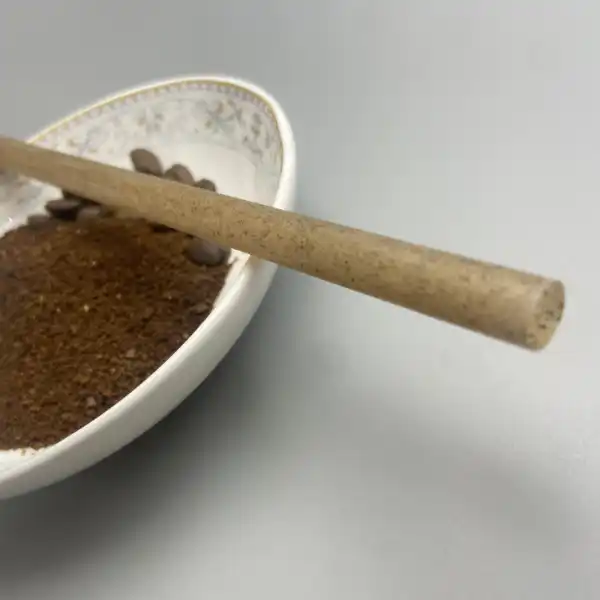
sedotan ampas kopi boba yang dibungkus satu per satu 12mm 210mm
Founded in 2004 in Shanghai, NatureBioEco has emerged as a vanguard in the biodegradable straw industry. Their relentless pursuit of innovation and sustainability has cemented their position as market leaders in eco-friendly dining solutions.
Key Innovations:
BioCycle™ Technology: This groundbreaking proprietary technology ensures rapid straw decomposition within six months, setting a new industry standard.
Strategic Partnerships: NatureBioEco’s collaborations with major restaurant chains have catalyzed widespread adoption of biodegradable straws, demonstrating the scalability and market viability of their solutions.
Exploring the Future of Biodegradable Straws
Kesimpulan
Jalan menuju ekspor sedotan biodegradable penuh dengan tantangan, mulai dari menghadapi regulasi yang rumit hingga mengatasi keterbatasan infrastruktur. Namun kendala-kendala tersebut bukannya tidak dapat diatasi. Perusahaan seperti NatureBioEco memelopori solusi inovatif yang secara langsung mengatasi tantangan ini. Dengan memprioritaskan pengendalian kualitas, transparansi rantai pasokan, dan kemitraan strategis, dunia usaha dapat berhasil menavigasi seluk-beluk mengekspor produk berkelanjutan, sehingga memainkan peran penting dalam membentuk perekonomian global yang lebih bertanggung jawab terhadap lingkungan.
Informasi Kontak:
Untuk panduan ahli dalam mengatasi tantangan ekspor jerami biodegradable, hubungi Max Jiang di max@naturebioeco.com atau melalui WhatsApp di +86 13524105790.
Sumber Daya Tambahan:
Penilaian Siklus Hidup Sedotan Biodegradable: Sebuah studi LCA komprehensif yang membandingkan berbagai bahan jerami biodegradable menawarkan wawasan penting mengenai dampak lingkungan dan menginformasikan strategi pengembangan produk Sumber.
Tren Pasar Global: Analisis mendalam terhadap data ekspor-impor dan prakiraan pasar memungkinkan dunia usaha mengidentifikasi peluang-peluang yang muncul dan tantangan-tantangan potensial dalam pasar jerami biodegradable yang dinamis Sumber.
By addressing these challenges through innovation, collaboration, and an unwavering commitment to sustainability, businesses can not only thrive in the biodegradable straw market but also make significant contributions to global environmental conservation efforts. The journey towards a sustainable future is complex, but with the right strategies and partnerships, it is undoubtedly achievable.
Pertanyaan yang Sering Diajukan tentang Sedotan Biodegradable
Terbuat dari apakah sedotan biodegradable?
Are biodegradable straws better for the environment?
Berapa lama sedotan biodegradable terurai?
Bisakah sedotan biodegradable didaur ulang?
What are the economic benefits of switching to biodegradable straws?
How do regulations impact the use of biodegradable straws?
Where can I find more information about starting a biodegradable straw business?
What challenges might I face in the biodegradable straw market?
Final Thoughts on Biodegradable Straws
As we continue to advance towards sustainability, the adoption of biodegradable straws represents a significant step forward in reducing environmental impact. Embracing these eco-friendly alternatives not only helps protect our planet but also aligns with global efforts to promote responsible consumption and production patterns.
Ready to Make a Difference?
If you’re inspired to start your journey towards sustainable business practices with biodegradable straws, contact us today to learn more about how you can make a positive impact on the environment and your bottom line.