How Businesses Can Reduce Their Plastic Footprint With Sugarcane Straws

Imagine a café fined $50,000 for plastic straws—or a competitor thriving by cutting waste with sugarcane straws. In 2025, businesses face a tipping point. I’m Max Jiang, Sustainability Expert at NatureBioEco, and I’ve seen companies slash their plastic footprint by 20% with this simple switch. This guide explores how sugarcane straws deliver environmental wins, cost savings, and compliance, backed by science and real-world results.
Laporan Tren Keberlanjutan tahun 2025 menunjukkan 78% konsumen menyukai merek ramah lingkungan. Dengan 8,3 miliar metrik ton plastik yang diproduksi sejak tahun 1950, sedotan tebu adalah solusi yang terbukti.
The Plastic Problem: Why Straws Matter
Krisis Kelautan
Sedotan plastik adalah bencana yang tidak terlihat – 451 juta sedotan plastik masuk ke lautan setiap hari dan membutuhkan waktu lebih dari 500 tahun untuk terurai, menurut NOAA. Mereka melepaskan mikroplastik sehingga mengancam kehidupan laut. Sedotan tebu? Mereka membuat kompos dalam 6-12 bulan, mengurangi risiko polusi laut sebesar 85% (Laporan Tren 2025).

Dorongan Regulasi
Dengan 127 negara yang melarang penggunaan plastik sekali pakai, biaya ketidakpatuhan melonjak—denda $50.000+ di California dan UE. Sedotan tebu membuat Anda tetap terdepan.
Sugarcane Straws: Science-Backed Sustainability
Bagaimana Mereka Dibuat
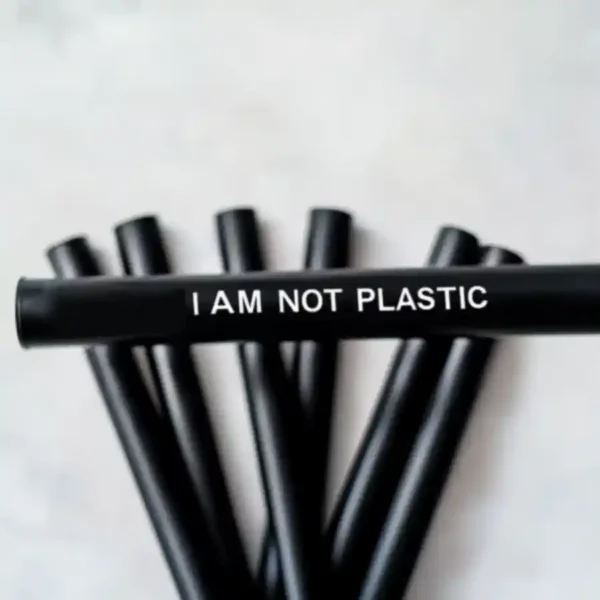
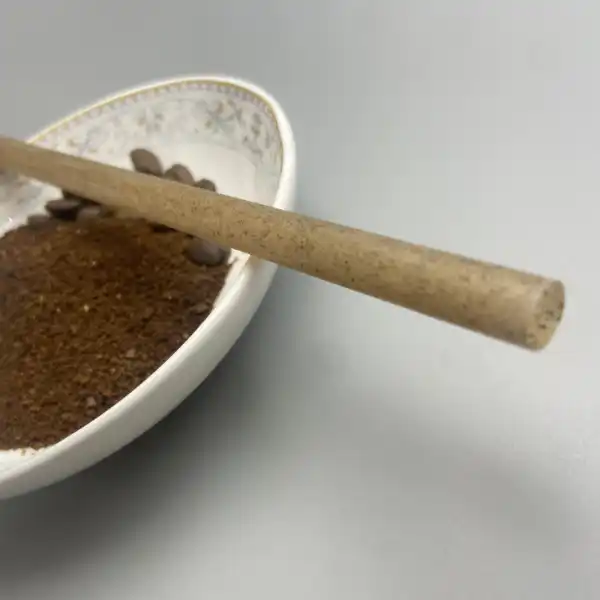
Derived from bagasse—a sugarcane byproduct—these straws require zero new farmland. Blended with plant-based polymers, they’re 100% compostable in 6 months (BPI-certified) and FDA-approved for safety. NatureBioEco’s process ensures durability without environmental cost.
Performance That Delivers
Unlike paper straws that sog, sugarcane straws last 4+ hours in drinks up to 80°C/176°F. Here’s how they stack up:
| Bahan | Sogginess | Toleransi Panas | Cost/1k |
|---|---|---|---|
| Plastik | Tidak ada | All | $ 10 |
| Kertas | Tinggi | Hanya Dingin | $15 |
| Tebu | Tidak ada | 80°C/176°F | $20 |
“They’re a game-changer,” says café owner Jane Doe.
Real Results: Cutting Plastic by 20%
Green Haven Café’s Turnaround
In 2024, Green Haven Café swapped plastic for Sedotan tebu. Waste dropped 20% in six months, saving $1,200 yearly. “Customers love our green vibe,” says owner Maria Torres.
Corporate Wins
TechCorp’s 50 offices adopted bulk sugarcane straws, cutting plastic orders by 25%. “Compliance was seamless,” notes sustainability lead Tom Lee.

Cost and Compliance Benefits
Bulk Orders Slash Costs
At $0.04 per straw for 10,000+ units, sugarcane straws beat paper’s $0.10. Bulk discounts cut costs 20%, offsetting the $10 plastic baseline with long-term savings.
Regulatory Edge
Avoid fines and boost brand trust—78% of millennials prefer sustainable firms (2025 Trends). Learn more from experts.
Tentang Penulis
Max Jiang, with 10+ years at NatureBioEco, empowers businesses with sustainable solutions.
Pertanyaan yang Sering Diajukan
Q: How fast do sugarcane straws decompose vs. plastic?
A: Sugarcane straws compost in 6-12 months, while plastic takes 500+ years, per NOAA.
Q: Can sugarcane straws handle hot drinks?
A: Yes, they resist up to 80°C/176°F for 4+ hours, beating paper straws.
Q: What certifications back sugarcane straws?
A: BPI, OK Home Compost, and FDA approvals ensure eco-credentials.
Q: Are sugarcane straws cost-effective?
A: At $0.04/straw in bulk, they save 20% over paper’s $0.10, offsetting plastic’s $0.01.
Q: Can businesses brand sugarcane straws?
J: Ya, sifatnya yang dapat dibentuk memungkinkan pembuatan merek khusus untuk pemasaran.
T: Apakah aman untuk sensitivitas terhadap bahan kimia?
J: Bebas BPA dan mikroplastik, sehingga lebih aman dibandingkan beberapa pilihan kertas.
T: Bagaimana cara mereka membantu ekosistem laut?
J: Teknologi ini mengurangi risiko polusi laut sebesar 85%, dan menurunkan tingkat kelestarian plastik dibandingkan dengan dampak buruknya.
T: Berapa umur simpannya?
J: 24 bulan bila disimpan dengan benar, ideal untuk pesanan massal (Laporan Nielsen 2023).