Perkenalan
Masalah polusi plastik yang meluas terus memerlukan solusi yang mendesak dan efektif. Plastik sekali pakai, khususnya barang-barang seperti sedotan, berkontribusi signifikan terhadap degradasi lingkungan, dan jutaan plastik berakhir di tempat pembuangan sampah, saluran air, dan lautan setiap tahunnya. Sebagai tanggapannya, sedotan ramah lingkungan telah muncul sebagai alternatif yang berkelanjutan, sehingga mendapatkan daya tarik di kalangan bisnis dan konsumen yang berupaya meminimalkan dampak terhadap lingkungan. Namun, menjamurnya produk-produk “ramah lingkungan” telah menyebabkan peningkatan klaim yang menyesatkan, yang sering disebut sebagai “greenwashing.” Oleh karena itu, sertifikasi lingkungan sangat penting untuk memvalidasi klaim keberlanjutan dan membangun kepercayaan konsumen. Postingan ini akan memberikan panduan rinci langkah demi langkah tentang cara mendapatkan sertifikasi lingkungan yang kredibel untuk sedotan ramah lingkungan Anda, memastikan bahwa produk Anda memenuhi standar yang ketat dan berkontribusi terhadap masa depan yang lebih berkelanjutan.

Mengapa Sertifikasi Penting untuk Sedotan Ramah Lingkungan
The path to sustainability is paved with good intentions, but also with the potential for misleading marketing. Here’s why certifications are crucial:
The Problem of Greenwashing
In the foodservice and hospitality industry, the term “greenwashing” is increasingly relevant. Many companies make unsubstantiated claims about their products’ environmental benefits, making it difficult for businesses to distinguish truly sustainable options. Certifications from reputable third-party agencies offer validation of eco-claims, ensuring that your products meet specific, measurable standards.
Consumer Trust and Brand Reputation
Today’s consumers are increasingly aware of environmental issues and actively seek out sustainable products. By obtaining certifications, your business demonstrates a commitment to environmental responsibility, thereby enhancing your brand image and cultivating loyalty among eco-conscious customers. According to a study by Nielsen, 66% of global consumers are willing to pay more for sustainable brands.
Kepatuhan terhadap Peraturan
Many regions have implemented bans on single-use plastics, including straws. Environmental certifications can help your business comply with these evolving regulations and avoid potential legal penalties. For example, some ordinances allow products that meet ASTM D6400 atau D6868 standards with BPI certification.
The Competitive Edge
Sustainable practices are no longer optional; they are becoming a key differentiator in the marketplace. Businesses that prioritize sustainability often attract customers who are willing to support companies that share their values.
Memahami Istilah-Istilah Utama: Dapat Terurai Secara Hayati, Dapat Dikomposkan, dan Lainnya
Navigating the world of sustainable materials requires a clear understanding of key terminology:

- Dapat terurai secara hayati: This term refers to a material that breaks down naturally over time through the action of microorganisms such as bacteria and fungi. However, the rate and conditions under which this occurs can vary significantly.
- Dapat dibuat kompos: Compostable materials not only biodegrade but also do so within a specific timeframe under specific conditions, resulting in nutrient-rich soil. This process typically occurs in a composting environment. For more information, check out our guide to compostable straws.
- Kompos Kompos: These materials are designed to break down in typical backyard compost bins or piles.
- Kompos Industri: These materials require industrial composting facilities with controlled environments, higher temperatures, and specific conditions to break down.
- Marine Degradable: These materials are specifically designed to break down in marine environments, mitigating harm to wildlife and reducing microplastic pollution.
- Biobased: Biobased materials are derived from renewable resources, as opposed to non-renewable fossil-fuel-based carbon sources such as petroleum.
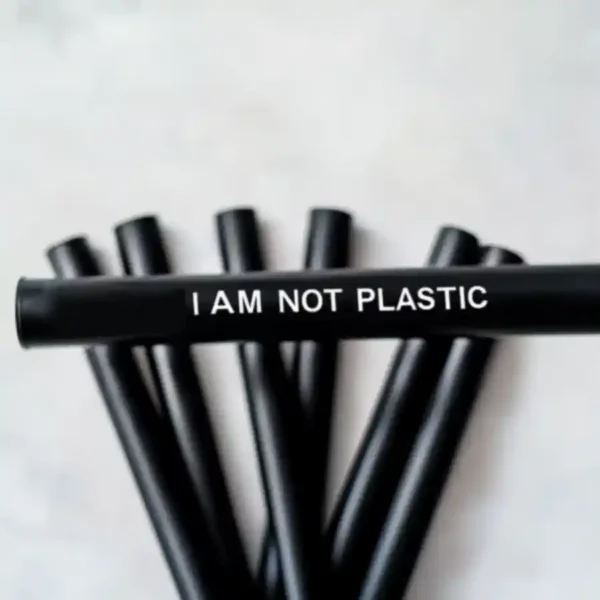
- Bebas Plastik: This term denotes products that contain no plastic or petroleum, indicating a commitment to avoiding these materials.

Panduan Langkah demi Langkah untuk Mendapatkan Sertifikasi
Obtaining environmental certifications requires careful planning and execution. Here is a detailed guide:
Step 1: Material Selection
Memilih bahan yang tepat sangat penting untuk mencapai keberlanjutan dan memperoleh sertifikasi. Pilihlah polimer nabati, tebu, bambu, atau gandum, dan pastikan sumbernya berasal dari sumber yang etis. Hindari material yang dapat menyebabkan kerusakan lingkungan, seperti hutan monokultur. Pertimbangkan untuk menggunakan produk limbah, seperti serat agave atau tebu, untuk memanfaatkan sumber daya yang ada. Untuk wawasan lebih lanjut tentang memilih sedotan ramah lingkungan terbaik, kunjungi Panduan Straws-Berry.
Langkah 2: Teliti dan Pilih Sertifikasi yang Relevan
Sertifikasi yang berbeda berlaku untuk bahan dan metode pembuangan yang berbeda. Teliti dan pilih sertifikasi yang selaras dengan produk dan tujuan bisnis Anda. Beberapa sertifikasi utama meliputi:
- BPI (Institut Produk Biodegradable): A widely recognized third-party certification program that verifies the compostability of products.
- TÜV AUSTRIA: Offers certifications for both industrial and home compostability.
- FSC (Forest Stewardship Council): Crucial for paper straws, ensuring that the paper comes from sustainably managed forests.
- Program BioPreferensi USDA: Certifies products as biobased, promoting the use of renewable resources.
- CMA (Compost Manufacturing Alliance): Provides the CMA-S program to ensure that products break down effectively in real-world composting facilities.
Step 3: Testing and Verification
Engage reputable third-party laboratories for thorough and impartial testing. Key tests include:
- ASTM D6866-20: Assesses biobased content by measuring carbon 14 content.
- ASTM D6400 and ASTM D6868: Standards for compostability in municipal and industrial composting facilities.
- ASTM D1179: Verifies the absence of Fluorine and PFAS.
- ISO 14855 and ISO 20200: Used in testing for home compostability.
- Food Contact Safety Migration Tests: Utilizing methods like UN 13130-1:2004, CEN/TS 13130-23:2005, Dan U.S. FDA 21 CFR 176.170. These tests ensure that the straws are safe for use. Independent testing for heavy metals, chemical residues, and BPA should also be conducted.
Step 4: Documentation and Application
Compile all necessary documentation, including chain of custody documents that validate that the raw materials are derived from sustainable forestry practices, and material characteristic reports. Submit a formal application to the certification bodies you have chosen, and be aware of the timelines and costs associated with certification.
Step 5: Ongoing Monitoring and Compliance
Implement regular batch testing to ensure that your straws consistently meet certification standards. Conduct periodic audits to maintain compliance and transparency. Share your test results and certifications with consumers to build trust and demonstrate accountability.
Pelajari Lebih Dalam tentang Sertifikasi Tertentu
Understanding the details of each certification can guide you in your choices.
- Institut Produk Biodegradable (BPI): BPI certification requires that products meet the ASTM D6400 standard for compostability, which includes a minimum 90% biodegradation within six months in an industrial composting facility.
- TÜV AUSTRIA: TÜV AUSTRIA offers certifications for both industrial and home compostability. Industrial compostability requires at least 90% biodegradation within six months under ASTM D6400. Home compostability requires at least 90% biodegradation within one year using ISO 14855, and at least 90% disintegration within 26 weeks using ISO 20200.
- Forest Stewardship Council (FSC): FSC certification ensures that the paper used in paper straws is sourced from responsibly managed forests, preventing deforestation and protecting ecosystems.
- Program BioPreferensi USDA: The USDA BioPreferred program certifies that products are made from renewable, biobased resources. This program uses ASTM D6866-20 to determine the percentage of biobased content.
- Compost Manufacturing Alliance (CMA): The CMA-S program goes beyond lab testing by conducting rigorous field disintegration testing, ensuring that certified products break down in real-world composting conditions.
- Other Relevant Certifications: Fair Trade certification applies to straws made from materials sourced under fair labor conditions.
Melampaui Komposabilitas: Pendekatan Holistik terhadap Keberlanjutan
While compostability is important, a holistic approach to sustainability considers the entire life cycle of a product:
- Life Cycle Analysis (LCA): Evaluasi dampak lingkungan dari sedotan Anda mulai dari sumber bahan mentah hingga produksi, transportasi, dan pembuangan. Hal ini akan membantu mengidentifikasi area yang perlu ditingkatkan dan memastikan produk yang benar-benar berkelanjutan.
- Sumber Etis: Memastikan rantai pasokan Anda mematuhi praktik ketenagakerjaan yang adil.
- Transparansi rantai pasokan: Menerapkan sistem untuk melacak asal-usul materi Anda dan memastikan transparansi penuh.
- Mengurangi Jejak Karbon: Memprioritaskan manufaktur dalam negeri untuk meminimalkan jejak karbon yang terkait dengan transportasi.

Mengatasi Kekhawatiran Umum
It is important to consider the limitations and challenges associated with different materials:
- The Limitations of Paper Straws: Paper straws, while often seen as a solution, can be expensive and may not maintain their integrity when left in a drink. Some also contain PFAS. Learn more about quality eco-friendly paper straws.
- The Problem with Bioplastics: Many bioplastics require industrial composting, may contain high levels of resources from non-renewable sources, and may contribute to downstream waste.
- The “Marine Degradable” Claim: While some straws are designed to break down in marine environments, proper disposal is always the best practice. These straws should not be disposed of in marine environments, but in the unfortunate instance that they end up there, the material will break down due to bacteria consumption.
- The Importance of Proper Disposal: Ensure that appropriate composting facilities are available and educate consumers on proper disposal methods.
Tips Praktis untuk Bisnis
Businesses can facilitate a smooth transition to certified eco-friendly straws by following these practical tips:

- Pelatihan Staf: Educate your staff on the benefits of sustainable straws, proper disposal, and how to communicate this to customers.
- Komunikasi pelanggan: Inform customers about your transition to eco-friendly straws through signage, menu notes, and direct communication.
- Managing Costs: Explore bulk purchasing options and conduct a thorough cost-benefit analysis.
- Reducing Straw Usage: Ask guests about their preferences and only provide straws when needed.
- Incentivize Reusable Straws: Encourage customers to bring their own reusable straws with small discounts or incentives.
- Pengalaman Pengguna: Choose straws that perform well, are comfortable to use, and maintain their shape.
- Align with Brand Values: Select straws that align with your brand’s look and sustainability values. For example, EcoStraws offers a range of biodegradable straws that meet various certifications.
Inovasi dan Masa Depan Sedotan Berkelanjutan
The field of sustainable materials is constantly evolving, with exciting new options on the horizon:
- Emerging Materials: Explore innovative materials like PHA and AirCarbon, which offer promising solutions for sustainability.
- Continuous Improvement: Stay informed about the latest innovations in sustainable materials and manufacturing practices to ensure you are using the best options.

Studi Kasus dan Kisah Sukses
Real-world examples demonstrate the benefits of using certified eco-friendly straws:
- High-End Hotel Chain: A high-end hotel chain successfully replaced all plastic straws with sugarcane fiber straws and received positive customer feedback.
- Coastal Restaurant: A coastal restaurant introduced bamboo straws, aligning with their brand emphasis on natural products and improving customer loyalty.
- Cocktail Bar: A cocktail bar switched to stainless steel straws, enhancing their upscale aesthetic while reducing waste.
Kesimpulan
Achieving environmental certifications for eco-friendly straws is a critical step toward sustainability. By understanding the key terms, following the step-by-step guide, and choosing appropriate certifications, businesses can make a significant positive impact. Certified straws not only reduce plastic pollution but also build customer trust, comply with regulations, and enhance brand reputation. It’s time for all businesses to embrace sustainable practices and take the first steps toward a more environmentally conscious future.
We invite you to share your experiences or ask further questions in the comments below. Let’s work together to create a more sustainable world, one straw at a time.
Pertanyaan yang Sering Diajukan (FAQ)
- What are the most common environmental certifications for eco-friendly straws?
Common certifications for eco-friendly straws include BPI, which certifies compostable products, and Cradle to Cradle, which evaluates product sustainability across multiple criteria. - How do I know if a certification is legitimate or just “greenwashing”?
Look for certifications from reputable organizations like BPI, ASTM, and Cradle to Cradle. These certifications are recognized by the industry and adhere to rigorous environmental standards. Be cautious of claims without third-party validation. - Are all compostable straws the same?
No, compostable straws vary depending on whether they are designed for home composting or require industrial composting. Make sure to check product details before purchasing to confirm the type of compostability. - Can my eco-friendly straws be both biodegradable and compostable?
Yes, straws can be both biodegradable and compostable, but they must meet specific criteria for compostability, such as breaking down within a specified timeframe under the right conditions. - Di mana saya bisa menemukan sedotan kompos yang dapat diandalkan?
Carilah vendor yang memiliki sertifikasi bereputasi baik (misalnya BPI, TÜV AUSTRIA). Anda juga bisa menjelajah Nature Bio Eco’s customizable sugarcane straws untuk pilihan ramah lingkungan. - How can I ensure my custom straws are truly eco-friendly?
Verify certifications from organizations like BPI or TÜV AUSTRIA, choose materials that align with your sustainability goals, and work with reputable suppliers who prioritize environmental responsibility. - Do reusable straws require special maintenance?
Yes, reusable straws like stainless steel or silicone should be cleaned regularly to maintain hygiene. Many come with cleaning brushes or are dishwasher safe for easy maintenance.
Tautan Eksternal untuk Bacaan Lebih Lanjut
- How to Choose the Best Eco-Friendly Straws for Your Business
- Eco Straws: A Restaurant Buyer’s Guide to Plastic-free Bar Supplies
- Understanding Compostable & Sedotan biodegradable
- Reduce and Reuse: Your Carbon Footprint and Reusable Straws
- Straw, Sustainable straw, Uses of straw
- Biodegradable Straws: Navigating Regulations and …
- Understanding Compostable & Sedotan biodegradable
- Tested And Certified Biodegradable Compostable Straws
- Tips for Finding Quality Eco-Friendly Paper Straws
- Eco Credentials
- Biodegradable Straws: Navigating Regulations and …
- Top Tips for Getting Your Compostable Straws Customized
- Compostable Straw in Canada: Compliance, Certifications …
- Certifications – Sugarcane Straws