
The Global Shift Toward Sustainable Practices: Sugarcane Straws as an Eco-Friendly Alternative
Lanskap global berkembang pesat seiring dengan upaya dunia usaha dan konsumen untuk menerapkan praktik berkelanjutan. Di antara banyak alternatif ramah lingkungan yang kini beredar di pasaran, sedotan tebu telah muncul sebagai pilihan populer di kafe, restoran, dan bahkan merek ritel. Dengan perpaduan antara kelestarian lingkungan, daya tahan, dan estetika, sedotan tebu memberikan alternatif yang sangat baik dibandingkan sedotan plastik tradisional. Namun, memilih sedotan tebu yang tepat untuk bisnis Anda memerlukan pemahaman berbagai faktor—mulai dari sumber bahan mentah dan proses produksi hingga biaya, daya tahan, dan pembuangan di akhir masa pakainya. Dalam artikel ini, kami akan mempelajari segala hal yang perlu Anda ketahui untuk membuat keputusan yang tepat dan memilih solusi jerami tebu yang tepat yang selaras dengan tujuan bisnis dan komitmen Anda terhadap masa depan yang lebih hijau.
Memahami sedotan tebu
The growing demand for biodegradable alternatives has spurred innovation and research into products that minimize environmental impact. Sugarcane straws are one such innovation. Made from the fibrous remnants of the sugarcane plant left over after extracting juice, these straws offer a renewable and biodegradable alternative to plastic products. Their composition not only reduces agricultural waste by repurposing a byproduct but also contributes to less energy-intensive processing compared to some other bio-based plastics.

What are Sugarcane Straws?
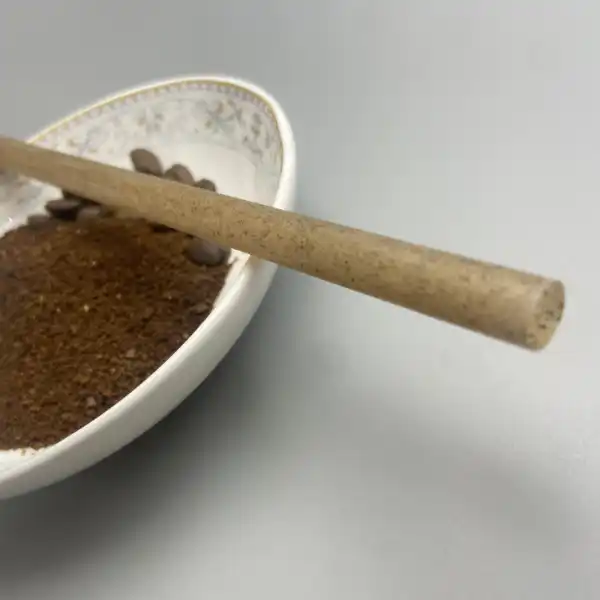
Sugarcane straws are engineered from processed bagasse—the dry pulpy residue that remains after the extraction of juice from sugarcane. Once processed, sugarcane fibers are molded into straws that are both durable and sustainable. Due to their natural characteristics, these straws are completely compostable and decompose within a few months under the right industrial settings.
Attributes of Sugarcane Straws
When evaluating sugarcane straws, most businesses consider several key attributes:
- Ramah Lingkungan: As a natural byproduct, sugarcane fibers substantially reduce waste and leave a minimal carbon footprint when disposed of correctly.
- Daya tahan: Compared to some other biodegradable materials, sugarcane straws possess good rigidity and resilience, making them suitable for various beverages.
- Daya Tarik Estetika: Their neutral color and sleek appearance often match well with modern branding and promotional aesthetics.
- Efektivitas Biaya: As technology improves and production scales, sugarcane straws can be competitively priced compared to their plastic counterparts.
Environmental and Economic Benefits
Choosing sugarcane straws isn’t solely an ethical decision—it makes sound economic sense too. Both environmental and economic benefits come together in a compelling narrative that supports responsible business practices while also appealing to a growing segment of eco-conscious consumers.
Keuntungan Lingkungan
The environmental benefits of sugarcane straws are substantial:
- Mengurangi Polusi Plastik: With the infamous image of plastic waste littering oceans and landscapes, switching to sugarcane straws helps in dismantling the cycle of plastic pollution. Globally, studies have indicated that single-use plastics account for nearly 40% of waste that ends up in our oceans.
- Daya hancur secara biologis: Unlike plastic, sugarcane straws break down naturally, reducing your business’s environmental footprint and aligning with sustainable waste management practices.
- Sumber Daya Terbarukan: Sugarcane is a fast-growing crop that replenishes at a rate far exceeding those of fossil fuel-derived plastics.

Economic Impacts and Market Trends
Adopting sugarcane straws can also present significant economic opportunities:
- Consumer Appeal: Sebuah studi Nielsen melaporkan bahwa 66% konsumen global bersedia membayar lebih untuk merek ramah lingkungan, dan menggunakan peralatan ramah lingkungan seperti sedotan tebu dapat meningkatkan citra merek Anda.
- Kepatuhan terhadap peraturan: Dengan banyaknya wilayah yang memberlakukan larangan dan peraturan ketat terhadap plastik sekali pakai, beralih ke alternatif yang dapat terbiodegradasi dapat membantu Anda menghindari hukuman dan menjamin kelangsungan operasional bisnis Anda di masa depan.
- Penghematan Biaya Pengelolaan Sampah: Memanfaatkan produk-produk yang dapat terbiodegradasi sering kali mengurangi biaya pengelolaan dan pembuangan limbah, terutama di wilayah dengan program daur ulang yang aktif.
Factors to Consider When Choosing Sugarcane Straws
Investing in sugarcane straws requires a balanced evaluation of various criteria to ensure they effectively meet the needs of your business. Here, we break down the critical factors that should guide your decision-making process.
1. Quality and Durability
One of the foremost considerations is the quality and durability of the sugarcane straws. While these straws are designed to be compostable, they should also withstand the typical use-case scenarios in a busy café or restaurant. Factors like length, diameter, flexibility, and rigidity should all be weighed carefully.
- Flexibility vs. Sturdiness: While flexibility is beneficial for user experience, a straw must maintain enough rigidity to avoid bending mid-use. Testing the physical properties of prototypes can be a wise step before full-scale adoption.
- Resistance to Liquids: Durability is particularly crucial when designing straws for cold beverages versus hot beverages. Ensure that the straw does not degrade immediately when in contact with liquids.
- Certification and Standards: Check whether the product meets industry standards such as the ASTM’s biodegradability tests or local regulations concerning single-use items.
2. Sourcing and Supply Chain Stability
An effective supply chain is vital for consistent quality and availability. Here are some tips to manage sourcing and supply chain logistics:
- Manufacturer Transparency: Choose suppliers who are transparent about their sourcing, production processes, and quality control practices.
- Pemasok Lokal vs. Internasional: Depending on your location and business model, consider local suppliers to reduce shipping times and support local economies. Local suppliers can also offer insights into regional market trends.
- Consistent Quality Control: Engage with suppliers that invest in robust quality control processes. Frequent quality audits and certifications indicate reliability.

3. Customization and Branding Options
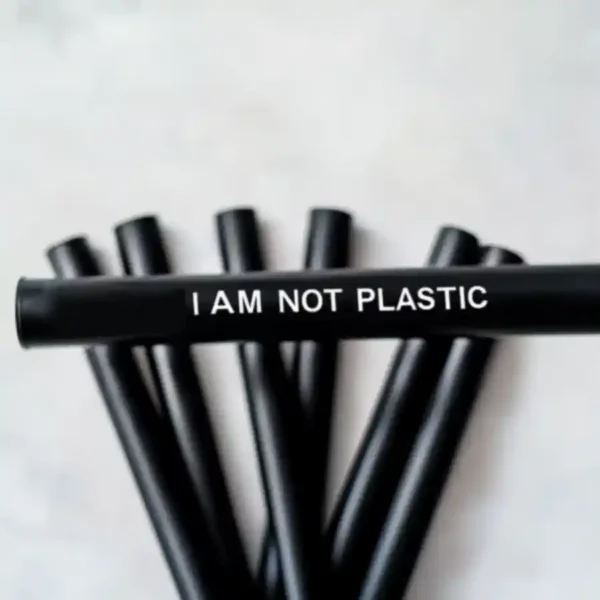
Your sugarcane straw can be an extension of your brand identity. Some suppliers offer customization options that might include your company’s logo, unique color treatments, or tailored sizes to fit custom cups.
- Brand Identity: Branded sugarcane straws can act as mini marketing tools, encouraging end-consumers to spread the word about your ethical practices.
- Design Versatility: Explore whether the supplier offers different shapes or sizes. A unique design that distinguishes your business can be a significant competitive advantage.
- Diskon volume: Customization might come with higher unit costs per straw; however, if ordered in bulk, many suppliers provide attractive volume discounts.
4. Cost Considerations
While environmental sustainability is a core benefit, it is essential to assess the economic viability of switching from plastic or other materials to sugarcane straws. Here are several cost-related factors to weigh:
- Unit Cost Comparison: Compare the per-unit cost of sugarcane straws with your current supplier’s options. Consider if the cost differential is justified by the marketing and environmental benefits.
- Bulk Purchase Discounts: Review your supplier’s pricing model—often higher initial costs are balanced out by substantial bulk order discounts.
- Long-term Savings: Factor in long-term savings such as less expenditure on waste disposal for non-recyclable materials and potential tax incentives for sustainable business practices.
- Shipping and Import Costs: Ensure that the advertised costs include shipping, customs fees (if applicable), and any form of additional overhead costs.

5. End-of-Life Disposal and Biodegradability
Ensuring that your choice meets the intended environmental impact is critical in sustainability. Sugarcane straws are regarded for their biodegradability, but there are different standards to consider regarding the end-of-life process:
- Industrial Composting Compatibility: Some sugarcane straws require an industrial composting facility to degrade fully. Research the availability of such facilities in your area.
- Komposabilitas Rumah: If your business is primarily targeted towards households or local consumers, check if the product will decompose adequately in a typical home compost setup.
- Sertifikasi: Look for certifications from recognized bodies such as the Biodegradable Products Institute (BPI) or similar accrediting agencies in your region.
Case Studies and Real-World Examples
Real-world success stories provide invaluable insights into the practical application of sugarcane straws in diverse business settings. Here are a few case studies that illustrate the effective integration of sugarcane straws into the business model:
Case Study 1: Eco-Café Chain in North America
An eco-conscious café chain based in North America decided to replace all plastic straws with sugarcane straws as part of their comprehensive sustainability overhaul. The key outcomes included:
- Peningkatan Merek: Customer surveys showed that over 70% of patrons appreciated the switch and felt more positively about the brand’s commitment to reducing plastic waste.
- Efisiensi Operasional: With the supply chain aligned to a local manufacturer, the café chain reported fewer disruptions, reduced shipping times, and improved consistency in product quality.
- Diferensiasi Pasar: The green initiative helped the brand differentiate itself in a competitive market, attracting eco-conscious consumers who are increasingly influential on social media.

Case Study 2: Restaurant Group in Europe
A prominent European restaurant group sought to overhaul its disposable utensils in response to upcoming regulations banning single-use plastics. The group opted for sugarcane straws as part of broader sustainability practices. Their journey involved:
- Adaptation and Testing: Before a full rollout, the restaurant group conducted extensive in-house testing across multiple beverage types, optimizing the straw design for both cold and hot drinks.
- Analisis Biaya: Although the upfront costs were slightly higher, long-term savings emerged through reduced waste management fees and positive consumer responses, culminating in an overall 15% increase in customer retention rates.
- Brand Loyalty: Their marketing campaign around the eco-friendly transition generated buzz in local media and on social platforms, reinforcing the brand’s image as a leader in sustainability.
How to Evaluate Suppliers and Products
The success of introducing sugarcane straws into your business hinges largely on choosing the right supplier. An effective evaluation process should include the following steps:
- Research and Due Diligence: Conduct thorough market research to identify the best suppliers for sugarcane straws. Check their reputation, reviews, and case studies from businesses in similar industries.
- Sample Testing: Before committing to a long-term partnership, request samples from multiple suppliers to assess their durability, appearance, and functionality.
- Sertifikasi dan Kepatuhan: Ensure the products meet necessary standards like ASTM or BPI certifications.
- Transparency: Choose suppliers who are transparent about their sourcing and environmental impact.
- Sustainability Practices: Evaluate the supplier’s overall sustainability efforts in energy usage, packaging materials, and carbon footprint reduction.
- Building Relationships with Suppliers: Cultivate long-term relationships with your suppliers for better service and potential product innovation.
Final Thoughts: Why Sugarcane Straws Are a Smart Choice for Your Business
Sugarcane straws represent a sustainable alternative to plastic straws, offering several environmental and economic benefits. By considering key factors such as quality, cost, and supplier reliability, businesses can make an informed decision to incorporate these straws into their operations. Whether your goal is to enhance brand image, comply with regulations, or contribute to a greener world, sugarcane straws can be an integral part of your sustainability strategy.

Poin Penting:
- Sugarcane straws are biodegradable and offer environmental benefits such as reducing plastic pollution and utilizing renewable resources.
- Adopting sugarcane straws can enhance brand image, attract eco-conscious consumers, and comply with regulations.
- Businesses should evaluate factors such as durability, sourcing, customization, and cost before choosing sugarcane straws.
- Partnering with the right supplier ensures a steady supply of high-quality products and supports long-term sustainability goals.