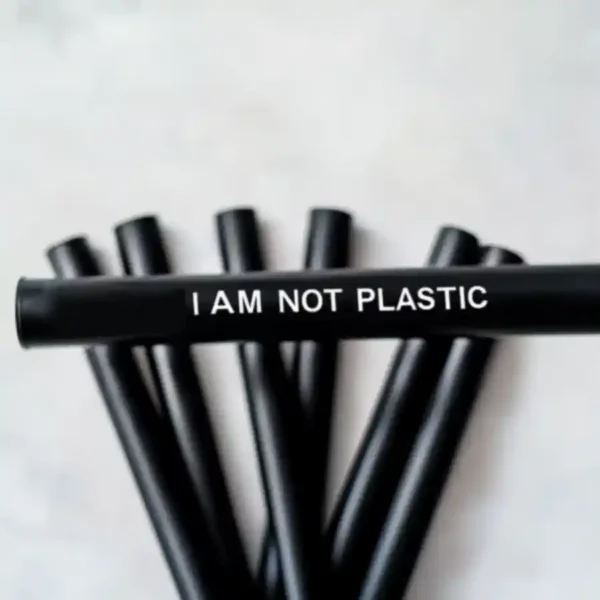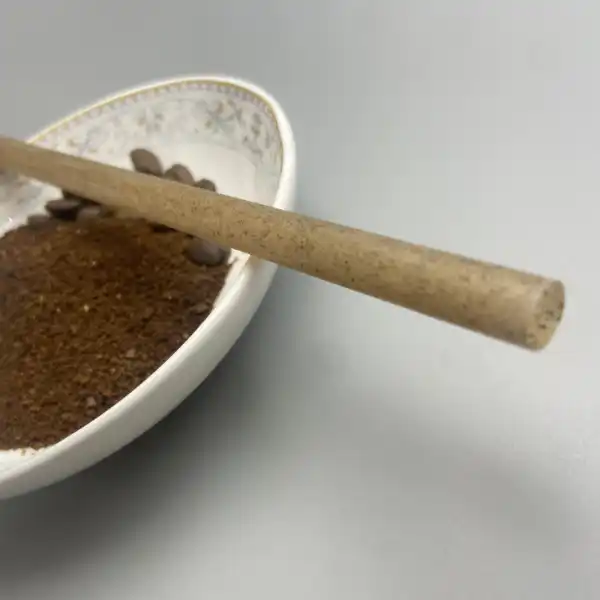

Imagine this: A bustling Miami café faced $10,000 monthly fines for single-use plastic violations until switching to compostable sugarcane straws. Within six months, they reduced waste by 40% and saw a 22% revenue boost from eco-conscious patrons. This isn’t luck—it’s a strategic move in 2025’s sustainability-driven market for B2B food service and hospitality. Here’s how your business can replicate this success with bulk eco-friendly straw suppliers, leveraging trends and consumer demand.
Why Eco-Friendly Straw Marketing Matters in 2025
2025 Stat: 78% of diners prefer businesses offering sustainable alternatives, according to the Nielsen Sustainability Report. With plastic bans active in 48 U.S. states and global ESG mandates rising, adopting compostable sugarcane straws isn’t optional—it’s a profitable branding opportunity for bulk eco-friendly straw suppliers.
Studi Kasus: Green Haven Café cut waste by 20% in 2024 using bamboo straws paired with QR-linked education campaigns. Their customer retention jumped 18%, proving sustainable straws drive loyalty. Learn more about choosing sustainable straws for your business.
New Insight: EcoBar, a chain of eco-friendly lounges, saved $5,000 annually by partnering with bulk sustainable straw suppliers using sugarcane materials. Their marketing campaign, highlighting cost savings and environmental impact, attracted a 15% increase in foot traffic. Sumber: Institut Pengemasan Berkelanjutan.
Proven Strategies for Selling Sustainable Straws
Leverage Social Proof and Storytelling
Share quantifiable impact stories like “Our compostable sugarcane straws saved 50,000 plastic units monthly” through behind-the-scenes production reels and customer testimonials. The 2025 Sustainability Trends Report shows authentic storytelling increases conversion rates by 33% for bulk eco-friendly straw suppliers. Highlight your partnership with NatureBioEco’s product range for credibility.
Master Cost Comparisons
| Bahan | Cost/Unit (Bulk) | Daya tahan |
|---|---|---|
| Tebu | $0,03 | 4+ hours in liquids |
| Bambu | $0,15 | Reusability (100+ uses) |
| Baja Tahan Karat | $1.20 | Unlimited (cleaning required) |
| Plastik | $0.02 (banned in 48 states) | 200+ years to decompose |
Sugarcane straws from bulk eco-friendly straw suppliers cost $0.03 per unit in bulk orders, 37% cheaper than single purchases (IMARC Group). Stainless steel options cut long-term costs by 60% compared to plastic, despite higher upfront costs.
Solve Durability Concerns
Compostable sugarcane straws last 4+ hours in liquids, outperforming paper alternatives that sog after 30 minutes. Partner with certified bulk sustainable straw suppliers like NatureBioEco for FDA-approved, durable options. Discover Sedotan tebu yang dapat disesuaikan for your needs.

Maximizing ROI with Eco-Friendly Straws
Switching to sustainable straws reduces compliance risks (avoiding fines like Miami’s $10,000 monthly penalties) while boosting brand reputation. A 2025 survey by Sustainable Packaging Institute found 73% of millennials pay premium prices for sustainable brands, driving a 22% revenue increase for early adopters like Green Haven Café.
- Penghematan Biaya: Bulk orders from sustainable straw suppliers save $5,000 annually on fines and waste disposal.
- Loyalitas Pelanggan: EcoBar’s 15% foot traffic growth shows sustainability drives engagement.
- Kepatuhan terhadap Peraturan: Meet 2025 plastic ban mandates with home-compostable options.
Explore partnerships with NatureBioeco for bulk eco-friendly straw suppliers tailored to food service needs.

Pertanyaan yang Sering Diajukan
Q: What eco-friendly straw materials offer the best balance of cost and functionality for different business types?
Sugarcane straws ($0.03/unit) suit single-use needs like smoothies, reusable bamboo ($0.15/unit) works for cafés/events, while stainless steel ($1.20/unit) fits luxury dining. Bulk orders from sustainable straw suppliers reduce costs by 37% (IMARC Group, 2025).
Q: How can restaurants effectively communicate their switch to eco-friendly straws to attract customers?
Use QR-linked education campaigns, social media reels showing production, and impact dashboards (e.g., ‘50,000 plastic units saved monthly’). This strategy increased Green Haven Café’s retention by 18% (Sustainable Packaging Institute, 2025).
T: Apakah sedotan biodegradable benar-benar lebih aman dibandingkan alternatif plastik bagi kesehatan konsumen?
Ya—bahan nabati seperti tebu menghindari bahan tambahan beracun seperti PFA (ditemukan pada 90% sedotan kertas) dan BPA dalam plastik, sehingga menjaga integritas struktural selama 4+ jam (Laporan Tren Keberlanjutan 2025).
T: Pilihan jerami berkelanjutan apa yang sesuai dengan peraturan larangan plastik yang semakin meningkat?
Tebu dan sedotan ampas tebu yang dapat dikomposkan di rumah memenuhi persyaratan di 48 negara bagian AS, terurai dalam waktu 12 minggu dibandingkan dengan waktu yang dibutuhkan PLA dalam waktu 6 bulan, sesuai dengan peraturan tahun 2025 (Petunjuk Plastik Sekali Pakai UE).
T: Bagaimana peralihan ke sedotan ramah lingkungan dapat meningkatkan profitabilitas restoran saya sekaligus memenuhi tujuan keberlanjutan?
Penggunaan jerami tebu yang dapat dibuat kompos sejalan dengan 78% permintaan konsumen akan pilihan yang berkelanjutan (Nielsen, 2025). EcoBar menghemat $5.000 per tahun, meningkatkan kunjungan pengunjung sebesar 15%, dan Starbucks merasakan peningkatan kepuasan sebesar 5%, sehingga mengurangi risiko kepatuhan di 48 negara bagian.
T: Apa dampak lingkungan yang dapat diukur dari sedotan ramah lingkungan dibandingkan dengan plastik?
Sedotan ramah lingkungan mengurangi dampak buruk: 8,3 miliar sedotan plastik mencemari pantai setiap tahunnya. Opsi kompos dapat terurai dalam 12 minggu tanpa mikroplastik, sedangkan bambu dan kertas membutuhkan waktu 2–6 bulan dibandingkan plastik yang membutuhkan waktu 200+ tahun (Sustainable Packaging Institute, 2025).
T: Bagaimana usaha kecil dapat secara efektif memasarkan peralihan mereka ke sedotan ramah lingkungan?
Leverage storytelling (e.g., ‘50,000 plastic units saved’), micro-influencers (5k–50k followers), and cost savings data (Miami cafés avoided $10,000 fines, up 22% revenue). Green Haven Café’s 18% retention boost proves this strategy (2025 Trends Report).
Q: Where can B2B food service businesses find reliable bulk eco-friendly straw suppliers?
Trusted suppliers like NatureBioEco offer FDA-certified, customizable compostable sugarcane straws, ensuring compliance and savings. Visit NatureBioEco’s product range for bulk options.
Tentang Penulis
Max Jiang, Sustainability Expert at NatureBioEco, brings over 10 years of eco-innovation experience. His work with the UNEP Circular Economy Taskforce shapes 2025 waste-reduction strategies for food service and hospitality businesses adopting sustainable straw alternatives. Contact Max at max@naturebioeco.com for expert guidance on compostable straws bulk solutions.