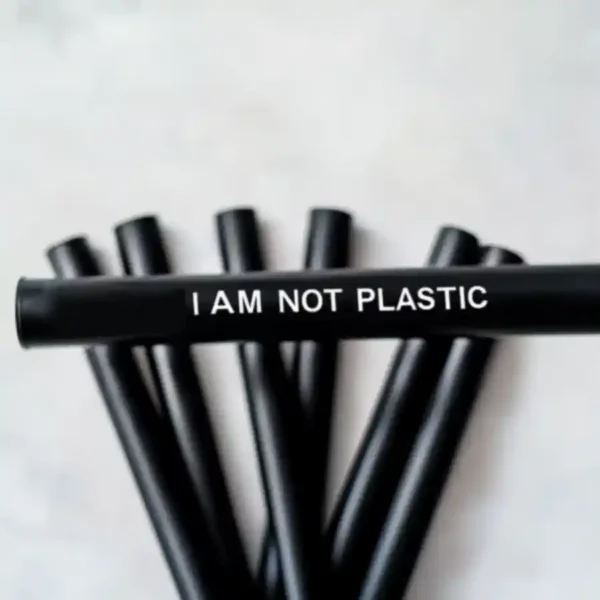
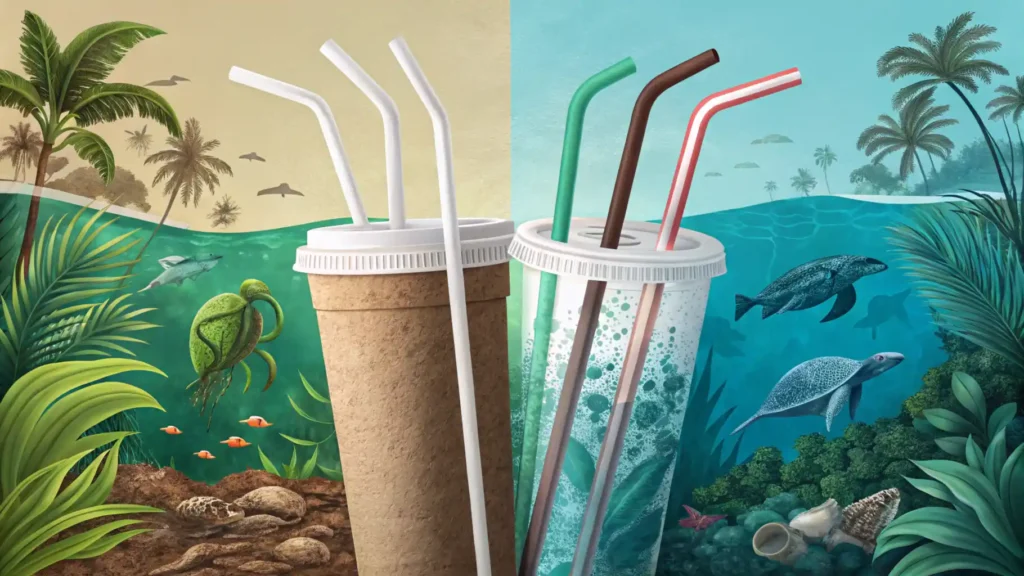
Setiap hari, jutaan sedotan plastik digunakan dan dibuang, sehingga memberikan kontribusi signifikan terhadap pencemaran lingkungan. Barang sekali pakai ini, yang sering digunakan hanya dalam hitungan menit, menimbulkan ancaman jangka panjang bagi planet kita. Untungnya, peralihan ke alternatif ramah lingkungan seperti sedotan yang dapat terbiodegradasi dan dibuat kompos kini mendapatkan momentumnya. Panduan komprehensif ini mengeksplorasi berbagai jenis sedotan ramah lingkungan, manfaatnya, dan cara membuat pilihan yang tepat untuk mendukung planet yang lebih sehat.
Mengapa Sedotan Plastik Menjadi Masalah
Sedotan plastik biasanya terbuat dari bahan berbasis minyak bumi dan membutuhkan waktu berabad-abad untuk terurai. Bahan-bahan tersebut menyumbat tempat pembuangan sampah, membahayakan satwa laut, dan akhirnya terurai menjadi mikroplastik yang mencemari sumber air dan bahkan rantai makanan manusia. Menurut sebuah studi oleh American Chemical Society, “sedotan yang dapat terurai secara hayati masih membutuhkan waktu berbulan-bulan untuk terurai sepenuhnya di laut, menekankan besarnya krisis polusi plastik.
Masalah Utama Sedotan Plastik
- Dekomposisi Lambat: Mereka tinggal di tempat pembuangan sampah, laut, dan habitat alami lainnya selama beberapa dekade atau abad.
- Dampak Satwa Liar: Hewan laut salah mengira pecahan plastik sebagai makanan, sehingga menyebabkan cedera atau kematian.
- Mikroplastik: Seiring dengan degradasinya, sedotan plastik menambah polusi mikroplastik yang terus meningkat di ekosistem kita.
Memahami Biodegradable, Compostable, dan Marine-Degradable
Label sedotan bisa membingungkan. Istilah-istilah seperti “dapat terurai secara hayati”, “dapat dibuat kompos”, dan “dapat terurai di laut” sering kali digunakan secara bergantian, meskipun kedua istilah tersebut tidak memiliki arti yang sama:
- Dapat terurai secara hayati: Terurai seiring berjalannya waktu melalui proses alami, namun mungkin memakan waktu bertahun-tahun dan seringkali memerlukan kondisi tertentu.
- Dapat dibuat kompos: Terurai menjadi tanah yang kaya nutrisi dalam kondisi tertentu, seperti di lingkungan industri atau pengomposan rumah.
- Dapat Terurai di Laut: Diformulasikan khusus untuk terurai di air asin, sehingga mengurangi bahaya bagi kehidupan laut. Namun, masih lebih baik membuang produk-produk ini dengan benar daripada mengandalkan degradasi laut.
Jika Anda tertarik untuk menyelam lebih dalam, Jerami Tebu menjelaskan perbedaan persyaratan dan jangka waktu penggunaan “biodegradable” dan “compostable”.
Jenis Sedotan Biodegradable dan Kompos

1. PHA (Polihidroksialkanoat)
Sedotan PHA terbuat dari sumber daya terbarukan (misalnya minyak nabati, mikroba) dan sering kali dapat dibuat kompos untuk keperluan industri dan rumah tangga. Mereka juga cenderung demikian mudah terurai di laut, menjadikan mereka kandidat kuat konsumen yang sadar lingkungan.
2. PLA (Asam Polilaktat)
PLA berasal dari pati tanaman seperti jagung atau tebu namun berperilaku seperti plastik tradisional. Biasanya diperlukan pengomposan industri dengan suhu tinggi untuk terurai, artinya tidak dapat dibuat kompos secara universal. Untuk wawasan lebih lanjut tentang kelemahannya, lihat Diskusi Roc Paper Straws.
3. Sedotan Kertas
Sedotan kertas terurai lebih cepat dibandingkan plastik namun bisa menjadi basah dan mungkin mengandung bahan kimia seperti PFAS. Produksi juga bisa memakan banyak energi, dan tidak semua sedotan kertas mudah didaur ulang atau dibuat kompos.
4. Sedotan Tebu
Jerami tebu berasal dari ampas tebu—produk sampingan pengolahan tebu—dan populer karena daya tahan dan kemampuan komposnya. Misalnya, Anda dapat memeriksa Smoothie tebu yang dibungkus dari Nature Bio Eco jika Anda mencari opsi kompos rumahan.
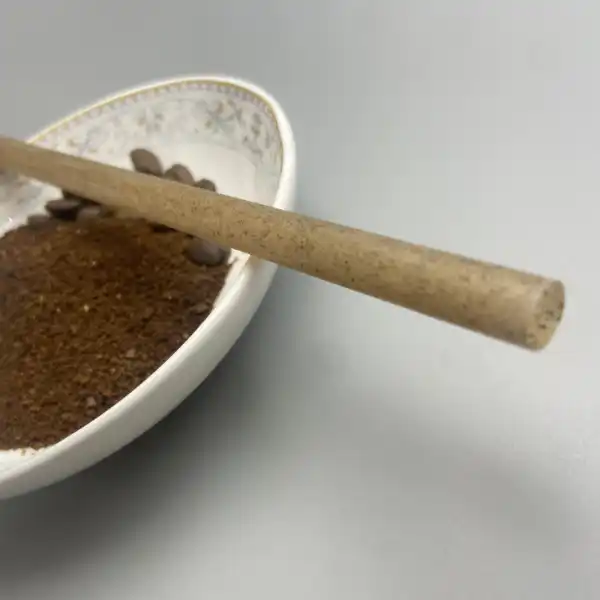
5. Sedotan Ampas Kopi
Sedotan yang terbuat dari ampas kopi menawarkan kehidupan kedua bagi limbah kopi, sehingga mengurangi ketergantungan pada bahan-bahan baru. Mereka biasanya bebas dari bahan kimia keras dan cocok untuk pembuatan kompos. Salah satu pilihannya adalah Sedotan ampas kopi boba dari Nature Bio Eco (12mm x 210mm), dirancang untuk menahan minuman yang lebih kental namun tetap ramah lingkungan.
6. Bambu dan Agave
Pilihan nabati lainnya termasuk bambu (cepat tumbuh, dapat digunakan kembali, dan dapat dibuat kompos) dan agave (serat limbah daur ulang dari produksi tequila). Keduanya dapat terurai lebih cepat dibandingkan plastik berbahan dasar minyak bumi.
Membuat Pilihan yang Tepat

Pertimbangkan hal berikut ini:
- Metode Pembuangan
- Bisakah Anda membuat kompos di rumah?
- Apakah pengomposan industri tersedia secara lokal?
- Jenis Minuman
- Minuman panas vs. dingin? (Beberapa sedotan tidak tahan terhadap panas tinggi.)
- Smoothie kental vs. koktail ringan?
- Bahan
- Hindari klaim “dapat dibuat kompos” tanpa sertifikasi pihak ketiga.
- Biaya dan Ketersediaan
- Sedotan ramah lingkungan mungkin lebih mahal, namun harganya akan menurun seiring dengan meningkatnya adopsi.
- Umur Panjang dan Pengalaman Pengguna
- Sedotan yang dapat digunakan kembali seperti bambu atau baja tahan karat mungkin merupakan pilihan terbaik bagi Anda yang sering menggunakan sedotan.
- Sekali pakai? Cari yang terverifikasi dapat dibuat kompos atau mudah terurai di laut.
Untuk mempelajari lebih lanjut tentang bagaimana bahan-bahan yang dapat dibuat kompos membantu memerangi sampah plastik, lihat “5 Alasan Memilih Sedotan Kompos Dibandingkan Sedotan Plastik” untuk perspektif tambahan mengenai manfaat lingkungan.
Tips untuk Bisnis dan Konsumen
- Untuk bisnis
- Mendidik Staf & Pelanggan: Berikan tanda dan petunjuk yang jelas mengenai pembuangan.
- Uji Beberapa Pilihan: Menawarkan berbagai jenis sedotan (misalnya, tebu vs. ampas kopi) untuk menemukan keseimbangan antara biaya dan kinerja.
- Pasarkan Upaya Anda: Beri tahu patronmu bahwa kamu beralih ke alternatif ramah lingkungan sebagai bagian dari janji keberlanjutanmu.
- Untuk konsumen
- Lewati Sedotan: Jika sedotan tidak diperlukan, lupakan saja.
- Pilih Dapat Digunakan Kembali: Sedotan logam, silikon, atau kaca dapat mengurangi sampah secara drastis seiring berjalannya waktu.
- Buang Secara Bertanggung Jawab: Jika menggunakan sedotan yang dapat dijadikan kompos, pastikan sedotan tersebut masuk ke aliran pengomposan yang benar. Di banyak tempat, tempat sampah standar berarti tempat sampah tersebut mungkin tidak rusak sebagaimana mestinya.
Menyatukan Semuanya
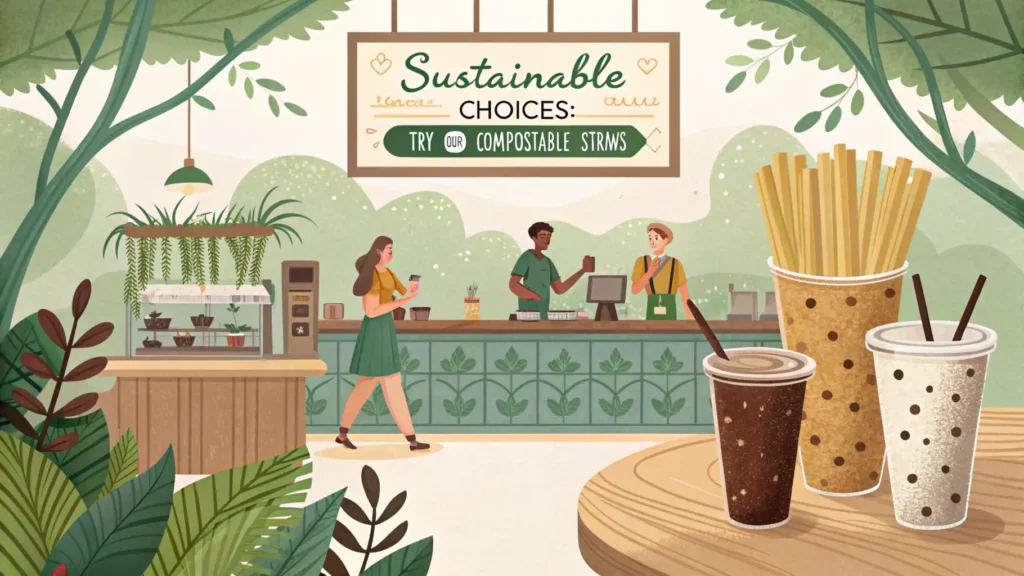
Beralih dari plastik ke alternatif jerami yang lebih ramah lingkungan merupakan langkah nyata dalam memerangi polusi dan melindungi lautan kita. Namun, penting untuk diingat bahwa tidak ada satu bahan pun yang bisa menyembuhkan segalanya. Kurangi konsumsi secara keseluruhan dan buang sedotan Anda dengan benar untuk memaksimalkan manfaat lingkungan. Jika Anda penasaran dengan siklus hidup berbagai opsi biodegradable, Ikhtisar penelitian ScienceDirect menguraikan tantangan, kinerja, dan implikasi yang lebih luas dari setiap jenis sedotan.
Pertanyaan yang Sering Diajukan (FAQ)
- Apa perbedaan utama antara sedotan biodegradable dan sedotan kompos?
- Sedotan yang dapat terbiodegradasi pada akhirnya terurai dalam kondisi alami namun mungkin masih meninggalkan mikroplastik. Sedotan kompos dirancang untuk terurai sepenuhnya menjadi bahan kaya nutrisi, biasanya di fasilitas pengomposan.
- Apakah sedotan kertas selalu lebih baik daripada sedotan plastik?
- Bahan-bahan tersebut lebih cepat terurai namun bisa jadi basah, mengandung bahan kimia, dan tidak selalu dapat didaur ulang. Namun, plastik umumnya memiliki dampak jangka panjang yang lebih rendah terhadap lingkungan dibandingkan plastik.
- Apakah sedotan PLA benar-benar membantu lingkungan?
- Sedotan PLA bisa menyesatkan; mereka seringkali membutuhkan kondisi pengomposan industri agar dapat terurai sepenuhnya. Tanpa kondisi ini, mereka dapat berperilaku serupa dengan plastik tradisional.
- Apa perbedaan antara sedotan yang dapat dibuat kompos untuk rumah tangga dan sedotan yang dapat dibuat untuk industri?
- Sedotan yang dapat dibuat kompos di rumah akan terurai di tempat sampah kompos di halaman belakang, sedangkan sedotan yang dapat dibuat kompos untuk industri memerlukan suhu yang lebih tinggi dan kondisi terkendali seperti yang terdapat di fasilitas pengomposan komersial.
- Seberapa cepat sedotan tebu atau ampas kopi terurai?
- Dalam kondisi optimal, mereka dapat rusak dalam hitungan minggu atau bulan. Waktu penguraian sebenarnya bergantung pada suhu, kelembapan, dan keberadaan mikroba pengompos.
- Apakah bahan yang dapat terurai di laut sama dengan membuang sedotan ke laut?
- Tidak tepat. Dapat terurai di laut artinya tidak akan membahayakan lautan dalam jangka panjang jika sampai di sana. Namun, pembuangan yang benar ke dalam kompos atau fasilitas limbah masih merupakan praktik terbaik.
- Di mana saya bisa menemukan sedotan kompos yang dapat diandalkan?
- Carilah vendor yang memiliki sertifikasi bereputasi baik (misalnya BPI, TÜV AUSTRIA). Anda juga bisa menjelajah Sedotan tebu Nature Bio Eco untuk pilihan ramah lingkungan.
Dengan memilih sedotan yang dapat dijadikan kompos atau biodegradable—dan, jika memungkinkan, mengurangi atau menghilangkan kebutuhan akan sedotan—Anda dapat berperan dalam menciptakan planet yang lebih bersih untuk generasi mendatang.