Sustainable Straws: Top Eco-Friendly Brands & Bahan

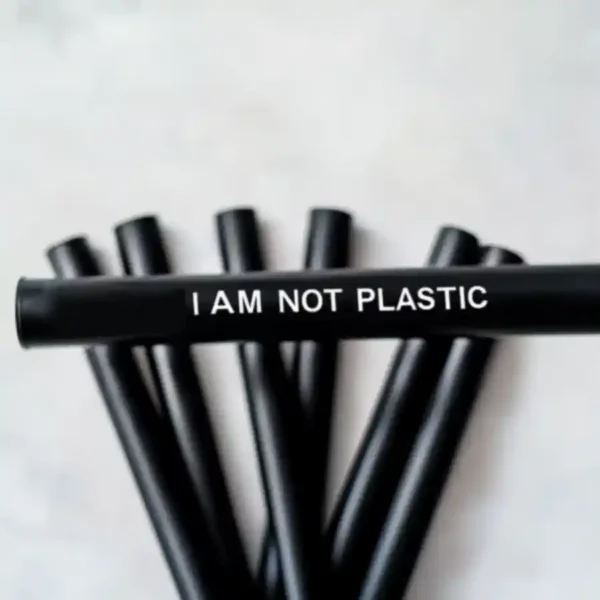
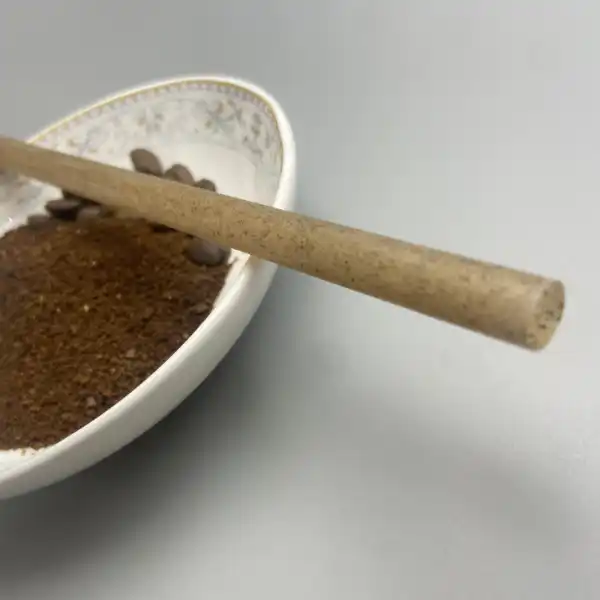
Ketika dunia usaha dan konsumen semakin memprioritaskan keberlanjutan, sedotan plastik sekali pakai telah menjadi simbol sampah yang tidak perlu. Merek yang sadar lingkungan menawarkan alternatif inovatif, menyeimbangkan fungsionalitas dengan tanggung jawab terhadap lingkungan. Panduan ini mengeksplorasi merek dan bahan sedotan ramah lingkungan terkemuka yang mengubah pasar sedotan dan mengurangi polusi plastik.
Benefits of Switching to Sustainable Straws
Beralih ke sedotan ramah lingkungan menawarkan banyak keuntungan:
- Mengurangi Polusi Plastik: Jumlah sampah sedotan plastik sangat besar; lebih dari 500 juta digunakan setiap hari di A.S. saja, sehingga berkontribusi signifikan terhadap polusi laut dan membahayakan kehidupan laut. Polusi ini berlangsung selama berabad-abad, terurai menjadi mikroplastik yang mencemari ekosistem dan berpotensi memasuki rantai makanan. Pertimbangkan dampak lingkungan jangka panjang dan citra merek yang terkait dengan kontribusi terhadap masalah ini. Memilih sedotan yang ramah lingkungan adalah sebuah langkah menuju planet yang lebih bersih.
- Daya hancur secara biologis: Banyak alternatif jerami ramah lingkungan yang terurai secara alami, tidak seperti plastik yang dapat bertahan selama ratusan tahun. Hal ini mengurangi beban TPA dan meminimalkan dampak buruk terhadap lingkungan. Namun, sangat penting untuk memverifikasi klaim biodegradabilitas spesifik dan kondisi pengomposan yang diperlukan untuk setiap bahan. Carilah sedotan yang terbuat dari bahan biodegradable seperti bambu atau kertas.
- Peningkatan Reputasi Merek: Mengadopsi praktik ramah lingkungan meningkatkan citra merek dan menarik konsumen yang sadar lingkungan. Penyelarasan dengan nilai-nilai keberlanjutan ini dapat menarik pelanggan baru dan menumbuhkan loyalitas pelanggan yang lebih kuat. Soroti komitmen Anda terhadap keberlanjutan dalam materi pemasaran Anda untuk menunjukkan asosiasi merek yang positif ini. Menggunakan sedotan ramah lingkungan menunjukkan komitmen Anda terhadap tanggung jawab lingkungan.
- Kepatuhan terhadap Peraturan: Many cities and regions are enacting bans or restrictions on single-use plastics, including straws. Switching to sustainable alternatives ensures compliance with current and future regulations, avoiding potential fines and negative publicity. Proactive compliance demonstrates responsible business practices. Sustainable straws help you stay ahead of the curve.
Top Sustainable Straw Brands by Material
This section categorizes sustainable straw brands based on material, highlighting their pros, cons, and ideal applications. Remember to thoroughly vet any supplier to ensure their sustainability claims are verifiable and meet your ethical standards. Choosing the right sustainable straw brand is crucial for your business and the environment.
1. Bamboo Straws
- Key Brands: Bambaw, ibambo, HAY! Straws
- Pro: Naturally antibacterial, reusable for months with proper cleaning, aesthetically pleasing.
- Kontra: Requires diligent manual cleaning; not suitable for all beverages (e.g., thick smoothies may clog them).
- Terbaik Untuk: Cafés, bars, and restaurants serving smoothies, cocktails, or juices where reusability is feasible. Consider providing a cleaning brush with each straw for customer convenience.

2. Paper Straws
- Key Brands: Green Paper Products, Phade®
- Pro: Affordable, widely recyclable (although recyclability depends on local facilities).
- Kontra: Can become soggy quickly, especially with prolonged contact with liquids; some contain PFAS (per- and polyfluoroalkyl substances) chemicals, raising health concerns. Choose brands that explicitly state they are PFAS-free.
- Terbaik Untuk: Acara sekali pakai atau jaringan restoran cepat saji yang mengutamakan biaya dan kemudahan pembuangan. Namun, evaluasi secara hati-hati dampak lingkungan dari produksi dan pembuangan sedotan kertas. Carilah sedotan kertas yang ramah lingkungan.

3. Baja Tahan Karat & Sedotan Logam
- Key Brands: Pegangan Bagus OXO, Sedotan Baja Tahan Karat Co.
- Pro: Tahan lama, dapat digunakan kembali, dan merupakan alternatif berkelanjutan untuk sedotan plastik.
- Kontra: Bisa lebih mahal di muka; memerlukan pembersihan rutin.
- Terbaik Untuk: Konsumen mencari opsi yang tahan lama dan dapat digunakan kembali. Sedotan logam adalah pilihan ramah lingkungan yang bagus.
Sustainable Straw Options: A Comprehensive Guide
Memilih sedotan yang ramah lingkungan merupakan langkah signifikan dalam mengurangi sampah plastik dan melindungi lingkungan. Panduan ini mengeksplorasi berbagai alternatif ramah lingkungan dibandingkan sedotan plastik tradisional, menyoroti kelebihan, kekurangan, dan penerapan terbaiknya. Kami akan mempelajari secara spesifik masing-masing jenis, membantu Anda membuat keputusan berdasarkan kebutuhan dan preferensi Anda. Mulai dari sedotan baja tahan karat yang tahan lama hingga pilihan berbahan dasar tanaman yang dapat dibuat kompos, ada solusi sempurna untuk sedotan ramah lingkungan untuk semua orang.

Sedotan Stainless Steel: Daya Tahan dan Umur Panjang
- Key Brands: FinalStraw, Klean Kanteen
- Pro: Tahan lama, dapat digunakan kembali seumur hidup, aman untuk mesin pencuci piring, tahan terhadap basah.
- Kontra: Dapat menghantarkan panas, berpotensi mengubah suhu minuman; mungkin memerlukan sikat pembersih untuk pembersihan menyeluruh.
- Terbaik Untuk: Reusable kits for coffee shops, travel mugs, or individual consumers prioritizing durability and long-term cost savings. Offer cleaning instructions and brushes to encourage proper hygiene.
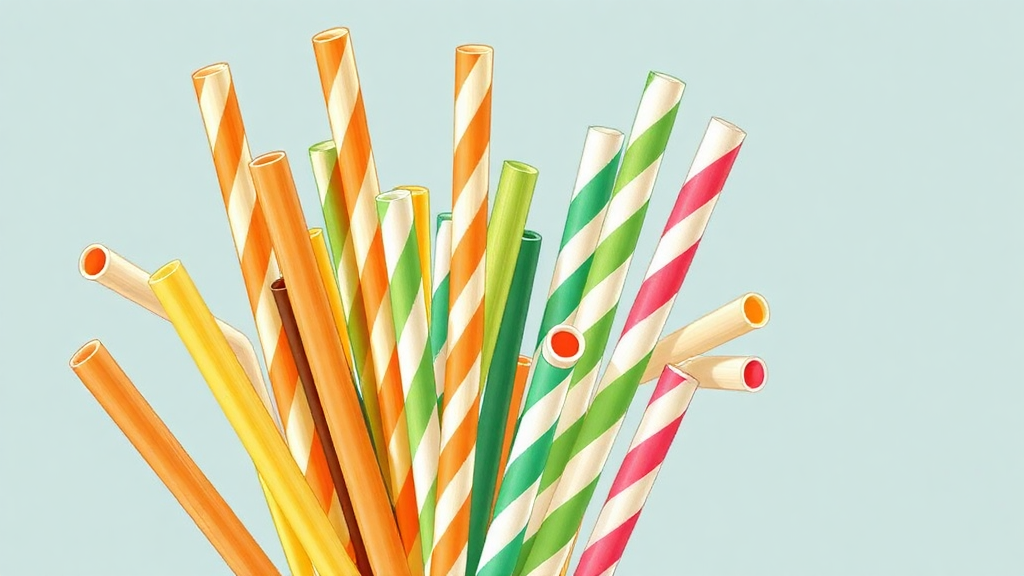
Silicone Straws: Soft and Flexible
- Key Brands: Flathead Products, GIR
- Pro: Soft, flexible, kid-friendly, suitable for tumblers and various cups.
- Kontra: Not biodegradable; some silicone products may contain BPA (Bisphenol A) – check for BPA-free certifications.
- Terbaik Untuk: Families, schools, or settings where safety and flexibility are paramount. Clearly communicate the material composition and any relevant certifications to address consumer concerns.
Glass Straws: Elegant and Easy to Clean
- Key Brands: Hiware, Simply Straws
- Pro: Transparent for easy cleaning, elegant aesthetics.
- Kontra: Fragile, not suitable for high-traffic venues or environments with risk of breakage.
- Terbaik Untuk: Upscale restaurants, home use, or settings where breakage is minimal. Consider offering protective carrying cases to enhance durability.
Plant-Based Compostable Straws: Eco-Friendly Choice
- Key Brands: EQUO, Sulapac, Renouvo
- Bahan: Sugarcane bagasse, rice starch, fermented coconut water, and other plant-based materials.
- Pro: Home-compostable in optimal conditions; withstand hot and cold drinks without becoming soggy.
- Terbaik Untuk: Zero-waste businesses, eco-conscious consumers, and settings where home composting is accessible. Clearly communicate composting instructions to ensure proper disposal. Consider offering a compostable carrying case.
Sustainable Straw Material Comparison
| Bahan | Daya tahan | Cost per Unit (USD) | Daya hancur secara biologis | Ketahanan Suhu | Dapat digunakan kembali | Catatan |
|---|---|---|---|---|---|---|
| Bambu | Tinggi | $0.10 – $0.30 | Ya | Bagus sekali | Reusable (years) | Durable, aesthetically pleasing; responsible sourcing is crucial for sustainability. |
| Tebu | Sedang | $0.01 – $0.05 | Ya | Bagus sekali | Sekali pakai | Cost-effective, widely available; ensure compostable certification for truly sustainable straws. |
| PLA (Asam Polilaktat) | Sedang | $0.05 – $0.15 | Biodegradable (check specific material) | Bagus | Sekali pakai | Compostable under industrial conditions; avoid disposal in regular waste. |
| Plastik | Rendah | Relatively inexpensive (initially) | Tidak dapat terurai secara hayati | Bagus | Sekali pakai | Contributes significantly to plastic pollution; avoid for sustainable practices. |
Choosing sustainable straws is a significant step towards reducing plastic waste and promoting environmental responsibility. The table above compares various straw materials, highlighting their biodegradability, cost, and durability. Consider the long-term environmental impact when selecting straws for your business.
Remember to factor in the reusability and temperature resistance of each material to ensure they meet your specific needs. For example, bamboo straws are highly durable and reusable, while sugarcane straws are a more cost-effective single-use option. Always prioritize straws made from sustainable and responsibly sourced materials.
| Baja Tahan Karat | Sangat Tinggi |
Additional Considerations for Sustainable Straws
- Durability varies by material (high for some)
- Generally single-use, except for reusable options
- Reusable (bamboo, metal) or compostable options available
- Increasingly subject to bans and restrictions on plastic straws
- Often compliant with existing environmental regulations
Sustainable Straw Options: A Comparison
Choosing sustainable straws is a crucial step towards reducing plastic waste. Bamboo and sugarcane straws offer eco-friendly alternatives to traditional plastic straws, each with its own advantages. Stainless steel straws provide a durable and reusable option.

Frequently Asked Questions About Sustainable Straws for Businesses
Highlighting Your Eco-Friendly Practices with Sustainable Straws
Menyoroti praktik ramah lingkungan Anda dapat menarik pelanggan yang sadar lingkungan dan meningkatkan citra merek Anda. Pertimbangkan untuk menggunakan desain yang menarik secara visual pada sedotan ramah lingkungan untuk memperkuat pesan Anda.
Final Thoughts and Call to Action
Beralih ke sedotan ramah lingkungan bukan sekadar pilihan yang bertanggung jawab terhadap lingkungan; ini adalah langkah strategis yang sejalan dengan meningkatnya permintaan konsumen akan produk-produk ramah lingkungan. Dengan memilih opsi seperti tebu atau sedotan bambu, bisnis dapat menyeimbangkan efektivitas biaya dengan tanggung jawab terhadap lingkungan, meningkatkan reputasi merek mereka, dan menarik pelanggan yang menghargai keberlanjutan. Investasi awal pada sedotan ramah lingkungan diimbangi dengan penghematan biaya jangka panjang dan dampak positif yang signifikan terhadap citra merek Anda.
Minta Sampel Gratis Hari Ini! Hubungi EQUO atau Produk Kertas Hijau untuk mengetahui merek jerami kompos terbaik, menerima harga massal yang disesuaikan, dan meminta kit sampel untuk menguji opsi mana yang paling sesuai dengan kebutuhan bisnis Anda. Pertimbangkan untuk melakukan masa percobaan dengan berbagai jenis sedotan untuk menentukan bahan mana yang paling sesuai dengan preferensi pelanggan dan kebutuhan operasional Anda. Ingatlah untuk mempertimbangkan persyaratan penyimpanan dan pembersihan jika memilih opsi yang dapat digunakan kembali.
Case Studies and Actionable Insights
Studi Kasus 1: Transisi Starbucks ke Sedotan Kertas
Pada tahun 2018, Starbucks mengumumkan inisiatif globalnya untuk menghilangkan sedotan plastik pada tahun 2020, menggantikannya dengan sedotan kertas dan tutup sippy cup. Inisiatif ini, selaras dengan tujuan keberlanjutan mereka, sangat diterima oleh basis pelanggan mereka yang sadar lingkungan. Pada tahun 2021, Starbucks melaporkan pengurangan lebih dari 1 miliar sedotan plastik setiap tahunnya, yang menunjukkan dampak lingkungan yang signifikan yang dapat dicapai melalui penerapan alternatif berkelanjutan dalam skala besar. Keberhasilan ini menggarisbawahi potensi perubahan positif yang besar ketika perusahaan-perusahaan besar memprioritaskan praktik ramah lingkungan. Transisi ini, meskipun pada awalnya mendapat penolakan dari pelanggan karena dianggap inferioritas sedotan kertas, pada akhirnya terbukti berhasil karena reputasi merek Starbucks yang kuat dan komitmen terhadap keberlanjutan.
Case Study 2: A Local Café’s Success with Sugarcane Straws
A small café in Portland, Oregon, implemented a switch to sugarcane straws in 2022, resulting in a remarkable 20% increase in customer satisfaction scores. The café strategically leveraged social media to market this change, highlighting the straws’ compostability and the support of sustainable agriculture. This proactive communication not only reduced their environmental footprint but also attracted a new customer segment prioritizing eco-friendly businesses. The success of this local café demonstrates that even small businesses can achieve significant positive impacts through environmentally responsible choices and effective marketing. The café’s experience highlights the importance of transparency and engaging with customers on sustainability initiatives.
Actionable Insights for Businesses
- Educate Your Customers: Implement a comprehensive communication strategy. Utilize signage, social media campaigns, menu inserts, and even in-person staff training to clearly articulate the environmental benefits of your chosen sustainable straws. Transparency fosters trust and strengthens customer loyalty. For example, visually appealing infographics explaining the lifecycle of your chosen straw compared to plastic can be very effective.
- Offer Straws on Request: Proactively reducing default straw usage significantly cuts costs and minimizes waste. Communicate this policy clearly.
Sustainable Straw Options: A Comprehensive Guide
Memilih sedotan yang ramah lingkungan adalah langkah penting untuk mengurangi sampah plastik dan meminimalkan dampak terhadap lingkungan. Panduan ini mengeksplorasi berbagai pilihan jerami yang ramah lingkungan, menyoroti kelebihan dan kekurangannya untuk membantu Anda mengambil keputusan yang tepat. Dari bambu dan tebu hingga baja tahan karat dan silikon, kami akan mengkaji daya tahan, biaya, dan dampak lingkungan dari setiap jenis sedotan ramah lingkungan.
Consider factors like durability, cost, and compostability when selecting sustainable straws for your business or personal use. Remember that even small changes can make a significant difference in reducing plastic pollution and promoting a greener future. The shift towards sustainable straws is not just an environmental responsibility; it’s also a smart business decision, aligning with growing consumer demand for eco-conscious products.
The choice of sustainable straw will depend on your specific needs and priorities. Factors to consider include the intended use (single-use vs. reusable), cost, and the overall environmental impact of the material and manufacturing process.
Expanded Comparison Table: Sustainable Straw Options
| Fitur | Sedotan plastik | Sedotan Bambu | Sedotan Tebu | Sedotan Baja Tahan Karat | Sedotan Silikon | Sedotan Kaca |
|---|---|---|---|---|---|---|
| Daya tahan | Sekali pakai | Reusable (6+ months) | Sekali pakai | Reusable (years) | Reusable (years) | Reusable (years) |
| Biaya per Satuan | $0,01 | $0.25 – $0.50 | $0.10 – $0.20 | $1.00 – $3.00 | $2.00 – $5.00 | $2.00 – $5.00 |
| Komposabilitas | TIDAK | Potentially compostable | Potentially compostable | TIDAK | TIDAK | TIDAK |
Sustainable Straw Options: A Cost Comparison
Choosing sustainable straws is crucial for reducing plastic waste. This comparison explores various eco-friendly straw materials, highlighting their costs and environmental impact. Let’s delve into the specifics of sustainable straws and their cost-effectiveness.
Many people are switching to sustainable alternatives like bamboo and paper straws. These options offer a more environmentally friendly choice compared to traditional plastic straws.
The cost of sustainable straws varies depending on the material and supplier. However, the long-term environmental benefits often outweigh the initial cost difference.
Consider the long-term environmental impact when choosing between plastic and sustainable straws. Reducing plastic straw usage contributes significantly to a cleaner planet.
Remember to consider factors like reusability and biodegradability when selecting your straws. Sustainable straws are a step towards a greener future.
Sustainable Straw Considerations
Sustainable Straw Material Comparison
| Bahan | Biaya | Dapat dibuat kompos | Tahan Panas | Common Uses | Catatan |
|---|---|---|---|---|---|
| Polystyrene (PS) | $0.10–$0.30 | TIDAK | Semua | General purpose, inexpensive applications | Not environmentally friendly; potential health concerns with leaching chemicals. Avoid hot liquids. Consider sustainable alternatives like paper or bamboo straws. |
| PLA (Asam Polilaktat) | $0.02–$0.05 | Ya | Semua | Smoothies, cocktails, zero-waste events | Compostable under industrial conditions; may not break down in home composting. A good sustainable straw option. |
| Paper (Compostable) | $1–$3 | Ya | Semua | Zero-waste events, eco-conscious businesses | Price varies greatly depending on quality and features (e.g., coating, print). Requires proper disposal for composting. A popular sustainable straw choice. |
| Polypropylene (PP) | $0,50–$1,50 | TIDAK | Conducts heat | Travel mugs (with sleeve), some food service | Reusable options are more sustainable. Consider double-walled designs for hot beverages. While not a sustainable straw material itself, reusable PP straws are better than single-use plastic straws. |
| Paper (Non-Compostable) | $2–$5 | TIDAK | Semua | Limited use | Often coated with non-compostable materials. Not a sustainable straw option. |
| Bambu | $0.15-$0.50 | Ya | Semua | Drinks, smoothies | A durable and sustainable straw alternative. |
| Logam | $1-$5 | TIDAK | Semua | Drinks, smoothies | Reusable and sustainable, but requires cleaning. |
| Kaca | $2-$10 | TIDAK | Semua | Drinks, smoothies | Reusable and sustainable, but fragile and requires cleaning. |
| Semua | Families, schools, high-volume events | Lacks the eco-friendly credentials of compostable options. |
Cost and Sustainability of Sustainable Straws
| $2–$5 | TIDAK | Semua | Upscale dining, reusable applications | Highest upfront cost, but reusable and sustainable over the long term. Fragile and requires careful handling. |
Actionable Insights: Choosing Sustainable Straws
-
Environmental Impact of Straws
Prioritize biodegradable and compostable straws (PLA and compostable paper) to minimize your environmental footprint. Consider the entire lifecycle of the straw, including manufacturing, transportation, and disposal.
-
Cost Optimization for Sustainable Straws
While PLA and compostable paper straws initially cost more, the environmental and potential brand image benefits often outweigh the higher price, especially for businesses focused on sustainability. Bulk purchasing can help reduce per-unit costs.
-
Matching Straws to Applications
Carefully select the straw material based on its intended use. For example, avoid plastic straws for hot beverages.
-
Branding and Marketing with Sustainable Straws
Pilihan ramah lingkungan dapat menjadi keuntungan pemasaran yang signifikan, menarik pelanggan yang sadar lingkungan. Soroti aspek keberlanjutan dari bahan jerami pilihan Anda dalam materi pemasaran Anda.
-
Penghematan Jangka Panjang dengan Sedotan yang Dapat Digunakan Kembali
Berinvestasi pada sedotan yang dapat digunakan kembali (logam atau bambu) mungkin tampak mahal di awal, namun menawarkan penghematan biaya yang signifikan seiring berjalannya waktu, terutama untuk bisnis dengan penggunaan dalam jumlah besar, dan jelas merupakan pilihan yang lebih berkelanjutan.
Contoh Pilihan Jerami Berkelanjutan
A café aiming for a sustainable image might opt for compostable paper straws, despite the higher cost, to align with their brand values and attract environmentally conscious customers. A large-scale event might choose PLA straws for their biodegradability and ease of disposal, balancing cost with environmental responsibility. A fast-food chain focused on cost-efficiency might stick with plastic straws (while acknowledging the environmental cost), but should examine the long-term costs of disposal and brand image.
Pertanyaan Yang Sering Diajukan Tentang Sedotan Tebu
Q: Why Choose Sugarcane Straws?
Sugarcane straws are a compelling option due to their sustainability and functionality. They are made from bagasse, a byproduct of sugar production, minimizing agricultural waste and reducing the need for new resources. These straws biodegrade within 3–6 months in home compost systems, a significant contrast to the centuries-long lifespan of plastic straws. Furthermore, they retain rigidity in both hot (up to 85°C) and cold beverages for extended periods and are available in various diameters to accommodate different beverages, including boba tea. Bulk purchasing also offers competitive pricing, often comparable to or even less expensive than plastic alternatives, making them a financially viable sustainable choice.
Q: How do sustainable straws compare to plastic straws?
Sustainable straws offer a significantly lower environmental impact compared to plastic straws. While plastic straws contribute to high pollution and have a very long decomposition time, sustainable alternatives like sugarcane straws are biodegradable or recyclable, minimizing their environmental footprint. This makes them a responsible and eco-conscious choice for both consumers and businesses.
Q: What are the most sustainable straw options?
Bamboo and sugarcane straws are generally considered the most sustainable options, offering excellent biodegradability and often being produced from renewable resources.
Q: How can I ensure my straws are truly sustainable?
Look for certifications that verify compostability and responsible sourcing. Transparency from your supplier regarding the materials and manufacturing process is also key.
Q: Are eco-friendly straws more expensive than plastic straws?
While the initial cost of sustainable straws (e.g., $0.05 for sugarcane vs. $0.01 for plastic) might seem higher, the long-term cost savings and positive brand image often outweigh this. Bulk purchasing significantly reduces the per-unit cost, making them increasingly competitive. For example, purchasing 10,000 sugarcane straws could reduce the cost to $0.01-$0.02 per straw, comparable to plastic but with the added benefit of sustainability.
Q: Do biodegradable straws perform as well as plastic straws?
Yes, many sustainable options, such as sugarcane bagasse and bamboo, offer comparable or even superior performance to plastic straws. They maintain their structural integrity, resisting breakage and ensuring a pleasant drinking experience. Unlike paper straws, they don’t get soggy quickly and won’t affect the taste of your beverages.
Q: Where can I buy bulk sustainable straws?
Several reputable suppliers offer wholesale pricing and bulk discounts to businesses. EQUO and Green Paper Products are examples of companies catering to restaurants and businesses needing 10,000+ units monthly. Explore their websites or contact them directly for pricing and minimum order quantities. Consider local suppliers to reduce your carbon footprint from transportation.
Q: What certifications should I look for in sustainable straws?
To ensure authenticity and compliance with sustainability standards, look for certifications such as the Biodegradable Products Institute (BPI) certification, OK Compost HOME, or Forest Stewardship Council (FSC) certification for sustainably sourced materials. These certifications verify the product’s biodegradability or responsible sourcing, assuring your customers and enhancing your brand’s credibility.
Q: How can restaurants promote sustainable straw use?
Proactively reduce straw consumption by offering them only upon request. Clearly communicate your commitment to sustainability through menu inserts, table tents, or signage explaining the environmental benefits of sustainable straws.
Q: What are the benefits of using sustainable straws?
Sustainable straws offer numerous benefits, including reducing plastic waste, minimizing environmental impact, and aligning with growing consumer demand for eco-friendly products. They also often present opportunities for improved brand image and increased customer loyalty.
Q: What types of sustainable straws are available?
A wide variety of sustainable straws are available, including bamboo, sugarcane, stainless steel, silicone, and glass straws. Each type offers unique benefits in terms of durability, cost, and compostability.
Q: What are the most common sustainable straw materials?
A: Common sustainable straw materials include bamboo, paper, and stainless steel. Each offers unique benefits and drawbacks in terms of cost, durability, and environmental impact.
Q: How much more expensive are sustainable straws compared to plastic straws?
A: The price difference varies. While sustainable straws might have a higher upfront cost, the environmental benefits and reduced plastic waste make them a worthwhile investment.
Q: What are the most sustainable straw options?
The most sustainable straw options are generally compostable straws made from materials like PLA or paper, and reusable straws made from bamboo, metal, or glass.
Q: How can I reduce my plastic straw consumption?
Reduce your plastic straw consumption by using reusable straws, opting for drinks without straws, or choosing establishments that offer sustainable alternatives.
Q: Are paper straws always compostable?
No, not all paper straws are compostable. Check the packaging to ensure they are certified compostable and disposed of properly.