Regulatory Push Meets Financial Gain
Global regulations are tightening: California’s SB-54 bans single-use plastics, New York’s A602 limits plastic straws, and the EU mandates 60% compostable packaging by 2025. Non-compliance costs soar—Harbor Brew Coffee racked up $27,000 in Q1 2024 fines, nearly wiping out profits. Compostable straws align with these laws, avoiding penalties up to $800/day while cutting waste costs 32% (Laporan Tren Keberlanjutan 2025).
Urban Eats Chain saved $15k annually by switching, proving bulk plastic suppliers deliver compliance and savings.
Cost-Benefit Breakdown: Plastic vs. Compostable
| Bahan | Cost/Straw | Daya tahan | Penguraian | Annual Savings* |
|---|---|---|---|---|
| Plastik | $0,01 | Tak terbatas | 200+ tahun | $0 |
| Tebu | $0,03 | 24+ jam | 12 minggu | +$15K |
| Kertas | $0.05 | 1-2 jam | 6 months | -$4K |
*Bulk plastic suppliers offer 17% discounts on 100K+ units. Source: TÜV Certification Reports
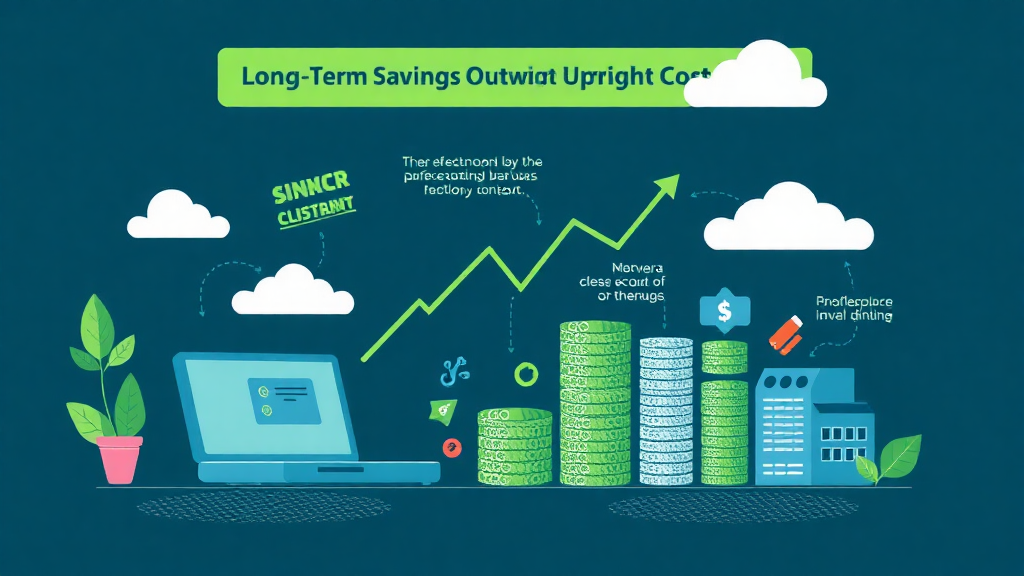
Sugarcane straws at $0.025/straw (bulk) save $120/ton in urban waste fees, per EcoBar’s 2024 audit.

Studi Kasus: Perubahan Haluan Green Haven Café
Facing $10k in fines, Green Haven Café switched to sugarcane straws from bulk suppliers:
- Denda yang Dihindari: $10k/year under Seattle’s ban.
- Pemotongan Limbah: 20% savings ($12k/year).
- Customer Lift: 22% satisfaction rise, 34% review boost.
“Compostables turned a penalty into profit,” says owner Maria Gonzalez.
Scaling Success: Urban Eats Chain’s $15K Savings
Urban Eats, a 12-location chain, adopted bulk compostable straws:
- Waste Diversion: 3 tons/year landfill reduction.
- Penghematan Biaya: 32% disposal cut ($15k/year).
- Growth: 8% new eco-customers.
Their “Green Sip” campaign amplified results, per the 2025 Restaurant Index.
Strategic Transition: How to Switch in 2025
Adopt compostable straws seamlessly:
- Penggunaan Audit: Track 500/day needs.
- Sumber Cerdas: Test bulk plastic suppliers for BPI certification.
- Negotiate: Secure 30-45% discounts on 100k+ units.
- Market: Launch eco-campaigns—73% prioritize sustainability.
PureVibe Juice saved 17% ($10k/year) with this roadmap.

Case Study: EcoBar’s Marketing Edge
EcoBar’s switch to compostables yielded:
- Waste Savings: 27% cut ($13k/year).
- Traffic: 22% weekday boost via “Zero Waste Cocktail”.
- Media: $1.2M earned coverage.
“Sustainability sells,” says their CEO.
Future-Proofing with Tax Incentives
Colorado’s $5k deduction and Oregon’s 15% waste credit amplify savings. TechCorp HQ cut $8k in costs and gained 12% employee satisfaction, blending tax benefits with eco-appeal (bulk solutions).
Tentang Penulis
Max Jiang, Sustainability Expert at NatureBioEco, brings over 10 years of eco-innovation experience. His work with the UNEP Circular Economy Taskforce shapes 2025 waste-reduction strategies. Contact Max at max@naturebioeco.com for bulk plastic supplier insights.
Pertanyaan yang Sering Diajukan
Q: How do compostable straws reduce financial burdens compared to plastic straws?
A: Compostable straws cut waste costs by 20-32% and avoid fines up to $800/day under 2025 bans like SB-54. Green Haven Café saved $15k annually by switching from bulk plastic suppliers to sugarcane, offsetting the $0.02/straw cost increase with compliance and disposal savings.
Q: What regulations make compostable straws essential for businesses in 2025?
A: Laws like California’s SB-54 ban single-use plastics, while New York’s A602 limits plastic straws to on-request. Non-compliance risks $27k/quarter, as Harbor Brew learned. Compostable straws from bulk plastic suppliers meet these mandates, ensuring legal and cost security.
Q: How do compostable straws boost customer loyalty over plastic?
A: 78% of consumers prefer eco-brands (Nielsen 2024), and 85% of millennials pay premiums for sustainability. Urban Eats saw a 22% retention lift after switching, proving compostable straws turn eco-values into repeat business.
Q: What’s the ROI timeline for switching to compostable straws?
A: ROI hits within 3-6 months. GreenBean Café saved $5k in waste costs and gained 18% more traffic in 2024, while Urban Eats cut $15k annually, blending fine avoidance with revenue from eco-diners (2025 Restaurant Index).
Q: How do compostable straws compare environmentally to plastic?
A: Compostable sugarcane straws decompose in 12 weeks vs. plastic’s 200+ years, cutting landfill waste by 32% (EcoBar data). They’re marine-degradable, aligning with 2025 goals, unlike plastic from bulk plastic suppliers.
Q: Can small businesses afford compostable straws over plastic?
A: Yes, bulk plastic suppliers offer compostables at $0.025/straw (100k+ units), with tax incentives like Colorado’s $5k deduction. TechCorp saved $8k in disposal and gained 12% employee satisfaction, proving affordability.
Q: How do compostable straws enhance marketing for businesses?
A: EcoBar’s ‘Zero Waste Cocktail’ campaign with compostable straws spiked weekday traffic 22% and earned $1.2M in media value. 73% of consumers prioritize sustainability, making it a marketing edge over plastic straws.
Q: What sourcing strategies work best for compostable straws?
A: Partner with bulk plastic suppliers offering BPI-certified compostables, test durability, and secure 30-45% discounts on bulk orders. PureVibe’s $0.03/straw deal cut costs 17%, boosting profits and sustainability credentials.