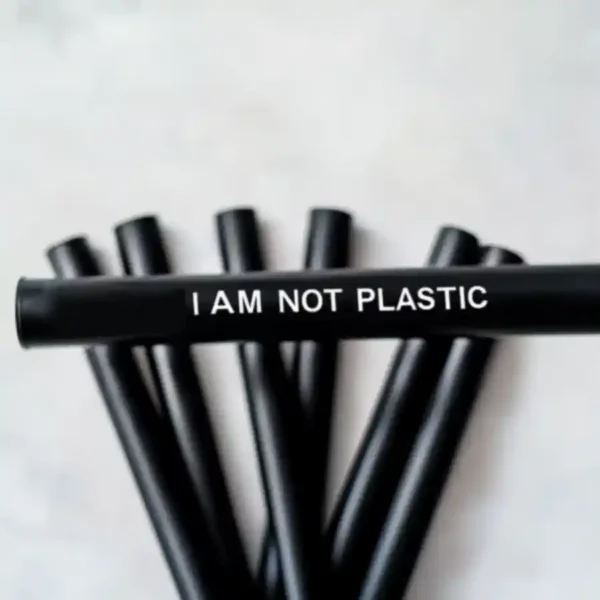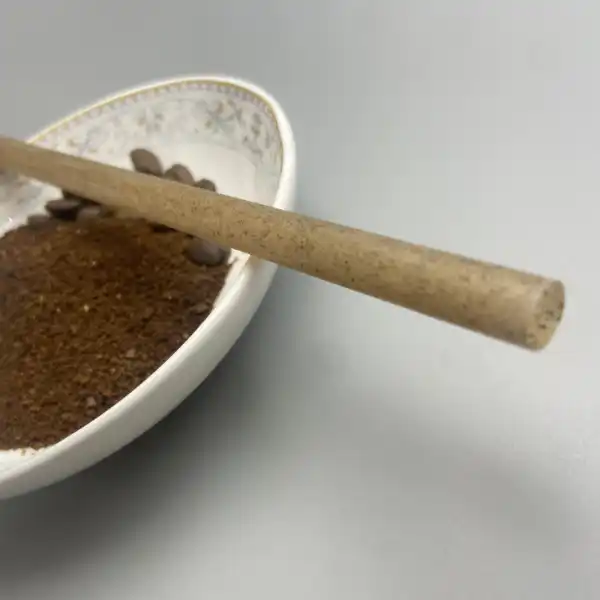

Key Benefits of Switching to Eco-Friendly Straws
- Mengurangi Dampak Lingkungan: Biodegradable straw alternatives decompose naturally, eliminating microplastic pollution and protecting marine life. Sugarcane and wheat straws decompose within weeks under proper composting conditions. Consider lifecycle assessments to strengthen sustainability narratives.
- Peningkatan Reputasi Merek: Berkelanjutan boba straws demonstrate environmental commitment, attracting eco-conscious demographics. Feature these straws prominently in marketing campaigns.
- Kepatuhan terhadap Peraturan: Stay ahead of single-use plastic bans through proactive adoption of alternatives.
- Efisiensi Biaya: Reusable stainless steel or glass straws offer long-term savings versus disposable plastics.
Comparing Plastic-Free Straw Materials
1. Sedotan Kertas
- Pro: Affordable (€0.02–€0.25), available in multiple designs
- Kontra: Become soggy; often use unsustainable wood pulp
- Terbaik Untuk: Short-term events needing cost-effective solutions
2. Sugarcane Straws
- Pro: Home-compostable, temperature-resistant
- Kontra: Limited regional availability
- Terbaik Untuk: Zero-waste restaurants with composting partners
3. Sedotan Bambu
- Pro: Estetika alami, dapat digunakan kembali
- Kontra: Requires meticulous drying
- Terbaik Untuk: Eco-resorts with rustic branding
4. Stainless Steel & Sedotan Kaca
- Pro: Lifetime durability, easy cleaning
- Kontra: Higher upfront cost (€2–€10)
- Terbaik Untuk: Dine-in cafés offering reuse incentives
5. Silicone Straws
- Pro: Flexible, child-safe
- Kontra: Limited recycling, potential BPA risks
- Terbaik Untuk: Households prioritizing safety

6. PLA (Bioplastic) Straws
Pro: Industrial compostability with plastic-like durability
Kontra: Frequent misidentification as regular plastic
Terbaik Untuk: Large venues needing disposable solutions. Source certified compostable sugarcane straws with clear disposal labels.
Wawasan yang Dapat Ditindaklanjuti untuk Bisnis
-
1. Audit Your Needs
Analyze drink types, customer demographics, and waste infrastructure before material selection.
-
2. Source Responsibly
Partner with certified suppliers like #IAMPLASTICFREE for ethical supply chains.
-
3. Educate Customers
Implement training and signage to promote reusable straw adoption and sustainability messaging.

Actionable Insights for Businesses: Optimizing Straw Selection for Sustainability
With a growing segment of the market that actively seeks out businesses with strong ESG (Environmental, Social, and Governance) profiles.
3. Regulatory Compliance:
Many regions are implementing bans or taxes on single-use plastics. Proactive adoption of sustainable alternatives ensures compliance, avoids potential fines, and positions your business for future regulations. Staying ahead of the curve minimizes disruption and demonstrates responsible foresight.
4. Cost Efficiency:
While initial costs may vary, reusable options like stainless steel or glass straws offer significant long-term cost savings compared to constantly purchasing disposable plastic straws. Consider the total cost of ownership, including purchasing, disposal, and potential fines for non-compliance.
Comparing Plastic-Free Straw Materials
1. Paper Straws:
- Pro: Affordable (€0.02–€0.25 per unit), widely available in various colors and designs.
- Kontra: Often become soggy, frequently made from unsustainable wood pulp, and may require significant quantities of water for production.
- Terbaik Untuk: Short-term events or applications where low cost is the primary concern. Consider the environmental impact of sourcing and disposal.
2. Sugarcane Straws:
- Pro: Home compostable, withstand hot and cold beverages without softening.
- Kontra: May be less readily available than paper straws, requiring more robust supply chain management.
- Terbaik Untuk: Restaurants and businesses aiming for zero-waste initiatives and appealing to environmentally conscious customers.
3. Bamboo Straws:
- Pro: Natural aesthetic, reusable with proper cleaning.
- Kontra: Require diligent drying to prevent mold growth, potential splinter risk, and may not be suitable for all beverages.
- Terbaik Untuk: Establishments with a rustic brand image or those targeting a specific niche market that values natural materials.
4. Stainless Steel & Sedotan Kaca:
- Pro: Extremely durable (lifelong use), easy to clean, and highly reusable.
- Kontra: Higher initial cost (€2–€10 per unit), less portable than disposable alternatives.
- Terbaik Untuk: Businesses offering dine-in services, cafes, or those prioritizing long-term sustainability investments.
Pertanyaan yang Sering Diajukan
5. Sedotan Silikon: Pertimbangan Fleksibilitas dan Keamanan
- Pro: Fleksibel, aman untuk anak-anak.
- Kontra: Potensi kekhawatiran BPA (pastikan bebas BPA), tantangan daur ulang.
- Terbaik Untuk: Rumah tangga atau aplikasi yang mengutamakan fleksibilitas dan keselamatan anak. Pertimbangan yang cermat mengenai pengadaan dan pembuangan yang bertanggung jawab sangatlah penting.
Where Safety Outranks Sustainability in Straw Selection
6. PLA (Bioplastic) Straws
- Pro: Meniru ketahanan plastik tradisional sekaligus dapat dibuat kompos secara industri. Ideal untuk acara berskala besar yang memerlukan peralatan sekali pakai yang hemat biaya.
- Kontra: Seringkali tertukar dengan plastik konvensional sehingga menyebabkan pembuangannya tidak tepat. Membutuhkan program pendidikan pelanggan untuk memaksimalkan manfaat lingkungan.
Operational Efficiency Strategies for Straw Implementation
1. Penilaian Kebutuhan Komprehensif
Sebelum memilih bahan sedotan, lakukan audit yang mencakup jenis minuman (panas vs. dingin), profil pelanggan, dan infrastruktur limbah. Restoran kelas atas mungkin memprioritaskan sedotan baja tahan karat, sedangkan restoran cepat saji dapat memilih opsi yang dapat dibuat kompos.
2. Praktik Pengadaan yang Bertanggung Jawab
Bermitralah dengan pemasok bersertifikat seperti #IAMPLASTICFREE atau Bambu untuk memastikan sumber jerami yang etis. Verifikasi sertifikasi keberlanjutan dan minta dokumentasi dampak lingkungan.
3. Taktik Edukasi Pelanggan
Gunakan papan tanda (“Sedotan tebu kami membusuk dalam 90 hari!”), sisipan menu, dan media sosial untuk menjelaskan upaya keberlanjutan. Kuis interaktif dapat meningkatkan keterlibatan.
4. Optimalisasi Pengadaan
Negotiate bulk pricing for wheat/reed straws (€0.07–€0.10/unit). Analyze total ownership costs including disposal fees.
5. Waste Management Integration
Align straw materials with local composting/recycling capabilities. Clearly label disposal bins to prevent contamination.
Pertanyaan Yang Sering Diajukan Tentang Sedotan Berkelanjutan
Pertanyaan yang Sering Diajukan
Q: How do I ensure my straws are truly eco-friendly?
A: Look for certifications like OK Compost HOME (for home compostability) and FSC (for sustainably sourced materials). These certifications provide third-party verification of a product’s environmental claims. Without them, “eco-friendly” claims can be misleading.
Q: Are compostable straws more expensive than plastic?
A: While upfront costs are higher (€0.05–€0.25 vs €0.01), reusable options like stainless steel offer long-term savings through reduced repurchasing.
T: Apakah sedotan biodegradable dapat digunakan pada minuman panas?
A: Certain heat-resistant biodegradable materials like #IAMPLASTICFREE’s wood-based straws maintain integrity in hot beverages—always check manufacturer specifications.
Q: How do I verify straw eco-friendliness?
A: Require USDA BioPreferred or equivalent certifications. Request full lifecycle documentation from suppliers, including sourcing and disposal protocols.