Komposabilitas: Jalan Menuju Masa Depan Berkelanjutan
Perkenalan
Komposabilitas, sebuah istilah yang semakin menonjol dalam wacana keberlanjutan, mengacu pada kemampuan bahan untuk terurai menjadi tanah yang kaya nutrisi dalam kondisi tertentu[^1^]. Memahami konsep ini sangatlah penting karena menawarkan solusi yang menjanjikan untuk mengurangi dampak lingkungan dan menciptakan dunia yang berkelanjutan.
Memahami Komposabilitas
Bahan yang dapat dibuat kompos, yang pada dasarnya adalah zat organik, terurai menjadi zat mirip humus, yang dikenal sebagai kompos, melalui proses alami yang melibatkan panas, air, oksigen, dan mikroorganisme[^1^]. Kompos ini kemudian dapat dimanfaatkan untuk menyuburkan tanah dan merangsang pertumbuhan tanaman, sehingga menyelesaikan siklus alami[^2^]. Nilai dari kemampuan membuat kompos terletak pada potensinya untuk merevolusi pengelolaan sampah, meminimalkan penggunaan tempat pembuangan sampah, dan berkontribusi terhadap ekonomi sirkular yang berkelanjutan.
Kompos vs. Biodegradable: Membedakan Perbedaannya
Meskipun istilah kompos dan biodegradable sering digunakan secara sinonim, keduanya menunjukkan proses yang berbeda. Bahan biodegradable akan hancur menjadi fragmen yang lebih kecil seiring berjalannya waktu, berpotensi meninggalkan mikroplastik atau residu beracun[^1^]. Sebaliknya, bahan yang dapat dijadikan kompos mengalami transformasi yang lebih menyeluruh, berubah menjadi kompos kaya nutrisi yang bermanfaat bagi tanah[^1^]. Memahami perbedaan ini sangat penting ketika membuat pilihan yang sadar lingkungan.
Keuntungan Lingkungan dari Bahan Kompos
Bahan kompos menawarkan banyak manfaat lingkungan. Mereka membantu mengurangi limbah TPA dan mengurangi emisi gas rumah kaca, karena pengomposan mengeluarkan lebih sedikit metana dibandingkan penguraian sampah tradisional[^1^]. Selain itu, bahan-bahan yang dapat dibuat kompos berkontribusi terhadap ekonomi sirkular, dimana sumber daya terus dimanfaatkan dan digunakan kembali, sehingga meminimalkan limbah[^4^]. Kompos yang dihasilkan juga menyuburkan tanah, meningkatkan struktur, retensi kelembaban, dan kandungan nutrisi, sehingga mendorong pertumbuhan tanaman yang sehat[^2^].
Pembuangan Limbah Kompos yang Efektif
Pembuangan yang efektif sangat penting untuk memanfaatkan manfaat bahan yang dapat dibuat kompos. Fasilitas pengomposan, yang menyediakan kondisi yang diperlukan untuk pengomposan, memainkan peran penting[^2^]. Namun, pengomposan rumahan juga merupakan pilihan yang layak. Sangat penting untuk hanya membuat kompos dari bahan-bahan yang sesuai, menjaga keseimbangan yang tepat antara bahan-bahan hijau dan coklat, dan membalik kompos secara teratur untuk memastikan kecukupan oksigen[^2^]. Menghindari kesalahan umum, seperti membuat kompos pada tanaman yang sakit atau tidak menjaga tingkat kelembapan yang tepat, dapat membantu memastikan keberhasilan pengomposan[^2^].
Produk Kompos di Pasar
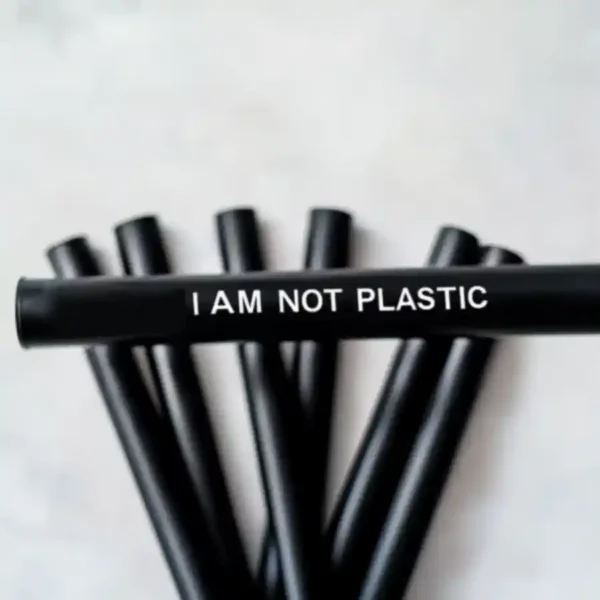
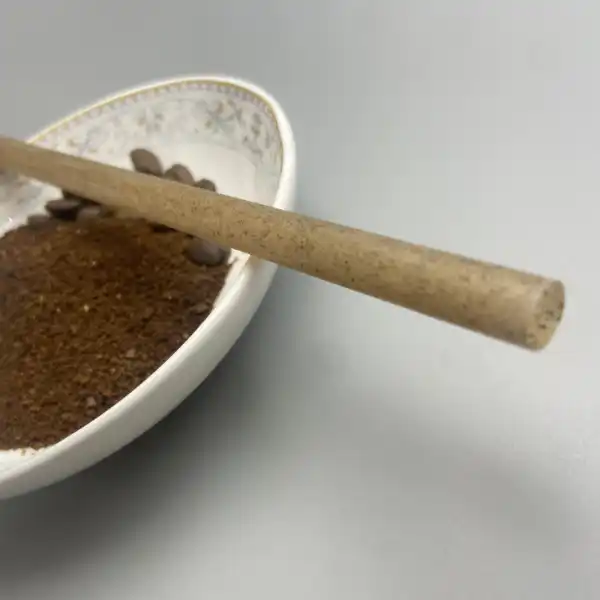
Saat ini, beragam produk yang dapat dibuat kompos tersedia, mulai dari kemasan makanan dan peralatannya hingga tas dan bahkan barang elektronik tertentu[^1^]. Untuk menentukan apakah suatu produk dapat dibuat kompos, carilah label atau sertifikasi yang menunjukkan bahwa produk tersebut dapat dibuat kompos[^3^]. Produk-produk ini memainkan peran penting dalam mempromosikan keberlanjutan, memungkinkan konsumen mengurangi limbah dan dampak terhadap lingkungan.
Sertifikasi Kompos: Indikator Keaslian
Sertifikasi memainkan peran penting dalam memverifikasi kemampuan kompos suatu produk. Sertifikasi yang dapat diandalkan mencakup sertifikasi BPI (Biodegradable Products Institute) di AS dan standar EN13432 di Eropa[^3^]. Saat membeli produk, carilah sertifikasi ini pada kemasannya[^3^].
Pengomposan dan Ekonomi Sirkular
A circular economy aims to minimize waste and maximize resource utilization. It is a regenerative system in which resource input, waste, emission, and energy leakage are minimized by slowing, closing, and narrowing energy and material loops[^4^]. Composting plays a critical role in this system, transforming organic waste back into valuable resources[^4^].
NatureBioEco: Perintis Bahan Kompos
Companies like NatureBioEco are leading the way in the use of compostable materials. Through their sustainability initiatives, they are demonstrating how businesses can contribute to a more circular economy and sustainable future[^5^].
Mengatasi Tantangan dalam Komposabilitas
Terlepas dari manfaatnya, terdapat tantangan dalam menerapkan praktik pengomposan, termasuk kurangnya kesadaran, infrastruktur yang tidak memadai, dan standar pengomposan yang bervariasi[^6^]. Namun tantangan-tantangan ini dapat diatasi melalui pendidikan, investasi pada fasilitas pengomposan, dan penetapan standar yang jelas dan universal[^6^]. Peran konsumen, dunia usaha, dan pengambil kebijakan sangat penting dalam mendorong pengomposan dan mencapai tujuan keberlanjutan[^6^].
Kesimpulan
Kesimpulannya, kemampuan membuat kompos merupakan aspek penting dalam keberlanjutan. Dengan memahami konsep ini dan membuat pilihan yang tepat, kita dapat mengurangi limbah, menyuburkan tanah, dan berkontribusi pada ekonomi sirkular. Sudah waktunya bagi kita semua untuk mempertimbangkan peran bahan kompos dalam kehidupan kita sehari-hari.
Pertanyaan yang Sering Diajukan
- Apa yang dimaksud dengan “kompos”?
- Bahan kompos adalah bahan organik yang dapat terurai menjadi bahan mirip humus yang disebut kompos melalui proses alami yang melibatkan panas, air, oksigen, dan mikroorganisme[^1^].
- Apa bedanya kompos dengan biodegradable?
- Bahan yang dapat terbiodegradasi akan terurai menjadi potongan-potongan kecil seiring berjalannya waktu, berpotensi meninggalkan mikroplastik atau residu beracun. Sebaliknya, bahan yang dapat dibuat kompos berubah menjadi kompos kaya nutrisi yang bermanfaat bagi tanah[^1^].
- Apa manfaat menggunakan bahan yang dapat dibuat kompos?
- Compostable materials help to reduce landfill waste, lower greenhouse gas emissions, contribute to a circular economy, and enrich the soil to promote healthy plant growth[^1^][^4^].
- Bagaimana cara membuang sampah yang dapat dijadikan kompos dengan benar?
- Compostable waste can be disposed of at composting facilities or through home composting. It’s important to only compost suitable materials, maintain the right balance of green and brown materials, and regularly turn the compost to ensure adequate oxygen[^2^].
- Produk apa yang dianggap dapat dibuat kompos?
- Many products are compostable, from food packaging and utensils to bags and even some electronics. Look for labels or certifications indicating a product’s compostability[^1^][^3^].
- Is composting effective for all types of compostable materials?
- While many materials are compostable, the conditions required for composting can vary. Some materials may require industrial composting facilities, while others can be composted at home[^2^].
- Sertifikasi apa yang menunjukkan bahwa suatu produk benar-benar dapat dibuat kompos?
- Reliable certifications include the BPI (Biodegradable Products Institute) certification in the U.S. or the EN13432 standard in Europe[^3^].
- Bagaimana pengomposan berkontribusi pada ekonomi sirkular?
- Composting transforms organic waste back into valuable resources, minimizing waste and making the most of resources. This contributes to a circular economy, where waste is minimized by continually using and reusing resources[^4^].
Referensi
[^1^]: “Compostable vs Biodegradable, What’s the Difference?” Renouvo, https://renouvo.net/biodegradable-compostable/compostable-meaning/
[^2^]: “Understanding composting” Environmental Protection Agency, https://www.epa.gov/recycle/composting-home
[^3^]: “Compostable Certifications and What They Mean” BioBag, https://biobagusa.com/certifications/
[^4^]: “The importance of a circular economy” World Economic Forum, https://www.weforum.org/agenda/2020/01/what-is-the-circular-economy/
[^5^]: “NatureBioEco: Sustainability Initiatives” NatureBioEco, https://www.naturebioeco.com/sustainability-initiatives
[^6^]: “Challenges and Opportunities in the Compostable Plastics Market” Frost & Sullivan, https://ww2.frost.com/frost-perspectives/challenges-and-opportunities-in-the-compostable-plastics-market/