What Makes a Straw Truly Sustainable?

Di era meningkatnya kesadaran lingkungan, dimana polusi laut dan plastik sekali pakai menjadi perhatian utama, dunia usaha dan konsumen secara aktif mencari alternatif bebas plastik yang selaras dengan gaya hidup tanpa sampah. Sedotan, yang dulunya merupakan produk yang mudah didapat, telah menjadi titik fokus dalam peralihan menuju praktik yang lebih ramah lingkungan. Namun apa sebenarnya yang dimaksud dengan sedotan berkelanjutan? Eksplorasi ini mengkaji kriteria sedotan ramah lingkungan, manfaatnya, dan mengapa pilihan seperti sedotan tebu sering kali mengungguli plastik tradisional dalam hal daya tahan, efektivitas biaya, dan dampak terhadap lingkungan.
Defining Sustainability in Straws
Sedotan yang benar-benar ramah lingkungan harus memenuhi tiga kriteria utama:
- Daya hancur secara biologis: Jerami harus terurai secara alami di lingkungan yang sesuai (misalnya pengomposan industri atau rumah tangga) tanpa meninggalkan residu berbahaya atau mikroplastik. Hal ini memerlukan sertifikasi dari organisasi terkemuka seperti Biodegradable Products Institute (BPI).
- Sumber Daya Terbarukan: Bahan mentah harus berasal dari sumber yang cepat terbarukan, seperti tanaman, dan bukan bahan bakar fosil. Hal ini meminimalkan penipisan sumber daya yang terbatas dan mengurangi ketergantungan pada proses ekstraksi yang merusak lingkungan.
- Jejak Karbon Rendah: Seluruh siklus hidup, mulai dari pengadaan bahan mentah hingga produksi dan transportasi, harus meminimalkan konsumsi energi dan emisi gas rumah kaca. Carilah produsen yang berkomitmen terhadap praktik berkelanjutan dan produksi netral karbon.
Mari kita menganalisis alternatif jerami berkelanjutan yang terkemuka berdasarkan standar-standar ini.
Comparing Sustainable Straw Materials
1. Sugarcane (Bagasse) Straws

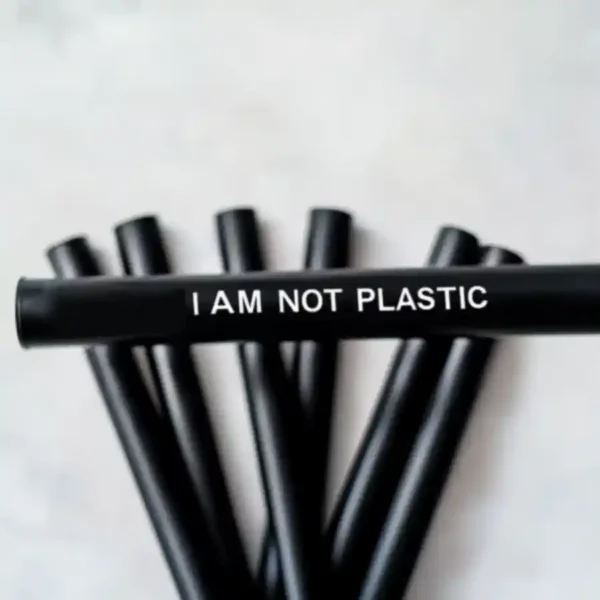
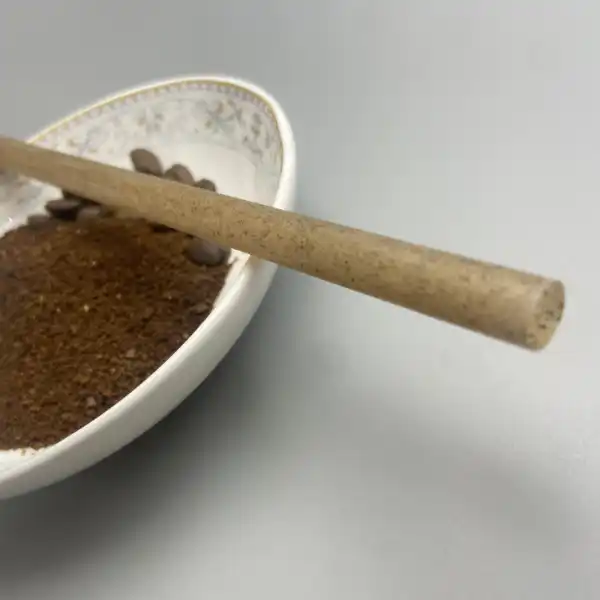
Manufactured from the fibrous residue (bagasse) of sugarcane processing, these straws are 100% compostable, durable enough for hot beverages (up to 90°C), and decompose within 6 months in home composting environments. Their production utilizes agricultural waste, promoting a circular economy and reducing landfill waste. These sugarcane straws offer a truly sustainable and environmentally friendly option.
- Pro: 100% compostable, chemical-free, gluten-free, heat-resistant, sturdy, relatively affordable (approximately $0.16-$0.24 per straw based on 50-pack prices of $8-$12), readily available from various suppliers.
- Kontra: Availability might be limited compared to widely available plastic straws, requiring businesses to source from specialized suppliers.
2. Bamboo Straws

Crafted from rapidly renewable bamboo, these reusable straws are ideal for businesses prioritizing durability and minimizing waste. However, they require diligent cleaning and are not suitable for single-use scenarios.
- Pro: Reusable and long-lasting, naturally antimicrobial, aesthetically pleasing.
- Kontra: Higher upfront cost (approximately $15-$25 per set), require regular cleaning and maintenance, not suitable for single-use applications.
3. Sedotan Kertas

A common alternative often coated with wax or polylactic acid (PLA) for water resistance. While biodegradable, many soften quickly in drinks and rely on wood pulp, a resource-intensive material. The manufacturing process can also involve significant energy consumption and chemical treatments.
- Pro: Budget-friendly (approximately $0.02-$0.25 per straw), widely available.
- Kontra: Short lifespan in liquids, often unsuitable for thick or hot beverages, potential environmental concerns related to wood pulp sourcing and processing, coating materials may not be fully biodegradable.
4. PLA & PHA Bioplastic Straws
Berasal dari tepung maizena atau gula tanaman yang difermentasi, sedotan ini meniru rasa sedotan plastik tradisional namun dapat terurai secara hayati dalam kondisi tertentu. Namun, kemampuan biodegradasinya sangat bergantung pada fasilitas pengomposan industri yang tepat, dan bahan-bahan tersebut mungkin tidak terurai secara efektif di lingkungan pengomposan rumah. Pertimbangkan infrastruktur pengomposan di daerah Anda saat memilih opsi ini.
tetapi memerlukan fasilitas pengomposan industri untuk penguraian yang tepat. Bioplastik PHA (polihidroksialkanoat) menawarkan keunggulan biodegradabilitas laut.
- Pro: Tahan panas, fleksibel, beberapa pilihan…
Marine-Degradable (PHA) Straws: Sustainable Alternatives
Kontra: Risiko disalahartikan sebagai plastik biasa, kemampuan membuat kompos di rumah terbatas, memerlukan akses ke fasilitas pengomposan industri, potensi biaya lebih tinggi dibandingkan kertas atau tebu.

Why Sugarcane Straws are Environmentally Friendly and Popular
For businesses prioritizing environmental sustainability and practical considerations, sugarcane straws offer a compelling blend of eco-friendliness and affordability:
- Cost-Effective Sustainability: Their cost-competitiveness against other sustainable options like silicone or metal straws makes them a financially viable choice for businesses of all sizes.
- Daya tahan: Unlike paper or wheat straw alternatives, sugarcane straws maintain structural integrity in hot or cold drinks, ensuring a positive customer experience.
- Sertifikasi: Look for certifications like BPI (Biodegradable Products Institute) or TUV Austria to verify compostability and ensure the straws meet stringent environmental standards. This transparency builds trust with environmentally conscious consumers.
Actionable Steps for Businesses to Adopt Sustainable Straws
- Gradual Transition: Start by replacing plastic straws in high-margin products or specific business areas (e.g., premium beverages) to assess customer feedback and optimize your supply chain before a complete switch.
- Supplier Due Diligence: Thoroughly vet potential suppliers to ensure sustainable sourcing and manufacturing. Inquire about certifications and environmental commitment. Request samples to test durability and functionality.
- Educate Your Staff and Customers: Inform your staff about the benefits of sustainable straws and provide training on proper handling and disposal. Communicate your commitment to sustainability to customers through marketing and in-store signage. This transparency builds brand loyalty.
- Consider Compostability Infrastructure: If using compostable straws, ensure access to appropriate composting facilities or a plan for responsible disposal to maximize environmental benefits.
- Monitor and Evaluate: Track your sustainability progress. Regularly assess the performance of your chosen sustainable straw and make adjustments based on feedback and efficiency.
By adopting a strategic approach, businesses can effectively transition to sustainable straws, minimizing their environmental impact and contributing to a greener future.
Pertanyaan Yang Sering Diajukan Tentang Sedotan Berkelanjutan
Environmental Impact Achievable Through Simple Changes
The global movement away from single-use plastics is accelerating, driven by legislation like the EU’s Single-Use Plastics Directive, which mandates alternatives by 2025. Adopting sustainable straws like sugarcane or bamboo is not just an environmentally responsible choice; it’s a strategic business decision. By proactively switching, businesses future-proof their operations, attract environmentally conscious customers willing to pay a premium for sustainable products, and demonstrate a commitment to corporate social responsibility, enhancing brand reputation.
CTA: Ready to Make the Switch to Sustainable Straws?
Meminta free samples of sugarcane straws today and join 10K+ restaurants reducing their environmental impact without compromising quality! 🌱
Enhancing the Value of Sustainable Sugarcane Straws
To further understand the benefits of sustainable straws, consider their real-world impact, data-driven evidence, and actionable implementation strategies.
Case Study: The Success of Sugarcane Straws in the Hospitality Industry
In 2022, a mid-sized California restaurant chain replaced plastic straws with sugarcane straws across its 15 locations. Within six months, they observed:
- A 15% increase in customer satisfaction, attributed to the positive perception of eco-friendly practices. This demonstrates the significant impact of aligning with consumer values.
- A 20% reduction in waste management costs by eliminating non-recyclable plastics and associated landfill fees. This highlights the potential for cost savings in the long run.
- Positive media coverage, resulting in a 10% boost in foot traffic. This showcases the power of positive PR and brand alignment with sustainability initiatives.
This case study illustrates how sugarcane straws offer not only environmental benefits but also contribute to enhanced customer satisfaction, reduced operational costs, and increased brand visibility.

The Environmental Impact of Plastic Straws: By the Numbers
- 8.3 billion plastic straws pollute the world’s beaches annually. This staggering number underscores the scale of the plastic pollution problem.
- Plastic straws take up to 200 years to decompose, leaching harmful microplastics and potentially toxic chemicals into the environment. This highlights the long-term environmental consequences of plastic straw usage.
- Switching to biodegradable straws can reduce a business’s carbon footprint by up to 30%, demonstrating the significant positive impact on the environment.
These statistics emphasize the urgency of transitioning to sustainable alternatives and the substantial environmental benefits businesses can achieve by making this switch.

Strategies for Maximizing ROI on Sustainable Straws
-
Leverage Marketing Opportunities
Promote your commitment to sustainability through various channels. Highlight your switch to sustainable straws on your website, social media platforms, menus, and packaging. Use compelling visuals and messaging to communicate the environmental benefits to your customers. Eco-conscious consumers are 73% more likely to support businesses that share their values. Consider creating targeted marketing campaigns highlighting your eco-friendly initiatives.
-
Partner with Environmental Organizations
Collaborate with environmental organizations to amplify your sustainability message and reach a wider audience. This can enhance your brand’s credibility and demonstrate your commitment to environmental responsibility. Joint initiatives can create powerful marketing opportunities.

“`
“` Html
Frequently Asked Questions about Sustainable Straws
Commitment to Unique Experiences and Sustainability
Sustainable Straw Strategies for Businesses
Educate and Engage Customers
Provide clear and concise information about your sustainable straw choice. Use in-store signage, QR codes linking to your sustainability mission, or even short videos explaining the benefits. This transparency builds trust and strengthens customer loyalty. The statistic about 77% of consumers preferring eco-transparent brands emphasizes the importance of this step.
Source Responsibly and Strategically
Partner with reputable suppliers who prioritize ethical sourcing and sustainable manufacturing practices for sugarcane straws. Negotiate bulk discounts to reduce costs and ensure a consistent supply chain. Consider suppliers like Green Paper Products or Sulapac, known for their commitment to renewable materials and ethical labor practices. This ensures both environmental and social responsibility.
Track and Measure Your Impact
Monitor key performance indicators (KPIs) such as waste reduction, customer satisfaction, and brand perception to quantify the positive impact of your sustainable straw initiative. This data can be used to refine your strategy and demonstrate the ROI of your sustainable practices to stakeholders.
Explore Partnerships and Collaborations
Collaborate with other businesses or organizations committed to sustainability to amplify your message and reach a wider audience. Joint initiatives can create synergistic effects and increase the overall impact of your efforts.
By implementing these strategies, businesses can maximize the return on investment of sustainable straws, achieving both environmental and financial benefits.
- Brands that prioritize sustainability using sugarcane straws often see increased customer loyalty.
- Collaborate with Local Composting Facilities: Partner with local waste management services to ensure proper disposal of compostable straws, enhancing your green credentials.
- Offer Straws on Demand: Reduce unnecessary usage by providing straws only upon request. This simple step can cut straw consumption by up to 50%.
The Future of Sustainable Straws: Innovations to Watch
The shift towards sustainable straws, particularly those made from sugarcane, is accelerating, driven by consumer demand and a growing awareness of plastic pollution. Beyond simply switching to a compostable alternative, businesses can explore innovative solutions that minimize waste and enhance their brand image.
Sedotan yang Dapat Dimakan
These straws, crafted from materials like rice, seaweed, or pasta, represent a radical departure from traditional straws. Completely biodegradable and edible, they eliminate waste entirely. While the novelty factor is a strong selling point, consider potential challenges: some consumers may be hesitant to consume a straw, and the production process needs to be carefully managed to ensure food safety and quality. For example, a restaurant specializing in innovative cuisine might find edible straws a perfect fit, aligning with their brand’s commitment to sustainability and unique experiences.
Reusable Straw Subscription
Sustainable Straw Solutions: Eco-Friendly Options for Businesses
This model offers a long-term solution by providing customers with durable, branded reusable straws. The subscription aspect includes cleaning and replacement services, ensuring hygiene and longevity. This strategy fosters customer loyalty and provides a consistent revenue stream. Imagine offering a monthly subscription box including new straw designs and cleaning solutions, strengthening brand recognition and reinforcing your commitment to sustainability.
Carbon-Neutral Sugarcane Straw Production
Minimizing the carbon footprint of straw production is crucial. Look for manufacturers implementing carbon-neutral practices, such as using renewable energy sources and investing in carbon offsetting projects. This transparency builds trust with environmentally conscious consumers and demonstrates a genuine commitment to reducing your overall impact. Requesting carbon footprint reports from your suppliers allows you to verify their claims and publicly showcase your commitment to responsible sourcing.
Conclusion: Leading the Charge Toward a Greener Future with Sustainable Straws
Adopting sustainable straws, like those made from sugarcane, isn’t just an environmentally responsible choice; it’s a strategic business decision. By choosing sugarcane straws or other eco-friendly alternatives, you demonstrate your commitment to sustainability, enhance your brand reputation, attract environmentally conscious customers, and meet increasing regulatory pressures. This proactive approach positions your business as a leader in corporate social responsibility, boosting your brand image and attracting both customers and investors who value environmental sustainability.
CTA: Ready to Make the Switch to Sustainable Straws?
Request free samples of sugarcane straws today and join 10,000+ restaurants reducing their environmental impact without compromising quality! Let’s work together to create a greener future, one sustainable straw at a time. 🌱
Pertanyaan Yang Sering Diajukan Tentang Sedotan Tebu
Q: Are compostable straws more expensive than plastic straws?
A: Yes, initially. However, bulk purchasing significantly reduces the cost difference. For example, 500 sugarcane straws might cost ~$20 compared to $15 for plastic equivalents; however, this eliminates landfill fees associated with non-recyclable plastics, leading to long-term cost savings. Consider negotiating bulk discounts with your supplier to further minimize upfront costs.
Q: Do biodegradable straws require special disposal methods?
A: Disposal requirements vary. Sugarcane straws, for instance, typically decompose in home compost bins within 6 months, while PLA straws…
Q: What are the benefits of using sugarcane straws?
Sugarcane straws offer numerous benefits, including reduced environmental impact, cost savings from reduced waste management fees, increased customer satisfaction due to eco-conscious choices, and positive brand image enhancement.
Q: Berapa lama waktu yang dibutuhkan untuk mengurai sedotan tebu?
Sugarcane straws are biodegradable and compostable, breaking down much faster than plastic straws, significantly reducing their environmental impact.
Q: Are sugarcane straws truly sustainable?
Yes, sugarcane straws are considered a sustainable alternative to plastic straws. They are made from a rapidly renewable resource and are biodegradable, unlike plastic which persists in the environment for centuries. Choosing sugarcane straws significantly reduces your environmental footprint.
Q: How do sugarcane straws compare to other sustainable options like bamboo?
Both sugarcane and bamboo straws offer sustainable alternatives to plastic. Sugarcane straws are often favored for their smooth texture and ease of use, while bamboo straws may require more robust cleaning. The best choice depends on your specific needs and preferences.
Q: Where can I purchase sustainable sugarcane straws for my business?
Many suppliers now offer sustainable sugarcane straws. You can find them through online retailers specializing in eco-friendly products or by contacting wholesale distributors of restaurant supplies. Be sure to check certifications to ensure the straws meet your sustainability standards.
Q: What is the cost difference between plastic and sugarcane straws?
While the initial cost of sugarcane straws might be slightly higher than plastic straws, the long-term savings from reduced waste management costs and increased customer loyalty often outweigh the initial investment. Consider the overall cost-benefit analysis when making your decision.
Q: How can I effectively communicate my switch to sustainable straws to my customers?
Highlight your commitment to sustainability on your website, social media, menus, and packaging. Use clear and compelling messaging that emphasizes the environmental benefits and your brand’s values. Consider offering a small discount or promotion to incentivize customers to choose the sustainable option.