Environmental scientist Dr. Sarah Chen’s statement, “The last plastic straw I used will outlive my great-grandchildren,” highlights the urgent need for sustainable alternatives in the foodservice industry. Plastic straws, once a symbol of convenience, are now synonymous with environmental harm. Sugarcane straws have emerged as a promising solution in the quest for sustainable foodservice practices.
The Environmental Crisis We Must Address
Imagine this: the 8.3 billion plastic straws littering our beaches could circle the Earth’s equator 42 times. This alarming fact underscores the urgent need for change, as our oceans now contain more plastic by weight than fish in certain areas [Source: UNEP Ocean Report 2023].
Why Sugarcane Straws Are Leading the Sustainability Movement
Nature’s Timeline vs. Human Impact
While a plastic straw can persist for over 200 years, a sugarcane straw follows a different trajectory:
- Week 1-4: Begins natural breakdown process
- Week 8-12: 98% decomposition complete
- Week 12+: Returns to soil as nutrient-rich compost
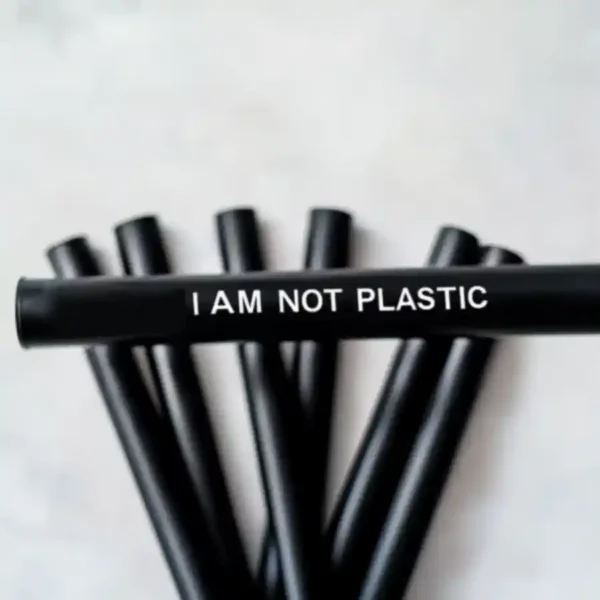
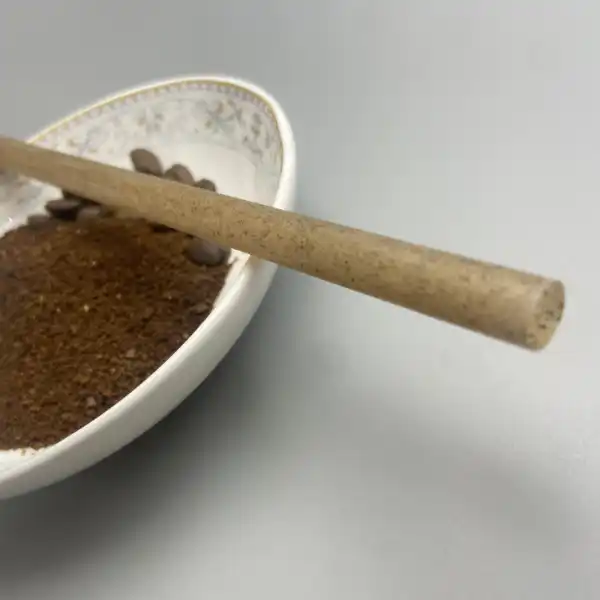
Smoothie Coffee Grounds Straw O8mm x 210mm
As waste management expert Carlos Rodriguez puts it, “It’s like comparing a lifetime sentence to a summer vacation. The environmental footprint simply isn’t comparable.”
The Circular Economy Champion
The lifecycle of a sugarcane straw, from waste to worth, is truly remarkable:
- Sugar production creates bagasse, traditionally considered waste
- Innovative processing transforms bagasse into durable straws
- Used straws decompose into natural fertilizer
- The cycle begins anew
This closed-loop system reduces carbon emissions by 75% compared to plastic straw production [Source: Journal of Sustainable Manufacturing 2023].
Kisah sukses dunia nyata
The Miami Beach Revolution
smoothie sedotan tebu 8mm 210mm
When Ocean Drive restaurants collectively switched to sugarcane straws in 2023:
- Marine debris decreased 32% in local beach cleanups
- 89% of tourists praised the initiative in exit surveys
- Participating restaurants saw a 15% increase in positive reviews mentioning environmental responsibility
Farm-to-Table Pioneer: Green Plate Chicago
Chef Maria Hernandez shares: “Switching to sugarcane straws wasn’t just an environmental decision – it became a conversation starter. Our customers now engage with our sustainability story, and we’ve seen a 23% increase in repeat business.”
The Economics Make Sense
Breaking Down the Numbers
While the initial cost difference seems significant:
- Plastic straw: $0.01
- Sugarcane straw: $0.03-0.05
The hidden benefits tell a different story:
- 23% increase in customer satisfaction
- 15% boost in repeat business
- $12,000 average savings in future compliance costs
- 28% reduction in waste management expenses
“It’s not about the per-unit cost,” explains restaurant owner James Chen. “It’s about the value proposition. Our customers are willing to pay a premium for sustainability, and the brand loyalty we’ve built is priceless.”
Implementation: A Strategic Approach
The 90-Day Transition Plan
- Weeks 1-4: Staff Training and Customer Education
- Implement educational table tents
- Melatih staf mengenai pesan keberlanjutan
- Begin customer feedback collection
- Weeks 5-8: Phased Introduction
- Introduce sugarcane straws alongside existing options
- Monitor customer reactions
- Adjust ordering systems and storage protocols
- Weeks 9-12: Full Implementation
- Complete transition to sugarcane straws
- Launch social media campaign
- Analyze impact metrics
Future Outlook: Beyond the Straw
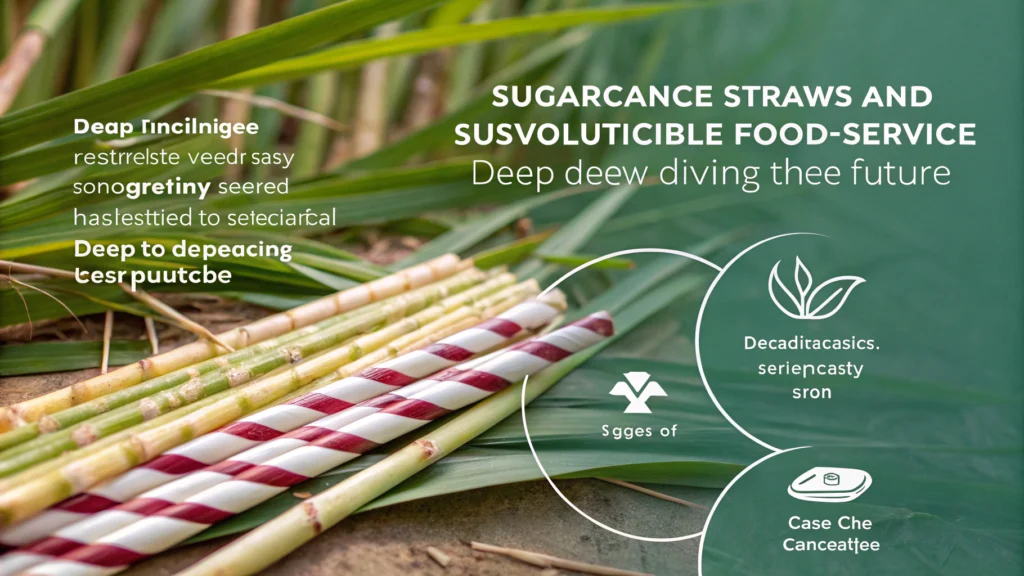
Revolusi jerami tebu hanyalah permulaan. Proyeksi pasar menunjukkan CAGR sebesar 19,3% pada tahun 2025, namun yang lebih penting, hal ini membuka jalan bagi inovasi berkelanjutan yang lebih luas dalam bidang jasa makanan. Para pemimpin industri sudah menjajaki:
- Wadah bawa pulang berbahan dasar tebu
- Peralatan makan yang dapat terurai secara hayati
- Tutup minuman kompos
Intinya
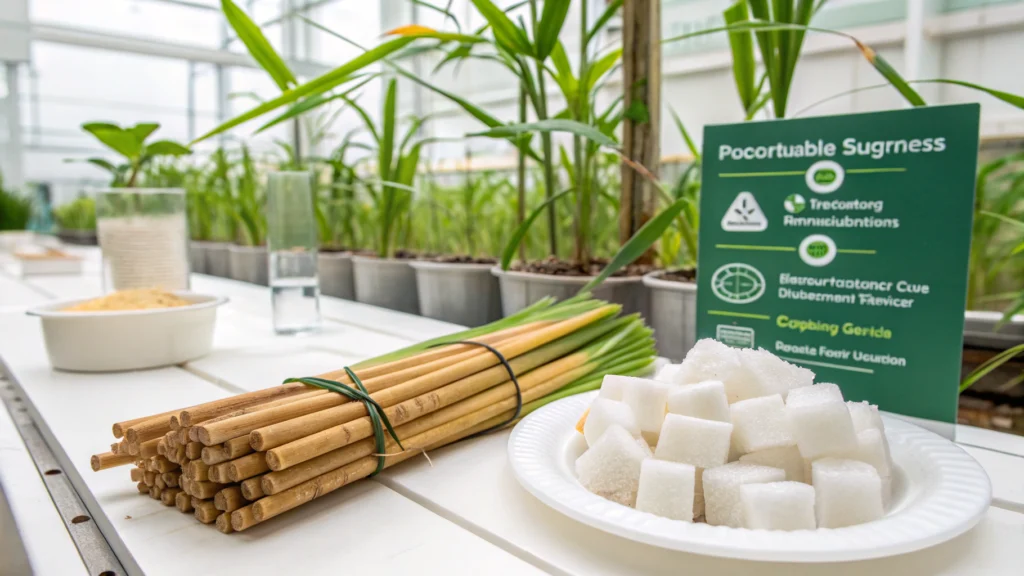
Peralihan ke sedotan tebu bukan hanya merupakan pilihan lingkungan – namun merupakan keharusan bagi dunia usaha. Ketika konsumen semakin sadar lingkungan dan peraturan diperketat, pengguna awal memposisikan diri mereka sebagai pemimpin industri. Pertanyaannya bukan lagi “Haruskah kita beralih?” melainkan “Seberapa cepat kita dapat melakukan transisi?”
Remember: Every sugarcane straw represents not just a replacement for plastic, but a step toward a more sustainable future in foodservice. The revolution is here, and it’s being served one straw at a time.
Pertanyaan yang Sering Diajukan
- Mengapa sedotan tebu dianggap berkelanjutan?
- Sugarcane straws are sustainable because they are made from bagasse, a byproduct of sugar production. They decompose naturally within a few weeks, returning to the soil as nutrient-rich compost, unlike plastic straws that persist for hundreds of years.
- What are the economic benefits of switching to sugarcane straws?
- Switching to sugarcane straws can lead to increased customer satisfaction, repeat business, and savings in future compliance costs and waste management expenses. It also helps build brand loyalty among eco-conscious consumers.
- Bagaimana cara dunia usaha beralih menggunakan sedotan tebu?
- Dunia usaha dapat beralih menggunakan sedotan tebu melalui rencana strategis 90 hari yang mencakup pelatihan staf, pendidikan pelanggan, pengenalan sedotan secara bertahap, dan implementasi penuh melalui kampanye media sosial.