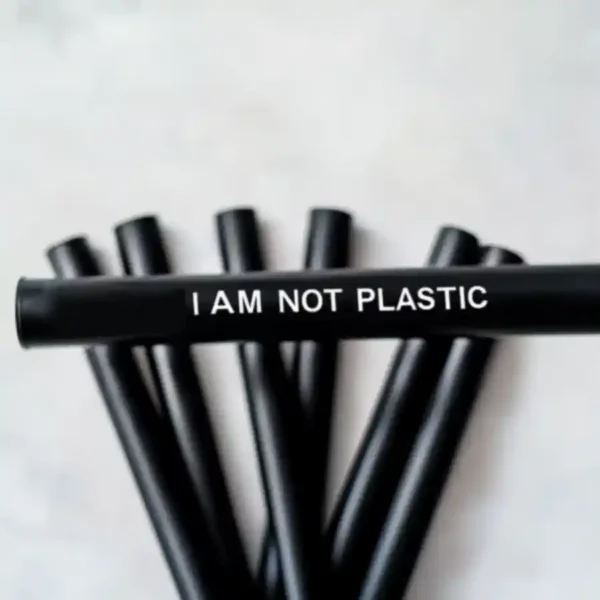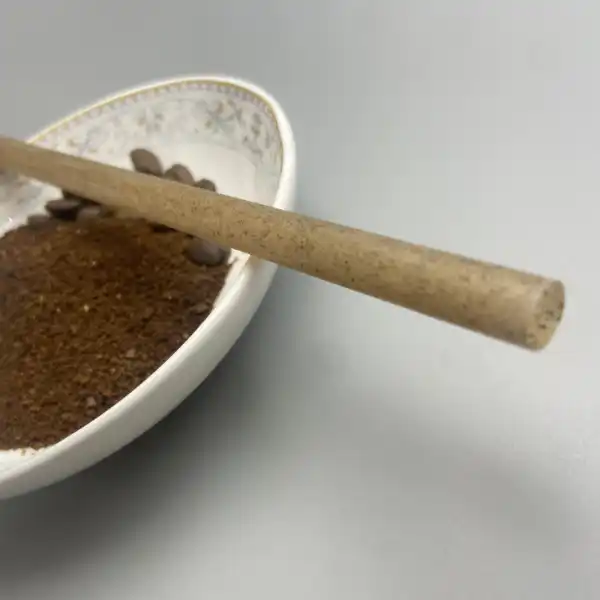
I. Introduzione
Ogni cannuccia di plastica che tu abbia mai usato esiste ancora. Al momento, 8,3 miliardi di essi soffocano gli oceani, perforano le narici delle tartarughe e si frammentano in microplastiche che si infiltrano nella nostra catena alimentare.
Mentre i divieti globali sulle cannucce di plastica accelerano – dalle severe sanzioni del Kenya alla legge sulla plastica monouso della California – i consumatori si trovano ad affrontare un labirinto di affermazioni “ecocompatibili”. Lo ha scoperto uno studio di Greenpeace del 2024 Il 62% delle cannucce “biodegradabili” non si decompone in condizioni reali, esponendo il dilagante greenwashing.
Attraverso test rigorosi (e alcuni disastroso fuoriuscite di caffè), abbiamo identificato le uniche alternative alla cannuccia che bilanciano la praticità con vera sostenibilità – supportato dalla scienza, non dalla campagna pubblicitaria del marketing.

II. La necessità di alternative ecologiche
Problemi con la cannuccia di plastica
- Una singola cannuccia di plastica impiega fino a 200 anni per decomporsi.
- Entro il 2050, la plastica negli oceani supererà i pesci (Fondazione Ellen MacArthur).
- Le cannucce si collocano tra i primi 10 articoli trovati nella pulizia delle spiagge a livello globale.
Spostamento della domanda dei consumatori
- Il 73% dei millennial è disposto a pagare di più per prodotti sostenibili (Nielsen 2024).
- Le ricerche su Google di “cannucce ecologiche” sono aumentate del 250% dal 2022.
- Grandi catene come Starbucks e McDonald’s si sono impegnate a eliminare gradualmente le cannucce di plastica entro il 2025.

III. Alternative ecologiche alla cannuccia a confronto
Opzioni riutilizzabili
- Acciaio inossidabile
- Pro: Praticamente indistruttibile, lavabile in lavastoviglie, nessun trasferimento di sapore.
- Contro: Conduce la temperatura (attenzione alle bevande calde!), costo iniziale maggiore.
- Ideale per: Bevitori di caffè giornalieri, uso domestico.
- Mancia: Scegli le versioni con punta in silicone per proteggere i denti e ridurre il rumore.
- Bicchiere
- Pro: Aspetto elegante, consente un flusso visibile delle bevande, lavabile in lavastoviglie.
- Contro: Fragile, più pesante di altre opzioni.
- Ideale per: Bar casalinghi, appassionati di frullati.
- Silicone
- Pro: Flessibile, portatile (spesso pieghevole), adatto ai bambini.
- Contro: Può trattenere i sapori se non pulito correttamente, durata di vita più breve del metallo.
- Ideale per: Utilizzo in movimento, famiglie con bambini piccoli.
Alternative monouso
- Cannucce di carta
- Pro: Ampiamente disponibile, familiare ai consumatori.
- Contro: Spesso si disintegrano rapidamente e possono alterare il gusto della bevanda.
- Ideale per: Ristoranti con servizio rapido, eventi.

- Pro: Più durevole della carta, prodotta con rifiuti agricoli.
- Contro: Resistenza al calore limitata, costo leggermente superiore alla carta.
- Ideale per: Caffè, ristoranti che cercano opzioni ecologiche più durature.
- Cannucce di bambù
- Pro: Materiale naturale, biodegradabile, riutilizzabile con la dovuta cura.
- Contro: Richiede una pulizia accurata, può conferire un leggero sapore.
- Ideale per: Consumatori eco-consapevoli, locali a tema tropicale.
- Cannucce in PLA (acido polilattico).
- Pro: Aspetto e consistenza simili alla plastica, derivata da fonti vegetali.
- Contro: Richiedono impianti di compostaggio industriale, non biodegradabile marino.
- Ideale per: Aree con accesso al compostaggio commerciale.
Scelte innovative
- Cannucce commestibili
- Esempi: Cannucce di pasta, cannucce di riso, opzioni a base di alghe.
- Pro: Zero sprechi, divertente fattore di novità.
- Contro: Può influenzare il sapore della bevanda, durata limitata.
- Ideale per: Bar, negozi di bevande speciali.
- Cannucce di fieno
- Pro: Tutto naturale, biodegradabile, robusto.
- Contro: Disponibilità limitata, potenziali problemi di allergeni.
- Ideale per: Ristoranti a km 0, locali rustici.
- Pro: Rapidamente rinnovabile, completamente compostabile.
- Contro: Nuova tecnologia, costi più elevati.
- Ideale per: Stabilimenti eco-focalizzati, marchi innovativi.

IV. Analisi comparativa
| Materiale | Durata | Costo (100 unità) | Impatto ambientale | Miglior caso d'uso |
|---|---|---|---|---|
| Acciaio inossidabile | Anni | $ 15-30 (riutilizzabile) | Basso (se usato a lungo termine) | Uso quotidiano, casa |
| Bicchiere | 1-2 anni con cura | $ 20-40 (riutilizzabile) | Basso-Medio | Casa, bar |
| Silicone | 1-2 anni | $ 10-25 (riutilizzabile) | Medio | Viaggiate, ragazzi |
| Carta | Monouso (20-60 minuti) | $ 5-10 | Basso (se smaltito correttamente) | Servizio rapido |
| Cannauga | Monouso (2-4 ore) | $ 8-15 | Basso | Ristoranti |
| PLA | Monouso | $ 7-12 | Medio (necessita di compostaggio industriale) | Eventi |
| Commestibile | Monouso (varia) | $ 15-30 | Molto basso | Bevande speciali |
V. Considerazioni sui consumatori
Facilità d'uso e manutenzione
- Opzioni riutilizzabili: Investi in una spazzola per la pulizia per un lavaggio accurato.
- Bambù: Una corretta asciugatura è fondamentale per prevenire la formazione di muffe.
- Silicone: Può essere bollito periodicamente per una pulizia profonda.
Efficienza dei costi
- Sebbene le opzioni riutilizzabili abbiano un costo iniziale più elevato, diventano più economiche nel tempo.
- Esempio: una confezione da 20 dollari composta da 8 cannucce in acciaio inossidabile si rompe anche dopo circa 3-4 mesi rispetto all'acquisto di cannucce ecologiche usa e getta.
Disponibilità
- I principali rivenditori come Target e Walmart ora offrono varie opzioni ecologiche.
- I mercati online offrono la scelta più ampia, spesso con prezzi all'ingrosso.
- I negozi locali a rifiuti zero sono ottimi per trovare alternative uniche e di provenienza locale.
VI. Conclusione
La migliore cannuccia ecologica dipende dalle tue esigenze specifiche:
- Per l'uso quotidiano: Investi in cannucce di acciaio inossidabile o di vetro.
- In movimento: Le cannucce pieghevoli in silicone offrono praticità.
- Imprese: Considera la canna da zucchero o le cannucce in PLA dove è disponibile il compostaggio.
- Eventi speciali: Le cannucce commestibili o di fieno aggiungono un tocco unico.
Ricorda, l’opzione più sostenibile spesso non è affatto la paglia. Quando ne hai bisogno, scegli in base alla durabilità, alle opzioni di smaltimento locali e al tuo stile di vita.
Invito all'azione: Pronto a fare il passaggio? Inizia con il nostro picconi di paglia riutilizzabili di alta qualità e partecipa alla sfida #LastStraw. Condividi le tue avventure eco-sorseggiate con noi @NatureBioEco!
Collegamenti interni:
- Canna da zucchero, carta e PLA: un confronto dettagliato
- La verità sulle cannucce biodegradabili e compostabili
- Dalla produzione alla decomposizione: il viaggio di una cannuccia compostabile
- Consigli degli esperti: conservare le cannucce ecologiche
Fonti:
- Fondazione Ellen MacArthur. “La nuova economia della plastica: ripensare il futuro della plastica” (2016)
- Rapporto Nielsen sulla sostenibilità aziendale globale (2024)
- Conservazione dell'oceano. “Rapporto internazionale sulla pulizia delle coste 2023”
Risposta da Perplessità: pplx.ai/share