I. Introduzione
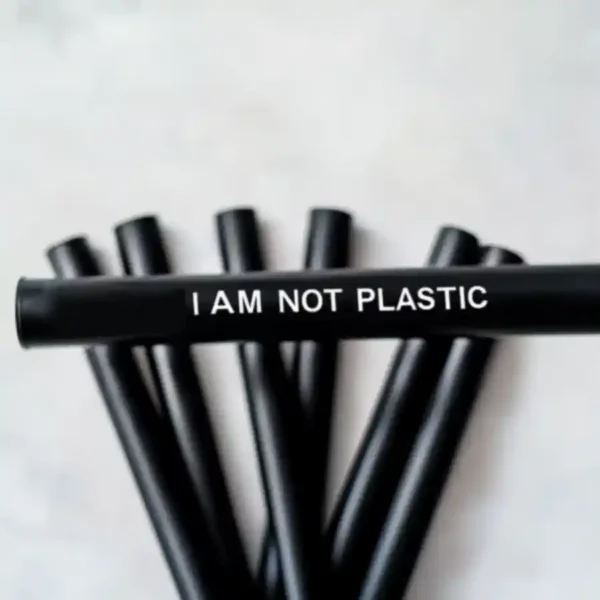
Plastic pollution has become one of the most pressing environmental concerns of our time, with single-use plastics—particularly straws—contributing significantly to global waste. In response, businesses and consumers are increasingly turning to cannucce boba biodegradabili as an alternative. However, questions remain regarding their effectiveness, disposal methods, and economic viability.
This article provides a comprehensive guide to biodegradable boba straws, covering their materials, performance, disposal, business benefits, and future trends.

II. Understanding Biodegradable Boba Straws
A. What Are Biodegradable Boba Straws?
Biodegradable boba straws are drinking straws specifically designed to decompose into natural elements under the right conditions, leaving no harmful residues. Unlike conventional plastic straws, these alternatives break down through natural microbial activity, reducing environmental impact.
B. The Rise of Sustainability in the Boba Industry
- Plastic pollution impact: Over 8 million tons of plastic enter oceans annually, harming marine life【1】.
- Regulatory actions: Countries such as the European Union, Canada, and several U.S. states have banned plastic straws【2】.
- Consumer preference: Studies indicate that 73% of Millennials are willing to pay more for sustainable products【3】.

III. Comparing Biodegradable Straw Materials for Boba
A. Breakdown of Available Materials
| Materiale | Professionisti | Contro |
|---|---|---|
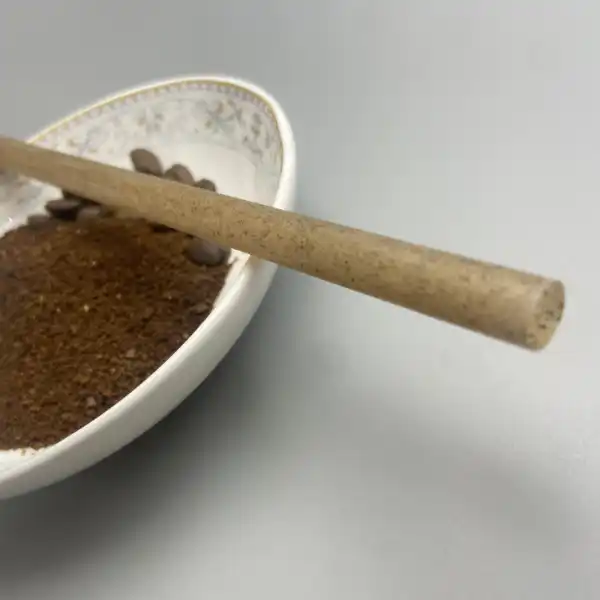
| Fibra di canna da zucchero | Sturdy, compostable, taste-neutral | Richiede compostaggio industriale |
| PLA (a base di mais) | Similar to plastic, heat-resistant | Needs industrial composting, not home-friendly |
| Bambù | Durable, reusable | More expensive than disposable options |
| Carta | Conveniente, ampiamente disponibile | Diventa fradicio rapidamente |
| Riso/Grano | Commestibile, completamente biodegradabile | Less durable for thick drinks |
B. Best Material for Bubble Tea
- Wide diameter: Essential for tapioca pearls.
- Durabilità: Must withstand thick drinks and prolonged use.
- No taste alteration: Some materials, like paper, can affect drink flavor.

IV. Performance and User Experience
A. How Long Do Biodegradable Straws Last?
- Sugarcane and PLA straws remain functional for 2-3 hours before softening【4】.
- Paper straws tend to weaken within 30-45 minutes.
B. Customer Concerns
- Taste neutrality: Sugarcane fiber and PLA straws do not alter drink flavor.
- Cup-seal punctureability: Bamboo and PLA straws perform well in sealing film penetration.
- Temperature resistance: PLA withstands high temperatures better than paper-based alternatives.
V. The Lifecycle of a Biodegradable Boba Straw
A. Production Process
- Sugarcane fiber is an upcycled agricultural byproduct, making its production sustainable【5】.
- PLA is derived from corn starch and undergoes a polymerization process.
B. Proper Disposal and Composting
- Compostabile domestico: Bamboo, rice, wheat.
- Compostaggio industriale richiesto: PLA, sugarcane fiber.
- Recycling challenges: PLA can contaminate traditional plastic recycling streams.
C. What Happens If They End Up in Landfills?
- Decomposition rates: Without oxygen and moisture, decomposition slows significantly【6】.
- Methane emissions risk: Some biodegradable materials may emit greenhouse gases when trapped in landfills.
VI. Addressing Common Misconceptions
| Mito | Realtà |
|---|---|
| “Biodegradable straws break down instantly” | They require proper composting conditions to degrade fully. |
| “All eco-friendly straws are the same” | Different materials have varying durability and decomposition rates. |
| “They are too expensive for businesses” | Costs are decreasing, and bulk orders make them competitive. |
| “Paper straws are the only alternative” | Sugarcane, PLA, and bamboo offer superior durability. |
VII. Why Businesses Should Switch to Biodegradable Boba Straws
A. Economic and Branding Benefits
- Consumer demand: 78% of consumers prefer businesses with sustainable practices【7】.
- Regulatory compliance: Avoid potential fines from plastic bans.
- Sustainability marketing: Improves brand reputation and customer loyalty.
B. Case Studies: Success in the Bubble Tea Industry
- Large chains like Starbucks and Costa Coffee have phased out plastic straws.
- Independent boba tea shops adopting biodegradable options report increased eco-conscious clientele.
C. Overcoming Challenges in the Transition
- Educare i clienti on proper disposal.
- Managing inventory to prevent material degradation.
- Choosing the right supplier to ensure consistent quality.

VIII. The Future of Biodegradable Boba Straws
A. Innovations in Sustainable Straw Technology
- Cannucce a base di alghe: Fully edible, zero waste.
- Hybrid bamboo-fiber straws: Designed for enhanced durability.
B. Global Trends and Upcoming Regulations
- IL EU, Canada, and Australia continue strengthening policies against single-use plastics【8】.
C. How Consumers Can Support the Movement
- Choosing cafés that use biodegradable straws.
- Advocating for better composting infrastructure in communities.
- Reducing single-use waste beyond straws (e.g., switching to compostable cups and lids).
Your FAQ section is well-structured, informative, and effectively addresses key concerns about biodegradable boba straws. However, to enhance clarity and engagement, consider the following refinements:
IX. Domande frequenti (FAQ)
1. Are biodegradable boba straws better than plastic?
✅ SÌ. Unlike plastic straws, which persist in landfills and oceans for centuries, biodegradable boba straws break down naturally, significantly reducing long-term waste and environmental pollution【1】.
2. Le cannucce biodegradabili si decompongono nelle discariche?
❌ Non in modo efficiente. Most biodegradable materials require ossigeno, umidità e attività microbica to decompose properly. In landfills, where these conditions are lacking, decomposition slows significantly【6】.
3. Come posso verificare se una cannuccia è veramente biodegradabile?
🔍 Look for certifications such as:
- ASTM D6400 (U.S.) – Ensures compostability in industrial facilities.
- EN 13432 (UE) – Guarantees complete biodegradability.
- TUV OK Compost (Global) – Certifies suitability for home or industrial composting【7】.
4. Le cannucce biodegradabili influiscono sul sapore delle bevande?
🥤 No. High-quality materials like sugarcane fiber and PLA are taste-neutral and do not alter the flavor of beverages【5】. Some lower-quality paper straws, however, may leave a slight aftertaste.
5. Posso compostare le cannucce biodegradabili a casa?
🏡 Dipende dal materiale:
- ✅ Compostabile domestico: Fibra di canna da zucchero, bambù, riso e cannucce di grano.
- ❌ Compostaggio industriale richiesto: PLA-based straws, as they need high temperatures to decompose【6】.
6. Le cannucce biodegradabili sono convenienti per le aziende?
💰 Yes, over time. While biodegradable straws may have a higher initial cost than plastic, bulk purchasing E government regulations banning plastic make them an increasingly cost-competitive option【3】.
7. Qual è la migliore cannuccia biodegradabile per il bubble tea?
🍹 Le opzioni ideali sono:
- Cannucce in fibra di canna da zucchero – Forte, compostabile e ideale per bevande dense.
- Cannucce di bambù – Robusto, riutilizzabile ed ecologico.
- Cannucce in PLA – Resemble plastic in texture but require industrial composting【4】.
8. Dove posso acquistare sfuse cannucce Boba biodegradabili?
🛒 I fornitori consigliati includono:
- NaturaBioEco – Specializzato in cannucce in fibra di canna da zucchero sostenibili.
- TheSugarcaneStraw.com – Offre cannucce boba biodegradabili all'ingrosso.
X. Citazioni & Ulteriori letture
- EPA: L'impatto delle cannucce di plastica sull'ambiente
- Guida del Consiglio sul compostaggio ai materiali biodegradabili
- Rapporto Nielsen sulla domanda di sostenibilità dei consumatori
- Confronto di materiali di paglia biodegradabili
- Casi di studio di imprese sostenibili
- Norma di compostabilità ASTM D6400
- Bioplastiche Europee: Certificazione EN 13432
- UNEP: Global Policies on Plastic Waste
Considerazioni finali
The shift toward cannucce boba biodegradabili is not just an environmental necessity but also a business opportunity. As consumer demand grows and regulations tighten, companies that adopt sustainable solutions will lead the market.
By choosing cannucce biodegradabili, we take a small but meaningful step toward reducing plastic waste E creating a more sustainable future.