I. Introduzione
Plastic straws have long been a significant environmental issue, contributing heavily to ocean pollution and harming wildlife. In response to this growing concern, compostable straws have emerged as an eco-friendly alternative. These straws not only help reduce plastic waste but also offer a sustainable solution for those who are looking to make more environmentally conscious choices.

II. What Are Compostable Straws?
Le cannucce compostabili sono realizzate con materiali naturali e biodegradabili che si scompongono in materia organica se smaltiti correttamente. I materiali primari utilizzati per produrre cannucce compostabili includono:
- Amido di mais
- Fibra di canna da zucchero
- Bambù
- Paglia di grano
- Amido di tapioca
A differenza delle tradizionali cannucce di plastica, che possono impiegare centinaia di anni per decomporsi, le cannucce compostabili sono progettate per rompersi in pochi mesi negli impianti di compostaggio industriale, riducendo il loro impatto ambientale.

III. Materials Used in Compostable Straws
Compostable straws are crafted from a range of renewable materials. The most common include:
- Amido di mais: A biodegradable material derived from corn, known for its versatility and minimal environmental footprint.
- Fibra di canna da zucchero: Often a by-product of sugarcane production, this material is durable and fully compostable.
- Bambù: A fast-growing plant that requires minimal resources to cultivate, making it a sustainable choice for straws.
- Paglia di grano: A by-product of wheat production, wheat straw is strong, durable, and environmentally friendly.
- Amido di tapioca: Sourced from the cassava plant, tapioca starch straws are biodegradable and non-toxic.
These materials not only support a circular economy but also reduce reliance on petroleum-based plastics.

IV. Environmental Benefits of Compostable Straws
Compostable straws offer several environmental benefits:
- Faster Decomposition: In industrial composting facilities, compostable straws break down within 2-6 months. In home composting conditions, it can take 6-12 months.
- Reduction in Plastic Pollution: By choosing compostable alternatives, we can significantly decrease plastic waste, which takes centuries to decompose.
- Minore impronta di carbonio: The production of compostable straws typically has a lower carbon footprint compared to plastic production, contributing to reduced greenhouse gas emissions.
V. Practicality and Performance
Compostable straws perform well in various scenarios:
- Bevande fredde: Le cannucce compostabili sono ideali per le bevande fredde, mantenendo la loro integrità strutturale per periodi prolungati.
- Bevande calde: Sebbene molte cannucce compostabili siano adatte per bevande fredde, solo alcune sono progettate per gestire il calore delle bevande calde. Cerca cannucce etichettate come resistenti al calore per bevande calde.
- Bevande acide: Nelle bevande altamente acide come i succhi di agrumi, le cannucce compostabili possono degradarsi più velocemente. È importante scegliere un materiale adatto per tali applicazioni.
Per un approfondimento sui tipi di cannucce compostabili, dai un'occhiata al nostro Cannucce di canna da zucchero pagina.
VI. Market and Cost
Sebbene le cannucce compostabili tendano ad essere più costose delle tradizionali cannucce di plastica, il prezzo sta gradualmente diminuendo man mano che la produzione aumenta. I principali marchi che offrono cannucce compostabili includono Vegware, Centrato sul mondo, Prodotti ecologici, E Cannucce di Aardvark. The higher cost is justified by the long-term environmental savings, as compostable straws help reduce plastic waste and contribute to a cleaner planet.
For bulk purchases, you can explore our Produzione ecologica pagina.
VII. Proper Usage and Disposal
To fully benefit from compostable straws, it’s essential to dispose of them correctly:
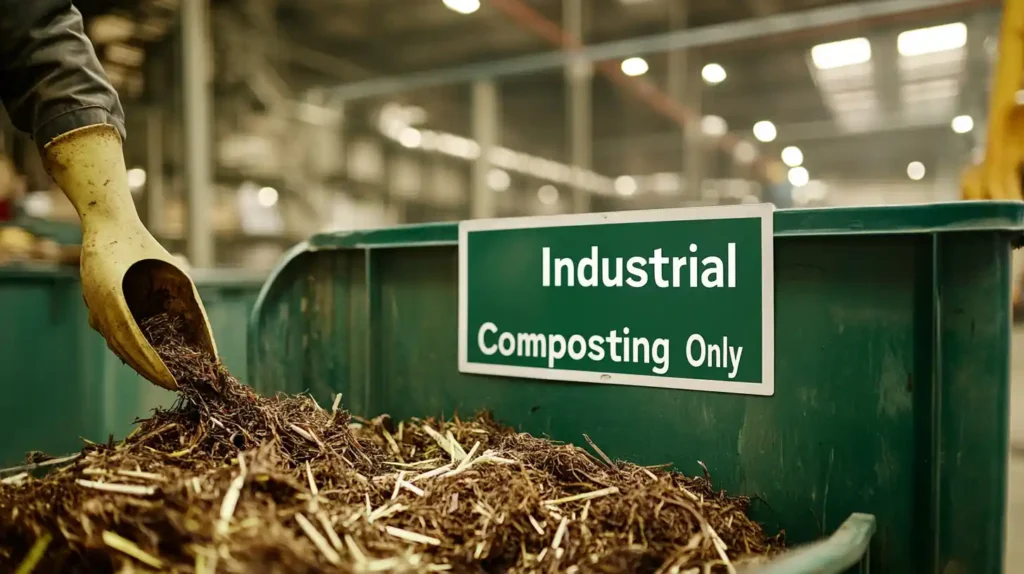
- Compostaggio industriale: Compostable straws should be sent to certified industrial composting facilities.
- Compostaggio domestico: If you have a home compost system, these straws can be composted, but they may take longer to break down.
- Avoid Landfills: Never dispose of compostable straws in regular trash; they need specific conditions to break down effectively.
Learn more about proper disposal methods on our Centro risorse.

VIII. Consumer Education
È essenziale aumentare la consapevolezza sui vantaggi delle cannucce compostabili. È fondamentale educare i consumatori sui vantaggi ambientali, come la riduzione dell’inquinamento causato dalla plastica e il sostegno a un’economia circolare. Pratiche sostenibili, come l’utilizzo di cannucce compostabili e il loro corretto smaltimento, possono avere un impatto significativo sulla salute del pianeta.
IX. Conclusione
Le cannucce compostabili rappresentano un passo avanti essenziale nella lotta all’inquinamento causato dalla plastica. Il loro sviluppo offre un’alternativa sostenibile alle tradizionali cannucce di plastica, contribuendo a ridurre i danni ambientali. Passando alle opzioni compostabili, i consumatori possono contribuire a un futuro più verde e sostenibile.
Per ulteriori informazioni sui diversi tipi di cannucce compostabili, visita il nostro Catalogo prodotti.