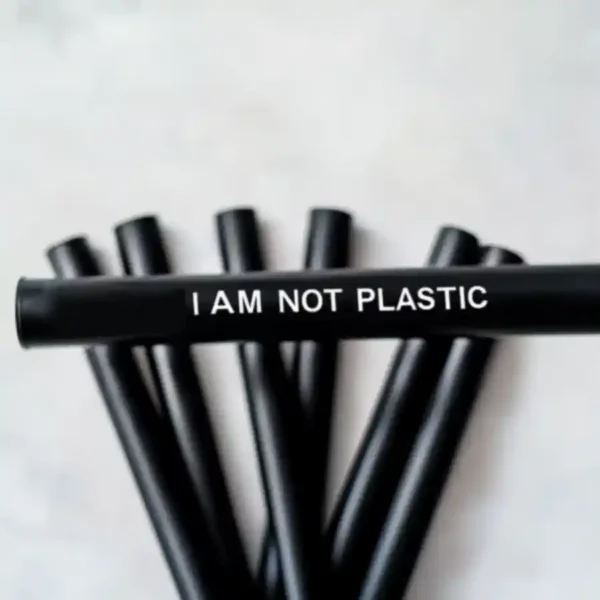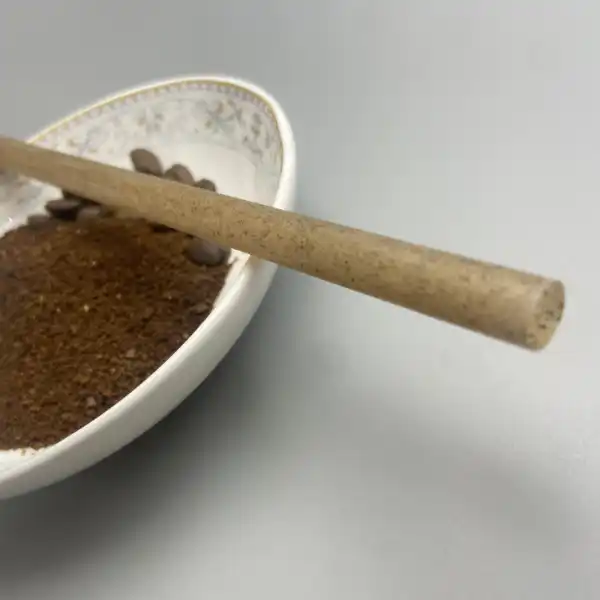

In recent years, the environmental impact of plastic waste has become one of the most pressing global issues. Among the many products contributing to plastic pollution, single-use plastic straws have attracted significant attention due to their widespread use and environmental harm. Enter cannucce compostabili – a promising alternative that not only reduces waste but also aligns with the growing demand for sustainable solutions. But what exactly makes compostable straws the future of sustainable drinking?

The Environmental Toll of Plastic Straws
Before diving into the benefits of compostable straws, it’s crucial to understand why their plastic counterparts are problematic. According to estimates, over 8 milioni di tonnellate di rifiuti di plastica enter the oceans every year, with plastic straws contributing a significant share. These plastic straws can take centinaia di anni to break down, harming marine life and polluting our ecosystems. In addition to their long decomposition timeline, plastic straws are lightweight and easily washed away by wind and water, making them one of the most commonly found items during beach clean-ups.
Switching to a more sustainable alternative, such as compostable straws, addresses these environmental concerns by offering a biodegradable option that breaks down naturally and safely.
Cosa sono le cannucce compostabili?
Compostable straws are made from plant-based materials such as amido di mais, bambù, canna da zucchero, O palm leaves, which are designed to break down in composting environments. Unlike plastic straws, compostable options are biodegradabile, meaning they decompose into natural elements without leaving harmful residues behind.
What sets compostable straws apart is their ability to break down within 90 to 180 days when exposed to the right conditions, significantly reducing their environmental impact compared to plastic straws. This makes them a key player in the fight against plastic pollution, especially in the foodservice industry, where straws are commonly used.
Why Are Compostable Straws the Future of Sustainable Drinking?
1. Eco-Friendly Materials That Promote Sustainability
Compostable straws are typically made from renewable, materiali di origine vegetale that require fewer resources to produce than plastic. For example, sugarcane and cornstarch are byproducts of food production that can be repurposed for a second life as compostable straws, reducing waste in the process. In contrast, plastic straws are made from petroleum, a non-renewable resource, and their production contributes to harmful carbon emissions.

2. Quick Decomposition: A Better Alternative to Plastic
While plastic straws persist for centuries, compostable straws break down in a matter of months under the right conditions, returning to the earth as compost that can enrich soil rather than pollute our ecosystems. This quick decomposition means compostable straws don’t end up in our oceans or landfills, reducing the risk of harm to wildlife and ecosystems.
3. Biodegradability vs. Recyclability: A Major Advantage
Many people assume that biodegradable and compostable items are the same, but the truth is that compostable straws are designed to break down in composting conditions (di solito in impianti di compostaggio commerciali), mentre alcuni articoli biodegradabili possono comunque lasciare microplastiche. Le cannucce compostabili non richiedono processi di riciclaggio speciali e non lasciano sostanze inquinanti nell'ambiente, a differenza delle cannucce di plastica, notoriamente difficili da riciclare e spesso finiscono in discarica.
4. Soddisfare la domanda dei consumatori per scelte sostenibili
Con un numero sempre maggiore di consumatori alla ricerca di alternative ecosostenibili, le cannucce compostabili stanno rapidamente diventando la scelta migliore per le aziende che mirano a migliorare le proprie credenziali di sostenibilità. In effetti, molte delle principali catene e ristoranti hanno già effettuato il passaggio, riconoscendo la crescita domanda dei consumatori per opzioni sostenibili e prive di plastica. This shift is not just a passing trend but part of a larger movement towards reducing waste and carbon footprints in every aspect of daily life.
Benefits of Using Compostable Straws for Businesses
5. Positive Brand Image and Customer Loyalty
For businesses, offering compostable straws helps reinforce a brand’s commitment to sustainability. As environmental awareness grows, customers are increasingly loyal to brands that align with their values. Using compostable products can help improve brand image, attract eco-conscious customers, and enhance customer loyalty. In addition, promoting such initiatives can enhance your company’s reputation as a leader in sustainable practices, potentially opening doors to new business opportunities.
6. Compliance with Regulations
Mentre i governi di tutto il mondo implementano normative più severe sui prodotti in plastica monouso, le aziende devono adattarsi per evitare sanzioni e restare al passo con i tempi. Il passaggio alle cannucce compostabili garantisce rispetto della legislazione progettato per eliminare gradualmente i rifiuti di plastica. Ad esempio, in molte città sono già stati emanati divieti sulle cannucce di plastica, suggerendo la necessità di alternative come le cannucce compostabili.
Compostable Straws: Not Without Challenges
Sebbene le cannucce compostabili presentino numerosi vantaggi, è importante notare che non sono una soluzione perfetta. Loro la decomposizione richiede condizioni specifiche, usually found in commercial composting facilities, which are not always available in all areas. Consumers and businesses must also be educated on the proper disposal methods to ensure compostable straws fulfill their environmental promise.
Additionally, costs associated with compostable alternatives can be higher than plastic options, though these costs are steadily decreasing as demand rises and more manufacturers enter the market.

Conclusion: The Future of Sustainable Drinking Is Here
Compostable straws are shaping up to be a cornerstone in the movement towards a plastic-free, sustainable future. Con i loro benefici ambientali, la rapida decomposizione e la crescente disponibilità, forniscono un’alternativa tanto necessaria alle tradizionali cannucce di plastica. Per le aziende, l’adozione di cannucce compostabili può migliorare la reputazione del marchio, soddisfare i consumatori attenti all’ambiente e garantire la conformità alle normative, facendo al tempo stesso una differenza tangibile nella lotta contro i rifiuti di plastica.
Mentre il mondo continua a muoversi verso pratiche più sostenibili, le cannucce compostabili si stanno rivelando più di una semplice tendenza passeggera: rappresentano il futuro del bere responsabile.
Internal Links to Explore Further
- Cannucce ecologiche di canna da zucchero – Scopri i vantaggi delle cannucce compostabili a base di canna da zucchero.
- Soluzioni personalizzate per la cannuccia – Scopri come possiamo fornire soluzioni di paglia su misura per la tua attività.
- Campione gratuito di cannucce ecologiche – Request a free sample to experience the quality of our eco-friendly straws.
- Industries We Serve: Food Service – See how compostable straws benefit the foodservice industry.
- Produzione ecologica – Read about our eco-conscious manufacturing processes.
- Product Catalog – Sugarcane Fiber Straws – Browse our range of sugarcane-based straws.