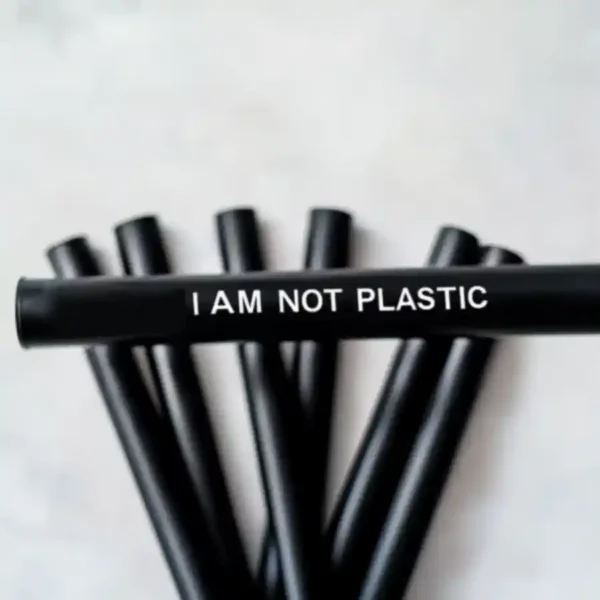
Il passaggio a cannucce e bicchieri ecologici è un passo importante per le aziende che mirano a ridurre il proprio impatto ambientale soddisfacendo al tempo stesso la crescente domanda di pratiche sostenibili. Questa guida completa fornisce alle aziende gli approfondimenti e le strategie necessarie per effettuare questa transizione in modo fluido ed efficace.

Selezione di alternative alla cannuccia ecologiche
Man mano che le aziende diventano più consapevoli della propria impronta ambientale, è fondamentale selezionare le giuste alternative ecologiche alle tradizionali cannucce di plastica. Di seguito sono elencate alcune delle migliori opzioni sostenibili disponibili:
1. Cannucce di carta
Cannucce di carta a base di Fibra certificata FSC sono un'alternativa ecologica popolare e ampiamente disponibile alla plastica. Queste cannucce sono compostabile e sono disponibili in varie dimensioni per adattarsi a diversi tipi di bevande, rendendoli un'ottima opzione per ristoranti e caffè. Puoi esplorare vari fornitori come Prodotti della Carta Verde for high-quality options.
2. Plant-Based Straws
- Cannucce Di Riso: Made from rice and tapioca starch, these straws are biodegradable and even edible, making them a unique and sustainable option for eco-conscious businesses Shopeq U.
- Cannucce di grano: These are made from wheat stems, naturally biodegradable, and ideal for single-use, offering a sustainable choice for fast-paced environments Yes Straws.
- Cannucce di bambù: Known for their durabilità E antibacterial properties, bamboo straws are compostabile and perfect for businesses that want a long-lasting, eco-friendly solution.
- Hay Straws: Made from natural wheat stems, hay straws are gluten-free and 100% compostabile, providing an excellent eco-friendly alternative for businesses focused on waste reduction Hay Straws.
3. Coconut Straws
Coconut straws are made from fermented coconut water and are biodegradabile E reusable throughout the day. This innovative solution reduces the environmental footprint and offers a sustainable choice for the eco-conscious consumer Shopeqo.

4. Sulapac Straws
Sulapac straws are crafted from wood chips E plant-based binders, ensuring they biodegrade without leaving harmful microplastics. These straws are a great option for businesses seeking truly ecologico solutions Sulapac.
5. Metal Straws
Stainless steel straws Sono reusable, durablee perfetto per le aziende che desiderano offrire ai clienti un'alternativa ecologicamente responsabile alla plastica. Queste cannucce possono anche essere personalizzato con loghi e marchi, rendendoli un eccellente strumento di marketing Guida di Difford.
6. Cannucce di vetro
Cannucce di vetro sono un'altra opzione riutilizzabile, facile da pulire e visivamente accattivante. Forniscono un'alternativa di fascia alta per le aziende che desiderano offrire prodotti sostenibili ma premium Guida di Difford.
Attuazione della transizione
La transizione verso alternative ecocompatibili richiede un’attenta pianificazione. Ecco una guida passo passo per aiutare le aziende a orientarsi nel processo:

1. Assess Current Usage
The first step is to evaluate your current straw consumption and determine the quantity and types of eco-friendly alternatives that will be required. This will give you a clear picture of how much you need to source and what materials will work best for your operations.
2. Choose the Right Alternative
Choosing the right eco-friendly straws depends on several factors:
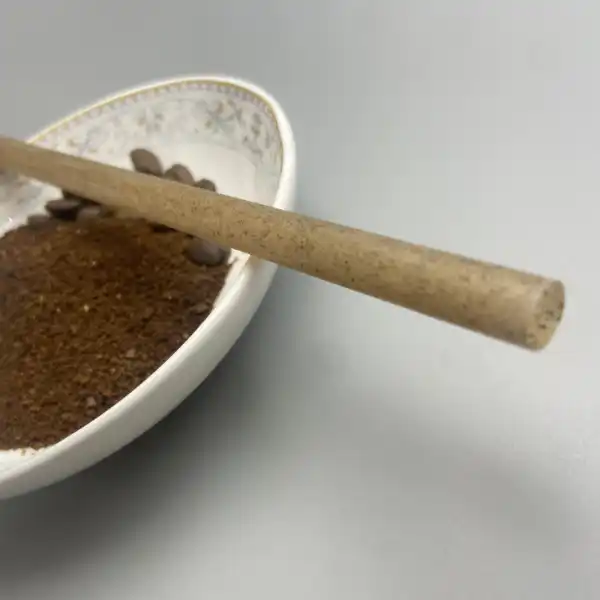
- Drink Types: Different beverages may require specific types of straws. For example, thick beverages like smoothies may benefit from wider straws like Smoothie Coffee Grounds Straws, while cocktails or juices may work well with smaller diameter straws like Cannucce di canna da zucchero da cocktail.
- Preferenze del cliente: Consider your customer base and the types of products they prefer. Offering a variety of eco-friendly straws will meet different needs.
- Local Regulations: In some regions, there may be regulations mandating the use of specific eco-friendly materials, so it’s essential to stay compliant.
3. Supplier Research
Investigating reliable manufacturers of biodegradable straws is key. For example, Aardvark Straws specializes in eco-friendly paper straws Verified Market Research. Similarly, NaturaBioEco offers a range of customizable, eco-friendly straws, including fondi di caffè E cannucce di canna da zucchero.
4. Staff Training
Assicurati che il tuo team sia ben informato sui vantaggi dei prodotti ecologici e sui metodi di smaltimento adeguati. Una formazione adeguata aiuterà i dipendenti a comunicare il valore della sostenibilità ai clienti.
5. Educazione del cliente
È possibile educare i clienti sull'impatto ambientale della plastica e sui vantaggi derivanti dall'utilizzo di prodotti ecologici segnaletica, note del menù, O comunicazione in linea. Ciò aiuta i clienti a sentirsi informati e autorizzati a fare scelte sostenibili.

6. Attuazione graduale
Start by offering eco-friendly straws alongside traditional plastic ones. Gradually phase out plastic as customers become more accustomed to the new products.
Espansione verso bicchieri ecologici
Once your business has successfully transitioned to eco-friendly straws, consider expanding your efforts to eco-friendly drinkware:
1. Reusable Cups
Introduce branded reusable cups for customers to purchase and refill at a discount. This encourages customers to bring their own containers, further reducing waste.
2. Biodegradable Cups
For single-use needs, consider switching to cups made from compostable materials like PLA (corn-based plastic) Prodotti della Carta Verde.

3. Glassware
For dine-in customers, prioritize the use of traditional glassware to minimize waste. This can be a more sustainable option compared to disposable cups.
Superare le sfide
Transitioning to eco-friendly alternatives may present challenges, but these can be addressed effectively:
1. Cost Management
While eco-friendly options may be more expensive initially, consider the long-term benefits, such as reduced waste management costs and potential savings from government incentives for sustainable practices.
2. Quality Control
Test different eco-friendly straws to ensure they meet your standards for durabilità E soddisfazione del cliente. This is especially important for products that are used daily by customers.
3. Disposal Infrastructure
Work with local waste management facilities to ensure proper composting or recycling of biodegradable products. This ensures that your eco-friendly products don’t end up in landfills.

FAQ
1. What are eco-friendly straws made from?
Eco-friendly straws are made from materials such as bamboo, paper, rice, wheat, E fondi di caffè, each offering different benefits in terms of sustainability and usability.
2. Are metal straws really better for the environment than plastic?
Yes, metal straws Sono reusable E durable, significantly reducing waste when compared to single-use plastic straws.
3. How long do compostable straws take to break down?
Compostable straws typically break down in 3 to 6 months under proper composting conditions.
4. How can I ensure the eco-friendly products I buy are truly sustainable?
Cercare certifications like compostabile O biodegradabile, and choose suppliers that prioritize ethical sourcing E environmentally responsible production practices.
5. Are eco-friendly straws more expensive than plastic ones?
While Straw ecologiche may cost more upfront, the long-term savings from reduced waste management costs and potential incentives often offset the initial expense.
6. Can I customize eco-friendly straws with my brand’s logo?
Yes, Straw ecologiche can often be personalizzato with branding, allowing businesses to promote their sostenibilità message to customers.
7. What certifications should I look for when purchasing eco-friendly straws?
Cerca certificazioni come compostabile, FSC-certified, E BPA-free to ensure the product meets sustainability and safety standards.
8. How do I introduce eco-friendly straws to my customers?
Educate your customers about the environmental benefits of Straw ecologiche using in-store signage, menu updates, E social media campaigns to create awareness and encourage adoption.
Conclusione
Transitioning to eco-friendly straws and drinkware is a significant step for businesses aiming to reduce their environmental impact and align with growing consumer demand for sustainability. By carefully selecting the right materials, educating employees and customers, and addressing challenges like cost and waste management, businesses can successfully implement eco-friendly solutions that are both environmentally and economically beneficial.
Risorse aggiuntive
This approach to eco-friendly product implementation not only helps protect the environment but also establishes your business as a leader in sustainability.