
1. Introduzione: una resa dei conti sulla sostenibilità
Il dibattito sui rifiuti di plastica non è mai stato così critico. Con milioni di cannucce di plastica gettate ogni giorno, questi oggetti apparentemente piccoli creano un impatto ambientale sproporzionatamente grande. Mentre ci battiamo per un futuro più sostenibile, sono emersi due principali contendenti: cannucce monouso ecologiche e cannucce riutilizzabili.
Questo articolo approfondisce i punti di forza e di debolezza di queste alternative, esaminandone la praticità, l’impatto ambientale e gli scenari in cui ciascuna opzione eccelle.
2. Cannucce ecologiche: una comoda soluzione monouso
2.1 Opzioni e caratteristiche dei materiali
Le cannucce ecologiche sono progettate per la comodità senza il danno duraturo della plastica. I materiali comuni includono:
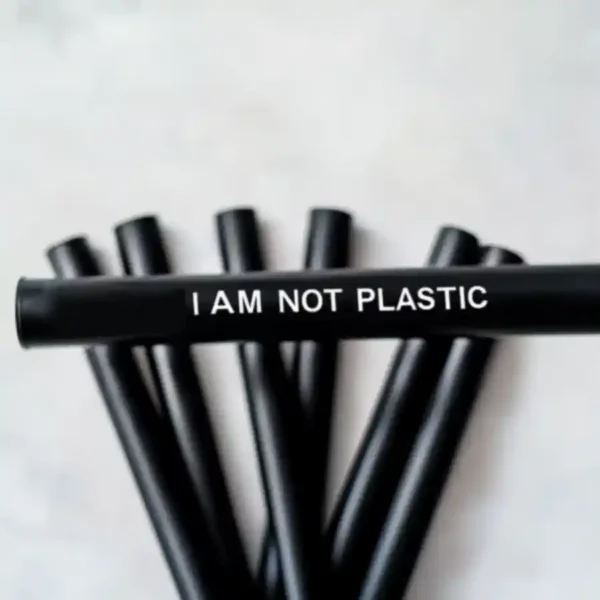
- Cannucce di canna da zucchero: Realizzate con fibre di canna da zucchero avanzate, queste cannucce compostabili sono durevoli ed ecologiche. Prodotti come cannucce di canna da zucchero personalizzabili combinare la sostenibilità con le opportunità di branding.
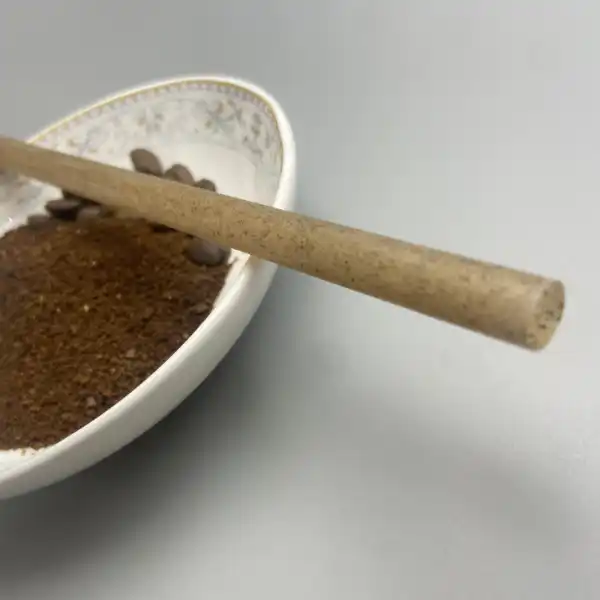
- Cannucce per fondi di caffè: Realizzate con fondi di caffè riciclati, queste cannucce sono resistenti al calore e ideali per bevande calde. Cannucce per fondi di caffè per frullato offrire una valida alternativa alle opzioni tradizionali.
- Cannucce di carta: Biodegradabili e leggere, le cannucce di carta sono eccellenti per un uso a breve termine ma potrebbero non resistere a un uso prolungato.
- Cannucce in PLA: Realizzate con bioplastiche di origine vegetale, le cannucce in PLA richiedono il compostaggio industriale per essere scomposte, limitando la loro efficacia nelle aree prive di tali strutture.

2.2 Compostabilità e facilità di smaltimento
Le cannucce ecologiche sono progettate per decomporsi rapidamente in ambienti di compostaggio adeguati, riducendo i contributi in discarica. Per la massima sostenibilità, cerca prodotti con certificazioni di compostabilità domestica.
2.3 Applicazioni ideali
Le cannucce ecologiche monouso sono particolarmente adatte per ambienti ad alto turnover come ristoranti, bar ed eventi. La loro praticità e igiene li rendono una scelta pratica sia per le aziende che per i clienti.
3. Cannucce riutilizzabili: una scelta duratura e a lungo termine
3.1 Tipi di materiali
Le cannucce riutilizzabili forniscono un'alternativa sostenibile per l'uso ripetuto:
- Cannucce di metallo: Robuste e di lunga durata, le cannucce in metallo sono eccellenti per le bevande fredde ma possono diventare pericolosamente calde con le bevande calde.
- Cannucce di vetro: Eleganti e visivamente accattivanti, le cannucce di vetro offrono un'esperienza premium ma sono più fragili rispetto ad altre opzioni.
- Cannucce di silicone: Flessibili, sicure per i bambini e versatili per bevande calde e fredde, le cannucce in silicone sono una scelta riutilizzabile popolare.

3.2 Requisiti di manutenzione
Il vantaggio ambientale delle cannucce riutilizzabili dipende da una pulizia costante e da una cura adeguata. Senza un’adeguata manutenzione, problemi di igiene o degrado prematuro possono annullarne i benefici.
3.3 Considerazioni ambientali
La produzione di cannucce riutilizzabili ha un’impronta di carbonio iniziale più elevata rispetto alle opzioni ecologiche monouso. Ad esempio, la produzione di una cannuccia di metallo può produrre le stesse emissioni di 150 cannucce di plastica. I materiali riutilizzabili devono essere utilizzati in modo coerente nel tempo per compensare questo impatto, rendendo cruciale l’impegno dell’utente.
4. Quale opzione si adatta meglio alle tue esigenze?
4.1 Per le imprese
Le cannucce ecologiche sono ideali per le aziende con un elevato turnover dei clienti, offrendo soluzioni igieniche monouso in linea con gli obiettivi di sostenibilità. Nel frattempo, le cannucce riutilizzabili funzionano bene per le aziende focalizzate sul coinvolgimento dei clienti a lungo termine o sulla promozione del marchio premium.
4.2 Per gli individui
Le cannucce riutilizzabili sono adatte a coloro che possono impegnarsi a pulirle e trasportarle. Tuttavia, le cannucce ecologiche monouso offrono comodità durante eventi o viaggi quando la manutenzione non è fattibile.
4.3 Un approccio equilibrato
La combinazione di entrambe le opzioni consente alle aziende e ai privati di adattare i propri sforzi di sostenibilità alle diverse esigenze, massimizzando sia l’impatto ambientale che la convenienza.
5. Conclusione: un doppio percorso verso la sostenibilità

Sia le cannucce ecologiche che quelle riutilizzabili hanno il loro ruolo nella lotta contro i rifiuti di plastica. Mentre le cannucce ecologiche offrono praticità immediata e compostabilità, le cannucce riutilizzabili forniscono una soluzione a lungo termine se utilizzate in modo coerente. Comprendendo i compromessi e i punti di forza di ciascuno, le aziende e i consumatori possono prendere decisioni informate che si adattano ai loro stili di vita e ai loro obiettivi ambientali.
Per cannucce ecologiche certificate e di alta qualità adatte alle tue esigenze, visita NaturaBioEco.
FAQ
- Di quali materiali sono fatte le cannucce ecologiche?
I materiali includono canna da zucchero, fondi di caffè, carta e bioplastica a base vegetale (PLA). - Le cannucce riutilizzabili sono più sostenibili delle cannucce ecologiche monouso?
Le cannucce riutilizzabili possono essere più sostenibili se utilizzate e mantenute in modo coerente, mentre le cannucce ecologiche offrono una pratica alternativa compostabile. - Le cannucce compostabili si decompongono nella spazzatura normale?
Le cannucce compostabili si decompongono meglio negli ambienti di compostaggio designati piuttosto che nelle discariche. - Quali cannucce sono migliori per le bevande calde?
I fondi di caffè e le cannucce in silicone sono resistenti al calore e ideali per le bevande calde. - Quali sono le sfide legate all’utilizzo di cannucce riutilizzabili?
Sono necessarie pulizia e manutenzione regolari e una cura impropria può ridurne l'usabilità. - In che modo le cannucce ecologiche apportano vantaggi alle aziende?
L'offerta di cannucce ecologiche migliora la reputazione del marchio, si allinea agli obiettivi di sostenibilità e si rivolge ai clienti attenti all'ambiente. - Quali certificazioni dovrebbero avere le cannucce ecologiche?
Cerca le certificazioni FDA, LFGB e compostabilità (domestica o industriale). - Le cannucce in PLA sono veramente sostenibili?
Le cannucce in PLA sono realizzate con materiali rinnovabili ma richiedono il compostaggio industriale, limitando la loro ecocompatibilità nelle aree prive di tali strutture.