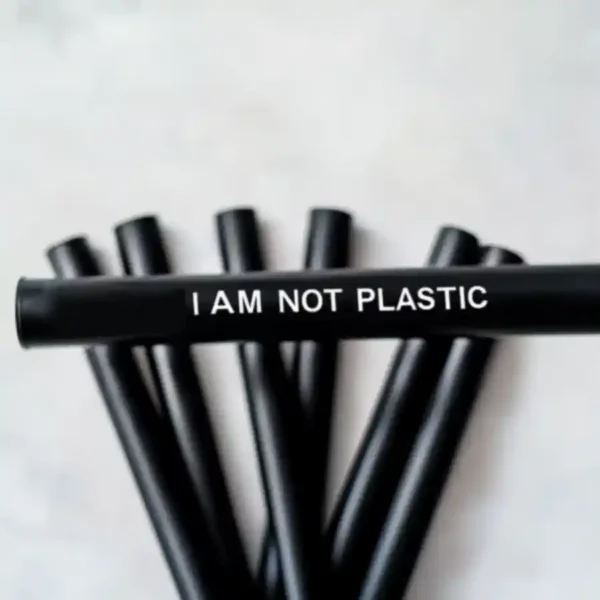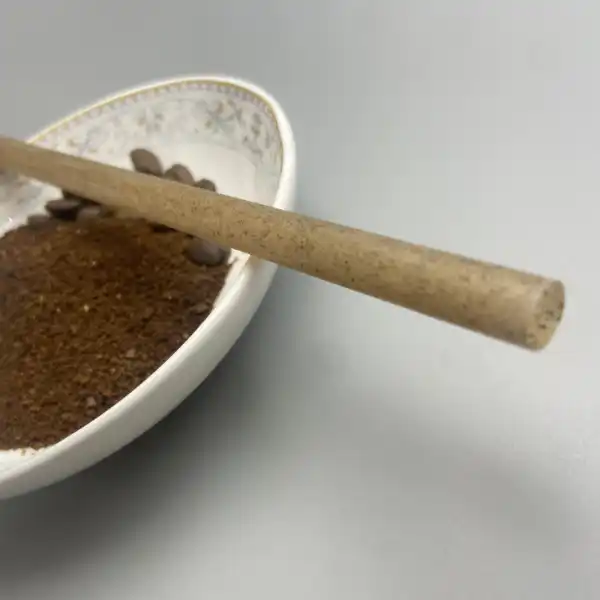
Cannucce biodegradabili di canna da zucchero: soluzioni B2B per il 2025


soluzioni colorabili.
Introduzione: divieti sulla plastica e futuro delle cannucce biodegradabili di canna da zucchero

Immaginate questo: è il 2025 e le vostre attività di ospitalità hanno appena ricevuto una multa di 5.000 dollari per aver distribuito cannucce di plastica monouso. Questa non è finzione: è la nuova realtà per le aziende nei principali mercati di tutto il mondo. Con l’intensificarsi dei divieti sulla plastica a livello globale, le aziende lungimiranti si stanno già orientando verso alternative sostenibili che soddisfino sia i requisiti normativi che i consumatori eco-consapevoli.
Il panorama dei prodotti usa e getta per la ristorazione sta cambiando radicalmente. Oltre 127 paesi hanno ora implementato una qualche forma di regolamentazione sulla plastica, con sanzioni che aumentano ogni anno. Le cannucce di plastica monouso, un tempo elemento base dell’ospitalità, sono diventate il simbolo dei rifiuti inutili: una singola cannuccia utilizzata per 20 minuti può impiegare 200 anni per decomporsi nelle discariche.
Entra nelle cannucce biodegradabili di canna da zucchero: un'alternativa rinnovabile e di origine vegetale che sta rapidamente diventando lo standard di riferimento per le aziende che si impegnano a fondo per la sostenibilità senza compromettere la funzionalità. Esplora il futuro dei vantaggi delle cannucce biodegradabili di canna da zucchero mentre affrontiamo la transizione dalla dipendenza dalla plastica verso soluzioni più attente alla Terra.
Ciò che rende le cannucce di canna da zucchero particolarmente interessanti è la loro origine agricola. Derivate dalla bagassa, il sottoprodotto fibroso che rimane dopo l'estrazione del succo della canna da zucchero, queste cannucce trasformano quelli che altrimenti sarebbero rifiuti agricoli in un prodotto prezioso e funzionale. L’economia circolare nella sua forma migliore: utilizzare i flussi di risorse esistenti anziché creare domanda di nuove materie prime.
Per gli acquirenti B2B che si muovono nel complesso panorama delle alternative sostenibili, le cannucce biodegradabili di canna da zucchero offrono una triplice serie di vantaggi: conformità normativa, soddisfazione del cliente e reale impatto ambientale. Con l’avvicinarsi del 2025 con un’applicazione più rigorosa dei divieti sulla plastica, posizionare le proprie aziende in prima linea non è solo eticamente corretto, ma è anche finanziariamente prudente.
Conformità normativa: Certificazioni per cannucce di canna da zucchero biodegradabili

Understanding the regulatory landscape around food-contact materials is crucial for any busines considering the switch to biodegradable alternatives. According to the FDA, all materials coming into contact with food and beverages must meet specific safety standards—a hurdle that not all eco-friendly alternatives successfully clear.
Le cannucce biodegradabili di canna da zucchero di produttori rinomati sono dotate di certificazioni essenziali che proteggono la tua azienda da problemi di conformità. Ancora più importante, sono certificati dalla FDA per la sicurezza alimentare, garantendo che non contengano sostanze chimiche dannose che potrebbero penetrare nelle bevande. Questa certificazione non è negoziabile per tutte le aziende di servizi di ristorazione che operano nel mercato statunitense.
Oltre all’approvazione della FDA, cannucce di canna da zucchero premium per l'approvvigionamento B2B degli hotel dovrebbero essere dotati di certificazioni aggiuntive che ne verifichino le asserzioni ambientali:
- La certificazione ASTM D6400 conferma la reale compostabilità
- La certificazione BPI (Biodegradable Products Institute) fornisce la verifica di terze parti
- Certificazione LFGB (l'equivalente europeo della FDA) per le operazioni internazionali
- Certificazione OK Compost HOME che verifica la compostabilità in giardino
Secondo un rapporto di settore del 2024, le aziende prive di documentazione adeguata per le dichiarazioni sostenibili devono affrontare una media di 23.000 dollari di sanzioni normative ogni anno nei principali mercati. Ciò rappresenta un rischio finanziario significativo che un’adeguata certificazione aiuta a mitigare.
Quando si valutano i fornitori, richiedere sempre una documentazione di certificazione completa. I produttori legittimi forniscono volentieri queste credenziali, comprendendone l’importanza per gli acquirenti B2B che si muovono in ambienti normativi sempre più rigidi.
Come si confrontano le cannucce biodegradabili di canna da zucchero con altre alternative ecologiche

The market for sustainable straw alternatives has expanded dramatically, making it challenging to determine which option best suits your busines needs. Eco-friendly cocktail straws for drinks B2B bulk solutions come in various materials, each with distinct advantages and limitations.
Here’s how sugarcane straws stack up against other popular alternatives:
| Alternativa | Durata | Esperienza dell'utente | Compostabilità | Efficienza dei costi | Impronta di carbonio |
|---|---|---|---|---|---|
| ————- | ———— | —————– | —————- | —————– | —————— |
| Cannucce di canna da zucchero | 2-3 hours in liquids | Sensazione naturale, gusto neutro | Home compostable (90 days) | Medium initial cost, high value | Very Low |
| Cannucce di carta | 30-60 minuti | Often becomes soggy | Compostabile industriale | Low cost, poor durability | Basso |
| PLA “Corn” Straws | 4+ ore | Simile alla plastica | Solo compostabile industriale | Medium cost | Medio |
| Cannucce di bambù | Riutilizzabile | La consistenza naturale può influenzare il gusto | Non compostabile (riutilizzabile) | Elevato investimento iniziale | Basso |
| Cannucce di metallo | Riutilizzabile | Condurre la temperatura, rischio di lesioni | Non compostabile (riutilizzabile) | Elevato investimento iniziale | Medio-Alto |
Secondo uno studio sul comportamento dei consumatori del 2024, il 67% dei clienti ha dichiarato di essere insoddisfatto delle cannucce di carta, citando il consumo prematuro come lamentela principale. Ciò rappresenta un’opportunità significativa per le aziende di differenziarsi con alternative alla canna da zucchero più robuste e durature.
La soluzione ideale bilancia durabilità, esperienza utente, impatto ambientale ed efficienza dei costi. Le cannucce di canna da zucchero eccellono offrendo una durata simile alla plastica senza gli inconvenienti ambientali. Mantengono la loro struttura per 2-3 ore nella maggior parte delle bevande, surclassando significativamente le alternative in carta e fornendo allo stesso tempo la semplicità di smaltimento che le opzioni riutilizzabili non possono eguagliare.
I principali vantaggi per le aziende del passaggio alle cannucce di canna da zucchero biodegradabili
Beyond regulatory compliance, transitioning to biodegradable sugarcane straws offers tangible busines advantages that directly impact your bottom line. Home-compostable coffee straws for eco-conscious cafes represent more than just an environmental statement—they’re a strategic busines decision.
### Enhanced Brand Reputation
Un sondaggio globale Nielsen del 2024 ha rivelato che il 78% dei consumatori adatta positivamente la propria percezione delle aziende che dimostrano un impegno genuino verso pratiche sostenibili. Questo miglioramento della reputazione si estende oltre le operazioni rivolte ai consumatori: le relazioni B2B influiscono sempre più sulle pratiche di sostenibilità nella selezione di partner e fornitori.
### Riduzione dei costi di gestione dei rifiuti
Molte aziende trascurano i costi nascosti dello smaltimento dei rifiuti di plastica. Il passaggio ad alternative compostabili può ridurre le spese di gestione dei rifiuti fino al 30%, in particolare nelle regioni con sistemi di tassazione basati sui rifiuti o dove le tasse sulle discariche stanno aumentando. Per le grandi aziende del settore alberghiero, ciò può tradursi in migliaia di risparmi annuali.
### Opportunità di posizionamento premium
Le alternative ecosostenibili consentono alle aziende di giustificare lievi aumenti di prezzo o di creare livelli di servizio premium. Gli hotel che implementano programmi di servizio in camera sostenibili segnalano un aumento del 15% nei punteggi di soddisfazione del cliente e una disponibilità a pagare il 5-10% in più per opzioni rispettose dell’ambiente.
### A prova di futuro rispetto alle normative
Con l’espansione dei divieti sulla plastica a livello globale, le aziende che investono in alternative sostenibili ora evitano interruzioni future e costi urgenti di conformità. La transizione può essere gestita in modo strategico anziché reattivo, proteggendo la continuità operativa ed evitando potenziali sanzioni.
### Attrazione e fidelizzazione dei clienti
Per le aziende che si rivolgono ai dati demografici dei millennial e della generazione Z, le pratiche sostenibili sono sempre più non negoziabili. Un recente rapporto sul settore dell’ospitalità ha rilevato che il 62% dei viaggiatori più giovani ricerca le credenziali di sostenibilità di un’azienda prima di prenotare, con particolare preoccupazione per la plastica monouso.
Il calcolo del ROI per le cannucce biodegradabili va ben oltre il semplice confronto dei costi del prodotto: comprende la conformità normativa, la riduzione dei rifiuti, il miglioramento del marchio e i fattori di fidelizzazione dei clienti che si aggravano nel tempo.
Impatto ambientale: perché vincono le cannucce biodegradabili di canna da zucchero
I benefici ambientali delle cannucce biodegradabili di canna da zucchero vanno ben oltre la semplice rimozione della plastica dal flusso dei rifiuti. Cannucce sostenibili resistenti all'umidità per l'ospitalità tropicale rappresentano un approccio realmente circolare all’utilizzo delle risorse.
Secondo il UNEP, l’intero ciclo di vita delle cannucce di canna da zucchero produce l’80% in meno di emissioni di gas serra rispetto alle tradizionali alternative in plastica. Questa drastica riduzione deriva da molteplici fattori:
1. **Utilizzo di sottoprodotti agricoli**: invece di richiedere nuove materie prime, le cannucce di canna da zucchero riutilizzano i rifiuti fibrosi (bagassa) rimanenti dopo la produzione di zucchero.
2. **Sequestro del carbonio**: durante la crescita, le piante di canna da zucchero catturano una quantità significativa di carbonio atmosferico, compensando parzialmente le emissioni derivanti dalla produzione e dal trasporto.
3. **Vantaggi di fine vita**: mentre la plastica si frammenta in microplastiche dannose, le cannucce biodegradabili di canna da zucchero si decompongono completamente entro 90 giorni negli ambienti di compostaggio domestico.
4. **Reduced Ocean Impact**: A 2024 marine conservation study estimated that widespread adoption of biodegradable alternatives could prevent approximately 8.3 million plastic straws from entering oceans daily.
The compounding environmental benefits create substantial impact at scale. For a mid-sized hotel chain using approximately 500,000 straws annually, switching to sugarcane alternatives can prevent nearly 1,500 kg of plastic waste—equivalent to removing the annual plastic consumption of 150 average consumers.
Caso di studio: successo delle cannucce biodegradabili di canna da zucchero in azione
When the Ocean Blue Resort Chain decided to eliminate plastic straws acros their 12 international locations, they faced a significant challenge: finding an alternative that wouldn’t compromise the guest experience while meaningfully reducing environmental impact. Cannucce compostabili sfuse per organizzatori di eventi e acquirenti di strutture ricettive è diventata la loro soluzione preferita dopo test approfonditi.
Inizialmente il resort ha sperimentato le cannucce di carta, ma ha ricevuto feedback costantemente negativi: gli ospiti si sono lamentati del fatto che le bevande diventavano sgradevoli a causa del deterioramento delle cannucce. Dopo il passaggio alle cannucce di canna da zucchero biodegradabili, i punteggi di soddisfazione degli ospiti relativi al servizio di bevande sono aumentati del 22% nel primo trimestre.
I principali risultati della loro transizione includevano:
- Ogni anno vengono eliminate 1,2 milioni di cannucce di plastica in tutte le proprietà
- $ 28.000 risparmiati sui costi di gestione dei rifiuti nel primo anno
- 89% di feedback positivi degli ospiti sull'esperienza con la paglia di canna da zucchero
- Presentato in tre pubblicazioni sul turismo sostenibile, generando circa 120.000 dollari in valore di pubbliche relazioni
- Riduzione dell'impronta di carbonio di 7,5 tonnellate di CO₂ equivalenti
Il direttore della sostenibilità del resort, Marina Cortez, ha osservato: “Mentre le cannucce di canna da zucchero rappresentavano un costo iniziale più alto del 15%, il ritorno complessivo sull’investimento è diventato positivo entro sette mesi tenendo conto dei risparmi legati alla riduzione dei rifiuti e all’aumento della soddisfazione del cliente”.
Ancora più significativo, il resort ha scoperto che le credenziali di sostenibilità sono diventate il terzo attributo positivo più menzionato nelle recensioni degli ospiti, contribuendo direttamente a un aumento del 7% delle prenotazioni da parte di viaggiatori attenti all'ambiente che cercano opzioni di alloggio responsabili.
Domande frequenti
- Le cannucce di canna da zucchero sono davvero compostabili in casa?
- Sì, si decompongono in 90 giorni in condizioni standard di compostaggio domestico, soddisfacendo i requisiti di certificazione ASTM D6400. A differenza di molte alternative “biodegradabili” che richiedono strutture industriali, le cannucce di canna da zucchero si decompongono realmente negli impianti di compostaggio nel cortile, senza lasciare microplastiche.
- Qual è la quantità minima dell'ordine?
- 5.000 unità per ordini personalizzati, con campioni disponibili da testare prima di impegnarsi in volumi maggiori. Per le aziende che non conoscono le cannucce di canna da zucchero, consigliamo di iniziare con una confezione campione per valutare la compatibilità con le vostre specifiche offerte di bevande e le vostre esigenze operative.
- Come si confrontano i costi con le cannucce di plastica?
- 20% in più in anticipo ma risparmio del 30% grazie alla riduzione della gestione dei rifiuti. Il costo totale di proprietà si stabilizza in genere entro 12-18 mesi, in particolare nelle regioni con tasse sulla plastica o tariffe crescenti per lo smaltimento dei rifiuti. Sconti per quantità disponibili per ordini superiori a 50.000 unità.
- Possono gestire bevande calde?
- Sì, sono resistenti al calore fino a 85°C (185°F) e certificati LFGB per la sicurezza con le bevande calde. Ciò li rende adatti per caffè, tè e altre bevande calde senza compromessi strutturali o problemi di lisciviazione chimica che incidono su altre alternative.
- Qual è la durata di conservazione?
- 24 mesi in condizioni asciutte, senza problemi di degrado. Le cannucce di canna da zucchero rimangono stabili durante lo stoccaggio e iniziano il processo di decomposizione solo dopo un'esposizione prolungata all'umidità e all'attività microbica. Si consiglia di conservarli nella loro confezione originale fino al momento del loro utilizzo.
- Offrite la spedizione globale?
- Sì, con logistica a zero emissioni di carbonio verso oltre 50 paesi. La nostra rete di distribuzione comprende magazzini regionali in Nord America, Europa e Asia per ridurre al minimo i tempi di consegna e ridurre le emissioni di trasporto. Gli ordini all'ingrosso arrivano generalmente entro 2-4 settimane a seconda della destinazione.
- Quanto sono personalizzabili le opzioni di branding?
- Disponibili stampa a colori e lunghezze personalizzate. Le opzioni di branding includono la stampa del logo, imballaggi personalizzati e persino cannucce colorate per un perfetto allineamento con l'identità del tuo marchio. Le quantità minime per la personalizzazione partono da 10.000 unità.
Conclusione: passa alle cannucce di canna da zucchero biodegradabili
Come abbiamo esplorato in questa guida, cannucce sostenibili con un ROI convincente per le aziende eco-consapevoli rappresentano più di una semplice scelta ambientale: sono una decisione aziendale strategica in linea con l’evoluzione delle normative, con le mutevoli aspettative dei consumatori e con l’efficienza operativa.
Il passaggio alle cannucce di canna da zucchero biodegradabili offre molteplici vantaggi: reale impatto ambientale, eccellente esperienza utente, conformità normativa e opportunità di miglioramento del marchio. A differenza delle alternative di compromesso che sacrificano la funzionalità per la sostenibilità, le cannucce di canna da zucchero offrono risultati su entrambi i fronti.
Il momento per effettuare questa transizione non è nel futuro: è adesso. Le aziende che adottano in modo proattivo alternative sostenibili si posizionano come leader del settore evitando al tempo stesso le interruzioni operative che derivano dalla conformità reattiva quando i divieti sulla plastica si intensificano.
NatureBioEco è specializzata nella collaborazione con clienti B2B nei settori dell'ospitalità, della ristorazione, della pianificazione di eventi e della vendita al dettaglio per sviluppare soluzioni di paglia sostenibili personalizzate che soddisfano requisiti operativi specifici. Il nostro team comprende le complessità delle transizioni su larga scala e fornisce supporto durante tutto il processo.
Fai il primo passo richiedendo un preventivo B2B personalizzato e un pacchetto campione gratuito. Contatta NatureBioEco oggi per scoprire come le cannucce biodegradabili di canna da zucchero possono migliorare il profilo di sostenibilità della tua azienda mantenendo l'eccezionale esperienza cliente richiesta dal tuo marchio.