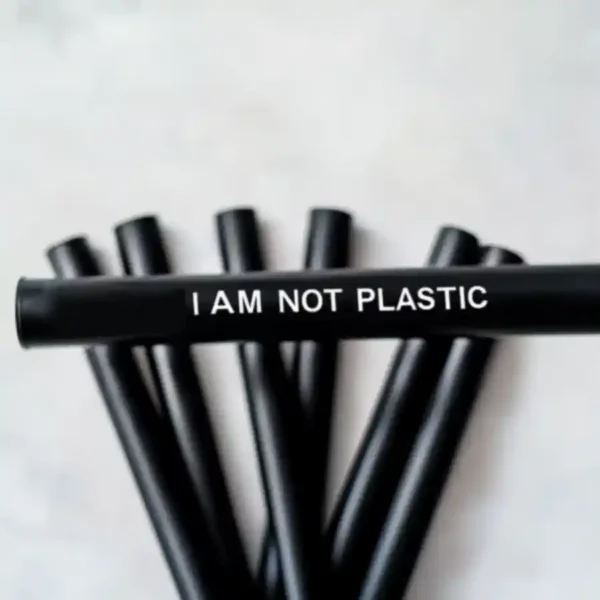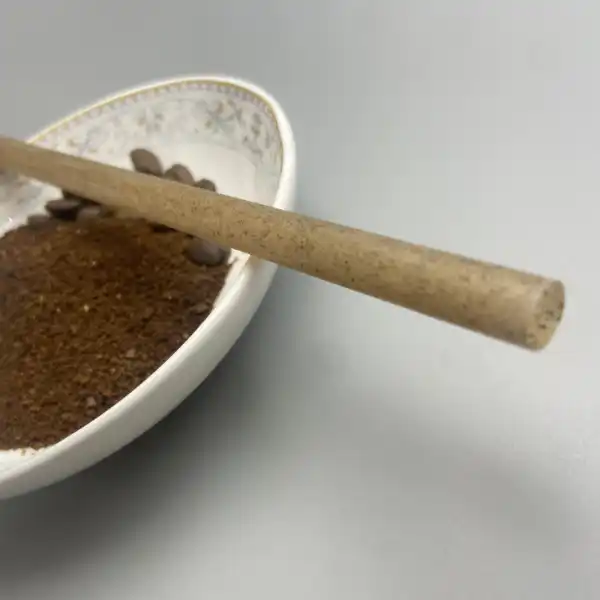

In un’era in cui la consapevolezza ambientale incontra la domanda dei consumatori, le cannucce di canna da zucchero sono emerse come una soluzione rivoluzionaria nel panorama della ristorazione sostenibile. Queste alternative innovative alla plastica monouso rappresentano molto più di una semplice scelta ecologica: incarnano un completo cambio di paradigma nel modo in cui le aziende affrontano la sostenibilità. Combinando durabilità, convenienza e responsabilità ambientale, le cannucce di canna da zucchero stanno trasformando il modo in cui pensiamo agli accessori da pranzo di tutti i giorni, offrendo allo stesso tempo vantaggi convincenti per consumatori, ristoranti e marchi.
Il viaggio: dall'innovazione agricola alla soluzione sostenibile
Coltivazione: dove la sostenibilità mette radici
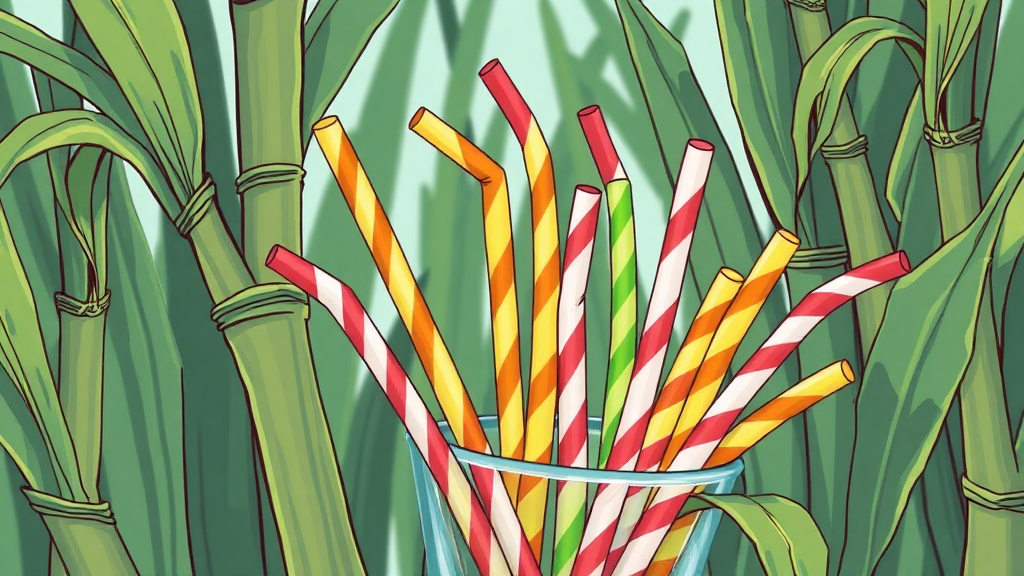
La storia di canna da zucchero da cannucce boba straws begins in the rich soils of tropical and subtropical regions, where innovative agricultural practices are reshaping traditional farming. Modern sugarcane cultivation employs sophisticated regenerative techniques that go beyond basic sustainability:
- Smart Water Management: Advanced drip irrigation systems reduce water consumption by up to 50% compared to traditional methods while maintaining optimal crop yields
- Soil Health Programs: Integration of cover crops and crop rotation strategies enhance soil fertility and reduce the need for chemical fertilizers
- Conservazione della biodiversità: Buffer zones and wildlife corridors protect local ecosystems while supporting natural pest control
Local farmers, often part of cooperatives, receive training in these advanced techniques while earning premiums for adopting sustainable practices. One notable success story comes from the Serra Grande region in Brazil, where a collective of 200 small-scale farmers increased their from sugarcane straws income by 40% after transitioning to regenerative farming methods while reducing water usage by 30%.
The Technical Marvel: Transforming Bagasse
The transformation of bagasse—sugarcane’s fibrous byproduct—into durable straws represents a triumph of circular economy principles. This process has been refined through years of research and development:
Advanced Processing Techniques
- Precision Cleaning
- Multi-stage filtration removes 99.9% of impurities
- Eco-friendly enzymatic cleaning agents break down residual sugars
- Closed-loop water systems recycle 95% of processing water
- Innovative Drying Technology
- Solar-assisted hybrid drying systems reduce energy consumption by 60%
- Moisture content precisely controlled to 8-12% for optimal material properties
- Computer-monitored temperature gradients prevent material degradation
- Revolutionary Pulping Process
- Patented mechanical-enzymatic pulping reduces energy use by 40%
- Natural binding agents derived from corn starch enhance durability
- Zero-waste approach recycles all processing byproducts

Manufacturing Excellence
Modern production facilities employ state-of-the-art technology to ensure consistent quality while minimizing environmental impact:
Production Innovations
- Smart Extrusion Systems: AI-controlled temperature and pressure optimization
- Renewable Energy Integration: 75% of manufacturing power from solar and biomass
- Quality Monitoring: Real-time spectroscopic analysis ensures uniform composition
Industry-Leading Quality Standards
- Durability Testing: Automated stress testing simulates real-world usage
- Safety Certification: Exceeds FDA and EU standards for food contact materials
- Environmental Verification: Third-party audited lifecycle assessments
Impatto e performance del mercato
Leadership ambientale
Recent studies demonstrate the significant environmental advantages of sugarcane straws:
- Impronta di carbonio: 85% lower than plastic alternatives
- Conservazione dell'acqua: 60% reduction in water usage compared to paper straw production
- Riduzione dei rifiuti: 100% biodegradable within 90 days in industrial composting facilities
Commercial Success Stories
Restaurant Implementation
The transition to sugarcane straws has proven successful across various food service segments:
Luxury Hotel Case Study: The Grand Pacific Resort
- Replaced 1.2 million plastic straws annually
- Customer satisfaction increased by 27%
- Cost savings of $12,000 through bulk purchasing
- Enhanced brand reputation leading to 15% increase in eco-conscious bookings
Quick-Service Restaurant Analysis: Fresh & Green Chain
- 98% customer acceptance rate
- 40% reduction in straw waste management costs
- Social media engagement increased by 200% after transition announcement
Economic Advantages
The scalability of sugarcane straw production has led to significant cost efficiencies:
Bulk Pricing Structure (2024)
| Volume (units) | Price per Unit | Annual Savings vs. Plastic |
|---|---|---|
| 10,000 | $ 0,035 | $1,500 |
| 25,000 | $0.028 | $4,300 |
| 50,000+ | $0.022 | $9,800 |
Innovazioni future e tendenze del mercato
Emerging Technologies
- Smart Packaging: QR-coded wrappers for supply chain transparency
- Enhanced Formulations: Development of heat-resistant varieties for hot beverages up to 95°C
- Opzioni di personalizzazione: Digital printing technologies for brand personalization
Market Projection
Industry analysts predict the sugarcane straw market will grow at a CAGR of 24% through 2027, driven by:
- Expanding environmental regulations
- Increasing consumer awareness
- Growing adoption in emerging markets
Guida all'implementazione per le aziende
Transition Strategy
- Assessment Phase
- Audit current straw usage
- Calculate environmental impact
- Evaluate cost implications
- Implementation Plan
- Staff training programs
- Customer communication strategy
- Supplier partnership development
- Monitoring and Optimization
- Regular performance reviews
- Raccolta feedback dei clienti
- Ottimizzazione della catena di fornitura
Metriche di successo
- Punteggi di soddisfazione del cliente
- Cost per unit analysis
- Waste reduction measurements
- Brand perception indicators
Agisci oggi
Ready to join the sustainable revolution? Contact our team for:
- Customized pricing quotes
- Free sample packs
- Implementation consultation
- Bulk order scheduling
Visit NaturaBioeco.com or call +86 13524105790 to begin your journey toward sustainable sipping solutions.
Transform your business’s environmental impact while enhancing customer experience—choose sugarcane straws for a sustainable future.