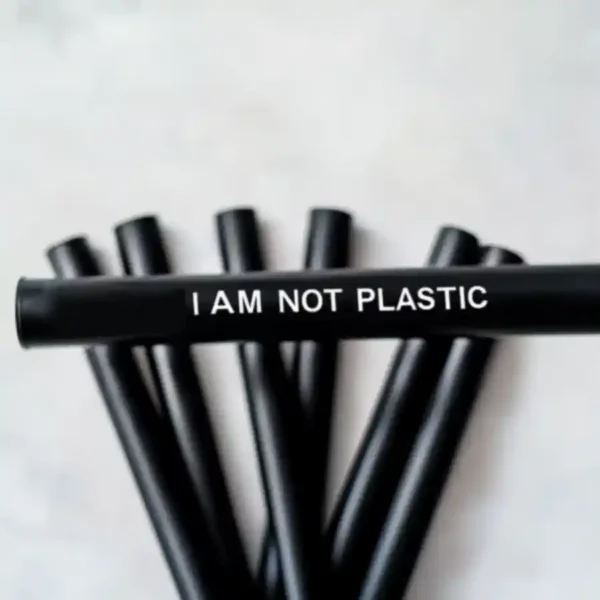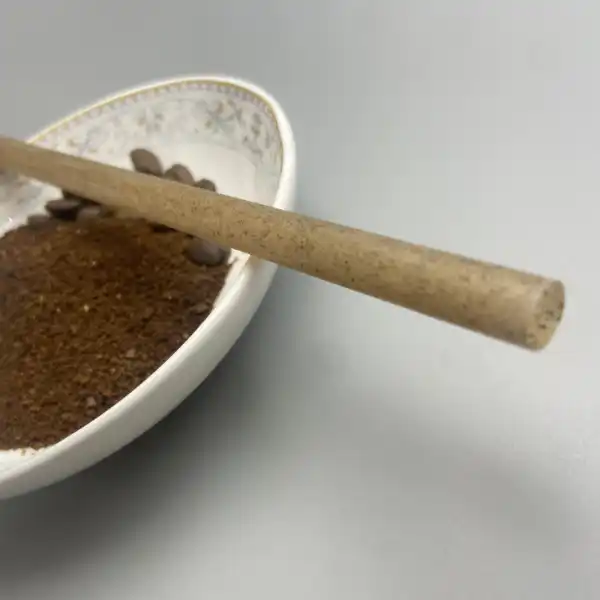
Introduzione: Il convincente business case per alternative sostenibili
Nel panorama dei consumatori iperconsapevoli di oggi, la consapevolezza ambientale non è solo una tendenza: è una forza potente che modella le decisioni di acquisto e la fedeltà al marchio. Secondo il Nielsen Global Corporate Sustainability Report, uno sconcertante 73% dei millennial è disposto a pagare un sovrapprezzo per prodotti ecologici. Questo cambiamento nel comportamento dei consumatori rappresenta un’occasione d’oro per le aziende per allineare le proprie pratiche a questi valori, e la transizione verso cannucce ecologiche funge da punto di ingresso perfetto.
Ma siamo chiari: non si tratta solo di saltare sul carro dei vincitori. Si tratta di rendere la tua attività a prova di futuro, migliorare la reputazione del tuo marchio e contribuire a un movimento globale che sta rimodellando il nostro rapporto con il pianeta. Come persona che ha consultato numerose aziende su iniziative di sostenibilità, posso attestare il potere di trasformazione di cambiamenti apparentemente piccoli come il passaggio a cannucce ecologiche.
L’impatto ambientale e aziendale: una doppia prospettiva
Impatto ambientale: la cruda realtà
I numeri fanno riflettere. Secondo National Geographic, ogni anno 8,3 miliardi di cannucce di plastica inquinano le spiagge del nostro mondo. Questi tubi apparentemente innocui possono impiegare fino a 200 anni per decomporsi, sopravvivendo a diverse generazioni umane. Al contrario, le alternative ecologiche possono ritornare sulla terra in soli 3-6 mesi in condizioni adeguate.
Una volta ho visitato un centro di riabilitazione per tartarughe marine in Costa Rica, dove ho visto in prima persona gli effetti devastanti dell’inquinamento da plastica sulla vita marina. L’immagine di una tartaruga con una cannuccia di plastica conficcata nella narice è un’immagine che non dimenticherò mai ed è un potente promemoria del perché questo cambiamento è importante.
Vantaggi aziendali: il vantaggio strategico
- Efficienza dei costi: Sebbene l’investimento iniziale possa sollevare qualche perplessità, i risparmi a lungo termine sono sostanziali:
- Gli incentivi fiscali per le pratiche sostenibili possono compensare i costi iniziali
- La riduzione delle spese di gestione dei rifiuti in quanto alternative ecocompatibili spesso richiedono processi di smaltimento meno complessi
- Maggiore efficienza operativa attraverso catene di fornitura snelle focalizzate su prodotti sostenibili
- Posizionamento sul mercato: I numeri parlano chiaro:
- Il 66% dei consumatori è disposto a pagare di più per marchi sostenibili (Nielsen)
- I brand che dimostrano responsabilità ambientale hanno il 48% di probabilità in più di conquistare la fiducia dei consumatori (Strategia Accenture)
Nella mia esperienza di lavoro con una catena di caffè di medie dimensioni, il passaggio alle cannucce biodegradabili ha portato a un aumento del 15% nella fedeltà dei clienti e a un aumento del 7% nell'acquisizione di nuovi clienti entro il primo anno.

Strategia di implementazione: una tabella di marcia verso il successo
1. Fase di valutazione
- Condurre un audit approfondito dell'attuale utilizzo della paglia e dei costi associati
- Valutare le alternative ecocompatibili disponibili, considerando fattori come la durabilità, l'esperienza del cliente e l'impatto ambientale
- Ricercare le normative locali per garantire la conformità e potenzialmente sfruttare gli incentivi
2. Processo di selezione
Considera questi opzioni sostenibili, ognuno con i suoi vantaggi unici:
- Cannucce in PLA (a base di mais): Ideale per bevande fredde, imitando la sensazione della plastica
- Cannucce di carta: Ampiamente disponibile ed economico, anche se con tempi di utilizzo più brevi
- Cannucce di bambù: Durevole e riutilizzabile, offre una sensazione naturale e premium
- Cannucce di metallo: Di lunga durata e perfetto per le strutture che mirano a un approccio a rifiuti zero
Suggerimento da professionista: non scegliere solo in base al costo. Considera l'identità del tuo marchio e le preferenze dei clienti. Un cocktail bar di fascia alta potrebbe optare per eleganti cannucce di metallo, mentre una tavola calda per famiglie potrebbe preferire la familiarità delle opzioni di carta.
3. Programma pilota
- Implementa un test controllato in sedi o dipartimenti selezionati
- Raccogli il feedback completo dei clienti attraverso sondaggi e interazioni dirette
- Monitorare gli impatti operativi, comprese le esigenze di formazione del personale e i requisiti di archiviazione
Misurare il successo: oltre i numeri
Implementare un sistema di monitoraggio olistico che acquisisca dati sia quantitativi che qualitativi:
1. Metriche quantitative
- Riduzione del tracciamento dei rifiuti di plastica (kg/mese)
- Conduci un confronto dettagliato dei costi con le cannucce tradizionali nel tempo
- Monitorare i punteggi di soddisfazione del cliente specificamente correlati alle nuove cannucce
- Analizzare i dati di vendita per identificare eventuali correlazioni con l'iniziativa di sostenibilità
2. Valutazione qualitativa
- Esegui un'analisi approfondita del feedback dei clienti, incluso il sentiment nei commenti
- Monitora il sentiment e il coinvolgimento dei social media riguardo ai tuoi sforzi di sostenibilità
- Misura i livelli di coinvolgimento dei dipendenti, spesso trascurati ma cruciali per il successo dell'iniziativa
- Commissionare studi sulla percezione del marchio per valutare l'impatto sull'immagine complessiva del marchio
Casi di studio: imparare dai leader
Costa Coffee UK: una lezione di scala
- Sostituito l’incredibile cifra di 175 milioni di cannucce di plastica ogni anno con alternative di carta
- Raggiunto un tasso di approvazione dei clienti del 93%, dimostrando che i consumatori sono pronti al cambiamento
- Ha registrato un aumento del 12% nei segmenti di clienti attenti all'ambiente, aprendo nuove opportunità di mercato
Marriott International: impatto globale, implementazione locale
- Eliminate 1 miliardo di cannucce di plastica a livello globale, dimostrando il potere dell’impegno aziendale
- Risparmiato 4,1 milioni di dollari all'anno attraverso varie iniziative sostenibili, dimostrando la fattibilità finanziaria delle scelte ecocompatibili
- Aumento del valore del marchio del 23% tra i viaggiatori Millennial, un gruppo demografico cruciale per il settore dell'ospitalità
Questi casi sottolineano un punto cruciale: le iniziative di sostenibilità, se eseguite in modo ponderato, possono produrre vantaggi aziendali significativi contribuendo allo stesso tempo alla conservazione dell’ambiente.
Migliori pratiche per la comunicazione con i clienti: la trasparenza è fondamentale
1. Messaggistica trasparente
- Implementare una segnaletica chiara e coinvolgente che spieghi l'iniziativa e il suo impatto
- Investire in una formazione completa del personale per garantire che possa articolare i vantaggi in modo convincente
- Fornire aggiornamenti regolari sull’impatto ambientale raggiunto, rendendo il cambiamento tangibile per i clienti
2. Componenti didattiche
- Crea accattivanti display in negozio che mostrano le sequenze temporali di scomposizione di diversi tipi di cannucce
- Lanciare campagne sui social media che evidenzino i benefici ambientali in termini riconoscibili
- Organizza workshop per i clienti sulla sostenibilità, promuovendo una comunità attorno ai valori del tuo marchio
3. Meccanismi di feedback
- Implementa sondaggi digitali intuitivi per raccogliere feedback continui
- Monitorare e interagire attivamente con menzioni e commenti sui social media
- Stabilisci canali diretti di feedback dei clienti, dimostrando che apprezzi il loro contributo
Guardando al futuro: tendenze future nelle pratiche sostenibili
Il mercato della paglia sostenibile è su una traiettoria di crescita esplosiva, con un CAGR previsto del 23,7% fino al 2026 (Grand View Research). Questa crescita è guidata da:
- Normative sempre più stringenti sulla plastica monouso nei mercati globali
- Aumento della consapevolezza dei consumatori e della domanda di opzioni sostenibili
- I rapidi progressi tecnologici nei materiali sostenibili promettono alternative ancora migliori nel prossimo futuro
Essendo profondamente radicato nel settore della sostenibilità, prevedo un futuro in cui le opzioni ecocompatibili non saranno solo alternative ma la norma. Le aziende che si adatteranno in anticipo si troveranno avvantaggiate in modo significativo.
Conclusione: un imperativo strategico
Integrating eco-friendly straws into your sustainability strategy is more than an environmental gesture—it’s a strategic business decision with far-reaching implications. It’s an opportunity to drive growth, enhance brand value, and contribute to a global movement towards sustainability.
By following a structured implementation approach, maintaining transparent communication with stakeholders, and continuously adapting to feedback and new innovations, businesses can successfully navigate this transition. The result? A stronger, more resilient business that not only meets the expectations of today’s consumers but also helps shape a more sustainable future for all.
Remember, in the words of anthropologist Margaret Mead, “Never doubt that a small group of thoughtful, committed citizens can change the world; indeed, it’s the only thing that ever has.” Your business can be part of that change, one straw at a time.