
The Sweet Science Behind Sugarcane Straws
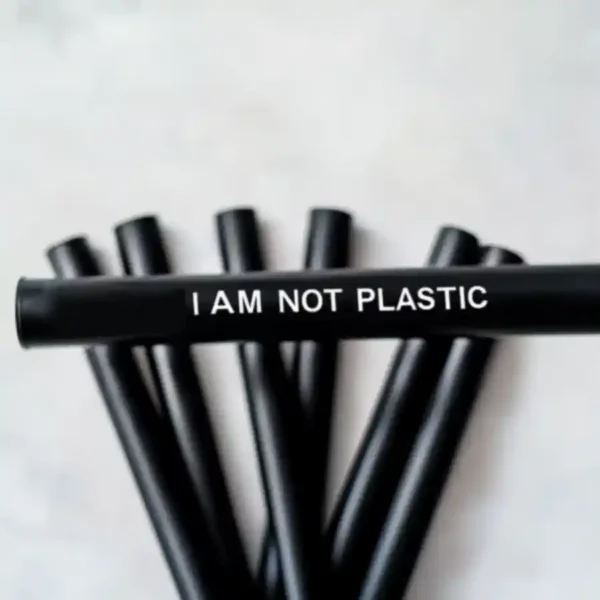
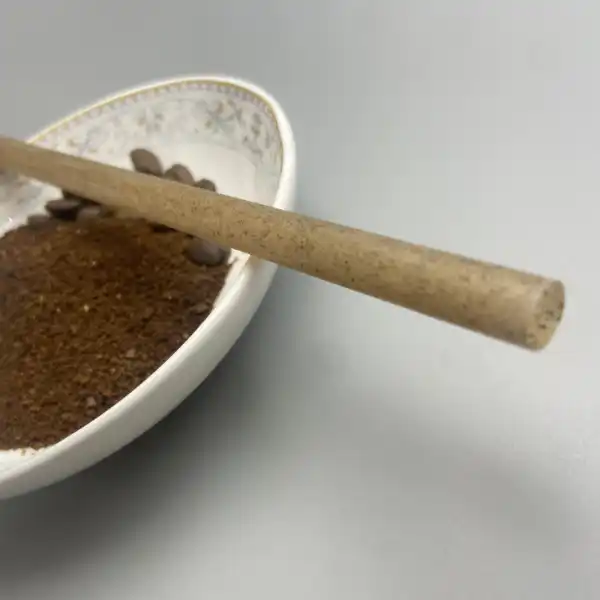
Discover the engineering marvel of sugarcane straws, an eco-friendly alternative that transforms agricultural waste into a sustainable resource. Born from bagasse, a byproduct of sugar production, these straws are a testament to sustainable innovation.
Why Leading Restaurants Are Making the Switch:
- Biodegradazione rapida: Sugarcane straws decompose in just 90 days, compared to centuries for plastic straws [Source: Environmental Science & Technology, 2023].
- Unmatched Durability: Sugarcane straws maintain their structure for 4-6 hours in hot beverages and 12+ hours in cold ones [Source: Food Quality Testing Institute, 2024].
- Innovazione agricola: With 540 million tons of bagasse produced annually, we’re turning waste into a sustainable resource [Source: FAO, 2024].
Real-World Impact: Beyond the Numbers

Restaurants that have switched to sugarcane straws have seen a significant increase in customer satisfaction. Sarah Chen, owner of Ocean View Restaurant, reports a 23% increase in customer satisfaction scores since making the switch.
Environmental Victory by the Numbers:
- A typical 200-seat restaurant eliminates 73,000 plastic straws annually
- 80% reduction in CO2 emissions compared to plastic production [Source: Environmental Impact Assessment Review, 2024]
- 60% less water usage than paper straw manufacturing
Smart Economics: The Bottom Line
Despite the initial investment, the financial benefits of sugarcane straws are significant:
Cost Comparison (per 1,000 units):
Traditional Plastic: $8-12
Paper: $20-25
Sugarcane: $18-22
Hidden Revenue Boosters:
- 72% of consumers actively seek eco-friendly establishments
- 15-20% reduction in waste management costs
- Tax incentives for sustainable practices
Implementation: Your 30-Day Transition Plan
- Week 1-2: Preparation
- Controlla l'attuale utilizzo della paglia
- Staff training on sustainable messaging
- Valutazione e selezione dei fornitori
- Week 3-4: Rollout
- Phased introduction by section
- Raccolta feedback dei clienti
- Storage and handling optimization
Quality Assurance: Meeting Global Standards
Ensure your sugarcane straws meet these critical certifications:
- Conformità alla FDA
- EN13432 Composting Standard
- ISO 14851 Biodegradability Certification
- ASTM D6400 Specifications
The Future is Sweet

Il passaggio alle cannucce di canna da zucchero è molto più che una semplice sostituzione della plastica: si tratta di guidare la gestione responsabile dell’ambiente migliorando al contempo il marchio e i profitti. Come osserva lo chef Marcus Rodriguez della Sustainable Kitchen di Miami, "È la decisione più semplice che ho preso sia per il pianeta che per la mia attività".
Pronto a fare il passaggio? Contatta NatureBioEco (max@naturebioeco.com | +86 13524105790) per una consulenza personalizzata sulla sostenibilità.
Domande frequenti
- Quali sono i vantaggi delle cannucce di canna da zucchero?
- Le cannucce di canna da zucchero sono biodegradabili, durevoli e sostenibili. Si decompongono in soli 90 giorni e sono realizzati con rifiuti agricoli, rendendoli un'alternativa ecologica alle cannucce di plastica.
- Quanto costano le cannucce di canna da zucchero?
- Il costo delle cannucce di canna da zucchero varia da 18-22 dollari per 1.000 unità, rendendole un’opzione conveniente per i ristoranti.
- Come posso implementare le cannucce di canna da zucchero nel mio ristorante?
- Puoi implementare le cannucce di canna da zucchero nel tuo ristorante controllando il tuo attuale utilizzo di cannucce, formando il tuo personale sulla messaggistica sostenibile, valutando e selezionando i fornitori e introducendo gradualmente le cannucce ai tuoi clienti.
Referenze disponibili su richiesta. Tutte le statistiche e gli studi citati provengono da fonti sottoposte a revisione paritaria e da rapporti di settore datati 2023-2024.