As the world shifts towards more sustainable practices, reusable straws have emerged as a key solution to combat the environmental impact of single-use plastic. With growing awareness about the devastating effects of plastic waste on ecosystems, reusable straws have become an eco-friendly choice for conscientious consumers. This guide dives deep into the essence of reusable straws, examining frequently asked questions, material types, and competitive strategies that businesses can adopt to align with this positive change.

What Are Reusable Straws?
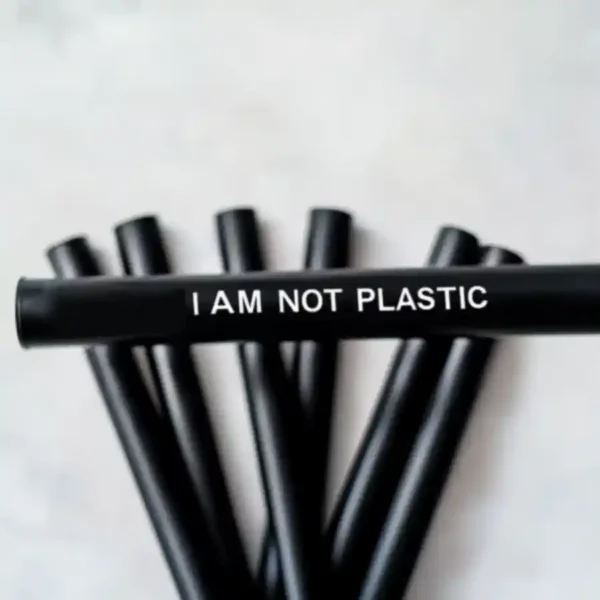
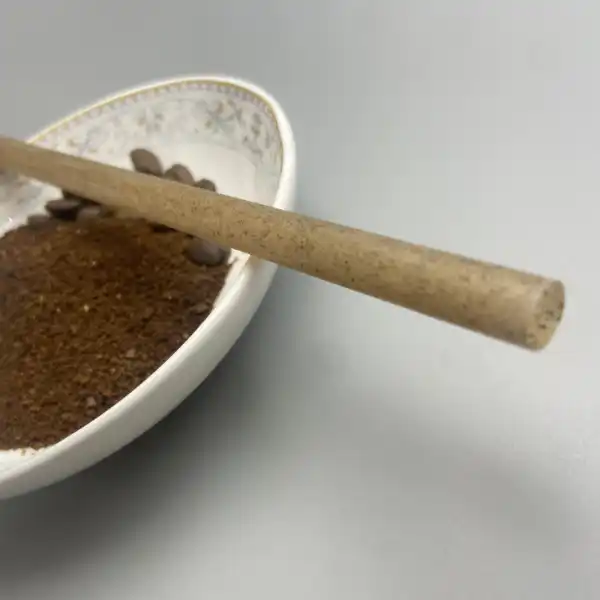
Reusable straws are designed with the intent to reduce the disposable plastic burden by offering a sustainable, long-lasting alternative. These straws are made from materials such as stainless steel, silicone, bamboo, glass, and even innovative options like sugarcane and coffee grounds. By choosing reusable straws, individuals contribute to a significant reduction in plastic pollution, fostering a more sustainable future for all.

Why Should I Use Reusable Straws?
The environmental benefits of using reusable straws are immense:
- Reduce Plastic Waste: By transitioning away from disposable plastic straws, we can help mitigate plastic pollution in oceans and landfills, which endangers wildlife.
- Efficacia in termini di costi: Despite their initial cost, reusable straws are an investment that can lead to long-term savings, as they replace disposable straws.
- Health-Conscious: Many reusable straws are made from non-toxic, safe materials that do not leach harmful chemicals into your drinks, ensuring your health and well-being.
What Materials Are Used for Reusable Straws?
The versatility of reusable straws comes from their diverse material options, each offering unique advantages. Let’s explore some of the leading choices:
- Acciaio inossidabile: Known for its durability and rust-resistant properties, stainless steel is a popular choice for those seeking longevity and strength in their straws.
- Silicone: Flexible and safe for children, silicone straws are soft and portable, making them an excellent option for on-the-go use.
- Bambù: A biodegradable option, bamboo straws offer a natural alternative, though they require more care to maintain their usability.
- Bicchiere: Offering a sleek and elegant look, glass straws provide a neutral taste without compromising beverage quality, though they are fragile.
- Cannauga: Derived from the waste of sugarcane processing (bagasse), sugarcane straws are biodegradable and compostable, with a strong resilience that endures up to 20 dishwasher cycles.
- Fondi di caffè: Utilizing recycled coffee grounds, these straws offer a sustainable, compostable option that also withstands repeated use, embodying a creative recycling approach.

Come si puliscono le cannucce riutilizzabili?
Pulire le cannucce riutilizzabili è un compito semplice ed ecologico. La maggior parte delle cannucce può essere facilmente lavata a mano con acqua e sapone o messa in lavastoviglie. Molti set di cannucce riutilizzabili sono dotati di spazzole per la pulizia per garantire una manutenzione e un'igiene accurate.
Top-Ranking Analysis
Per comprendere meglio come le aziende possono posizionare al meglio i loro prodotti in cannucce riutilizzabili, abbiamo analizzato risorse di alto livello che rispondono a domande comuni relative alle “cannucce riutilizzabili”.
What Are Reusable Straws?
- Cannucce riutilizzabili: una guida completa
Questa guida offre una panoramica completa delle cannucce riutilizzabili, dai tipi ai vantaggi ambientali. Si posiziona bene grazie al suo contenuto educativo completo e alla forte attenzione alla vita eco-consapevole. - Tutto quello che devi sapere sulle cannucce riutilizzabili
Questo articolo tratta in modo approfondito la diversità dei materiali e i vantaggi ambientali delle cannucce riutilizzabili, fondendo approfondimenti pratici con un marchio ecologico. - Perché dovresti scegliere cannucce riutilizzabili
Sottolineando la necessità ambientale di cannucce riutilizzabili, questa risorsa crea fiducia nei lettori attraverso testimonianze autentiche e informazioni supportate da esperti.
What Materials Are Used for Reusable Straws?
- I migliori materiali per cannucce riutilizzabili
Questa guida evidenzia materiali chiave come l’acciaio inossidabile, il bambù e opzioni innovative come la canna da zucchero e i fondi di caffè, concentrandosi sulla loro sostenibilità e potenziale multiuso. - Quali materiali sono migliori per le cannucce riutilizzabili?
Offrendo un'analisi approfondita di ciascun materiale, questo articolo enfatizza la durabilità e la responsabilità ambientale, aiutando i lettori a scegliere l'opzione più sostenibile. - Guida alla scelta del materiale giusto per la tua cannuccia
Evidenziando la sostenibilità, questa guida approfondisce gli aspetti pratici delle cannucce riutilizzabili, dalla sicurezza dei materiali alle considerazioni ambientali.
Conclusione
As the world continues to embrace sustainability, materials like sugarcane and coffee grounds are paving the way for more innovative and eco-friendly alternatives to single-use plastics. These new materials, tested for durability and ease of use (including 20 dishwasher cycles), provide long-lasting, responsible choices for consumers. By adopting reusable straws and supporting the reduction of plastic waste, individuals and businesses alike contribute to a cleaner, healthier planet.
Let’s move beyond disposable plastics and embrace the sustainable future offered by these innovative alternatives!