Reusable vs. Disposable Straws: Which Is Better for Eco-Conscious Businesses?

In 2025, businesses face a pivotal choice: reusable or disposable straws? With plastic bans tightening globally, eco-conscious companies are rethinking their options. Max Jiang, Sustainability Expert at NatureBioEco, explores the pros and cons of each, focusing on sugarcane fiber straws as a standout solution.
Why Businesses Are Rethinking Straw Choices
Il cambiamento non è solo una tendenza: è una necessità. Il Rapporto sulle tendenze di sostenibilità 2025 mostra che il 78% dei consumatori preferisce marchi con alternative compostabili o riutilizzabili. In regioni come la California e l’UE, il mancato rispetto dei divieti sulla plastica può portare a multe superiori a 10.000 dollari all’anno. Nel frattempo, secondo lo stesso rapporto, il 65% dei clienti è disposto a pagare un premio per la sostenibilità.
Le cannucce usa e getta, un tempo dominate dalla plastica, ora includono opzioni compostabili come la fibra di canna da zucchero. Le cannucce riutilizzabili, come l'acciaio inossidabile o il bambù, offrono longevità ma presentano sfide operative.
Sugarcane Fiber Straws: The Disposable Champion
Vantaggi rispetto a carta e plastica
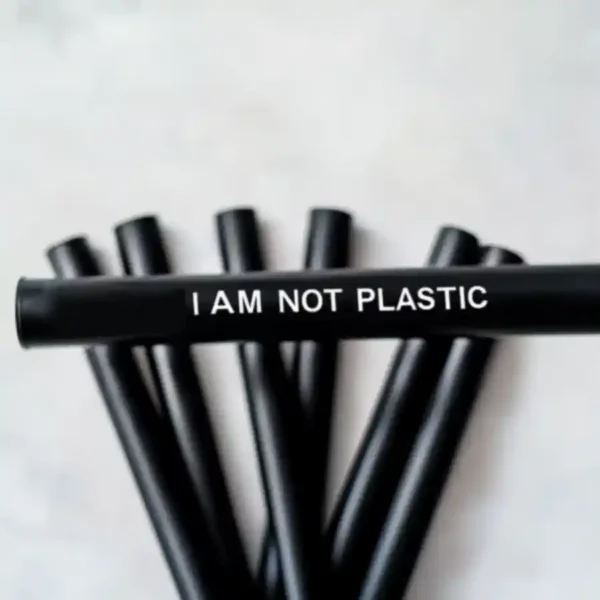
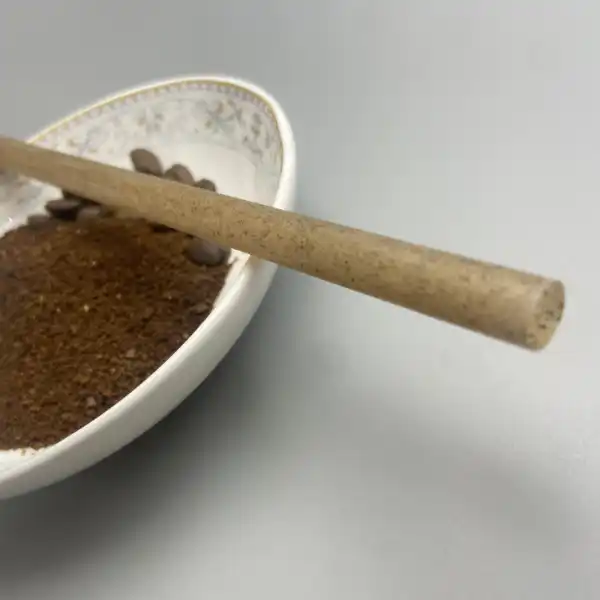
Le cannucce in fibra di canna da zucchero uniscono prestazioni e sostenibilità:
- Resiste a temperature fino a 90°C senza ammorbidirsi.
- Last 24+ hours in beverages, unlike paper’s 45-minute limit.
- Home-compostable in 12 weeks (Source: Istituto per l'imballaggio sostenibile).
“Switching to sugarcane straws cut our waste costs by $1,000 monthly,” says GreenEats Café owner Jane Doe. “No more soggy complaints.”

Reusable Straws: Stainless Steel and Beyond
Benefits and Challenges
Stainless steel straws shine for dine-in settings:
- Reusable for years, slashing waste.
- Premium feel enhances customer experience.
However, they’re not perfect. Upfront costs range from $2-$5 per unit, and dishwashing labor costs rise by 15-20%, per a 2025 Hospitality Insights study.
Bamboo offers a greener reusable option but requires regular replacement due to wear.
Cost and Sustainability Comparison
| Tipo | Cost per 1k Units | Durata | Waste Impact |
|---|---|---|---|
| Acciaio inossidabile | $2,000-$5,000 | Anni | Minimal |
| Fibra di canna da zucchero | $30-$70 | Single-use (24+ hrs) | Composts in 12 weeks |
| Bambù | $100-$200 | 6-12 months | Composts naturally |
UrbanEats saved $8,000 annually by using sugarcane straws for takeout, balancing cost and eco-goals.
Case Study: UrbanEats’ Transition
In 2024, UrbanEats switched to sugarcane fiber straws for their 50+ locations. Waste dropped by 22%, and customer retention rose 15%, aligning with 2025 consumer trends.

Sull'autore
Max Jiang, with over a decade at NatureBioEco, helps businesses adopt sustainable solutions.

Domande frequenti
Q: What makes sugarcane fiber straws better than paper straws?
A: Sugarcane straws last 24+ hours in drinks and handle 90°C, unlike paper straws that soften in 45 minutes.
Q: How do reusable stainless steel straws affect restaurant costs?
A: They cost $2-$5 per unit and raise labor costs by 15-20%, but save waste long-term for dine-in use.
Q: What risks come with ignoring plastic straw bans?
A: Fines can exceed $10,000 annually in places like California, plus reputational harm.
Q: Are sugarcane straws cost-effective for high-volume businesses?
A: Yes, at $30-$70 per 1,000, they cut waste costs, as seen with UrbanEats’ $8,000 annual savings.
Q: How do consumer trends shape straw choices?
A: 78% prefer compostable options, and 65% pay more for sustainability, favoring sugarcane straws.
D: Le cannucce di canna da zucchero possono essere personalizzate per il marchio?
R: Sì, fornitori come NatureBioEco offrono buste con stampa personalizzata per il marketing.
D: Qual è l'impatto ambientale delle cannucce di canna da zucchero?
R: Compostano in 12 settimane, riducendo i rifiuti del 22%, secondo il Rapporto sulle tendenze di sostenibilità del 2025.
D: Le cannucce riutilizzabili sono pratiche per il cibo da asporto?
R: No, i costi elevati e le preoccupazioni in materia di igiene rendono i prodotti usa e getta come la canna da zucchero migliori per il cibo da asporto.